Rat Food Myths: The Facts About Foods to Avoid
Separating fact from fiction: What your pet rats can and cannot safely eat.
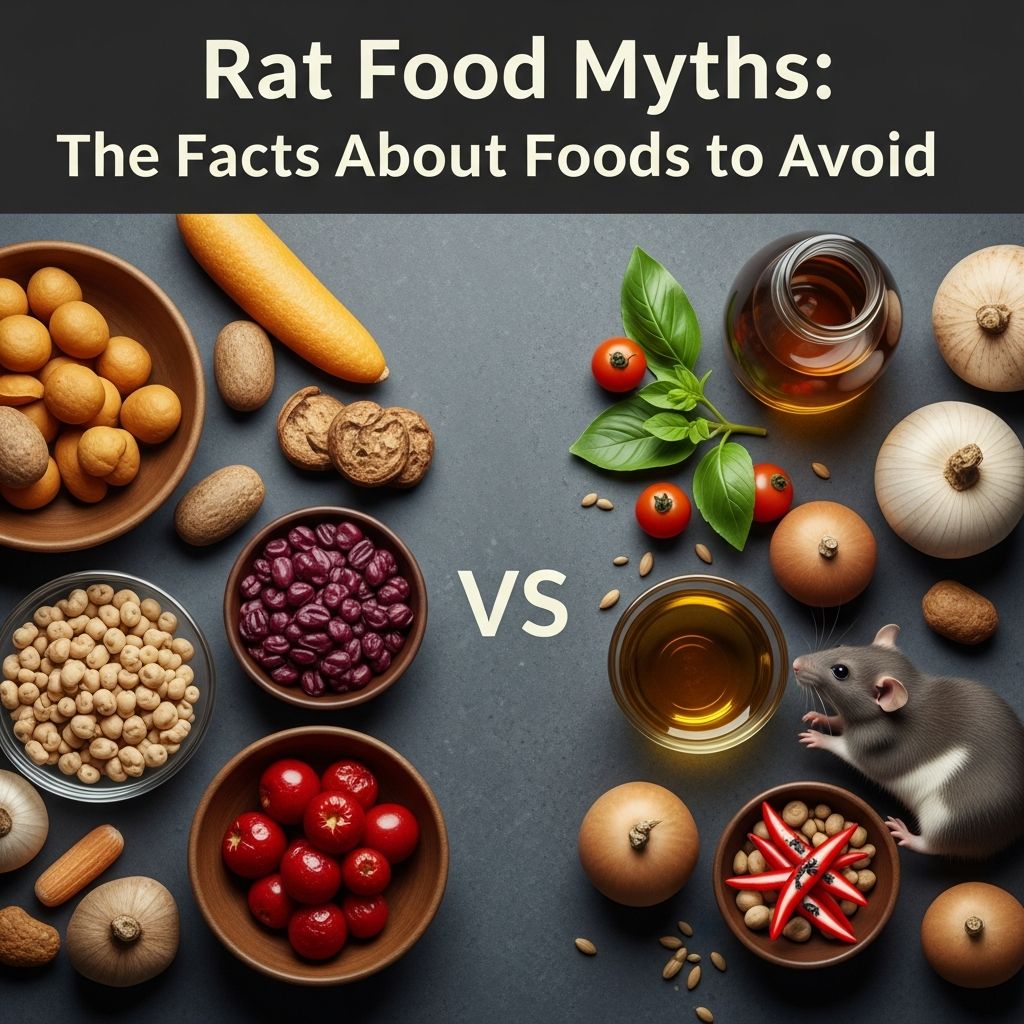
The topic of rat nutrition generates considerable discussion among pet owners, and rightfully so—proper diet is fundamental to your rat’s health and longevity. However, the internet is saturated with conflicting information about what rats can and cannot eat, making it challenging to separate fact from fiction. Many widely circulated lists of forbidden foods for rats contain exaggerations, outdated information, and even recommendations meant for other animals entirely. Understanding the true facts about rat nutrition requires examining where this misinformation originates and what scientific evidence actually tells us about feeding pet rats safely.
Consider The Information Source
The primary issue with most rat food safety lists circulating online is their questionable origin. The majority of these lists are based on old laboratory studies conducted on rats, but these studies were designed to determine what is safe for human consumption, not what is appropriate for pet rats. This fundamental difference creates a major credibility problem.
Laboratory studies often administer extraordinarily high doses of various substances to test their safety limits. Researchers feed rats amounts of food or chemicals that far exceed any reasonably proportioned serving a pet owner would ever provide. Yes, rats in these extreme conditions sometimes experienced adverse effects or died, but drawing conclusions about normal pet feeding practices from such extreme dosages is scientifically unsound and misleading.
Another significant problem is that many people creating these food restriction lists confuse rats with dogs. They include items that are genuinely toxic to canines but pose no threat to rats whatsoever. This confusion has led to widespread myths—such as claims that grapes, raisins, and chocolate are dangerous for rats—when these foods are actually perfectly safe in appropriate quantities. Dogs cannot metabolize certain compounds in these foods, but rats can.
Potentially Toxic Foods
While much of the information online is exaggerated, some foods do present genuine concerns for rat safety. These are foods that truly warrant avoidance or extreme caution:
Apple Seeds and Other Seeds
Apple seeds contain small amounts of cyanogenic glycosides, which can release cyanide when digested. While the quantity in a few apple seeds is minimal, it’s best to remove seeds before offering apples to your rats.
Avocado: A Partial Prohibition
This is an important case where nuance matters. The flesh or pulp of avocados is actually safe for rats and can be a particularly healthy treat for sick or underweight animals. However, the skin and pit must never be offered. Both contain an oil-soluble fungicide called persin, to which animals are sensitive and can cause harm.
Blue Cheese
Blue cheese contains mold that produces mycotoxins, which can be harmful to rats. Unlike some moldy foods where you might remove the affected portion, mold in cheese is distributed throughout, making the entire product unsafe.
Raw Beans and Legumes
Raw or dried beans and legumes contain lectins—compounds that the digestive system cannot break down effectively. These can cause illness and, in severe cases, can be fatal. The same principle applies to rats as to humans; both should cook beans thoroughly before consumption. If you’re uncertain about how to safely prepare a particular bean for your rat, research proper human preparation methods as a guideline.
Raw Vegetables That Require Caution
Certain raw vegetables should be avoided or offered only in minimal quantities:
- Raw sweet potatoes
- Raw squash
- Green potato skins and eyes (which contain solanine, a toxic alkaloid)
Raw Peanuts
Raw peanuts can contain aflatoxins, mold-produced carcinogens. Roasted peanuts are preferable if you choose to offer this treat, though they should remain occasional due to their high fat content.
Foods Best Avoided
Beyond potentially toxic items, several categories of food should be limited or eliminated from your rat’s diet for health and safety reasons:
Beverages and Stimulants
The following should never be offered to rats:
- Carbonated beverages: While the myth that carbonated drinks will kill rats is unfounded, these beverages aren’t appropriate for rats. Due to rats’ inability to burp or vomit, carbonated drinks can cause significant digestive discomfort. Additionally, these drinks provide nothing but sugar or artificial sweeteners that your rat doesn’t need.
- Alcohol: Never offer alcoholic beverages of any kind.
- Caffeine: Coffee, tea, and caffeinated sodas should be avoided.
- Tap or fluoride-treated water: Provide filtered or bottled water instead, as fluoride can accumulate in rat tissues.
Processed and High-Calorie Foods
Avoid foods high in sugar, fat, salt, or anything highly processed or fried. This category includes fast food, candy, baked goods, and sugary treats. While you might be tempted to give your rat a tiny taste of your French fries or ice cream when they look at you with those pleading eyes, such treats should never become regular occurrences. Even small, infrequent tastes should be restricted to truly minimal amounts.
Dried Corn
Dried corn in commercial rodent mixes can contain high levels of fungal contaminants, nitrates, and amines. These substances have been shown to cause liver cancer in rats and can form nitrosamines, which are carcinogenic in the stomach. This is why choosing rat-specific food formulas is important.
Citrus Peel
While the flesh of citrus fruits is safe for most rats, the peel should be removed and discarded, not fed to your rats.
Choking Risk
Beyond toxicity and nutrition, some foods pose mechanical hazards. Foods that are hard, sticky, or large can present choking risks. Always consider the size and texture of treats relative to your rat’s size. Supervise when offering new foods and ensure pieces are appropriately sized for safe consumption.
The Myth About Citrus
One of the most pervasive and harmful myths in rat care concerns citrus fruits and their safety for male rats. For decades, rat owners have been warned against offering oranges, mangos, limes, or citrus juice to male rats due to concerns about a chemical compound called D-limonene found in citrus peel. Proponents of this myth claim that D-limonene from the peel can contaminate the fruit or juice and cause kidney damage or cancer in male rats.
The origin of this warning traces back to laboratory studies where rats were administered D-limonene in extraordinarily large quantities—amounts that far exceed what even humans would consume in a lifetime. The conclusion drawn from these extreme-dosage experiments has been inappropriately applied to normal pet feeding practices. The tiny amount of D-limonene present in a rat-sized portion of mango or orange is simply not comparable to the quantities used in research, and there is no scientific basis for restricting these nutritious fruits from male rats’ diets.
In reality, citrus fruits provide valuable vitamin C and other nutrients. The flesh of citrus fruits is safe and beneficial for rats of both sexes. The only part to avoid is the peel, which should be removed before offering any citrus to your rats.
Moldy And Spoiled Foods
This should be self-evident, but it bears repeating: never offer your rats anything that is moldy or spoiled. Just as spoiled food would make you sick, it will make your rats ill. Many people mistakenly believe that cutting away the visible mold makes the rest of the food safe, but this is incorrect. Mold is not always visible to the naked eye, and its root structures burrow throughout soft foods like bread, soft cheese, and fresh fruits and vegetables. The entire product becomes contaminated and unsafe. When in doubt, throw it out.
Common Misconceptions Clarified
Grapes and Raisins
Grapes and raisins are safe for rats and can be offered as occasional treats. This myth exists because grapes and raisins are indeed toxic to dogs, but rats have different metabolic capabilities and suffer no ill effects from these fruits.
Chocolate
Contrary to popular belief, chocolate is not toxic to rats. In fact, dark chocolate can be beneficial for rats experiencing respiratory infections, as it acts as a bronchodilator to help open airways. Many rat-savvy veterinarians have even recommended dark chocolate chips as a therapeutic treat. That said, milk chocolate contains excess sugar and cream that can contribute to weight gain and should be limited, while dark chocolate remains the healthier option if chocolate is offered at all.
Nuts
While nuts are not inherently toxic, they should be offered sparingly and in tiny quantities. Some nuts contain lectins and phytates—anti-nutrients that can interfere with nutrient absorption. Additionally, nuts are high in fat, which can contribute to obesity in rats. Limit nut offerings to one or two small pieces per rat, offered only occasionally.
Building a Balanced Rat Diet
Rather than focusing exclusively on what to avoid, it’s equally important to understand what constitutes a healthy rat diet. Commercially available pelleted diets specifically formulated for rats provide complete nutrition. High-quality rat food should list rat-appropriate ingredients and avoid formulations marketed for multiple rodent species, as rats have different nutritional requirements than hamsters, gerbils, guinea pigs, or chinchillas.
Fresh fruits and vegetables can supplement a high-quality base diet, providing enrichment and variety. However, they should complement rather than replace proper rat pellets. The staple diet should always be a complete, commercially available rat food formula specifically designed for rats’ nutritional needs.
Frequently Asked Questions
Q: Can rats eat chocolate?
A: Yes, rats can safely eat chocolate, unlike dogs. Dark chocolate is actually beneficial for rats with respiratory issues. However, milk chocolate should be limited due to sugar and fat content.
Q: Are grapes and raisins toxic to rats?
A: No, grapes and raisins are completely safe for rats and can be offered as occasional treats. This myth persists because these foods are toxic to dogs.
Q: Is D-limonene in citrus dangerous for male rats?
A: No. While this myth has circulated for decades, it’s based on laboratory studies using unrealistic quantities. Normal portions of citrus fruit are safe for all rats.
Q: Can rats eat raw beans?
A: No, raw beans contain lectins that rats cannot digest and can cause serious illness. Beans must be thoroughly cooked before offering to rats, just as they should be for humans.
Q: What should I do if my rat eats spoiled food?
A: Contact your veterinarian immediately. Spoiled food can cause serious illness in rats. Monitor your rat for signs of digestive upset and seek veterinary care if symptoms develop.
Q: Are nuts safe for rats?
A: Nuts are safe in very limited quantities (one to two small pieces occasionally) due to their high fat content and potential anti-nutrients. They should not be a regular part of the diet.
Q: Can I give my rat tap water?
A: It’s better to provide filtered or bottled water. Tap water, especially if fluoride-treated, can accumulate in rat tissues over time and may be less ideal for long-term health.
Conclusion
Navigating rat nutrition requires critical evaluation of sources and willingness to question widely repeated claims. While some foods genuinely warrant avoidance, many “dangerous” foods listed online are either safe in appropriate quantities or have been mischaracterized due to confusion with other species’ dietary restrictions. By understanding the origins of misinformation and focusing on evidence-based nutrition practices, you can confidently provide your rats with a healthy, balanced diet that supports their wellbeing. Always consult with a rat-savvy veterinarian about your specific rat’s dietary needs, as individual rats may have different requirements based on age, health status, and metabolism.
References
- Rat Food Myths: The Facts About Foods To Avoid — Lafeber Company. https://lafeber.com/mammals/rat-food-myths-the-facts-about-foods-to-avoid/
- All About Rat Myths — Lafeber Company. https://lafeber.com/mammals/all-about-rat-myths/
- Diet — Rat Guide. https://ratguide.com/care/nutrition/diet.php
- Nutrition and Energetics in Rodent Longevity Research — PubMed Central/National Center for Biotechnology Information. https://pmc.ncbi.nlm.nih.gov/articles/PMC5065365/
- Rat — Association of Exotic Mammal Veterinarians. https://aemv.org/
Similar Articles








Read full bio of medha deb