

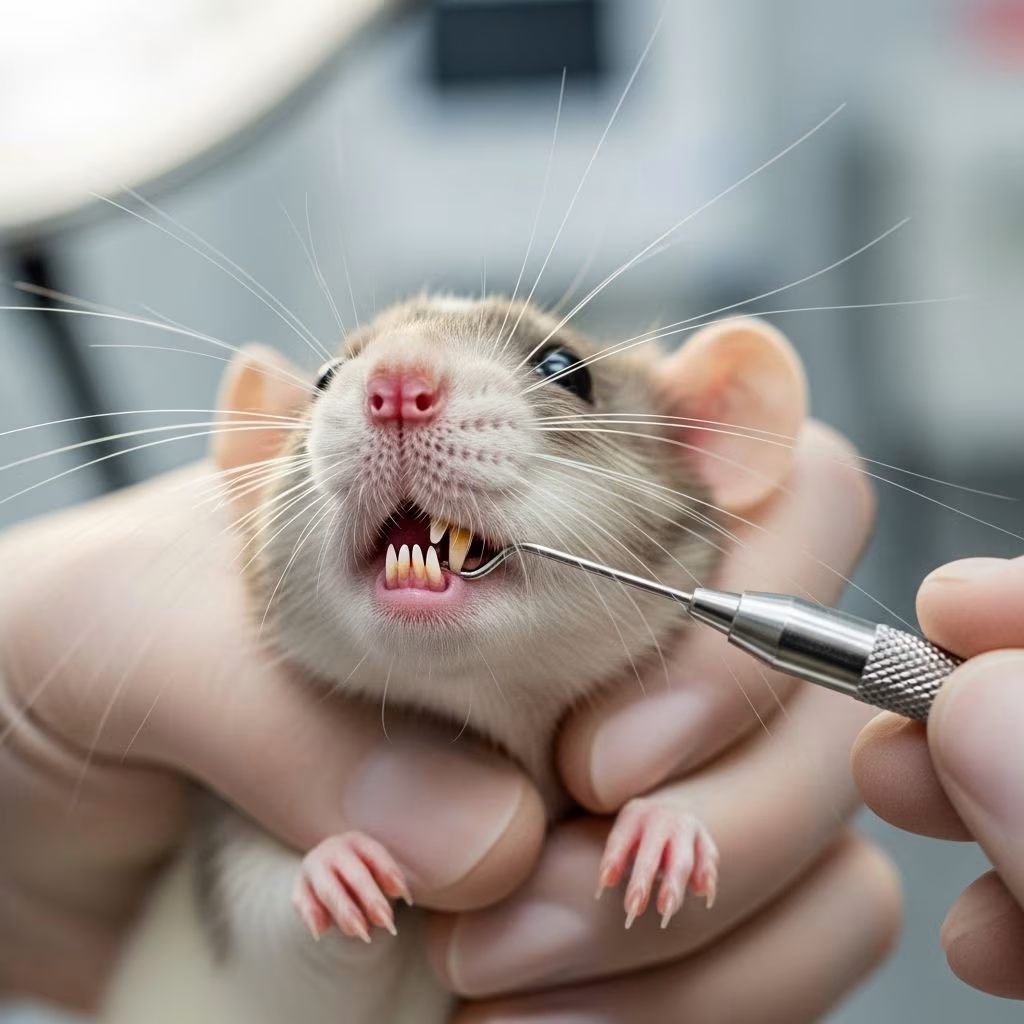
Pet rats possess remarkable dental systems characterized by continuously growing incisors that demand vigilant care to prevent health complications. Proper management ensures comfortable eating and overall vitality.
The Unique Dental Anatomy of Pet Rats
Rat teeth, particularly the incisors, differ significantly from those of many other mammals due to their lifelong growth. The upper incisors display a dark orangey-yellow hue in healthy adults, while the lower ones appear slightly lighter, reflecting enamel distribution that aids in wear. These front teeth feature enamel only on the outer surface, causing them to sharpen as they grind against each other during gnawing.
Rats’ molars, located at the back, do not grow continuously and serve to grind food. The jaw structure is precisely engineered for self-regulating tooth wear through natural occlusion, where upper and lower incisors meet to file each other down effectively. This mechanism eliminates the need for routine trimming in rats with aligned teeth, as their instincts drive constant gnawing on appropriate materials.
- Upper incisors: Longer, darker, and curved for leverage in chewing.
- Lower incisors: Shorter, positioned to oppose uppers perfectly.
- Molars: Rooted and static, susceptible to decay if diet lacks balance.
Understanding this anatomy is foundational, as disruptions lead to severe issues like starvation from impaired chewing.
Spotting Dental Distress: Key Symptoms to Watch
Early detection of dental problems prevents escalation. Owners should perform weekly visual inspections, gently opening the mouth to assess alignment and condition.
| Symptom | Possible Cause | Action Needed |
|---|---|---|
| Drooling or pawing at mouth | Pain from overgrowth or sores | Immediate vet exam |
| Weight loss or reduced eating | Difficulty chewing hard foods | Monitor intake, soft diet |
| Face rubbing or uneven teeth | Malocclusion or breaks | Check alignment weekly |
| Foul mouth odor | Abscess or infection | Antibiotics, flushing |
| Refusal of sweets or hard items | Cavities in molars | Dental X-rays |
These signs often indicate malocclusion, where teeth fail to meet properly, causing overgrowth. Genetic factors or trauma commonly trigger this, with broken incisors from falls healing naturally if opposites wear correctly.
Malocclusion: Causes and Consequences
Malocclusion occurs when incisors misalign, preventing natural wear and leading to elongation that curves into the mouth or outward. Genetic predisposition plays a role, advising against breeding affected rats. Trauma, such as falls—especially in elderly or balance-impaired rats—frequently causes breaks or shifts.
Untreated, overgrown teeth pierce gums, fostering infections or abscesses that rupture externally with foul odors. Molars may develop caries from bacteria like Streptococcus mutans or Candida albicans, progressing from enamel to pulp and roots, often asymptomatically until advanced.
Consequences extend to malnutrition, as rats struggle with pellets, prompting weight loss and dehydration. Pain manifests subtly, altering behavior like selective eating.
Professional Treatment Strategies
Veterinary intervention is crucial; home trimming risks fractures, infections, or pulp exposure. Experts recommend sedation and high-speed tools like Dremel for precise reduction, avoiding guillotine clippers that splinter brittle teeth.
- Trimming frequency: Every 2 weeks to 2 months, based on growth rate; may accelerate post-trimming.
- For trauma: Trim opposing tooth until damaged one regrows, or extract if permanent loss.
- Infections: Antibiotics (e.g., Clavamox), saline flushes, abscess drainage.
- Advanced cases: Extraction under anesthesia by rodent specialists; monitor for overgrowth in opposites.
Seek Association of Exotic Mammal Veterinarians (AEMV) referrals for experienced practitioners. Post-procedure, soft foods like soaked pellets aid recovery, with regular weigh-ins tracking progress.
Home Management and Nursing Protocols
While professionals handle corrections, owners support via diligent care. Assess alignment weekly, providing pain relief (e.g., vet-prescribed) to maintain appetite.
- Gently restrain rat for mouth exams, using light to spot irregularities.
- Offer soft supplements like Boost or Nutra-Paste if chewing falters.
- Clean oral sores daily, ensuring hygiene to avert abscesses.
- Weigh biweekly; intervene if loss exceeds 10% body weight.
Avoid unsupervised heights to prevent falls, particularly for seniors. Never attempt DIY trims, as improper angles shatter teeth lengthwise.
Preventive Measures for Lifelong Oral Wellness
Proactive steps minimize risks. Supply gnaw-approved items: apple wood, untreated cardboard, hay, and mineral blocks to promote even wear.
- Balanced diet: High-fiber pellets over seeds to reduce caries risk.
- Routine vet checks: Include dental exams during annual visits.
- Habitat safety: Stable platforms, no wires that could chip teeth.
- Genetic screening: Avoid breeding lines with hereditary issues.
Encourage natural behaviors; rats self-regulate when provided opportunities. Early detection via symptoms like gum redness or eating changes averts crises.
Diet’s Role in Dental Fortitude
Nutrition underpins tooth health. Fiber-rich diets wear incisors optimally, while sugars fuel bacterial decay in molars. Prioritize lab blocks over muesli mixes, supplementing with veggies for variety without excess carbs.
During issues, transition to mashed foods, gradually reintroducing solids. Hydration supports saliva’s protective role against caries.
When to Consider Quality of Life Decisions
Chronic malocclusion demanding biweekly trims impacts welfare. If repeated interventions fail, or pain persists despite care, humane euthanasia preserves dignity, as affected rats face starvation risks.
Frequently Asked Questions (FAQs)
Do healthy rat teeth need trimming?
No, properly aligned incisors self-wear through gnawing; intervention only for malocclusion.
How often should I check my rat’s teeth?
Weekly visual exams, more frequently if symptoms appear.
Can I trim my rat’s teeth at home?
No, risks outweigh benefits; always consult a vet.
What causes rat teeth to overgrow?
Misalignment from genetics, injury, or missing opposites.
How do I prevent dental abscesses?
Regular checks, prompt treatment of sores, and hygiene.
Long-Term Monitoring for Optimal Health
Sustained vigilance yields thriving rats. Integrate dental care into routines, partnering with specialists for tailored plans. With these practices, pet rats enjoy extended, pain-free lives.
References
- Malocclusion – Rat Guide — Rat Guide. Accessed 2026. https://ratguide.com/health/digestive/malocclusion.php
- Rat Teeth: What You Need To Know — Lafeber Co. Accessed 2026. https://lafeber.com/mammals/rat-teeth-what-you-need-to-know/
- Rat Dental Incisors: Vet Guide 2025 by Dr Duncan Houston — Ask A Vet. 2025. https://askavet.com/blogs/news/rat-dental-incisors-vet-guide-2025-by-dr-duncan-houston-%F0%9F%90%80
- Rats’ Oral Health — Silver’s Rattery. Accessed 2026. https://www.silversrattery.co.uk/rats-oral-health
- Rat Health & Welfare Tips — RSPCA. Accessed 2026. https://www.rspca.org.uk/adviceandwelfare/pets/rodents/rats/health



