Rat Care Essentials: Complete Guide To Healthy, Happy Pet Rats
Comprehensive guide to nurturing healthy, happy pet rats with expert housing, diet, and health tips for optimal care.
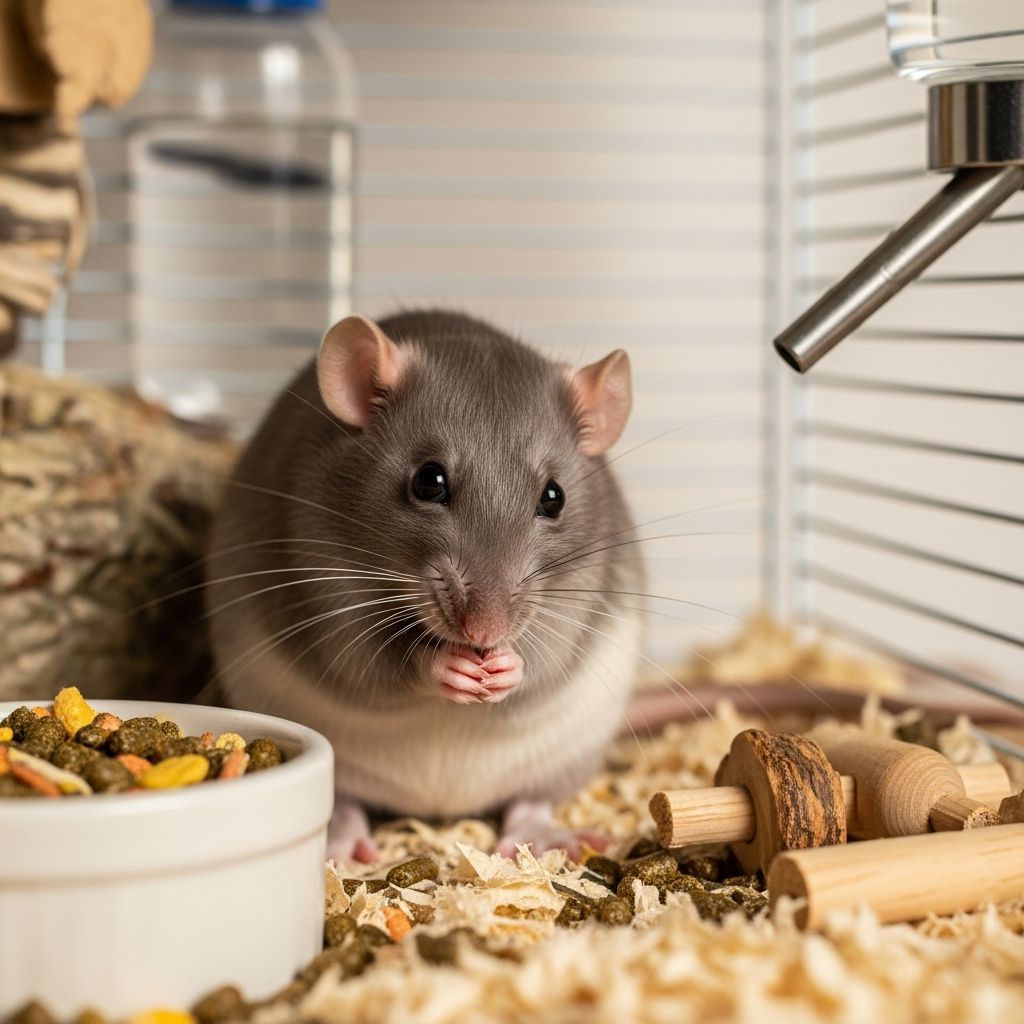
Pet rats make engaging companions known for their intelligence, sociability, and playful nature. Proper care involves creating a stimulating environment, providing balanced nutrition, and monitoring health closely to support their active lifestyles.
Selecting the Perfect Rat Companion
Choose rats from reputable breeders or shelters to ensure good health and temperament. Fancy rats, derived from domesticated stock, offer diverse coat colors and patterns while being more suitable as pets than wild varieties. Opt for young rats around 6-8 weeks old for easier bonding, and always select pairs or groups of the same sex to promote harmonious living and reduce aggression risks.
- Observe rats for bright eyes, clean fur, and curious behavior before purchase.
- Avoid individuals showing signs of respiratory distress or lethargy.
- Consider adopting siblings to foster natural social bonds.
Designing an Ideal Living Space
A spacious enclosure is crucial for rats’ physical and mental well-being. Minimum dimensions for two rats should be 24x18x18 inches, with larger setups preferred to accommodate climbing and exploration needs. Wire cages with bar spacing no wider than 0.5 inches prevent escapes, while multi-level designs mimic their natural agility.
| Enclosure Feature | Recommendation | Benefits |
|---|---|---|
| Size | At least 2 cubic feet per rat | Allows movement and reduces stress |
| Bar Spacing | ≤0.5 inches | Prevents escapes and injuries |
| Levels | Multiple platforms and ramps | Encourages exercise and enrichment |
| Placement | 65-80°F, away from drafts/sun | Maintains comfort and health |
Line the base with 1-2 inches of paper-based or hemp bedding, avoiding dusty wood shavings that irritate respiratory systems. Include hammocks, nest boxes, and tunnels for security and play.
Essential Accessories for Enrichment
Rats thrive with variety in their habitats. Provide chew toys, exercise wheels (solid surface to prevent tail injuries), and climbing ropes to satisfy their gnawing instincts and energy levels.
- Hammocks and hides: Fabric slings and boxes for resting and privacy.
- Wheels and tunnels: Large wheels (12+ inches) and PVC pipes for safe running.
- Chews: Untreated wood blocks or lava rocks to wear down ever-growing teeth.
- Foraging toys: Scatter food in puzzles to stimulate natural hunting behaviors.
Rotate items weekly to maintain interest and prevent boredom-induced behaviors like bar chewing.
Nutrition Fundamentals for Vibrant Health
A high-quality pelleted diet forms 75-80% of meals, ensuring complete nutrition without selective feeding issues common in seed mixes. Supplement with fresh veggies every other day and limited fruits or hay for variety and hydration.
- Base diet: Lab blocks or extruded pellets formulated for rats.
- Veggies (daily): Dark leafy greens, carrots, broccoli (small portions).
- Fruits (weekly): Apples, berries (avoid citrus due to acidity).
- Hay: Timothy or oat hay for digestion and dental health.
- Water: Fresh daily via sipper bottles, changed and cleaned routinely.
Feed twice daily in heavy ceramic bowls to prevent tipping. Prohibit toxic foods like chocolate, caffeine, raw beans, and high-sugar items to avoid illness.
Daily Maintenance and Cleaning Routines
Spot-clean daily by removing soiled bedding, uneaten food, and waste to control odors and bacteria. Perform full deep cleans weekly using pet-safe disinfectants or diluted bleach solutions.
- Relocate rats to a safe play area.
- Discard old substrate and wash all components.
- Disinfect with 3% bleach (10-minute contact time), rinse thoroughly.
- Dry completely before adding fresh bedding and accessories.
- Reintroduce rats and refresh food/water.
Monitor for strong ammonia smells, indicating more frequent cleaning needs, especially with multiple rats.
Socialization and Handling Techniques
Rats are highly social and bond strongly with owners through gentle handling. Start sessions when rats are awake and receptive, supporting their body fully to build trust.
- Daily playtime: 1-2 hours supervised outside the cage in a rat-proofed room.
- Hand-feeding treats to associate humans positively.
- Use a playpen with barriers against escapes and hazards like wires.
Group housing enhances welfare, but introduce new rats gradually under supervision to prevent fights.
Grooming Practices for Clean Coats
Self-grooming rats rarely need baths, but spot-clean with damp cloths or unscented wipes as required. Brush seniors gently to manage fur matting from reduced mobility.
- Check nails monthly; trim if overgrown using pet clippers.
- Inspect ears and teeth during handling for early issue detection.
- Maintain humidity at 30-70% to support skin health.
Recognizing and Preventing Health Issues
Common concerns include respiratory infections, tumors, and mycoplasmosis. Schedule vet check-ups biannually, seeking immediate care for symptoms like wheezing, weight loss, or lumps.
| Symptom | Possible Cause | Action |
|---|---|---|
| Wheezing/Porcelain coat | Respiratory infection | Vet antibiotics |
| Lumps/Sores | Tumors or mites | Professional diagnosis |
| Diarrhea/Lethargy | Dietary upset | Adjust food, hydrate |
| Overgrown teeth | Lack of chewing | Provide chews, vet trim |
Vaccinations aren’t routine, but spaying/neutering females/males can extend lifespan by curbing hormone-related cancers.
Understanding Rat Lifespan and Lifecycles
Well-cared-for rats live 2-3 years, with males often shorter due to genetics. Monitor aging signs like arthritis or cataracts, adapting habitats with low-entry ramps and soft bedding.
FAQs on Pet Rat Ownership
Can rats live alone?
No, rats are social and suffer from isolation; house in same-sex pairs minimum.
What’s the best bedding for rats?
Paper-based or fleece liners; avoid pine/cedar shavings for respiratory safety.
How often should I handle my rat?
Daily for 30+ minutes to strengthen bonds and provide stimulation.
Are rats noisy pets?
Generally quiet, but they chatter, grind teeth, and vocalize during play or distress.
Do rats need vaccinations?
Not typically, but regular vet exams catch issues early.
References
- Rat Care Sheet — PetMD. 2024. https://www.petmd.com/exotic/rat-care-sheet
- Rat Care Guide — PetSmart. 2024. https://www.petsmart.com/learning-center/small-pet-care/rat-care-guide
- Pet Rat Care Sheet — Chewy. 2024. https://www.chewy.com/education/small-pet/rat-and-mouse/pet-rat-care-sheet
- Caring for your RAT — Oxbow Animal Health. 2024-03. https://oxbowanimalhealth.com/wp-content/uploads/2024/03/Rat-Care-Guide-Feb-2024.pdf
- Rat Care — Animal Humane Society. 2024. https://www.animalhumanesociety.org/resource/rat-care
Similar Articles








Read full bio of medha deb