Rat Bite Fever: Essential Guide For Pet Rat Owners
Understand the real dangers of rat bite fever from pet rats, symptoms to watch for, and simple steps to keep you and your pets safe.
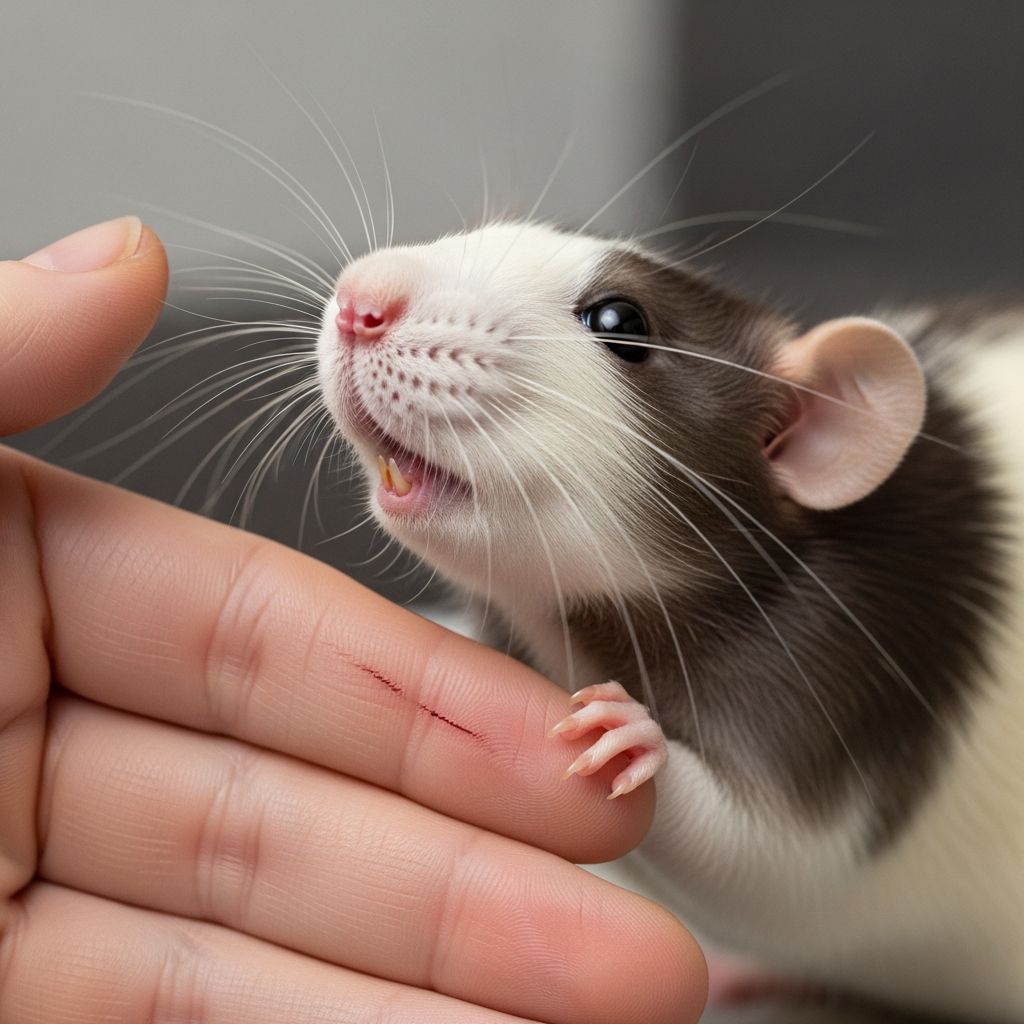
Rat bite fever (RBF) is a bacterial infection primarily transmitted through bites, scratches, or contact with bodily fluids from infected rodents, including popular pet rats. While pet rats are beloved companions, owners must be aware of this zoonotic disease to minimize health risks.
Understanding the Bacteria Behind Rat Bite Fever
The condition stems from two main bacterial culprits: Streptobacillus moniliformis and Spirillum minus. These microbes reside in the mouths, upper respiratory tracts, and sometimes urine or feces of rats and similar rodents without causing noticeable illness in the animals themselves. S. moniliformis is more common in North America, while S. minus prevails in Asia, though both can appear worldwide due to pet trade.
Pet rats, often kept as affectionate pets, can harbor these bacteria asymptomatically. Unlike wild rats, pet rats from reputable breeders have lower carriage rates, but transmission remains possible during play or handling.
How Rat Bite Fever Spreads from Pets
Transmission typically occurs via direct contact: bites or scratches introduce bacteria into the skin. Less commonly, exposure happens through rat urine, saliva, or feces contaminating open wounds or mucous membranes. Pet owners face risks during feeding, cuddling, or cleaning cages.
- Bites from playful nips during interaction.
- Scratches from nails during handling.
- Indirect contact via contaminated bedding or water bowls.
Notably, RBF does not spread person-to-person, limiting outbreaks to individual exposures. Cases are reported globally, with higher incidence in the U.S. and Asia among pet owners and lab workers.
Recognizing Early Warning Signs
Symptoms emerge days after exposure, varying by bacterial type. For S. moniliformis, signs appear 3-10 days post-contact; for S. minus, 7-21 days. Initial bite wounds often heal quickly, masking the issue until systemic symptoms hit.
| Bacterial Type | Common Symptoms | Onset Time |
|---|---|---|
| S. moniliformis | Fever, chills, headache, muscle/joint pain, maculopapular rash (hands/feet), vomiting | 3-10 days |
| S. minus | Fever, chills, open sore at bite site, red/purple rash, swollen lymph nodes | 7-21 days |
Flu-like onset includes high fever (up to 104°F), severe headaches, and nausea. About 75% develop rashes; 50% experience joint swelling. Untreated, symptoms recur in waves for weeks or months. Children may show milder signs initially but require prompt care.
Health Complications if Ignored
Without treatment, RBF can escalate. Complications include endocarditis (heart valve infection), abscesses in brain or soft tissues, and parotid gland inflammation. Joint issues may persist as migratory polyarthritis, and rare cases involve lung or organ failure. Mortality reaches 10-15% in untreated adults, lower in children with access to care. Early intervention prevents these severe outcomes.
Swift and Effective Medical Treatments
RBF responds excellently to antibiotics if diagnosed early. Providers confirm via blood, joint fluid, or skin tests detecting bacteria or antibodies.
Standard regimens:
- Penicillin G: IV or injection for 7-14 days (first-line).
- Alternatives: Ampicillin, Ceftriaxone, Doxycycline (for penicillin-allergic).
- Oral transition: Amoxicillin or Penicillin V after improvement.
Complete the full course to avoid relapse. Most recover fully within weeks, though fatigue or joint pain may linger briefly. Post-bite prophylaxis with amoxicillin-clavulanate for 2-3 days reduces infection risk. Tetanus boosters are advised for wounds.
Prevention Strategies for Pet Rat Owners
Minimize risks through hygiene and handling practices. Supervise interactions, especially with children or immunocompromised individuals.
- Wash hands thoroughly after handling rats or cleaning enclosures.
- Trim rat nails regularly to prevent scratches.
- Clean cages daily, using gloves for waste removal.
- Select pets from vetted breeders; quarantine new rats.
- Avoid letting rats lick open wounds or face.
Immediate wound care post-bite: Irrigate with soap/water, apply antiseptic, bandage, and seek medical evaluation. Educate household members on symptoms for quick response.
Pet Rats as Safe Companions: The Facts
Despite RBF risks, pet rats are low-threat when managed properly. Incidence is rare; millions own rats without issues. Focus on sourcing healthy pets and hygiene yields rewarding ownership. Labs and breeders report minimal transmission with protocols. Compare risks:
| Risk Factor | Pet Rats | Wild Rats |
|---|---|---|
| Bacteria Carriage | Low (healthy stock) | High |
| Bite Severity | Mild, playful | Aggressive |
| Overall RBF Cases | <1% of owners | Urban exposures higher |
FAQs on Rat Bite Fever and Pet Ownership
Can my pet rat have RBF bacteria without symptoms?
Yes, rats often carry S. moniliformis or S. minus asymptomatically.
Is RBF fatal for humans?
Rarely with treatment; untreated mortality is 10-15%.
What if my child is bitten by our pet rat?
Clean wound immediately, monitor for fever/rash, consult pediatrician promptly.
Are there vaccines for RBF?
No human or rat vaccines exist; prevention relies on hygiene.
Can dogs or cats transmit RBF?
Rarely, if exposed to infected rodents.
Global Incidence and Research Insights
RBF cases cluster around pet rodent exposure in the U.S., with underreporting due to healed wounds obscuring history. Recent studies emphasize antibiotic stewardship to combat resistance. Veterinary oversight in breeding reduces prevalence. Owners should report bites to vets for flock health monitoring.
In summary, informed care makes pet rats joyful, low-risk pets. Stay vigilant for symptoms, act fast on treatments, and enjoy the bond safely.
References
- Rat-Bite Fever: Causes, Symptoms & Treatment — Cleveland Clinic. 2023-10-12. https://my.clevelandclinic.org/health/diseases/25153-rat-bite-fever
- Rat Bite Fever — HealthyChildren.org (American Academy of Pediatrics). 2023-05-15. https://www.healthychildren.org/English/health-issues/conditions/from-insects-animals/Pages/Rat-Bite-Fever.aspx
- Rat-bite Fever (RBF) — Virginia Department of Health. 2024-01-08. https://www.vdh.virginia.gov/epidemiology/epidemiology/epidemiology-fact-sheets/rat-bite-fever-rbf/
- Rat-bite fever — MedlinePlus (U.S. National Library of Medicine). 2023-11-20. https://medlineplus.gov/ency/article/001348.htm
- Rat Bite Fever — Center for Food Security & Public Health, Iowa State University. 2022-09-01. https://www.cfsph.iastate.edu/Factsheets/pdfs/rat_bite_fever.pdf
- Rat Bite Fever Fact Sheet — California Department of Public Health. 2023-07-14. https://www.cdph.ca.gov/Programs/CID/DCDC/CDPH%20Document%20Library/RatBiteFeverFactSheet.pdf
- About Rat Bite Fever (RBF) — Centers for Disease Control and Prevention. 2024-02-10. https://www.cdc.gov/rat-bite-fever/about/index.html
Similar Articles








Read full bio of Sneha Tete