

Understanding RAST Testing in Cats
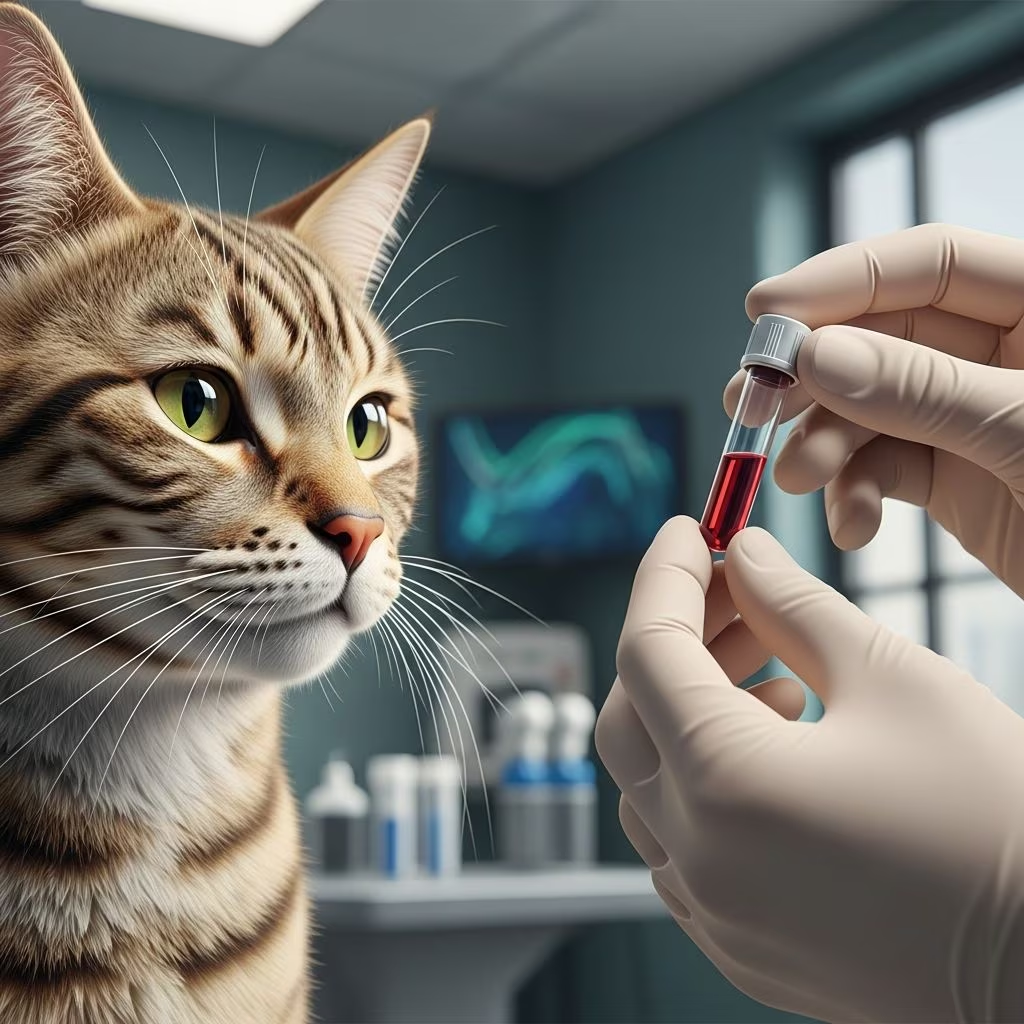
A RAST test, or radioallergosorbent test, is a blood test that can be used to determine whether a cat is allergic to certain things. This diagnostic tool has become increasingly valuable in veterinary medicine for cats experiencing allergic skin conditions. The test is often performed as part of the workup for atopy, which is a skin manifestation of inhalant allergy in cats. By identifying specific allergens that trigger your cat’s immune response, veterinarians can develop targeted treatment plans to improve your pet’s quality of life.
What is Atopic Dermatitis and How Is It Diagnosed?
Atopic dermatitis in cats represents an allergic inflammation of the skin that develops when a cat’s immune system overreacts to environmental allergens. The diagnostic process for this condition requires a systematic approach to rule out other potential causes of skin disease before confirming allergies as the underlying issue.
Initial Diagnostic Steps
The first step in working with a cat suspected of having allergic skin disease is to rule out non-allergic skin diseases. Your veterinarian may perform several diagnostic tests to eliminate other possibilities:
- Skin scrapes to rule out mange (skin mites)
- Fungal cultures to rule out ringworm
- Other tests based on your cat’s clinical signs and medical history
If these tests return negative results and your cat’s clinical signs and history are consistent with allergies, your veterinarian will diagnose your cat with allergic dermatitis. Additionally, skin cytology may be recommended to assess for secondary bacterial and yeast infections that commonly develop alongside allergic skin conditions.
Ruling Out Food and Flea Allergies
Once allergic dermatitis has been diagnosed, further testing is needed to determine the cause of your cat’s allergies. Atopy is considered a diagnosis of exclusion, meaning that your veterinarian must first definitively rule out food allergy and flea allergy. Improved flea control may be used to rule out flea allergy, while a food trial must be used to rule out food allergy. This methodical approach ensures that any subsequent allergy testing provides accurate and actionable results.
The Role of Allergy Testing in Managing Atopy
While some cases of atopy can be managed with symptomatic treatments alone, it is often helpful to determine which specific allergens trigger a reaction in your cat. Understanding these specific allergens allows your veterinarian to recommend targeted treatments that address the root cause of your pet’s condition rather than merely treating the symptoms.
Hyposensitization Treatment
Identified allergens can be used in hyposensitization treatment for your cat, also known as allergen-specific immunotherapy (ASIT). Hyposensitization involves giving your cat a small quantity of the offending allergens in a series of injections or liquid administered under the tongue. This gradual exposure helps build up immune tolerance to the specific allergens over time. The treatment protocol typically involves an initial escalation phase followed by a maintenance phase that may continue for months or years.
The effectiveness of hyposensitization is notable: approximately 60-80% of cats experience improvement with this treatment approach. However, it is important to understand that benefits may take some time to become apparent, and some cats require lifelong therapy to maintain control of their allergic symptoms.
RAST Testing vs. Intradermal Skin Testing
When it comes to identifying environmental allergens in cats, veterinarians have traditionally relied on intradermal skin testing. However, RAST testing presents a practical alternative with several advantages that make it accessible to more cat owners.
Intradermal Skin Testing: The Traditional Gold Standard
While intradermal skin testing has long been regarded as the “gold standard” in determining the cause of atopic dermatitis, it is only performed by veterinary dermatologists. Clients seeking intradermal testing for their cats must travel to a dermatologist, which may not be available to all pet owners, as not all areas have dermatologists and the cost can be prohibitively high. Additionally, intradermal skin testing requires your cat to be sedated. Large areas of your cat’s coat must be shaved to allow the injection sites to be monitored for a reaction, which can be stressful for both the pet and the owner.
RAST Testing: A More Accessible Option
In contrast, RAST testing requires only a single blood sample. This blood sample can be drawn by your regular veterinarian during a routine wellness visit, eliminating the need for referral to a specialist. The blood sample is submitted to a reference laboratory for analysis. Most importantly, no sedation or anesthesia is needed, and your cat will not need to have hair shaved for this test. This makes RAST testing significantly less stressful for cats and more convenient for their owners.
Other Testing Methods to Avoid
You may read or hear about allergy testing offered on saliva or hair, but there is little evidence to support the validity of these tests, and they are not recommended by most veterinarians. When considering allergy testing for your cat, it is best to focus on evidence-based methods like RAST or intradermal testing.
Medications and RAST Testing
One significant practical advantage of RAST testing is that in many cases, it can be performed while cats are receiving their regular allergy medications. This contrasts sharply with intradermal testing, which typically requires that cats be off medication for a prolonged period before testing. For cats with severe allergic disease, discontinuing medications may not be possible without causing significant discomfort, making RAST testing the more practical choice.
Understanding the Limitations of RAST Testing
While RAST testing offers many advantages, it is important to understand its potential drawbacks compared to intradermal testing.
False Positive Results
Historically, RAST testing has been associated with a higher rate of false positive test results, or positive results that cannot be confirmed with intradermal skin testing. This has raised questions about the reliability of the test in identifying true allergens. However, in a practical sense, evidence suggests that most cats treated with hyposensitization based on RAST results still experience a significant improvement in their skin disease. This real-world effectiveness has made RAST testing a valuable tool despite theoretical limitations.
Selecting a Reliable RAST Testing Company
While multiple companies may offer RAST testing, not all are equally reliable. Your veterinarian may consult with a local dermatologist, if possible, to see what company they recommend. This professional guidance helps ensure that you receive accurate results from a reputable laboratory.
Food Allergen Testing Considerations
Some RAST testing panels also include testing for food allergens, but the results are controversial and do not replace an elimination diet trial. If you suspect your cat has a food allergy, the most definitive diagnostic approach remains a carefully conducted elimination diet under veterinary supervision. The results of RAST testing for food allergies are generally regarded as inaccurate in cats.
When RAST Testing Is Most Valuable
It is important to understand that RAST testing is typically only worthwhile if you plan to pursue hyposensitization for your cat. The test cannot be used to diagnose atopic dermatitis, only to identify the underlying cause of already-diagnosed atopic dermatitis. Therefore, RAST testing should only be considered after your veterinarian has confirmed that your cat has allergic skin disease through clinical diagnosis and exclusion of other causes.
Interpreting RAST Results
In most cases, the allergens identified on RAST testing represent a wide variety of weeds, trees, grasses, molds, and other environmental allergens. Avoidance of these substances is typically not very practical for most cats and their owners; therefore, the true benefit of this test lies in guiding the formulation of hyposensitization therapy. Rather than attempting to eliminate exposure to identified allergens, the goal is to desensitize your cat’s immune system to these substances through targeted immunotherapy.
Comparison of Allergy Testing Methods for Cats
| Testing Method | Sample Required | Sedation Needed | Time to Results | Best For | Limitations |
|---|---|---|---|---|---|
| RAST Testing | Single blood sample | No | 1-2 weeks | Environmental allergies; cats on medications | Higher false positive rate; not reliable for food allergies |
| Intradermal Testing | Skin injections | Yes | 15-30 minutes | Environmental allergies (gold standard) | Requires specialist; expensive; requires medication washout |
| Elimination Diet | Dietary change | No | 6-12 weeks | Food allergies (definitive diagnosis) | Time-consuming; requires strict compliance |
| Saliva/Hair Testing | Saliva or hair sample | No | Variable | Not recommended | Lack of scientific evidence; unreliable results |
Frequently Asked Questions About RAST Testing in Cats
Q: Is RAST testing painful for my cat?
A: No, RAST testing is not painful. Since it requires only a single blood sample drawn by your veterinarian, it causes minimal discomfort—similar to a routine blood draw during a wellness visit. No sedation is required, making it a low-stress procedure for your cat.
Q: Can I use RAST testing to diagnose allergies in my cat?
A: No, RAST testing cannot be used to diagnose allergies. It can only identify specific allergens in a cat that has already been clinically diagnosed with atopic dermatitis. Your veterinarian must first confirm allergic skin disease through physical examination and by ruling out other causes of skin disease.
Q: How long does it take to get RAST test results?
A: RAST test results typically return within one to two weeks. Your veterinarian’s office will contact you with the results and discuss the next steps in treatment planning based on the identified allergens.
Q: Can my cat remain on allergy medication during RAST testing?
A: Yes, in many cases, RAST testing can be performed while your cat is receiving regular allergy medications. This is one significant advantage over intradermal testing, which typically requires cats to discontinue medications for an extended period before testing.
Q: What happens after RAST test results come back?
A: Once results are available, your veterinarian will discuss the identified allergens and whether hyposensitization therapy is appropriate for your cat. This treatment involves gradually exposing your cat to small amounts of the offending allergens to build immune tolerance over time.
Q: How accurate is RAST testing compared to intradermal testing?
A: While RAST testing has historically been associated with a higher rate of false positive results, most cats treated with hyposensitization based on RAST results still experience significant improvement in their skin disease. For practical purposes, RAST testing proves effective for identifying allergens worth targeting with immunotherapy.
Q: Is RAST testing recommended for food allergies?
A: RAST testing for food allergens is controversial and not reliable for diagnosing food allergies in cats. If food allergy is suspected, your veterinarian will recommend an elimination diet trial, which is the only definitive way to diagnose food allergies.
Q: How much does RAST testing cost?
A: The cost of RAST testing varies by veterinary practice and laboratory, but it is generally less expensive than intradermal testing performed by a dermatologist. Your veterinarian can provide you with specific pricing information.
Q: Will my cat need to have fur shaved for RAST testing?
A: No, your cat will not need to have any fur shaved for RAST testing. Unlike intradermal testing, which requires shaving large areas to monitor injection sites, RAST testing requires only a blood sample and involves no skin preparation.
Key Takeaways About RAST Testing for Cats
RAST testing represents an accessible and practical approach to identifying environmental allergens in cats with confirmed atopic dermatitis. The test requires only a single blood sample that your regular veterinarian can obtain during a routine visit, eliminating the need for specialist referral, sedation, or anesthesia. While intradermal testing remains the theoretical gold standard, RAST testing delivers real-world effectiveness for most cats, with approximately 60-80% experiencing improvement when treated with hyposensitization based on RAST results.
The primary value of RAST testing lies not in diagnosing allergies, but in identifying specific allergens that can be used to formulate personalized immunotherapy treatments. This targeted approach offers a path toward long-term relief for cats suffering from atopic dermatitis, potentially reducing the need for ongoing symptomatic medications. When considering allergy testing for your cat, discuss both RAST and intradermal options with your veterinarian to determine which approach best suits your pet’s individual needs and circumstances.
References
- RAST Testing in Cats — VCA Animal Hospitals. Accessed November 2025. https://vcahospitals.com/know-your-pet/rast-testing-in-cats
- Cat Allergies: Diagnosis and Management — Taylor Animal Hospital. Accessed November 2025. https://www.tahofparkville.com/services/cats/allergies
- Understanding Allergy Testing for Dogs and Cats — Golden Heart Veterinary Care. March 2025. https://www.goldenheartvetcare.com/blog/understanding-allergy-testing-for-dogs-and-cats
- Food Allergy in the Cat: A Diagnosis by Elimination — National Center for Biotechnology Information (NIH/PMC). June 2024. https://pmc.ncbi.nlm.nih.gov/articles/PMC11220937/
- Allergies of Cats – Cat Owners — Merck Veterinary Manual. Accessed November 2025. https://www.merckvetmanual.com/cat-owners/skin-disorders-of-cats/allergies-of-cats
- Does My Dog or Cat Need an Allergy Test? — Unleashed Veterinary Dermatology. Accessed November 2025. https://www.unleashedvetderm.com/allergy-test-for-my-dog-or-cat/
- Allercept™ Testing: Allergen-Specific Immunotherapy — Antech Diagnostics. Accessed November 2025. https://www.antechdiagnostics.com/antech-product/allercept-testing/



