

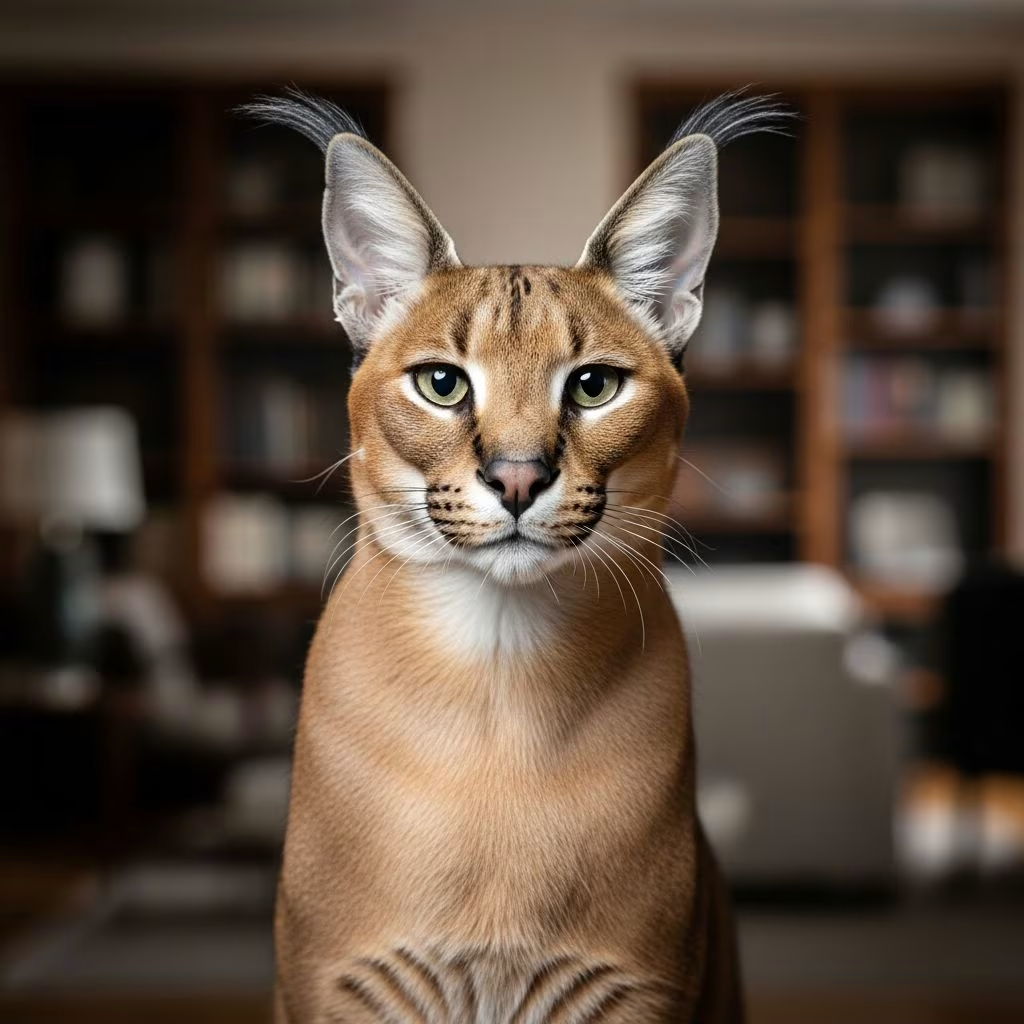
While common cat breeds dominate households, a select group of felines remains shrouded in rarity, captivating breeders and enthusiasts with their scarcity and singular qualities. These breeds often trace origins to remote regions, accidental mutations, or meticulous preservation efforts, resulting in populations too small for widespread fame. This article delves into 15 such extraordinary cats, highlighting their physical distinctions, temperaments, historical backgrounds, and practical considerations for potential owners. Understanding these rarities not only celebrates feline diversity but also underscores the dedication required to sustain them.
Origins of Feline Rarity
Rare cat breeds emerge through diverse pathways: natural evolution in isolated environments, spontaneous genetic anomalies, or intentional human breeding programs aimed at preserving unique traits. For instance, many trace back to ancient lineages, like those revered in Thai temples, while others arose from 20th-century crosses in farms or labs. Factors contributing to their scarcity include limited gene pools, geographic isolation, vulnerability to diseases, and low breeding numbers due to stringent standards set by organizations like the Cat Fanciers’ Association (CFA) and The International Cat Association (TICA).
Global registries track these populations meticulously. The CFA, for example, registers fewer than 7,000 Egyptian Maus worldwide, underscoring their elite status. Similarly, TICA data reveals under 100 Kurilian Bobtails in the U.S., emphasizing how export restrictions and habitat specificity confine many to their birthplaces.
Top Rare Breeds and Their Unique Traits
Below, we profile standout rare breeds, organized by region of origin for clarity. Each offers a blend of aesthetic allure and behavioral quirks that set them apart from everyday companions.
Asian Enigmas
- Korat: Hailing from Thailand, this ancient breed, dating to the 14th century, was once a gift reserved for royalty and temple dwellers. Known as Si-Sawat, symbolizing good fortune, Korats boast a silver-tipped blue coat and heart-shaped heads. They mature slowly, exhibiting playful problem-solving skills, such as opening doors, and excel at fetch. Their loyalty borders on bossiness around other pets.
- Khao Manee: Dubbed the \”Diamond Eye Cat\” for striking blue, gold, or odd-colored eyes against pure white fur, this Thai treasure embodies purity in folklore. Curious and fetch-loving, they thrive on interaction, making them ideal for active homes. Their rarity stems from temple-exclusive breeding historically.
- Havana Brown: Originating from 1950s England via Siamese and Russian Blue crosses, these mahogany-coated cats feature solid chocolate hues without markings. Outgoing explorers, they paw at objects and nap affectionately. A near-extinction in the 1990s prompted revival efforts, boosting numbers modestly.
Island and Forest Dwellers
- Kurilian Bobtail: From Russia’s Kuril Islands over 200 years ago, these adaptable hunters sport pom-pom tails with 2-10 kinked vertebrae, each uniquely shaped. Intelligent leapers with mousing prowess, they display goofy, trainable personalities suited for families.
- Sokoke Forest Cat: Kenya’s natural breed, once called African Shorthair, features long legs, short coarse tabby coats, and camouflage patterns for forest life. Agile and independent, they fare best as solo pets due to disease susceptibility outside Africa.
- Norwegian Forest Cat: Scandinavia’s \”Skogkatt,\” a natural breed honed by harsh winters, possesses water-resistant double coats, tufted ears, and muscular builds. Adventurous climbers, they retain wild vigor despite domestication.
Mutation Marvels
- LaPerm: Born in 1982 from a curly-coated barn cat in Oregon, this breed’s kinked fur, whiskers, and eyebrows create a permed look across myriad colors. Low-shedding and possibly hypoallergenic, they are affectionate followers eager for family involvement.
- Burmilla: An accidental 1981 UK mating of Chinchilla Persian and Burmese yielded shimmering silver-shaded coats. Gentle yet independent, these quiet charmers demand attention without clamor, ideal for serene households.
- American Bobtail: A U.S. mutation producing short, flexible tails on rugged, wild-like bodies. Slow-maturing with kittenish energy into adulthood, they enchant with bobbed appeal and sociable natures.
Speed and Spotted Wonders
- Egyptian Mau: With naturally spotted coats in six colors, this speedster hits 30 mph, linking to domestic cat ancestry. Playful and ancestral, fewer than 7,000 CFA registrations cement their rarity.
| Breed | Coat Type | Distinctive Feature | Size | Origin |
|---|---|---|---|---|
| Korat | Short, silver-tipped | Heart-shaped head | Medium | Thailand |
| Kurilian Bobtail | Medium, any color | Pom-pom tail | Medium | Russia |
| LaPerm | Curly, multi-color | Kinked whiskers | Small-Medium | USA |
| Sokoke | Short, tabby | Long legs | Medium | Kenya |
| Burmilla | Shaded silver | Shimmering effect | Medium | UK |
Temperament and Lifestyle Fit
Rare breeds often mirror their origins in personality. Temple cats like Korat and Khao Manee demand respect and engagement, excelling with puzzle toys. Island natives such as Kurilian Bobtails adapt well, training like dogs for tricks. Mutation breeds like LaPerms integrate seamlessly, shadowing owners with gentle taps.
However, rarity brings challenges. Limited genetic diversity heightens health risks, necessitating vetted breeders. Many, like Sokoke, require single-cat homes to avoid illness. Active types suit spacious environments; sedentary ones prefer laps.
Care Essentials for Rare Cats
Maintaining these breeds demands precision. High-quality diets support coat health—omega fatty acids for shimmering Burmillas, protein for athletic Maus. Grooming varies: minimal for short-coated Sokokes, weekly brushing for LaPerm curls to prevent matting.
Veterinary care is paramount; annual checkups monitor breed-specific issues like heart conditions in Havana Browns. Early socialization fosters their sociable sides. Enrichment through climbing trees and fetch prevents boredom-induced mischief.
Breeding and Preservation Efforts
Organizations like CFA and TICA enforce strict pedigrees, with programs rescuing breeds from decline, as with Havana Browns post-1990s. Ethical breeders prioritize health testing, limiting litters to sustain viability without overbreeding. Adopting from rescues amplifies impact, as rare mixes surface occasionally.
FAQs
Why are some cat breeds so rare?
Rarity arises from small populations, geographic limits, health vulnerabilities, and selective breeding standards.
Are rare cats good for families?
Many, like Kurilian Bobtails, are adaptable and affectionate, but assess energy levels and space needs.
Can rare breeds be hypoallergenic?
LaPerms shed minimally, offering relief, though no breed is fully hypoallergenic.
How do I find a rare breed kitten?
Seek CFA/TICA-registered breeders; avoid mills. Waitlists are common due to scarcity.
Do rare cats cost more?
Yes, prices range $1,500-$5,000+, reflecting breeding costs and exclusivity.
Why Pursue a Rare Breed?
These felines offer unparalleled bonds, turning homes into adventures with their quirks—from fishing Flat-headed cats (wild kin) to diamond-eyed mystics. Their preservation honors feline heritage, rewarding patient owners with loyal, one-of-a-kind companions.
References
- 30 Rarest Cat Breeds & Cat Species You Should Know About — cats.com. 2023. https://cats.com/rare-cat-breeds
- 10 rare cat breeds you might not know about — Wisdom Panel. 2024. https://www.wisdompanel.com/en-us/blog/10-rare-cat-breeds
- Rare and Unusual Breeds — Cat Fanciers’ Association (CFA). 2023. https://cfa.org/cat-talk/rare-and-unusual-breeds/



