

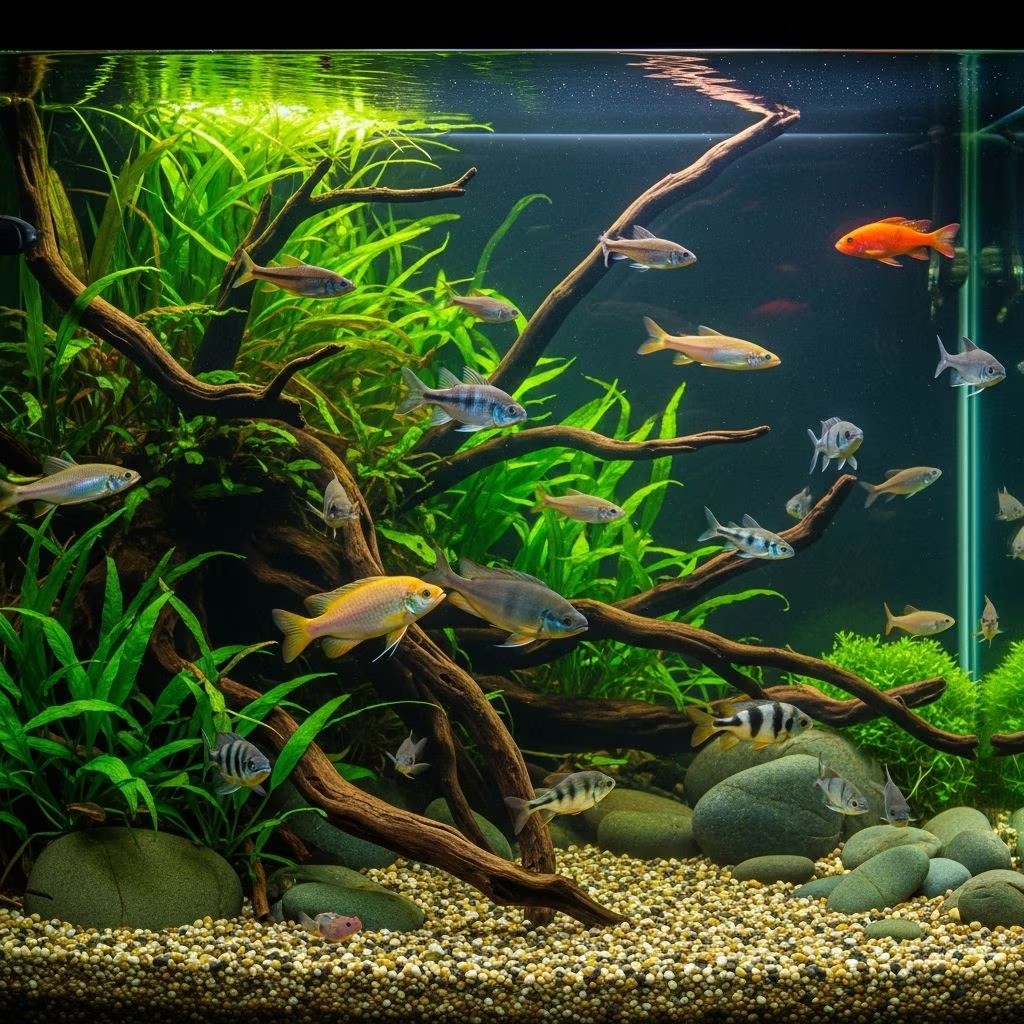
Rare Freshwater Aquarium Fish: A Complete Guide to Exotic Species
The aquarium hobby offers enthusiasts the opportunity to keep and care for some of the most fascinating creatures on the planet. While common goldfish and tetras are popular choices, many aquarists seek the thrill of maintaining rare and exotic freshwater fish species. These remarkable creatures often feature stunning colors, unique behaviors, and interesting adaptations that make them prized additions to specialized aquariums. However, keeping rare freshwater fish comes with significant responsibility, as many of these species face threats in their natural habitats due to habitat destruction, pollution, and overcollection for the aquarium trade.
Understanding Rare Freshwater Fish Species
Rare freshwater fish are species that have limited populations in the wild, often confined to specific geographic regions or particular water conditions. These fish frequently command higher prices in the aquarium trade and require specialized care to thrive in captivity. The rarity of these species can stem from various factors including restricted natural habitats, specific environmental requirements, or conservation concerns that limit their availability. Understanding what makes these fish rare and the threats they face is essential for any aquarist considering their acquisition.
Many rare freshwater fish species are endemic to specific river systems or regions, meaning they are found nowhere else in the world in their natural state. This geographic limitation makes them particularly vulnerable to environmental changes and human activities. Habitat destruction through dam construction, water pollution, and agricultural development poses significant threats to wild populations.
Popular Rare Freshwater Aquarium Fish Species
Zebra Pleco
The Zebra Pleco stands out as one of the most sought-after rare freshwater fish in the aquarium hobby. Known for its distinctive bold black-and-white striped pattern, this bottom-dwelling species originates from the Xingu River in Brazil. The fish thrives in fast-flowing waters with plenty of rock cover, which it uses for shelter and feeding. In aquariums, the Zebra Pleco requires similar conditions with strong water flow and numerous hiding places among rocks and driftwood.
Unfortunately, the Zebra Pleco has become critically endangered in the wild due to overcollection for the aquarium trade combined with habitat alteration caused by the Belo Monte Dam. This situation highlights the ethical considerations involved in keeping rare fish species. Responsible aquarists should research the conservation status of species before purchasing them and support captive breeding programs when available.
Imperial Flower Loach
The Imperial Flower Loach represents another stunning rare freshwater fish prized for its bright yellow and black coloration and elongated body shape. Found in the upper reaches of the Yangtze River in Asia, this elusive species prefers clear, fast-moving waters where it hunts small aquatic invertebrates. The Imperial Flower Loach displays active foraging behavior and requires aquariums with strong water circulation and ample space for swimming.
Like many Yangtze River species, the Imperial Flower Loach faces significant conservation challenges. Habitat destruction, water pollution, and extensive dam construction have dramatically reduced its wild populations. The species requires pristine water conditions and a specialized diet of small live foods or high-quality frozen alternatives, making it suitable only for experienced aquarists.
Devils Hole Pupfish
The Devils Hole Pupfish represents an extraordinary example of a critically endangered fish species with an incredibly limited natural range. This tiny fish, measuring just shy of an inch in length, exists exclusively in the Devils Hole geothermal pool located in the Mojave Desert of Nevada, USA. The species exhibits iridescent blue and green coloration and has adapted to survive in extreme environmental conditions including high temperatures and specific water chemistry.
The Devils Hole Pupfish population, residing in what is considered the world’s smallest vertebrate habitat, has faced numerous challenges from groundwater pumping and human activity affecting water levels. However, conservation efforts have shown remarkable success, with the population rebounding to a 25-year high of 191 individuals. This species is extremely rare in the aquarium trade and is primarily maintained in specialized research facilities and dedicated conservation programs rather than private collections.
Finescale Splitfin
Endemic to the Mexican state of Jalisco, the Finescale Splitfin represents a critically endangered species with significant conservation concerns. This bottom-dwelling fish prefers clear streams and creeks with rocky riffles and abundant green algae. The Finescale Splitfin typically inhabits areas with moderate to swift currents and requires similar conditions in captivity.
The species faces severe threats from habitat loss and degradation, competition with introduced species, and severe droughts in its native region. Conservation efforts focus on maintaining captive populations and restoring natural habitats. Aquarists interested in this species should source them only from reputable breeders committed to conservation and genetic diversity.
Alabama Sturgeon
The Alabama Sturgeon is a critically endangered freshwater fish native to the Mobile River basin of Alabama and Mississippi in the USA. This large species prefers sandy substrates in the lower Alabama River and other coastal plain rivers. The Alabama Sturgeon represents one of the most threatened fish species in North America, with populations devastated by extensive habitat loss and alteration due to dam construction and navigation projects.
Historical overfishing further depleted wild populations, and recovery efforts remain challenging. The Alabama Sturgeon is extremely rare in the aquarium trade due to its size requirements, protected status, and the specialized care it demands. Only experienced aquarists in large-scale facilities might consider keeping this species, and only with proper permits and adherence to conservation protocols.
Diamond Darter
The Diamond Darter stands as one of North America’s most critically endangered freshwater fish, with an extraordinarily limited range. This species exists only in a small portion of the Elk River in West Virginia, with fewer than 19 individuals collected in the past 30 years. The Diamond Darter has been extirpated from most of its historical range due to habitat loss and degradation caused by coal mining, oil and gas development, and inadequate wastewater treatment.
This species is essentially unavailable in the aquarium trade and exists primarily in specialized research and conservation facilities. Its extreme rarity and protected status make it a symbol of the urgent need for habitat restoration and water quality improvement in its native region.
Damba Mipentina
The Damba Mipentina is a critically endangered cichlid fish endemic to northwestern Madagascar. This species has experienced drastic population declines due to severe fishing pressure, habitat destruction, and the introduction of invasive species, particularly the Asian Snakehead. The Damba Mipentina typically inhabits specific water conditions found only in limited areas of Madagascar.
Conservation status for this species remains precarious, and efforts focus on protecting remaining wild populations and maintaining captive breeding populations. Aquarists interested in Madagascar endemic fish should seek specimens from established captive breeding programs rather than wild-caught individuals.
Reedfish (Snakefish)
Also known as the Snakefish, the Reedfish displays a unique eel-like body with a distinctive rope-like pattern. This remarkable species possesses exceptional adaptations that allow it to survive in harsh conditions. The Reedfish can breathe both in water and air, tolerating low-oxygen environments and even surviving out of water for up to 8 hours thanks to a specialized lung-like organ.
These unusual adaptations make the Reedfish fascinating for specialized aquarists. The species requires spacious aquariums with hiding places, as it prefers to remain concealed during daylight hours. Its ability to breathe air means it can survive brief periods outside water, though this adaptation should never be intentionally tested in captivity.
Habitat Requirements for Rare Freshwater Fish
Successfully maintaining rare freshwater fish requires understanding their specific habitat needs derived from their wild environments. Most rare species have evolved to thrive in particular water conditions that differ significantly from typical community aquarium parameters.
Water Flow and Circulation
Many rare freshwater fish species originate from river environments with strong, consistent water flow. Species such as the Imperial Flower Loach and Zebra Pleco require powerful filtration systems that create substantial water movement. Adequate flow prevents stagnant areas, maintains oxygen levels, and simulates natural current patterns these fish depend on for foraging and reproduction.
Substrate and Decoration
Rocky substrates, driftwood, and cave structures are essential for most rare freshwater fish species. Bottom-dwelling species like the Zebra Pleco use rocks for shelter and as platforms for feeding. Creating multiple hiding places reduces stress and allows natural behaviors to emerge in captive environments.
Temperature and Water Chemistry
Different rare species require specific temperature ranges and water chemistry parameters. Geothermal species like the Devils Hole Pupfish need specialized temperature control, while river-dwelling species may require cooler, well-oxygenated conditions. Testing water regularly and maintaining stable parameters is crucial for species health and longevity.
Care Considerations for Rare Freshwater Fish
Keeping rare freshwater fish demands commitment, knowledge, and appropriate resources. These species typically require specialized diets, larger aquariums, and more sophisticated filtration than common aquarium fish.
Feeding and Nutrition
Rare fish species often have specific dietary requirements reflecting their natural feeding habits. Nocturnal bottom-feeders may need sinking pellets and vegetable matter, while predatory species require live or frozen prey. Researching the natural diet of your species and providing appropriate nutrition is essential for maintaining health and promoting breeding behavior.
Aquarium Size and Setup
Larger aquarium volumes provide greater stability in water parameters and reduce stress on rare fish species. Many rare species require minimum tank sizes considerably larger than commonly recommended, with strong filtration and regular maintenance schedules. Space for natural behaviors including swimming, foraging, and territorial displays is critical.
Compatibility and Social Structure
Understanding the natural social structure of rare species prevents aggression and stress-related illness. Some species are highly territorial, while others form loose aggregations in the wild. Researching breeding behavior and natural populations informs decisions about tank mates and stocking densities.
Conservation and Ethical Considerations
The rarity of certain freshwater fish species often reflects genuine conservation concerns in their native habitats. Responsible aquarium hobbyists should consider the environmental and ethical implications of acquiring rare specimens.
Supporting Captive Breeding
Purchasing fish from established captive breeding programs rather than wild-caught specimens supports conservation efforts and reduces pressure on declining wild populations. Many rare species are successfully bred in captivity, and choosing captive-bred fish ensures you’re not contributing to overexploitation of endangered populations.
Understanding Conservation Status
Learning about the IUCN conservation status of rare species informs purchasing decisions and breeding choices. Species listed as critically endangered require special consideration regarding acquisition and potential participation in conservation breeding programs.
Frequently Asked Questions
Q: What makes a freshwater fish species rare?
A: Freshwater fish become rare due to limited natural habitat ranges, specific environmental requirements, habitat destruction, overcollection for the aquarium trade, and natural population fluctuations. Many rare species are endemic to specific river systems or regions, making them inherently vulnerable to environmental changes.
Q: Are rare freshwater fish difficult to care for?
A: Most rare freshwater fish do require specialized care including specific water parameters, appropriate tank size, specialized diets, and particular habitat features. However, difficulty varies by species. Some rare fish are more challenging than others, and experience level should match the species’ requirements.
Q: How can I ensure I’m purchasing responsibly bred rare fish?
A: Research reputable breeders and suppliers who can provide information about breeding lineage and fish origins. Ask questions about captive breeding status, genetic diversity, and conservation practices. Avoid purchasing wild-caught specimens when captive-bred alternatives are available.
Q: What aquarium size do rare freshwater fish require?
A: Tank size requirements vary significantly by species. Many rare fish require larger aquariums than typically recommended for common species. Research your specific species to determine appropriate minimum tank volumes, which may range from 20 gallons to several hundred gallons depending on the fish.
Q: Can rare freshwater fish be kept in community aquariums?
A: Most rare freshwater fish should not be housed in community aquariums due to their specific habitat needs, specialized diets, and often aggressive or sensitive temperaments. Species-specific aquariums allow proper care and reduce stress-related health issues.
Q: How do I maintain proper water parameters for rare fish?
A: Install reliable testing equipment and test water regularly for parameters like pH, ammonia, nitrite, and nitrate. Maintain consistent water changes, use appropriate filtration, and monitor temperature carefully. Many rare species have narrow parameter ranges that require attention to detail.
Q: What should I do if my rare fish shows signs of illness?
A: Consult with a veterinarian experienced with exotic fish or contact specialty fish forums and experts familiar with your species. Quick action to isolate the fish, test water parameters, and adjust conditions often prevents serious illness. Prevention through proper care is preferable to treatment.
References
- Top 11 Most Rare Freshwater Fish Species — Ocean Info. 2024. https://oceaninfo.com/list/rare-freshwater-species/
- U.S. Fish and Wildlife Service – Devils Hole Pupfish Recovery Program — U.S. Department of Interior. 2024. https://www.fws.gov/
- IUCN Red List of Threatened Species — International Union for Conservation of Nature. 2024. https://www.iucnredlist.org/
- 12 Rare Freshwater Fish (With Info & Pictures) — The Vet Desk. 2024. https://thevetdesk.com/pet-breeds/fish/rare-freshwater-fish/
- Freshwater Fish Conservation Guidelines — American Fisheries Society. 2023. https://www.fisheries.org/



