
Ram Fertility Assessment Guide: On-Farm Checklist
Comprehensive guide to evaluating ram reproductive health for optimal flock breeding success and higher lambing rates.
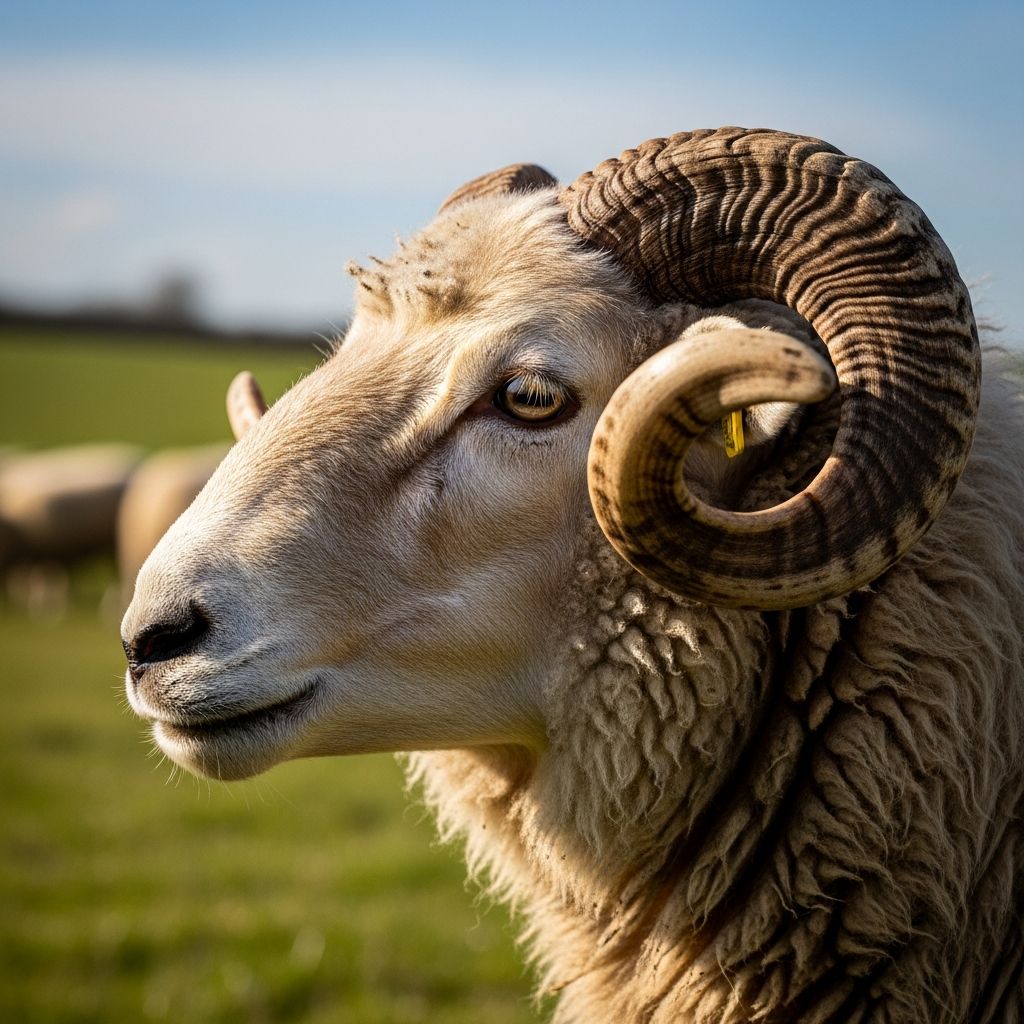
Assessing the reproductive capability of rams is a cornerstone of successful sheep farming. These evaluations help identify males capable of siring healthy offspring, reducing barren rates and improving overall flock productivity. By systematically checking physical health, reproductive structures, and semen characteristics, producers can make informed decisions about which rams to use in breeding programs.
Why Conduct Fertility Checks on Rams?
Farmers often overlook male fertility issues, yet up to 15% of rams may have substandard reproductive quality, leading to poor lambing outcomes. Regular assessments allow for early detection of problems like infections or structural defects, enabling timely interventions or culling. Performing these checks about 60 days before breeding season provides ample time for corrections and re-evaluations.
Key benefits include optimized ram-to-ewe ratios, potentially reducing from 3-3.5 rams per 100 ewes to as low as 1.5-2 rams per 100 when infertile males are eliminated. This not only cuts costs but also enhances genetic progress through selection of superior breeders.
Preparing for the Assessment
Schedule exams well in advance to avoid stress-induced semen quality drops, which can persist for weeks. Handle rams calmly, keeping them in sight of flock mates to minimize anxiety. Gather tools such as a measuring tape for scrotal size, microscope for semen analysis, and lubrication for rectal probes if electroejaculation is needed.
Review the ram’s history: past breeding records, lambing/kidding lengths, and medical treatments. Rams entering breeding should have no recent illnesses that could impair performance.
Step-by-Step Physical Evaluation
The process begins with a non-invasive observation and hands-on inspection to gauge overall fitness.
- Observe at Rest and Motion: Check respiration rate—normal at rest and during light movement. Note any labored breathing, indicating poor aerobic fitness for intense breeding activity.
- Body Condition Scoring (BCS): Palpate ribs and spine on a 1-5 scale (1=emaciated, 5=obese). Target 3.0-3.5 for optimal energy reserves without excess fat hindering mobility.
- Feet and Legs: Inspect for soundness, lameness, or footrot. Trim hooves 2 weeks pre-breeding if needed. Ensure easy movement without effort.
- Teeth and Mouth: Verify intact teeth for grazing efficiency.
- Skin and Lesions: Look for abscesses or signs of infections like epididymitis from Brucella ovis, common in range flocks.
Reproductive Organ Inspection
Focus on genitals as they directly impact fertility. Turn the ram for detailed palpation.
- Testicles: Should be firm (not hard or soft), symmetrical in size, and free of scars or abnormalities. One impaired testicle reduces capacity.
- Scrotal Circumference (SC): Measure at widest point. Critical indicator of sperm output—larger sizes correlate with higher production.
| Age Group | Exceptional SC (cm) | Satisfactory SC (cm) | Questionable SC (cm) |
|---|---|---|---|
| 8-14 months | >36 | 30-36 | <30 |
| >14 months | >36 (rams), >25 (bucks equiv.) | 30-36 | <30 |
Data adapted from standards; rams below minimums warrant scrutiny.
Examine prepuce, penis for defects, and epididymides for inflammation. Hypoplastic (underdeveloped) testicles signal unsatisfactory status due to low sperm yield.
Semen Collection Techniques
Obtaining a sample is key to evaluating gamete quality. Methods vary by setting.
- Artificial Vagina (AV): Preferred for natural ejaculation. Use a dummy or teaser ewe.
- Electroejaculation: Insert rectal probe, apply 4-8 second charges while massaging seminal vesicles. Repeat as needed.
Collect in warm containers to preserve viability. Assess immediately for volume, color (creamy white ideal), and debris absence.
Semen Quality Analysis
Microscopic review determines motility, concentration, and morphology.
- Motility: Progressive forward movement; >75% satisfactory for rams.
- Concentration: High sperm count per ml supports fertility.
- Morphology: Count 100-200 sperm; >70% normal forms acceptable.
Abnormalities like detached heads or coiled tails indicate issues. Any unsatisfactory category (SC, motility, morphology) classifies the ram as unsatisfactory.
Classification Criteria
| Category | Criteria | Action |
|---|---|---|
| Excellent | SC >36cm, motility >90%, morphology >90% | Prime breeder |
| Satisfactory | Meets minimums in all: SC ≥30cm, motility ≥75%, morphology ≥70% | Use confidently |
| Questionable | One parameter borderline | Recheck in 4-8 weeks |
| Unsatisfactory | Any fail; persistent issues | Cull or retire |
Young rams may improve; retest if promising. Questionable rams get second chance same day or later.
Common Fertility Issues and Solutions
Infections: Brucella ovis causes epididymitis; vaccinate flocks and cull affected.
Nutritional Deficits: Poor BCS from underfeeding lowers libido and output. Adjust diets pre-breeding.
Stress/Handling: Avoid rough treatment; impacts semen for weeks.
Age Factors: Older rams may decline; monitor annually.
Integrating Assessments into Farm Management
Incorporate BSEs into routine health protocols. Costs vary but pay off via higher conception rates. Veterinarians often handle semen work due to equipment needs. For range operations, BSEs enable leaner ram numbers on harsh terrains.
Post-exam, track performance: lambing percentages validate choices. Combine with ewe fertility checks for holistic breeding.
Frequently Asked Questions (FAQs)
When is the best time for a ram fertility exam?
About 60 days before breeding to allow fixes.
Can a ram improve from questionable to satisfactory?
Yes, especially young ones; recheck in 4-8 weeks.
What if I lack vet equipment?
Focus on physical and SC first; partner with vets for semen.
How many rams per ewe after BSE?
1.5-2.5 per 100 with proven sound males.
Does BCS affect semen quality?
Yes, extremes impair performance; aim 3-3.5.
Advanced Tips for Breeders
Monitor libido during collection—low drive flags issues. Use consistent standards across farms for comparable data. Genetic selection favors rams with superior SC and morphology for long-term gains.
In summary, diligent fertility assessments transform sheep operations by ensuring robust reproduction. Implement annually for sustained success.
References
- Breeding Soundness Exams in Small Ruminants — Kentucky Sheep & Goat. n.d. https://www.kysheepandgoat.org/post/breeding-soundness-exams-in-small-ruminants
- Ram Breeding Soundness Examination (BSE) — Perennia. 2018-04. https://www.perennia.ca/wp-content/uploads/2018/04/ram_breeding_soundness_examination.pdf
- Breeding Soundness Examinations of Rams and Bucks — Purdue Extension. n.d. https://www.extension.purdue.edu/extmedia/as/as-599-w.pdf
- Breeding Soundness Examination of Rams — Utah State University Extension. 1997-07. https://digitalcommons.usu.edu/context/extension_curall/article/1426/viewcontent/Breeding_Soundness_Examination_of_Rams.pdf
- Breeding soundness examinations of rams and bucks, a review — PubMed (Vet Clin North Am Food Anim Pract). 2006. https://pubmed.ncbi.nlm.nih.gov/16725487/
- Ram Breeding Soundness Exams — YouTube (UI-UW-USU Extension). 2021-10. https://www.youtube.com/watch?v=gp7gkg3d4jc
- GUIDELINES ON THE EXAMINATION OF RAMS FOR BREEDING — Sheep Veterinary Society. 2021-04. https://sheepvetsoc.org.uk/wp-content/uploads/2021/04/SVS-RAM-GUIDELINES.pdf
Similar Articles








Read full bio of Sneha Tete


