

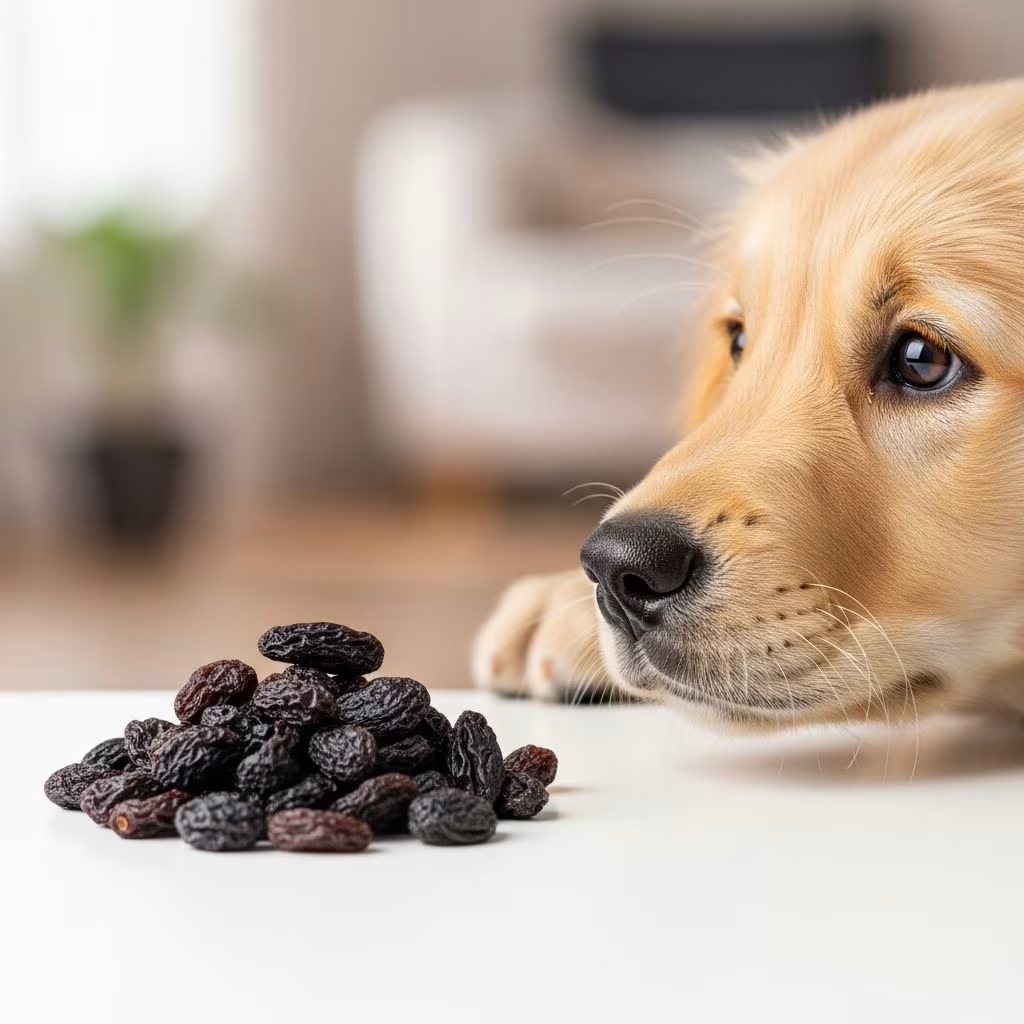
As a responsible pet owner, understanding which foods pose dangers to your canine companion is essential for their health and longevity. While raisins may seem like a harmless, natural treat that provides nutritional benefits for humans, they represent a significant health threat to dogs. This comprehensive guide explores the dangers of raisin consumption in dogs, the physiological mechanisms behind this toxicity, warning signs to monitor, and critical steps to take if accidental ingestion occurs.
The Danger of Raisins: A Serious Toxicity Concern
Raisins are fundamentally unsafe for dogs and should never be intentionally given as treats or allowed in their diet. These dried fruits, which are simply dehydrated grapes, carry concentrated levels of toxic compounds that can trigger severe health complications in canines. Unlike humans who can safely enjoy raisins as part of a balanced diet, dogs lack the physiological ability to process certain substances found in these fruits, making even small quantities potentially life-threatening.
The toxicity associated with raisins extends beyond the fruit itself. Many common foods contain raisins as an ingredient, including breakfast cereals, trail mixes, baked goods, granola bars, and confectionery items. Pet owners must remain vigilant about reading food labels and preventing accidental exposure to these hidden sources of danger. Additionally, raisin paste used as a sweetener in various snack foods can pose risks if pets gain access to these items.
Identifying the Toxic Culprit: What We Know About Raisin Poisoning
For decades, veterinarians and researchers puzzled over the exact mechanism causing grape and raisin toxicity in dogs. Recent scientific advancement has identified tartaric acid as a primary suspect in triggering these severe reactions. This naturally occurring compound is present in grapes and concentrated further when the fruit undergoes the drying process to become raisins.
However, the complete picture of raisin toxicity remains complex. Some veterinary experts suggest that dogs may struggle to metabolize specific compounds found in grapes, including flavonoids, tannins, and monosaccharides. The precise mechanism continues to be an area of ongoing research, but the practical reality is clear: the toxin’s identity matters less than understanding that raisins consistently pose serious health risks to dogs.
What makes this situation particularly challenging is the unpredictability of individual responses. Some dogs may consume grapes or raisins multiple times without apparent symptoms, while others may experience severe kidney damage from minimal exposure. This variability means that testing a dog’s tolerance to raisins is never advisable, as there is no way to predict how an individual animal will react until significant damage has already occurred.
Recognizing Raisin Toxicity: Symptoms and Timeline
Understanding the symptoms of raisin poisoning allows pet owners to respond quickly if accidental ingestion occurs. The timeline of symptom development is crucial information for determining the urgency of veterinary intervention.
Initial Warning Signs
The first signs of raisin toxicity typically emerge within 12 to 24 hours after ingestion. During this early phase, affected dogs may display gastrointestinal distress including:
- Vomiting or regurgitation (sometimes containing visible pieces of raisins)
- Diarrhea or loose stools
- Loss of appetite or refusal to eat
- Lethargy or unusual fatigue
- Abdominal discomfort or visible pain
Progressive Complications
As the condition advances, typically between 24 and 48 hours after consumption, more severe symptoms emerge as acute kidney injury develops. These include:
- Increased thirst and excessive water consumption
- Abnormally frequent urination or changes in urine output
- Persistent vomiting unresponsive to initial treatment
- Weakness or difficulty moving
- Difficulty breathing in severe cases
The Critical Importance of Timing
The window between initial symptoms and irreversible kidney damage is narrow. Rapid kidney failure can occur, and without prompt veterinary treatment, the prognosis becomes increasingly poor. The liver and kidneys bear the brunt of the damage, and once kidney function significantly declines, recovery becomes uncertain even with aggressive medical intervention.
Understanding the Risk: Why Some Dogs Are More Vulnerable
One of the most frustrating aspects of raisin toxicity is its unpredictability. Breed, age, size, and overall health status do not determine susceptibility. A young, healthy dog from any breed can suffer severe consequences, while another dog of similar characteristics might show no symptoms after consuming the same amount.
This unpredictability has led veterinary professionals to adopt a universal precautionary approach: assume that all dogs are potentially susceptible to raisin toxicity. This conservative stance exists because the consequences of underestimating risk—kidney failure and potential death—are too severe to warrant any other approach.
The severity of raisin toxicity also depends on concentration. Because raisins are dried fruits, they contain more concentrated levels of toxic compounds than fresh grapes. A single raisin represents more of the toxic substance than a single grape, making raisins particularly dangerous.
What to Do If Your Dog Consumes Raisins
Immediate Actions
If you discover that your dog has eaten raisins or a food containing raisins, immediate action is essential:
- Contact your veterinarian or emergency veterinary clinic without delay
- Provide information about the quantity consumed if possible
- Note the time of ingestion
- Avoid waiting for symptoms to develop; treat all ingestions as emergencies
- Have your dog’s medical history available when you arrive at the clinic
Veterinary Treatment Approaches
Upon arrival at a veterinary facility, treatment focuses on preventing kidney damage and supporting kidney function. Veterinarians may employ several strategies including induced vomiting to remove stomach contents if ingestion was recent, activated charcoal to bind remaining toxins, intravenous fluid therapy to support kidney function, and blood work to monitor kidney values. The specific treatment plan depends on the timing of intervention and the individual dog’s condition.
Raisins in Common Foods: Hidden Sources of Danger
Beyond whole raisins, numerous prepared foods contain these fruits as ingredients. Pet owners must be especially cautious with:
- Breakfast cereals and granola mixes
- Trail mix and snack combinations
- Granola bars and protein bars
- Baked goods including cookies and muffins
- Raisin bread and bagels
- Chocolate assortments and candy
- Christmas treats and holiday foods
Ensuring that family members and guests understand that these foods must be kept away from dogs is crucial, as well-intentioned visitors may offer treats without realizing the danger they pose.
Preventing Accidental Exposure
Home Safety Measures
Creating a raisin-free environment requires vigilance and communication:
- Store raisins and raisin-containing products in secure locations
- Dispose of raisin-containing food waste safely in sealed containers
- Educate family members about the toxicity risks
- Inform guests and caregivers about dangerous foods
- Supervise outdoor activities where raisins might be present
- Check ingredient lists on all human foods before allowing pets access
Safer Treat Alternatives
Dogs do not require raisins or grapes for proper nutrition. Numerous safe alternatives provide similar nutritional benefits and satisfy the desire to provide healthy treats. Safe fruit options include apple slices, bananas, blueberries, and watermelon (without seeds). Store-bought dog treats formulated specifically for canine nutritional needs also provide appropriate alternatives.
Special Considerations and Related Dangers
Grape-Related Fruits
Beyond standard raisins, other dried fruits from the Vitis species pose similar risks. Sultanas, Zante currants, and regular grapes all contain the same toxic compounds and should be avoided. Any member of the grape family should be considered potentially dangerous to dogs.
Processing Does Not Reduce Risk
Some pet owners wonder whether cooking, baking, or processing grapes and raisins reduces their toxicity. Unfortunately, processing methods such as baking, juicing, or pressing do not diminish the risk of poisoning. The toxic compounds remain present regardless of how the fruit is processed, making raisin bread, grape juice products, and other processed forms equally dangerous.
Frequently Asked Questions About Raisin Toxicity
- How many raisins are toxic to dogs?
- There is no safe threshold. Even a single raisin has the potential to cause acute kidney failure in susceptible dogs. Because individual responses are unpredictable, any amount should be considered dangerous.
- Can dogs develop tolerance to raisins with repeated exposure?
- No. The fact that a dog consumed raisins previously without showing symptoms does not indicate immunity or tolerance. Kidney damage can occur unpredictably at any time.
- What is the recovery rate for dogs treated for raisin toxicity?
- Recovery depends heavily on the timing and severity of treatment. Early intervention provides the best chance, but some dogs develop irreversible kidney damage despite aggressive treatment.
- Are certain dog breeds more susceptible to raisin toxicity?
- No breed is immune, and no breed is more susceptible. Toxicity can affect dogs of any breed, age, size, or health status.
- Should I induce vomiting at home if my dog eats raisins?
- Contact a veterinarian immediately for guidance. In some cases, inducing vomiting may be appropriate, but this should only be done under professional direction.
Conclusion: Protecting Your Canine Companion
Raisins represent a significant and often underestimated danger to dogs. The unpredictable nature of toxicity, the potential severity of kidney failure, and the narrow window for effective treatment make prevention the most reliable strategy. By understanding the dangers, recognizing symptoms, and maintaining awareness of hidden sources of raisins in common foods, pet owners can effectively protect their canine companions from this serious health threat. When in doubt about any food’s safety, consulting with a veterinarian provides the most reliable guidance for keeping your dog healthy and safe.
References
- What Happens if Dogs Eat Raisins? — VEG ER for Pets. https://www.veg.com/post/here-s-why-it-is-important-to-keep-raisins-away-from-your-dog
- Can Dogs Eat Raisins? — PetMD. https://www.petmd.com/dog/nutrition/can-dogs-eat-raisins
- My Dog Ate Grapes Or Raisins: Toxicity Symptoms & Treatment — Sash Vets. https://sashvets.com/pet-advice/dog-ate-grapes-raisins/
- Grape and Raisin Toxicity — Cornell University College of Veterinary Medicine. https://www.vet.cornell.edu/departments-centers-and-institutes/riney-canine-health-center/canine-health-information/grape-and-raisin-toxicity
- Grape, Raisin, Currant and Sultana Poisoning in Dogs — People’s Dispensary for Sick Animals (PDSA). https://www.pdsa.org.uk/pet-help-and-advice/pet-health-hub/conditions/grape-raisin-currant-and-sultana-poisoning-in-dogs
- Grape, Raisin, and Currant Poisoning in Dogs — VCA Animal Hospitals. https://vcahospitals.com/know-your-pet/grape-raisin-and-currant-poisoning-in-dogs



