

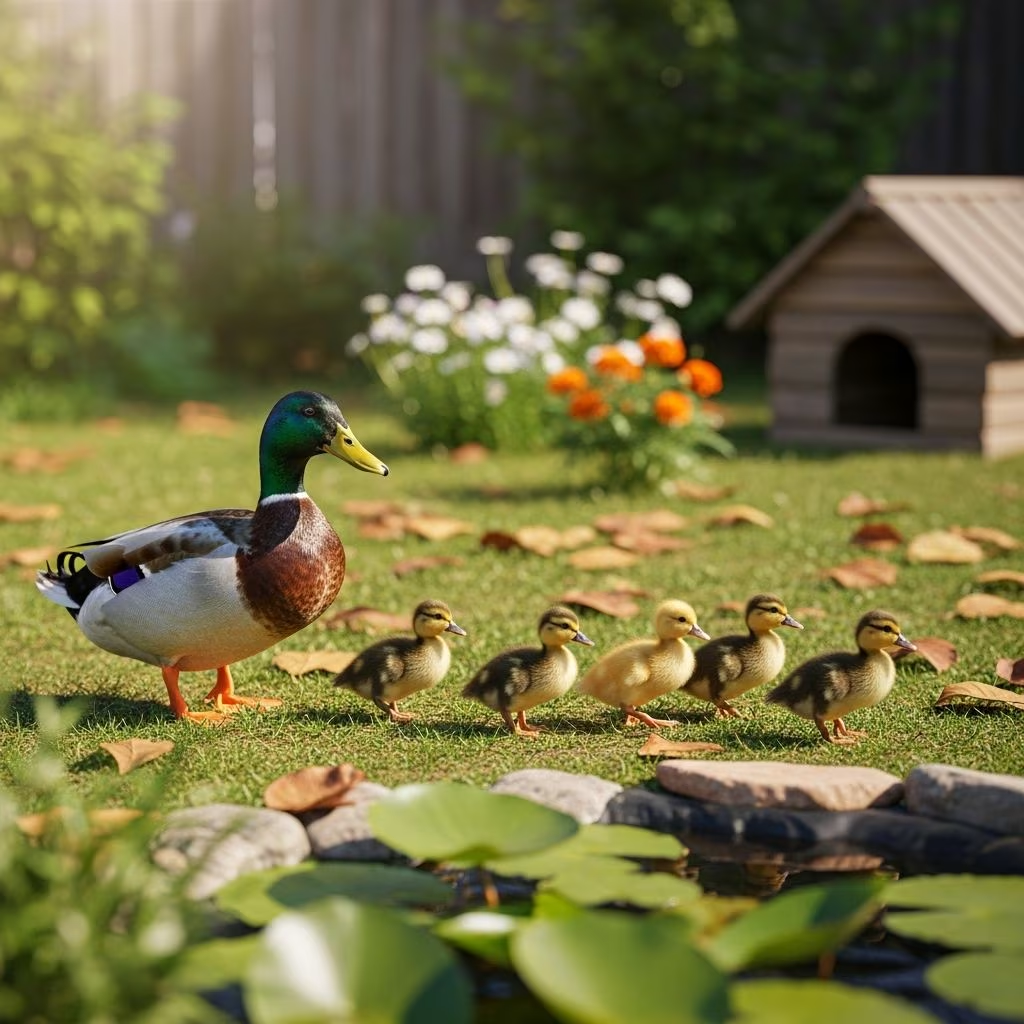
Ducks make engaging and entertaining backyard pets, offering years of companionship when provided with proper care. With lifespans reaching 10-15 years under good conditions, they reward dedicated owners with daily entertainment, fresh eggs, and natural pest control.
Why Choose Ducks Over Other Poultry?
Ducks stand out from chickens due to their friendly personalities and lower noise levels, making them ideal for suburban environments. Unlike chickens that roost high, ducks prefer ground-level resting and produce fewer disturbances at night. Their foraging habits help control slugs and insects, turning your yard into a more productive space.
Potential owners should assess their commitment level first. Ducks thrive in groups, requiring social interaction that solitary keeping cannot provide. Always plan for at least two, ideally three or more, to prevent loneliness and behavioral issues.
Selecting the Right Duck Breeds for Beginners
Start with hardy, docile breeds suited to pet life. Popular choices include:
- Indian Runner Ducks: Energetic upright walkers known for foraging prowess and steady egg production.
- Khaki Campbells: Excellent layers producing 250-300 eggs yearly, with calm temperaments.
- Muscovies: Quiet, broody birds that serve dual purposes as quiet companions and natural fly catchers.
- Welsh Harlequins: Beautifully feathered, friendly ducks balancing beauty and productivity.
Acquire ducklings from reputable hatcheries or breeders to ensure health. Avoid impulse purchases from feed stores, as they may carry diseases. Check local zoning laws before bringing ducks home, as some areas limit poultry numbers or require minimum lot sizes.
Setting Up Ideal Housing for Your Ducks
Ducks need secure, weatherproof shelters accessible at night. A basic duck house should feature:
- Draft-free design with good ventilation to prevent moisture buildup.
- At least 4 square feet per duck inside, plus 10-15 square feet in an enclosed run.
- Raised flooring with straw or wood shavings for bedding, changed weekly to maintain hygiene.
For outdoor runs, use sturdy fencing at least 3-4 feet high, buried 12 inches underground to deter diggers. Chicken wire works for most setups, but upgrade to hardware cloth near the base against rodents. Electric fencing adds protection in predator-heavy areas.
Incorporate a kiddie pool or shallow tub for bathing, ensuring easy entry and exit. Position it on concrete or gravel to minimize mud. Ducks require constant access to water deep enough to dunk their heads, cleaning nasal passages since they lack tear ducts.
Predator-Proofing Essentials
Common threats include foxes, raccoons, dogs, and hawks. Lock ducks in their house from dusk until dawn, herding them easily by extending your arms like wings. Daytime runs must fully enclose overhead with netting if aerial predators roam nearby. Inspect enclosures regularly for weak points.
Caring for Ducklings: The First Weeks
Newly hatched ducklings demand precise conditions for survival. Brooder setup includes:
| Age | Temperature | Bedding | Water Access |
|---|---|---|---|
| 0-1 week | 90-95°F | Pine shavings | Shallow chick waterers (no drowning risk) |
| 2-3 weeks | 85-90°F | Pine shavings | Supervised shallow tubs |
| 4+ weeks | Ambient (gradual) | Straw outdoors | Head-dunking depth |
Use a heat lamp in one brooder corner, allowing ducklings to self-regulate. Provide starter feed with 20% protein, supplemented with brewer’s yeast for niacin to prevent leg deformities. Transition outdoors around 4-5 weeks once feathered, acclimating gradually to avoid chills. Never leave unsupervised near deep water early on, as chilling or drowning risks are high.
Daily Feeding and Nutrition Plans
Ducks are omnivorous foragers needing balanced diets. Core requirements:
- Grower Feed: 16-18% protein for juveniles.
- Layer Pellets: 16% protein with calcium for egg production post-20 weeks.
- Niacin Boost: Add to feed or offer peas/greens daily.
- Grit: Free-choice for digestion.
Avoid layers mash, as it clumps in bills when wet. Offer treats sparingly: chopped veggies, fruits, mealworms. Ducks excel at pasture foraging, reducing feed costs while providing mental stimulation.
Maintain clean feeders and waterers, scrubbing daily. Ducks foul water quickly, so use nipple systems or overflow designs where possible.
Health Monitoring and Common Issues
Regular vet checkups with an avian specialist ensure longevity. Watch for:
- Niacin Deficiency: Limping or bowed legs—treat with supplements immediately.
- Worms: Test via fecal counts biannually; deworm as needed.
- Bumblefoot: Foot infections from dirty runs—clean and apply antibiotics.
- Respiratory Issues: Sneezing or nasal discharge signals overcrowding or dampness.
Vaccinate against common diseases if local risks exist. Quarantine new birds for 30 days.
Integrating Ducks with Family and Other Pets
Ducks bond strongly with humans, following owners eagerly. Supervise young children around water features to prevent accidents. Introduce slowly to dogs or cats, using barriers initially. Ducks rarely bully but may face aggression from size differences.
Daily and Weekly Maintenance Routines
Streamline chores with routines:
- Daily: Refresh water, feed, collect eggs, herd to shelter.
- Weekly: Change bedding, scrub pools, inspect for injuries.
- Monthly: Deep clean coop, trim nails if needed.
Mud management tips: Rotate pool locations, use sand/gravel bases, restrict wet-weather access.
Breeding and Egg Production Insights
Pet ducks lay 200-300 eggs yearly without artificial light. Collect daily to encourage production. For hatching, use experienced broodies like Muscovies or incubators at 99.5°F with 55-65% humidity.
Legal and Ethical Considerations
Verify ordinances on poultry limits and noise. Ethically, provide species-appropriate lives: space, companions, foraging. Rehome responsibly if circumstances change, never abandon.
Frequently Asked Questions
Can ducks live indoors?
No, ducks require outdoor access and produce excessive mess indoors.
How many ducks should I start with?
At least two, preferably three for social well-being.
Do ducks need a pond?
No, but they need water for head-dunking; kiddie pools suffice.
Are ducks noisy?
Less than chickens; females quack softly, males rasp quietly.
What is the best feed for pet ducks?
Breed-specific pellets with niacin supplements.
References
- Keeping and Caring for Your Pet Duck — Pet Assure. Accessed 2026. https://www.petassure.com/new-newsletters/keeping-and-caring-for-ducks-as-pets/
- Keeping Ducks & Geese As Pets — RSPCA. Accessed 2026. https://www.rspca.org.uk/adviceandwelfare/farm/farmanimals/ducksandgeese
- Beginners Guide to Keeping Ducks — Poultry Keeper. Accessed 2026. https://poultrykeeper.com/keeping-ducks/beginners-guide-to-keeping-ducks/
- Ultimate Guide to Raising Pet Ducks — Manna Pro. Accessed 2026. https://mannapro.com/blogs/news/guide-to-pet-ducks-flock-party
- A Beginner’s Guide to Keeping Ducks in Suburbia — Backyard Poultry. Accessed 2026. https://backyardpoultry.iamcountryside.com/poultry-101/a-beginners-guide-to-keeping-ducks-in-suburbia/



