

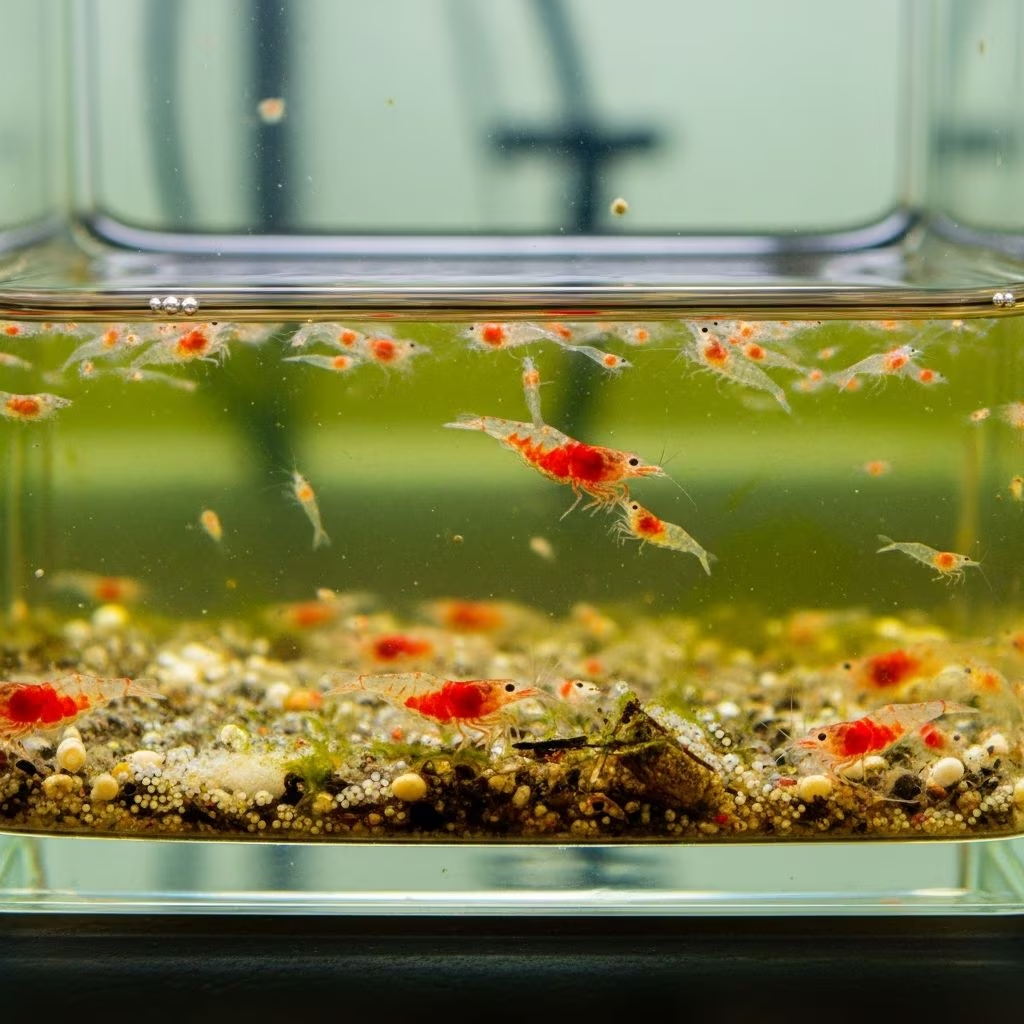
Brine shrimp, scientifically known as Artemia, have become one of the most popular live food cultures for aquarium enthusiasts and fish breeders worldwide. These tiny crustaceans offer numerous advantages as a food source, including high nutritional value, ease of cultivation, and remarkable longevity of their eggs. Whether you are a beginner looking to start your first culture or an experienced aquarist seeking to optimize your breeding program, understanding the fundamentals of brine shrimp husbandry is essential for success.
Understanding Brine Shrimp Biology and Lifecycle
Before beginning any cultivation project, it is important to comprehend the biological nature of brine shrimp and their developmental progression. Brine shrimp are crustaceans uniquely adapted to survive in environments with extreme salinity levels and fluctuating conditions. Their lifecycle encompasses multiple distinct phases, each with specific requirements for optimal development.
The brine shrimp lifecycle begins with dormant cysts, which represent one of the most remarkable biological adaptations found in nature. These cysts can remain viable for at least 10 years when stored in dry, cool conditions. This extraordinary longevity makes brine shrimp eggs an ideal choice for long-term storage and consistent availability. When environmental conditions are unfavorable, brine shrimp females produce these protected cysts rather than free-swimming larvae, ensuring species survival during harsh periods.
Newly hatched brine shrimp, called nauplii, emerge from their cystic shells after approximately 15-20 hours under ideal conditions. These larvae are microscopic creatures that begin their journey through multiple developmental stages. During the first 8-12 hours post-hatching, nauplii rely exclusively on their yolk sac reserves for nutrition. This period is critical, as larvae that do not receive supplemental feeding during the third or fourth instar stage will perish.
As brine shrimp develop, they undergo approximately 15 distinct molts before reaching adulthood. Each molt represents a transition to a new developmental stage, during which the organism sheds its exoskeleton and grows a larger replacement. Under optimal conditions with adequate temperature, nutrition, and oxygen, brine shrimp can achieve adulthood in as little as 8 days. However, in less-than-perfect laboratory conditions, the maturation process typically requires 3-6 weeks.
Essential Equipment for Brine Shrimp Cultivation
Establishing a successful brine shrimp operation requires investment in appropriate equipment and infrastructure. The complexity of your setup depends on whether you aim for small-scale feeding or large-scale breeding operations.
Basic Hatching Systems
The foundation of any brine shrimp operation is a reliable hatching mechanism. Traditional cone-shaped hatcheries work effectively for home aquarists, utilizing simple principles of aeration and light exposure. The basic components include:
- A container with a conical bottom to facilitate larval concentration and harvesting
- An air stone and airline tubing connected to an aquarium air pump for continuous aeration
- A light source positioned near the hatchery to attract developing nauplii
- A valve or siphon apparatus at the bottom for easy harvesting
For smaller operations, basic glass jars with improvised aeration systems can serve as functional alternatives. The key requirement is maintaining adequate oxygen levels while keeping cysts suspended in the water column.
Water Preparation Equipment
Maintaining proper water chemistry is fundamental to successful hatching and rearing. You will need:
- A hydrometer or refractometer to measure salt concentration and specific gravity
- High-quality sea salt or marine salt mix formulated for Artemia cultivation
- Dechlorinated water, preferably aged for 24 hours before use
- Containers for mixing saltwater solutions in advance of hatching cycles
Temperature control devices such as aquarium heaters and thermometers become increasingly important as you scale operations, ensuring consistent development rates.
Water Parameters and Environmental Conditions
The success of your brine shrimp culture depends critically on maintaining appropriate water conditions. These tiny organisms are surprisingly adaptable but still require specific parameters for optimal performance.
Salinity Levels
Brine shrimp derive their common name from their ability to thrive in saline environments. The specific gravity (SG) of your water should typically range between 1.020 and 1.025 for hatching and early rearing. However, eggs will not hatch if the specific gravity exceeds 1.09 or if water temperature falls below 10°C. For long-term cultures, slightly lower salinity levels around 1.015 to 1.020 may be preferable, as this encourages better growth and development of juvenile shrimp.
Temperature Considerations
Water temperature dramatically influences developmental rates. Warmer water accelerates metabolism and growth, with optimal temperatures ranging from 75-82°F (24-28°C). Colder temperatures slow development but may extend adult lifespan. The relationship between temperature and development time is inverse: increasing water temperature from 68°F to 82°F can reduce maturation time from several weeks to just 8 days.
Oxygen and Aeration
Continuous aeration serves multiple purposes in brine shrimp cultivation. It maintains dissolved oxygen levels necessary for larval respiration, keeps cysts suspended during hatching, and prevents the accumulation of metabolic waste products. Without adequate aeration, cysts will sink to the bottom of containers, reducing hatch rates, and developing larvae may experience oxygen stress, leading to poor health and mortality.
Light Exposure
Brine shrimp demonstrate positive phototaxis, meaning they naturally swim toward light sources. This behavior is advantageous during harvesting, as newly hatched nauplii will congregate near a light source while shells and debris float to the surface. Maintain moderate lighting for 12-16 hours daily to promote healthy development and facilitate collection.
The Hatching Process: Step-by-Step Methodology
Successful hatching requires attention to detail and proper sequencing of steps. Following this systematic approach will maximize your hatch rates and produce healthy nauplii.
Preparation Phase
Begin by preparing your hatching system several hours before introducing eggs. Fill your cone-shaped hatchery or alternative container with properly mixed saltwater. The salinity should match your target specific gravity, typically 1.020-1.025 for initial hatching attempts. Cover the hatchery to minimize water evaporation, and allow the water to aerate thoroughly before adding cysts.
Egg Introduction
Add dried brine shrimp cysts at a rate of approximately 1 gram per liter of saltwater. Distribute the cysts evenly throughout the water column and immediately begin aeration. The cysts will initially float but should be suspended by the air stream. A common mistake is adding excessive cysts, which can deplete oxygen levels and reduce overall hatch rates.
Incubation Period
The incubation period typically lasts 24 hours under standard conditions, though timing varies based on water temperature and cyst age. Eggs stored for more than 2-3 months may require extended incubation up to 30-36 hours. During incubation, maintain consistent aeration, lighting, and temperature. Periodically use your finger or a spoon to redirect any floating eggs back into the water column.
Harvesting Newly Hatched Nauplii
Once the incubation period is complete, turn off aeration and allow 5-10 minutes for separation of materials. The shells from hatched eggs will float to the surface, unhatched eggs will sink to the bottom, and the orange-colored nauplii will concentrate in the middle layers or toward light sources. Using an airline tube, carefully siphon the healthy nauplii into a collection net suspended in clean freshwater to prevent damage to these delicate organisms. Avoid collecting eggshells, which float at the surface and provide no nutritional value.
Nutrition and Feeding Guidelines
Feeding represents one of the most critical aspects of maintaining healthy brine shrimp cultures. Understanding the nutritional requirements at each developmental stage ensures robust growth and viability.
Initial Larval Nutrition
Immediately after hatching, nauplii do not require external food sources. For the first 8-12 hours of life, larvae obtain all nutrition from their yolk sac reserves. This built-in nutrition allows newly hatched brine shrimp to be fed directly to fish without prior conditioning. However, if you intend to maintain cultures beyond this initial period, supplemental feeding becomes essential.
Feeding Protocols for Developing Larvae
Beginning in the second larval stage, brine shrimp filter and ingest algae and bacteria from the water column. Commercial brine shrimp food products, spirulina powder, and specialized aquaculture feeds work effectively for this purpose. Feed small quantities daily, removing uneaten food to prevent water quality degradation. Overfeeding is a common error that rapidly fouls culture water and promotes bacterial growth, ultimately killing entire colonies.
Adult Feeding Strategies
Mature brine shrimp benefit from varied nutrition including algae, spirulina, specialized aquaculture pellets, and cultured microorganisms. Feeding frequency should match water change schedules, with small portions provided 2-3 times weekly. Adult shrimp rarely produce viable eggs under laboratory conditions, suggesting that nutritional factors may play a role in reproductive success. Experimenting with different food sources and feeding frequencies may improve breeding outcomes.
Water Management and Maintenance
Maintaining water quality is fundamental to long-term culture success. Regular maintenance prevents the accumulation of metabolic waste and preserves the environmental conditions necessary for healthy development.
Water Change Protocols
Perform partial water changes of 25-30% at regular intervals, typically every 3-5 days depending on stock density and feeding levels. Use aged saltwater of identical specific gravity and temperature to minimize stress on cultured organisms. Sudden changes in water parameters can shock or kill developing shrimp, so gradual adjustment of environmental conditions is always preferable to rapid modifications.
Monitoring Equipment and Parameters
Invest in a reliable hydrometer or refractometer to monitor salinity levels, as evaporation gradually increases specific gravity over time. Track water temperature with an accurate thermometer, and maintain records of hatch rates, survival rates, and development timelines. This documentation identifies patterns and potential problems within your specific setup.
Preventing Contamination
Keep cultures isolated from potential contaminants such as pesticides, medications, or incompatible aquatic organisms. Use dedicated equipment for each culture line to prevent cross-contamination. Proper sanitation of containers between culture cycles eliminates pathogens that might otherwise propagate through successive generations.
Reproduction and Breeding Considerations
Under proper conditions, brine shrimp populations can reproduce continuously, providing an endless supply of live food for your aquarium. Understanding reproductive strategies enhances breeding success.
Sexual Maturity and Reproductive Timing
Brine shrimp reach sexual maturity within 18-21 days after hatching. At this stage, males can be distinguished by their enlarged second antennae, which they use to clasp females during mating. Sexual reproduction produces diploid zygotes that develop into offspring identical to both parents.
Parthenogenesis as an Alternative Strategy
Many brine shrimp populations reproduce asexually through a process called parthenogenesis, in which unfertilized eggs develop into female offspring without male involvement. This reproductive strategy offers significant advantages for aquaculture, as it eliminates the need to maintain male populations and can produce 300 new nauplii every 4 days from a single female.
Cyst Production Under Adverse Conditions
When environmental conditions deteriorate—such as declining food availability or dropping temperatures—mature females produce dormant cysts rather than live nauplii. This adaptive response allows populations to survive harsh periods and remain viable until conditions improve. Harnessing this mechanism in laboratory settings enables long-term storage of genetic material without requiring continuous culture maintenance.
Common Problems and Solutions
Even experienced brine shrimp cultivators encounter occasional challenges. Recognizing and addressing these issues promptly prevents catastrophic culture failures.
- Low Hatch Rates: Often caused by improper salinity, inadequate aeration, or aged eggs. Verify specific gravity with a hydrometer, ensure vigorous aeration, and consider purchasing fresh eggs from reputable suppliers.
- Bacterial or Fungal Contamination: Results from poor sanitation or excessive organic matter. Perform larger water changes, reduce feeding rates, and thoroughly clean all equipment between culture cycles.
- Premature Larval Death: Usually indicates insufficient feeding, poor water quality, or temperature fluctuations. Implement consistent feeding schedules, maintain stable temperatures, and perform regular water changes.
- Adult Reproductive Failure: Laboratory conditions rarely trigger egg production in adults. Accept live nauplii production as the primary output and maintain continuous hatch cycles rather than relying on adult breeding.
Harvesting and Storage of Brine Shrimp Products
Proper harvesting and handling ensure maximum nutritional value and viability of your cultured organisms.
Timing and Technique
Harvest nauplii at the instar stage matching your fish’s mouth size. Newly hatched instar I nauplii are optimal for tiny larvae and fry, while older instars suit larger juvenile fish. Use fine mesh nets or airline siphoning to gently collect organisms without causing damage that reduces their lifespan.
Temporary Storage
Adult brine shrimp can survive in their shipping containers for 1-2 days without feeding, making temporary storage feasible for short-term use. Nauplii maintain nutritional value for 24-48 hours when kept in cool conditions, though freshly harvested organisms provide superior nutritional content.
Long-Term Cyst Preservation
If you produce cysts from your cultures, store them in completely dry conditions at cool temperatures. Properly stored cysts remain viable for a minimum of 10 years, providing insurance against culture failures and allowing year-round availability without continuous maintenance.
Frequently Asked Questions
- How long does it take for brine shrimp eggs to hatch?
- Under optimal conditions with temperatures around 82°F (28°C) and proper aeration, eggs typically hatch within 18-24 hours. Cooler temperatures extend this period, while warmer water may reduce hatching time to 18 hours.
- Can brine shrimp live in freshwater?
- Brine shrimp are obligate halophiles, meaning they require saline environments to survive. Freshwater exposure causes osmotic stress and rapid death. Always maintain appropriate salinity levels for both hatching and rearing.
- What is the lifespan of brine shrimp?
- Under laboratory conditions, adult brine shrimp typically live several months, though wild populations may live longer. Nauplii survive for days to weeks depending on feeding and water conditions.
- Can I use table salt instead of marine salt?
- Marine salt formulated for aquarium use is preferable because it contains essential minerals and trace elements lacking in table salt. Table salt may work temporarily but generally produces inferior results and reduced hatch rates.
- How many brine shrimp should I add per feeding?
- Provide quantities that fish consume within 2-3 minutes. Uneaten organisms foul water and accumulate waste. Start conservatively and adjust based on your specific fish’s appetite and tank size.
References
- Third Grade Manatee Curriculum—Lesson 6: What Do Animals Eat? — University of Florida IFAS Extension. Accessed January 2026. https://edis.ifas.ufl.edu/publication/VM209
- Brine Shrimp Life Cycle — Learn Genetics Utah. Accessed January 2026. https://learn.genetics.utah.edu/content/gsl/artemia/
- Brine Shrimp: Life Cycle, Benefits & DIY Hatchery — Aquarium Breeder. Accessed January 2026. https://aquariumbreeder.com/brine-shrimp-life-cycle-benefits-diy-hatchery/
- Brine Shrimp — NOAA Fisheries, Sustainable Fisheries Division. Accessed January 2026. https://spo.nmfs.noaa.gov/sites/default/files/legacy-pdfs/leaflet527.pdf
- Brine Shrimp Hatching Instructions and Equipment — Brine Shrimp Direct. Accessed January 2026. https://www.brineshrimpdirect.com/about-us/articles/brine-shrimp-hatching-instructions-equipment/
- Care Guide: Brine Shrimp — Carolina Biological Supply Company. Accessed January 2026. https://www.carolina.com/teacher-resources/Interactive/care-guide-brine-shrimp/tr10481.tr



