

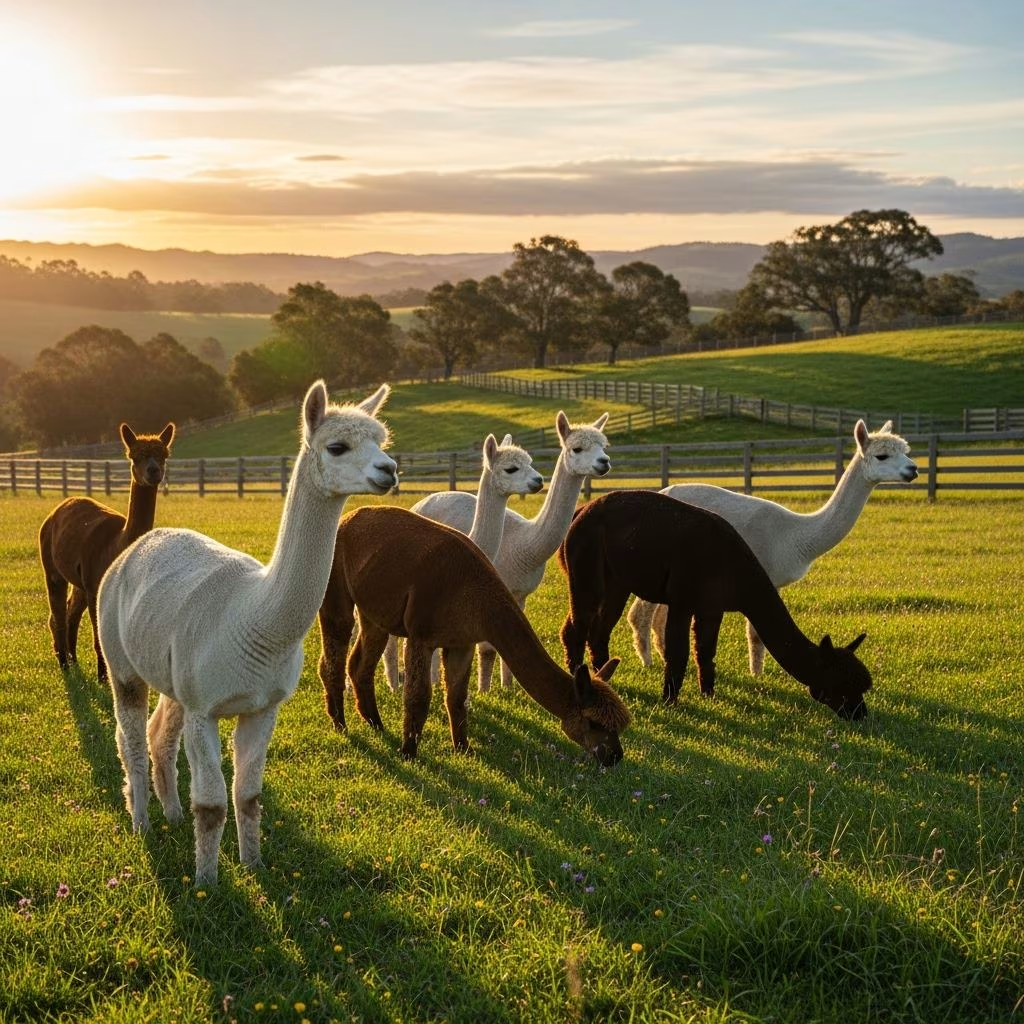
Alpacas offer a rewarding entry into sustainable farming, combining gentle temperaments with valuable fiber production. These South American camelids thrive in diverse climates when provided proper care, making them suitable for small-scale operations.
Understanding Alpaca Breeds and Traits
Two primary breeds dominate alpaca farming: Huacaya and Suri. Huacaya alpacas, the more common type, feature dense, crimpy fleece ideal for soft yarns. Suri alpacas produce silky, lustrous fiber with a unique drape, appealing to niche textile markets. Both breeds weigh 120-200 pounds as adults and live 15-20 years with good management.
- Huacaya: Fluffy coat, excellent insulation, versatile for clothing.
- Suri: Long, corded locks, premium pricing for specialty items.
Select breeds based on your market goals; Huacaya suits beginners due to availability and ease of handling.
Land and Infrastructure Essentials
Alpacas require modest space: 2-8 per acre depending on pasture quality and supplemental feeding. High-quality grass supports lower densities, reducing hay costs. Poor pastures demand more hay and smaller herds to prevent overgrazing.
| Herd Size | Acres Needed (Good Pasture) | Acres Needed (Poor Pasture) |
|---|---|---|
| 5 alpacas | 1-2 | 3-4 |
| 10 alpacas | 2-4 | 5-8 |
| 20 alpacas | 4-8 | 10-15 |
Housing includes three-sided shelters or enclosed barns with 40 square feet per animal. Use woven wire fencing at least 4 feet high, avoiding barbed wire to prevent injuries. Ensure shelters have good ventilation and dry bedding like straw, changed frequently to avoid moisture-related issues.
Selecting Your Starter Herd
Begin with 3-8 animals for manageability, prioritizing quality over quantity. Look for bright eyes, firm body condition, and social behavior during inspections. Purchase from reputable breeders with pedigrees, health records, and fiber test results. Females (damas) form the core; add a herd sire later if breeding.
- Inspect fleece for density, uniformity, and staple length (typically 3-5 inches annually).
- Verify vaccinations, deworming history, and absence of genetic issues like color blindness.
- Test fiber micron (fineness): under 25 microns for premium huacaya.
Quarantine new arrivals for 30 days to monitor health.
Nutrition and Daily Feeding
Alpacas consume 2% of body weight daily in dry matter, roughly 2-3 pounds per adult. Prioritize pasture grass, supplemented by high-quality hay (orchard or timothy). Avoid alfalfa excess to prevent urinary calculi in males. Provide free-choice minerals tailored for camelids, including copper at safe levels.
- Clean, unfrozen water always available; use heaters in winter.
- Second-cut hay for palatability; test for quality.
- Limit grain to lactating females or underweight animals.
Rotate pastures to maintain grass cover and reduce parasites.
Health Management Protocols
Preventive care ensures longevity and productivity. Annual vet checks include vaccinations (clostridial, tetanus), fecal exams for parasites, and tooth floating every 2-3 years. Common issues: meningeal worm (useable pastures), foot rot (trim hooves quarterly), and heat stress (provide shade).
- Deworm strategically based on fecal egg counts, not routinely.
- Monitor for anemia via FAMACHA scoring.
- Castrate males not for breeding to ease management.
Breeding females gestate 11 months; crias nurse 6 months.
Fiber Harvesting and Processing
Shear annually in spring using trained professionals to skirt (remove contaminated fiber) on-site. Yields average 5-10 pounds per animal. Grade fiber by micron, color, and cleanliness for optimal sales.
| Fiber Grade | Micron Range | Uses |
|---|---|---|
| Royal/Superfine | <20 | Infant wear, base layers |
| Fine | 20-25 | Sweaters, socks |
| Medium | 25-30 | Hats, blankets |
Process via mills for yarn or sell raw to artisans. Wash fiber promptly to preserve quality.
Building a Profitable Business
Fiber sales form the base; diversify with breeding stock, stud fees, and agritourism. Market via farm websites, social media, craft fairs, and workshops. Price fiber at $3-20 per ounce based on grade.
- Host farm tours and fiber arts classes.
- Partner with local yarn shops and designers.
- Certify organic or sustainable practices for premium pricing.
Track expenses: initial herd $5,000-20,000, annual costs $200-400 per animal.
Daily Care Routines
Morning checks include water refresh, pasture rotation, and observation for lameness or distress. Weekly tasks: hay distribution, manure scraping, hoof trims. Alpacas spit defensively but rarely bite; handle with halters for calm interaction.
Breeding and Herd Expansion
Mature at 18-24 months. Use pasture breeding or AI for control. Maintain male:female ratios; separate juveniles post-weaning. Genetic diversity prevents inbreeding.
Common Mistakes to Avoid
- Overstocking leading to parasite buildup.
- Poor fence maintenance allowing escapes.
- Ignoring dental health causing weight loss.
- Neglecting fiber hygiene pre-shearing.
FAQs
Are alpacas easy for beginners?
Yes, their docile nature and low feed needs make them accessible, but education on health and fiber is essential.
How much does alpaca farming cost to start?
$15,000-50,000 for 5-8 animals, fencing, shelter, covering initial setup.
Can alpacas thrive in cold climates?
Absolutely; their fleece insulates well, but provide windbreaks and unfrozen water.
What is the best way to sell alpaca fiber?
Direct to consumers via online stores, markets, or processed into products for higher margins.
Do alpacas need guardian animals?
Often not, but livestock dogs help against predators in rural areas.
References
- A Beginner’s Guide to Starting an Alpaca Fibre Farm — Green Gable Alpacas. 2023. https://greengablealpacas.com/en-us/blogs/farm-n-yarn/the-ultimate-guide-to-starting-an-alpaca-farm
- How To Start Farming Alpacas — YouTube (Gerard Dawn). 2023. https://www.youtube.com/watch?v=VKWjgKiwPPg
- Alpacas for Beginners — The Cape Coop. 2023. https://thecapecoop.com/alpacas-for-beginners/
- A Guide On How To Raise Healthy, Happy Alpacas — Azure Farm Life. 2023. https://www.azurefarmlife.com/farm-blog/caringforalpacas
- How to start with alpacas — Inca Alpaca. 2023. https://www.incaalpaca.co.uk/alpaca-info/how-to-start-with-alpacas/



