

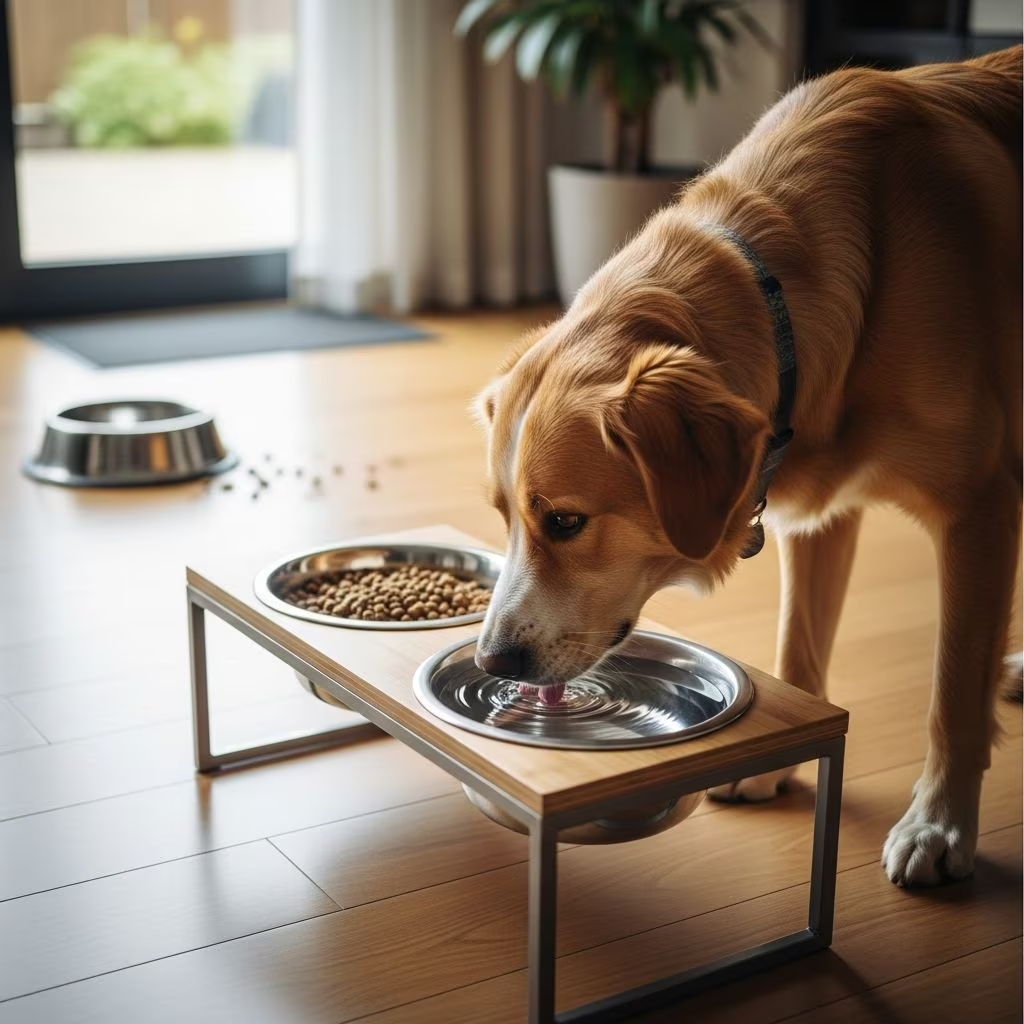
Raised dog feeders, also known as elevated bowls, position food and water at a height above the floor, potentially offering comfort to specific dogs while posing risks for others. These stands come in various materials like stainless steel, plastic, or wood, adjustable for different breeds.
Understanding the Appeal of Elevated Feeding Stations
Dogs naturally eat from ground level, but modern pet owners often opt for raised setups for perceived ergonomic benefits. For tall breeds or aging pets, bending low can strain muscles and joints over time. Manufacturers promote these as solutions for better posture during meals.
Key Advantages for Your Dog’s Comfort and Health
Raised feeders provide targeted relief in several ways, particularly for dogs facing physical challenges.
- Joint and Neck Relief: Pets with arthritis, elbow dysplasia, or hip issues struggle to lower their heads. Elevating bowls to chest height eases this, promoting a straighter posture.
- Mess Reduction: High placements keep bowls out of paw reach, preventing spills, digging, or sliding across floors. This maintains cleaner kitchens and reduces noise from clattering dishes.
- Digestion Support: A more upright eating angle may help food move smoothly down the esophagus, benefiting breeds prone to regurgitation like those with megaesophagus.
- Hygiene Boost: Lifting bowls off the floor avoids dirt, fur, and debris accumulation, creating a sanitary feeding zone.
- Posture Improvement: Large breeds such as Great Danes or Mastiffs avoid excessive neck craning, potentially lessening long-term strain.
Health Conditions That Benefit Most from Raised Bowls
Not every dog needs elevation, but certain conditions make it a smart choice. Consult a veterinarian first to confirm suitability.
| Condition | How Raised Bowls Help | Ideal Height Guideline |
|---|---|---|
| Arthritis or Joint Disorders | Reduces bending stress on legs and spine | Lower chest level |
| Megaesophagus | Aids gravity-assisted swallowing | Vertical or near-upright position |
| Senior Dogs with Mobility Loss | Minimizes floor-level strain | Adjustable to dog’s standing posture |
| Post-Surgical Neck Recovery | Prevents painful head lowering | Vet-recommended height |
For megaesophagus, combining raised feeders with specialized chairs like Bailey chairs enhances effectiveness. Older dogs or those with spinal issues also gain from reduced hip and shoulder pressure.
The Bloat Myth: What Science Actually Says
A widespread belief holds that raised bowls slow eating and prevent gastric dilatation-volvulus (GDV or bloat), a life-threatening condition where the stomach twists. However, research contradicts this. A study on extra-large breeds found elevated feeding actually increased GDV risk, not decreased it. The American Kennel Club warns against assuming comfort equates to safety for breeds like deep-chested giants.
Instead of height alone, slow-feeder inserts in raised designs can genuinely curb gulping, slowing intake by up to 10 times without bloat elevation. Always prioritize vet advice over trends.
Choosing the Correct Height for Optimal Benefits
Improper height undermines advantages and could introduce new strains. Measure from your dog’s floor to the lower chest or elbow—typically 4-12 inches depending on size.
- Small Breeds: 4-6 inches or floor-level options.
- Medium Breeds: 6-8 inches.
- Large/Giant Breeds: 8-12 inches, adjustable models preferred.
Test by observing your dog: paws should remain on the ground comfortably, head straight without hunching. Adjustable stands offer flexibility as puppies grow or seniors age.
Material and Design Features to Consider
Durability, stability, and ease of cleaning matter most.
- Stainless Steel: Rust-resistant, dishwasher-safe, but noisy.
- Plastic: Lightweight, affordable, but prone to scratches harboring bacteria.
- Wood or Bamboo: Stylish, steady, but requires wiping to prevent warping.
- Features: Non-skid bases, removable bowls, slow-feed mazes, spill trays.
Opt for BPA-free, chew-proof options with wide bases for tip resistance.
Potential Drawbacks and When to Avoid Raised Feeders
Despite upsides, elevated bowls aren’t universal.
- Increased Bloat Risk: Especially for large, deep-chested breeds per studies.
- Unnatural for Healthy Dogs: Evolution favors ground eating; elevation may alter swallowing mechanics unnecessarily.
- Cost and Space: Pricier than flat bowls, bulkier in small homes.
- Over-Elevation: Too high forces stretching, straining back legs.
Healthy, active dogs thrive with standard bowls. Monitor for signs like reluctance to eat or posture changes post-switch.
Practical Tips for Introducing Elevated Bowls
Transition gradually over a week: start with short sessions beside the old bowl, using familiar food scents.
- Place in a quiet, consistent spot.
- Supervise initial meals to adjust height if needed.
- Clean daily; deep-wash weekly.
- Pair with puzzle elements for mental stimulation.
For multi-dog homes, individual heights prevent competition.
Real-World Examples and User Insights
Owners of senior Labs report less limping after switching to 8-inch stands. Giant breed guardians note cleaner floors but heed bloat warnings by adding slow-feeders. Brachycephalic breeds like Bulldogs enjoy easier access without flat-face strain.
Frequently Asked Questions (FAQs)
Are elevated bowls safe for puppies?
Generally no; use floor-level until growth plates close around 12-18 months to avoid posture issues.
Do raised feeders help with vomiting?
Possibly for megaesophagus, but not general regurgitation—vet evaluation required.
What’s the best material for allergy-prone dogs?
Stainless steel for easy sanitizing and hypoallergenic properties.
Can I DIY a raised feeder?
Yes, with stable wood and secured bowls, but ensure precise height and no toxic finishes.
How often should I replace elevated bowls?
Every 1-2 years or if damaged, prioritizing food safety.
Final Thoughts on Making the Right Choice
Weigh your dog’s breed, age, health, and habits against evidence-based pros and cons. Elevated feeders shine for mobility-impaired pets but warrant caution for bloat-prone ones. A vet consultation ensures the setup aligns with your furry friend’s needs, fostering healthier mealtimes.
References
- What’s the Point of Elevated Dog Food Bowls? — Outward Hound. 2023. https://outwardhound.com/furtropolis/health-wellness/elevated-dog-food-bowls
- Are Raised Dog Bowls Good for Dogs? Yes—Here’s Why — EasyEat. 2024. https://www.easyeatofficial.com/blogs/pet-well-being/are-raised-dog-bowls-good-for-dogs-yes-here-s-why
- All About Elevated Dog Bowls — Whole Dog Journal. 2023-10-15. https://www.whole-dog-journal.com/lifestyle/dog-gear/all-about-elevated-dog-bowls/
- The Benefits of Elevated Dog Bowls — dogIDs. 2024. https://www.dogids.com/blog/benefits-of-elevated-dog-bowls/
- Elevated Feeders for Dogs: Yeah or Nay? — WagWalking. 2023. https://wagwalking.com/wellness/elevated-feeders-for-dogs-yeah-or-nay
- Choosing the Right Dog Bowl for Your Dog — American Kennel Club (AKC). 2024-01-20. https://www.akc.org/expert-advice/nutrition/choosing-right-dog-bowl/



