

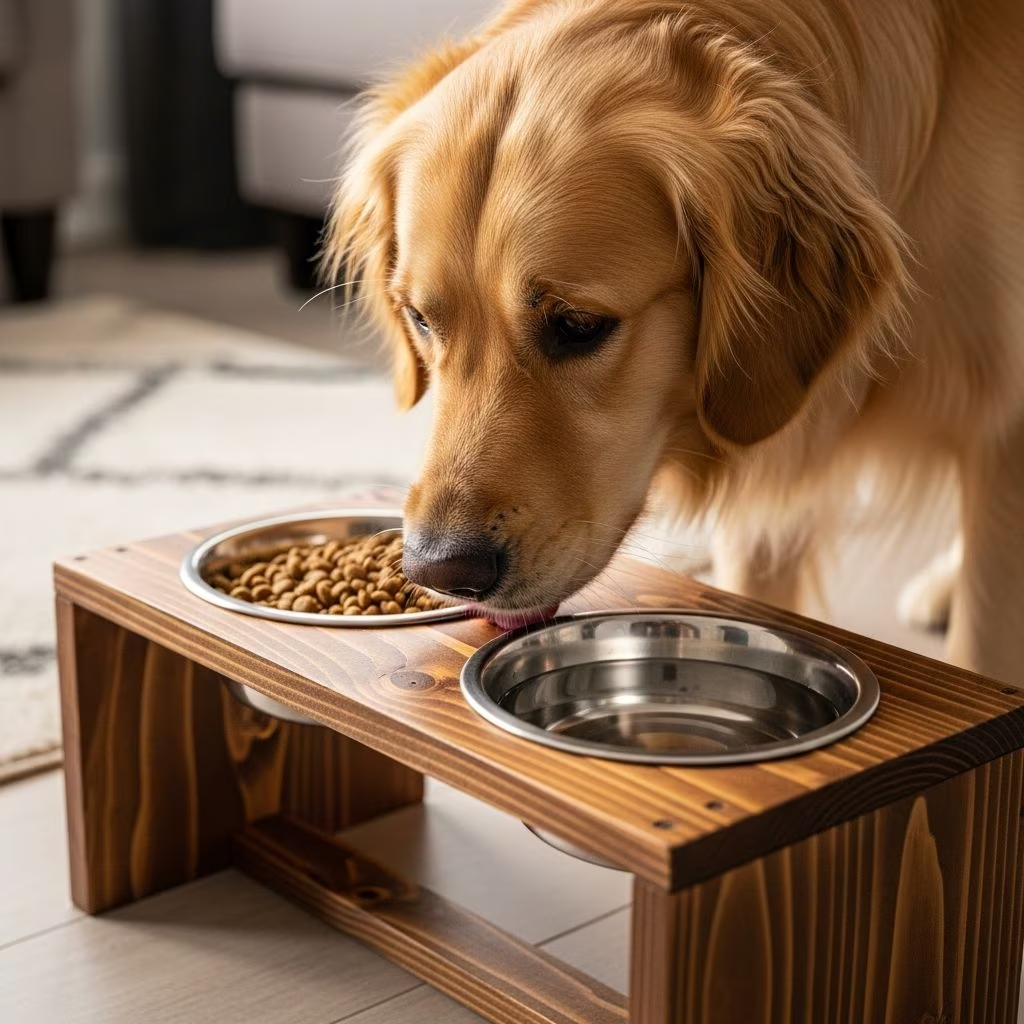
Raised dog feeders, also known as elevated bowls, have surged in popularity among pet owners seeking to enhance their dog’s mealtime experience. These stands position food and water bowls at a height that aligns with a dog’s natural stance, potentially easing physical strain. However, scientific studies highlight significant risks, particularly for certain breeds, making informed selection crucial.
Understanding Raised Feeders and Their Appeal
Dogs in the wild consume meals from ground level, yet modern raised feeders mimic a more ergonomic setup for domesticated pets. Owners often choose them for aesthetic reasons, hygiene improvements, or perceived comfort, especially for taller or aging dogs. Available in materials like stainless steel, ceramic, and wood, they range from simple stands to adjustable models with slow-feed inserts.
Key factors influencing choice include dog size, age, health status, and eating habits. For instance, large breeds like Great Danes may seem ideal candidates due to their height, but evidence suggests otherwise for some conditions.
Key Advantages for Specific Dogs
While not suitable for all, raised feeders offer tangible benefits in targeted scenarios. Here’s a breakdown:
- Joint and Neck Relief: Dogs with arthritis, hip dysplasia, or elbow issues avoid awkward bending, reducing musculoskeletal stress. This is vital for seniors struggling to lower their heads.
- Megaesophagus Support: Pets with this esophageal disorder benefit from upright positioning, aiding gravity-assisted food passage to prevent aspiration.
- Mess Reduction: Elevated designs minimize spills, pawing, and bowl displacement, keeping floors cleaner and deterring pests.
- Slower Eating: Some models incorporate barriers that curb gulping, potentially lowering gas and choking risks—though not a bloat preventer.
- Owner Convenience: Easier refilling spares backs from stooping, a boon for multi-pet households.
These perks shine for medium to small dogs with mobility challenges or messy eaters, transforming feeding into a smoother routine.
Potential Drawbacks and Health Concerns
Despite upsides, raised feeders carry notable downsides, backed by veterinary research.
| Concern | Impact | Affected Dogs |
|---|---|---|
| Increased GDV Risk | Up to 110% higher odds in large breeds per studies | Great Danes, Mastiffs, deep-chested giants |
| Posture Misalignment | Forces unnatural angles in healthy dogs | Active, young large breeds |
| Cost and Stability | Premium prices; tip-prone designs | All, especially playful pups |
| Overeating Encouragement | No proven slow-down for bloat prevention | Fast eaters |
Gastric dilatation-volvulus (GDV or bloat) tops the list of worries. A pivotal study on extra-large dogs found elevated feeding doubled GDV incidence compared to ground-level bowls. GDV involves stomach expansion and twisting, a surgical emergency with high mortality if untreated. Large, deep-chested breeds face inherent predisposition, exacerbated by raised positions that may promote air swallowing or rapid intake.
When to Consider Raised Feeders
Not a one-size-fits-all solution—consult vets first. Ideal candidates include:
- Dogs post-neck surgery or with cervical issues.
- Those with diagnosed orthopedic pain limiting flexion.
- Megaesophagus cases, often paired with specialized chairs.
For healthy dogs, especially giants over 100 lbs, stick to floor bowls. Monitor eating posture; if your dog lies down to eat from ground level, it’s adaptive, not problematic.
Selecting the Right Raised Feeder
Match height to elbow level—at chest height for most. Adjustable models accommodate growth or multiple dogs. Prioritize:
- Stability: Wide bases prevent tipping.
- Removable Bowls: Dishwasher-safe for hygiene.
- Slow-Feed Features: Ridges to pace meals without elevation risks.
- Materials: Rust-resistant stainless steel or BPA-free plastic.
Test stability by nudging; ensure non-slip feet for hard floors. Budget options start at $20, premium adjustable ones exceed $50.
Alternatives to Raised Feeders
For bloat-prone dogs, explore these:
- Slow-Feed Ground Bowls: Mazes reduce speed without height.
- Portioned Meals: Smaller, frequent servings prevent gulping.
- Interactive Toys: Puzzle feeders engage minds, slowing intake.
- Mat Feeders: Non-slip mats keep bowls grounded.
These maintain natural posture while addressing speed and mess.
Veterinary Perspectives on Feeding Heights
Vets emphasize breed-specific risks. The American Kennel Club warns against routine elevation for large breeds due to bloat data. For medical needs, customized heights—measured from floor to elbow—optimize benefits. Regular check-ups assess necessity; what aids one dog harms another.
Real-World User Experiences
Owners report mixed outcomes. A senior Lab with arthritis thrived on a 10-inch stand, moving pain-free. Conversely, a young Mastiff developed GDV symptoms post-switch to raised bowls, resolving after reverting to floor level. Track your dog’s response: improved vigor or discomfort signals adjustment needs.
Frequently Asked Questions
Are elevated bowls safe for puppies?
Generally no—pups grow rapidly; fixed heights become obsolete, and they risk injury from unstable stands. Use ground bowls.
Can raised feeders prevent bloat?
No—studies refute this; they may increase risk in vulnerable breeds.
What height is best for my dog?
Align bowl rim with elbow height when standing naturally. Consult a vet for precision.
Do elevated bowls help with digestion?
Possibly for megaesophagus, but not broadly; slower eating aids some, unproven for bloat.
How do I clean raised feeders?
Remove bowls for washing; wipe stands with pet-safe disinfectant weekly.
Final Thoughts on Optimizing Dog Feeding
Raised feeders excel for dogs with verified mobility or esophageal issues but pose clear dangers for large breeds prone to GDV. Prioritize vet guidance, observe your pet, and weigh evidence-based pros against risks. Ground-level bowls suffice for most healthy dogs, ensuring safe, natural nutrition.
References
- What’s the Point of Elevated Dog Food Bowls? — Outward Hound. 2023. https://outwardhound.com/furtropolis/health-wellness/elevated-dog-food-bowls
- All About Elevated Dog Bowls — Whole Dog Journal. 2024-01-15. https://www.whole-dog-journal.com/lifestyle/dog-gear/all-about-elevated-dog-bowls/
- Choosing the Right Dog Bowl for Your Dog — American Kennel Club (AKC). 2025-02-10. https://www.akc.org/expert-advice/nutrition/choosing-right-dog-bowl/
- Elevated Dog Bowls: Pros and Cons — Windrunner Leather. 2024. https://windrunnerleather.com/es/blogs/how-to/elevated-dog-bowls-pros-and-cons
- The Benefits of Elevated Dog Bowls — dogIDs. 2023-11-20. https://www.dogids.com/blog/benefits-of-elevated-dog-bowls/



