

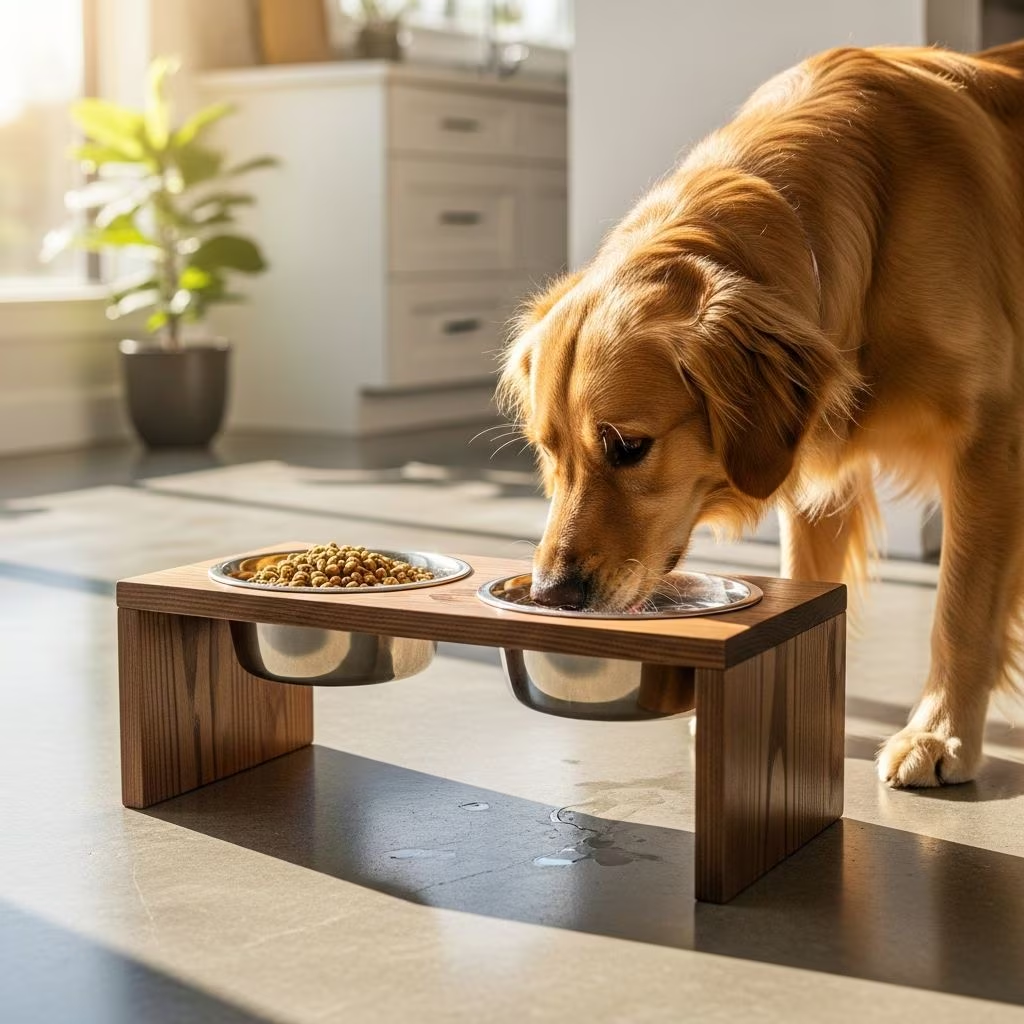
Raised dog feeders elevate food and water bowls to a comfortable height, promoting better posture and reducing physical strain during meals. These stands are particularly valuable for large breeds, senior dogs, and those with health conditions, offering improvements in digestion, joint comfort, and hygiene.
Understanding Raised Feeders and Their Design
Raised feeders consist of a sturdy stand holding stainless steel, ceramic, or plastic bowls above floor level, typically 4 to 12 inches high depending on dog size. Unlike standard floor bowls that require dogs to hunch down, these promote a natural standing position, aligning the neck and spine more effectively.
Available in adjustable, fixed-height, or portable models, they cater to various needs. Materials like wood, metal, or bamboo ensure durability, while non-slip bases prevent tipping. Selecting the right height—chest level for the dog—is crucial for maximum benefit.
Key Advantages for Canine Health and Comfort
Raised feeders address multiple aspects of dog well-being, from musculoskeletal support to mealtime efficiency.
- Joint and Muscle Relief: Dogs with arthritis, hip dysplasia, or elbow issues avoid painful bending. The elevated position minimizes pressure on legs, neck, and back, making daily meals less taxing.
- Posture Enhancement: A straight-neck feeding stance supports spinal alignment, reducing long-term orthopedic risks, especially for giants like Great Danes or Mastiffs.
- Digestion Support: Less air swallowing occurs in upright positions, curbing bloating and gas. Fast eaters slow down, aiding nutrient absorption and preventing gastric dilatation-volvulus (GDV) in deep-chested breeds.
- Hygiene Improvements: Elevated designs contain spills, keep ears clean (vital for spaniels), and deter pests. Removable bowls simplify washing.
- Special Condition Aid: Megaesophagus dogs benefit from gravity-assisted swallowing; post-surgery or mobility-limited pets eat with ease.
Ideal Candidates: Who Benefits Most?
Not every dog needs a raised feeder, but certain profiles gain significantly.
| Dog Type | Primary Benefits | Examples |
|---|---|---|
| Large/Giant Breeds | Reduced neck strain from deep bending | Great Danes, Mastiffs, Greyhounds |
| Senior Dogs | Joint pain relief, easier access | Arthritic or mobility-impaired elders |
| Health Conditions | Digestion aid, posture support | Megaesophagus, dysplasia cases |
| Fast Eaters/Messy Feeders | Slower intake, less spills | Labradors, sloppy eaters |
Small breeds or puppies may not require elevation, as floor bowls suit their natural posture.
Potential Drawbacks and Considerations
While beneficial, raised feeders aren’t universal solutions.
- Cost: Higher than basic bowls, ranging $20–$100+.
- Height Mismatch: Wrong size can cause awkward posture or instability.
- Bloat Myth: Some older studies linked elevation to GDV risk, but recent views emphasize slowing eaters mitigates this; consult vets for at-risk breeds.
- Space Needs: Bulkier than floor options.
Monitor adaptation; some dogs prefer familiarity initially.
How to Select the Perfect Raised Feeder
Choosing involves measuring your dog’s chest height at eating position (withers to elbow roughly). Aim for bowl rims at mid-chest.
- Measure Accurately: Stand dog naturally; note elbow-to-floor distance for height guide.
- Material Check: Stainless steel for durability/hygiene; wood for aesthetics (seal against moisture).
- Stability Test: Wide base, non-skid feet essential for enthusiastic eaters.
- Adjustability: Ideal for growing pups or multi-dog homes.
- Capacity: Match daily portions; dual bowls for food/water separation.
Opt for BPA-free, dishwasher-safe bowls. Reviews highlight stability and ease of cleaning as top priorities.
Practical Setup and Usage Tips
Place in a quiet, low-traffic area to minimize stress. Introduce gradually with familiar food. Clean daily: wipe stand, wash bowls with hot soapy water. Rotate locations occasionally for dental health, but consistency aids digestion.
For multi-pet households, size-specific feeders prevent competition. Track weight/appetite post-switch to ensure suitability.
Real-World Outcomes and Veterinary Insights
Owners report seniors eating more eagerly, less limping post-meals, and cleaner floors. Vets recommend for dysplasia patients, noting posture gains correlate with comfort. Studies affirm ergonomic benefits akin to human workstations, though long-term trials are limited.
Frequently Asked Questions (FAQs)
What height should a raised dog bowl be?
Match to your dog’s elbow height or lower chest when standing naturally. Small dogs: 4-6 inches; medium: 6-8 inches; large: 8-12 inches.
Do elevated bowls help with dog bloat?
They can by slowing eaters and reducing air intake, but puzzle feeders are better for GDV-prone breeds. Vet advice is key.
Are raised feeders safe for puppies?
Adjustable models work, but low heights prevent over-elevation until growth completes.
Can they help dogs with megaesophagus?
Yes, upright angles use gravity for easier food passage to the stomach.
How do I clean a raised feeder?
Remove bowls for dishwasher use; wipe stand with pet-safe disinfectant. Dry fully to avoid bacteria.
Conclusion: Elevate Your Dog’s Mealtime Experience
Raised dog feeders transform routine meals into health-supporting events, easing physical demands and enhancing enjoyment. Tailor to your pet’s needs for optimal results, consulting professionals for medical cases.
References
- What’s the Point of Elevated Dog Food Bowls? — Outward Hound. 2023. https://outwardhound.com/furtropolis/health-wellness/elevated-dog-food-bowls
- Elevated Dog Bowls: Pros and Cons — Windrunner Leather. 2024. https://windrunnerleather.com/es/blogs/how-to/elevated-dog-bowls-pros-and-cons
- Are Elevated Bowls Better for Dogs? Pros & Cons Explained — Golden Paw. 2023. https://goldenpawps.com/are-elevated-bowls-better-for-dogs/
- Why Raised Dog Food Bowls Are Great for Large and Senior Dogs — Antinol Plus. 2024. https://antinolplus.com/blogs/bark-learn/raised-dog-food-bowl
- 5 Benefits of Raised Feeding Bowls for Dogs — My Woof. 2023. https://mywoof.com/blogs/articles/5-benefits-of-raised-feeding-bowls-for-dogs
- Elevated Dog Feeders — Petmate. 2024. https://www.petmate.com/collections/elevated-dog-feeders



