

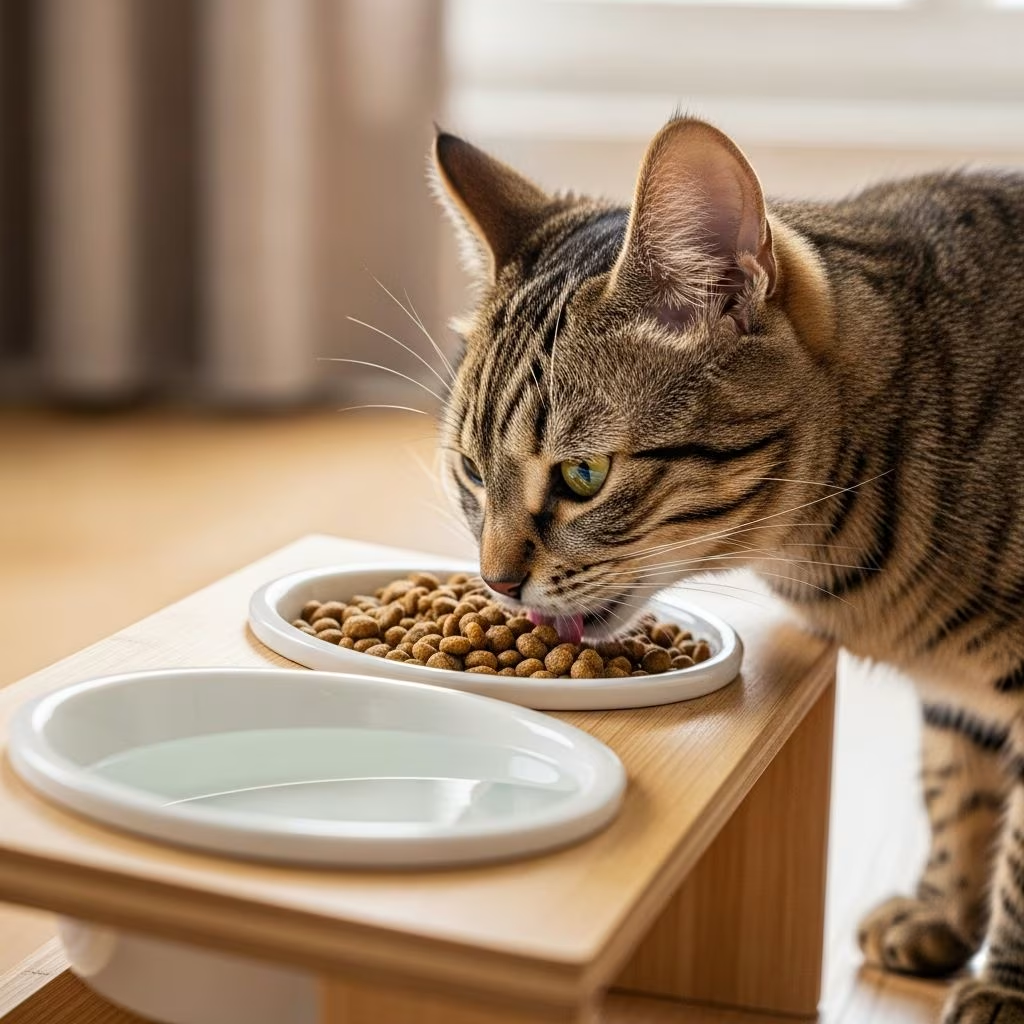
Raised cat feeders, also known as elevated bowls, position food and water at a height typically 4 to 6 inches off the ground, aiming to mimic more comfortable eating positions for domestic cats. While popular among pet owners, their effectiveness varies by individual cat needs, with veterinary recommendations often favoring them for specific health conditions rather than universal use.
Understanding Raised Cat Feeders and Their Rise in Popularity
These feeders elevate the eating surface to reduce the crouching posture cats adopt with floor-level bowls. In natural settings, felines consume prey or drink from low sources, but household environments and age-related issues can make ground-level eating challenging. Manufacturers promote them for ergonomic benefits, though scientific studies confirming broad superiority remain absent.
Pet owners increasingly adopt raised feeders seeking solutions for common issues like mealtime discomfort or mess. For breeds with short noses or aging pets, the adjustment offers potential relief, but adaptation depends on the cat’s habits and preferences.
Key Health Advantages of Elevated Feeding Stations
Raised designs promote a straighter neck alignment during meals, potentially easing musculoskeletal stress. This is particularly relevant for cats prone to stiffness.
- Joint and Spine Support: By minimizing downward head tilt, these bowls lessen pressure on cervical vertebrae and shoulders, aiding cats with arthritis or mobility decline.
- Digestion Enhancement: Upright positioning may facilitate smoother food passage through the esophagus, curbing regurgitation risks associated with rapid gulping in hunched stances.
- Vomiting Reduction: Less air intake during eating from a natural angle can prevent gastric upset, a frequent concern for fast eaters.
- Cleaner Meals: Elevation keeps bowls away from floor contaminants, reducing bacterial exposure and simplifying post-meal hygiene.
Senior cats, comprising a growing segment of households, show notable improvements in comfort, as the reduced bend eases chronic pain without altering diet.
Potential Limitations and When to Avoid Raised Feeders
Not every cat thrives with elevation. Some resist change, leading to skipped meals or heightened eating speed, which counters health goals.
| Aspect | Pros | Cons |
|---|---|---|
| Adaptation | Quick for most adults | Kittens or wary cats may ignore |
| Height Suitability | Customizable for breeds | Too high/low causes awkwardness |
| Stability | Reduces spills if sturdy | Tip-prone designs increase mess |
| Cost & Space | Durable options last years | Higher price, bulkier footprint |
Kittens require low access for growth phases, while vigorous eaters might accelerate intake from raised positions, risking bloat. Wild instinct favors ground-level consumption, suggesting no inherent “unnatural” harm in standard bowls for healthy cats.
Ideal Candidates: Cats That Benefit Most
Veterinarians endorse raised feeders primarily for:
- Arthritic or overweight cats struggling with flexion.
- Persian or flat-faced breeds facing breathing/eating challenges.
- Post-surgical recoveries needing minimized exertion.
- Owners noting whisker fatigue or regurgitation patterns.
Observe your cat: prolonged stretching, meal avoidance, or post-eating nausea signals a trial worth considering.
Selecting the Perfect Raised Feeder for Your Cat
Material Choices
Opt for non-porous surfaces to thwart bacteria:
- Stainless Steel: Dishwasher-safe, rust-resistant, lightweight.
- Ceramic: Stable, stylish, but heavier and breakable.
- Plastic: Affordable yet prone to scratches harboring germs—avoid long-term.
Height and Design Guidelines
Match elevation to shoulder height: 4 inches for small/young cats, up to 8 for large breeds. Wide, shallow bowls prevent whisker overload; non-slip bases ensure safety. Multi-cat homes benefit from dual setups to curb competition.
Budget vs. Quality Balance
Invest in adjustable models for life-stage transitions, prioritizing stability over aesthetics. Test stability by nudging—firmness prevents topples during enthusiastic feeds.
Strategic Placement for Maximum Effectiveness
Position away from high-traffic zones to minimize stress, at a quiet corner with escape routes visible. Avoid drafts or direct sun to preserve food quality. Pair with absorbent mats capturing drips, enhancing hygiene in multi-pet or shedding-heavy homes.
For water stations, separation from food by 10+ feet encourages hydration without contamination fears.
Transitioning Your Cat to a New Feeding Height
Gradual introduction prevents aversion:
- Place beside familiar bowl for 3-5 days.
- Slightly elevate one side using books.
- Shift fully once 80% preference shown.
Sprinkle treats or warm food to entice. Monitor intake; revert if weight loss occurs, consulting vets for underlying issues.
Real Owner Experiences and Veterinary Perspectives
Anecdotes highlight successes: seniors eating eagerly without nausea, reduced floor kibble. Challenges include picky adolescents shunning heights. Vets note utility for symptomatic cats but caution against blanket adoption absent evidence.
“For mobile cats, posture strain from meals is negligible; prioritize for clinically stiff ones.” – General veterinary consensus from reviewed sources.
Frequently Asked Questions
Do elevated bowls prevent cat vomiting?
They can by promoting upright swallowing, reducing air swallow and esophageal reflux, though not a cure-all—address gulping with slow-feed inserts.
Are raised feeders safe for kittens?
Generally no; stick to floor-level until maturity to support natural development and accessibility.
What’s the best height for elevated cat bowls?
Align rim with cat’s elbow or lower chest when standing—measure individually for breeds like Maine Coon vs. Siamese.
Can elevated bowls worsen whisker fatigue?
Wide designs mitigate this; narrow ones exacerbate contact stress regardless of height.
How often should I clean raised feeders?
Daily rinse, weekly deep clean with mild soap to prevent biofilm.
Alternatives to Raised Feeders
If unsuitable, consider:
- Puzzle bowls slowing intake.
- Slanted standard bowls for mild elevation.
- Orthopedic mats cushioning joints.
Combine with scheduled meals fostering routines.
References
- Should Cats Eat from an Elevated Bowl? Exploring the Benefits and Considerations — UAH Pet. 2023-10-15. https://www.uahpet.com/blogs/post/should-cats-eat-from-an-elevated-bowl-exploring-the-benefits-and-considerations
- The Ultimate Guide to Elevated Cat Bowls — Catenary Home. 2024-05-20. https://catenaryhome.com/pages/the-ultimate-guide-to-elevated-cat-bowls
- Are Elevated Cat Bowls a Good Idea? Vet-Reviewed Facts & FAQ — Catster. 2024-08-12. https://www.catster.com/nutrition/are-elevated-cat-bowls-a-good-idea/
- Best Type of Cat Bowl | Cat Dish Vs. Cat Bowl? — Purina US. 2025-02-10. https://www.purina.com/articles/cat/feeding/guides/best-cat-bowl
- Best Bowls for Feeding Cats (And Which to Avoid) — Fuzzball Club. 2024-11-03. https://fuzzball.club/blogs/news/best-bowls-for-feeding-cats-and-which-to-avoid



