

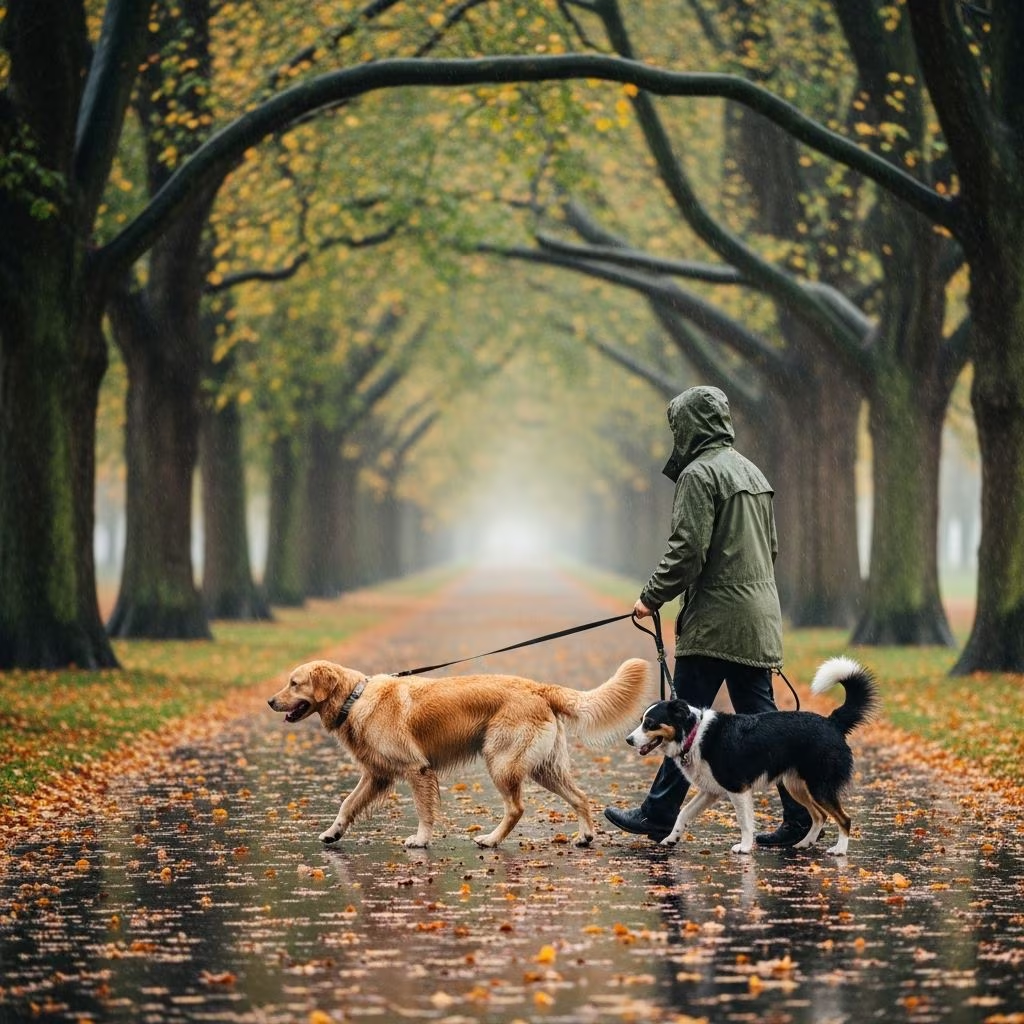
Walking your dog during rainy weather presents unique challenges but also opportunities for bonding and maintaining exercise routines. With proper preparation, these outings can remain safe and enjoyable despite the downpour. This guide explores strategies for gear selection, route planning, health considerations, and more to help pet owners navigate wet conditions confidently.
Assessing Weather Before Heading Out
Evaluating conditions is the first step in deciding whether to venture out. Check local forecasts using reliable apps or radar maps to identify storm intensity, lightning risks, and duration of precipitation. Severe weather like thunderstorms poses dangers such as lightning strikes and sudden flooding, which can endanger both you and your pet. Opt for brief potty breaks near shelter if heavy rain or wind is predicted, reserving full walks for lighter drizzles.
- Use interactive radar loops to time walks between rain cells, potentially shifting by 15-30 minutes for drier moments.
- Avoid outings during thunder to prevent frightening your dog and reduce physical risks like slips on wet surfaces.
- Monitor temperature drops, as cold rain increases hypothermia risks for short-haired breeds.
Essential Gear for Humans and Pets
Quality equipment transforms soggy strolls into manageable activities. For owners, prioritize waterproof jackets, pants, and boots with strong traction to handle slick paths. Reflective vests enhance visibility in low light, crucial during overcast days.
Dogs benefit from tailored rainwear too. Lightweight, adjustable raincoats shield the body from water, while quick-drying harnesses prevent chafing. Pair with sweaters underneath for insulation against chill.
| Gear Type | For Humans | For Dogs |
|---|---|---|
| Outer Layer | Waterproof jacket, poncho | Raincoat, waterproof harness |
| Footwear | Boots with grip | Booties or paw wax |
| Visibility | Reflective vest | LED collar light, bright leash |
Avoid umbrellas, as they complicate leash handling and offer limited coverage in wind. Instead, focus on hands-free options.
Protecting Your Dog’s Paws in Wet Conditions
Paw pads suffer from prolonged exposure to cold water, ice, salt, and chemicals on streets. Apply protective wax before walks to create a barrier against irritants. Booties provide full coverage but require training for acceptance—introduce gradually with treats.
- Clean paws immediately post-walk: Wipe between toes to remove debris and prevent licking hazardous substances.
- Inspect for cuts or redness, common on rough, wet pavement.
- For sensitive dogs, limit exposure and use indoor play as alternatives.
Selecting Safe Paths and Avoiding Hazards
Not all routes suit rainy days. Stick to familiar, well-lit sidewalks avoiding flood-prone areas, steep hills, or busy roads where puddle splashes from vehicles pose risks. Grassy parks may turn muddy, increasing slip chances.
Enhance visibility with bright or reflective accessories, especially at dawn or dusk. Keep leashes short for control on slippery ground.
- Choose paths with good drainage to minimize standing water.
- Steer clear of construction zones or fallen branches post-storm.
- Walk against traffic for better awareness of approaching cars.
Tailoring Walks to Your Dog’s Personality
Breeds and temperaments vary in rain tolerance. Energetic dogs may relish puddle-splashing, while anxious ones dread thunder. High-energy pups benefit from off-leash dog park sessions if sparsely populated, allowing freer movement.
Water-loving breeds like Labs embrace wet walks, but small or thin-coated dogs like Chihuahuas need extra warmth. Observe cues: Shivering or cowering signals it’s time to head home.
Post-Walk Cleanup and Drying Routines
Minimize indoor mess with a dedicated entry routine. Towel-dry dogs thoroughly, focusing on ears, belly, and legs. Use pet-safe dryers on low heat for thick coats. Place washable mats at the door to catch drips.
- Prevent chills by warming your dog in a cozy blanket post-dry.
- Vacuum or mop promptly to avoid slips on wet floors.
- Store gear in a ventilated area to dry fully, preventing mildew.
Health Risks and Prevention Strategies
Rainy walks heighten risks like hypothermia, where body temperature drops dangerously low, or infections from unclean water. Signs include lethargy, trembling, or pale gums—seek vet care if noticed.
Maintain routine exercise to combat obesity, even shortening walks to 10-15 minutes in heavy rain. Hydration remains key; offer fresh water upon return.
Indoor Exercise Alternatives for Extreme Weather
When outdoors is unwise, improvise inside. Use puzzle toys, flirt poles, or hallway sprints for mental and physical stimulation. Training sessions with treats reinforce behaviors while burning energy.
- Treadmill walking for conditioned dogs (supervised).
- Hide-and-seek games with toys or family members.
- Stair climbs or gentle fetch in spacious rooms.
Frequently Asked Questions
Is it okay to walk dogs in heavy rain?
Yes, for most healthy dogs if conditions aren’t severe, but shorten duration and prioritize safety gear. Judge based on your dog’s comfort and weather intensity.
What if my dog hates raincoats?
Gradually desensitize with positive reinforcement. Start with short wears during playtime, rewarding acceptance. Alternatives like paw wax suffice for mild rain.
How do I prevent my dog from drinking puddle water?
Distract with commands or toys, keep walks brisk, and train a solid “leave it” cue. Puddles harbor bacteria risking stomach upset.
Can rainy walks cause colds in dogs?
Dogs don’t catch human colds, but prolonged wetness can lead to chills or weakened immunity. Dry thoroughly and monitor for illness.
What’s the best leash for wet weather?
Reflective, quick-drying nylon or biothane leashes resist water and mud while ensuring visibility.
Long-Term Benefits of Consistent Rainy Walks
Embracing wet weather routines builds resilience in dogs, improves coat health through natural oils, and strengthens owner-pet bonds. Track progress with a walk journal noting preferences and gear effectiveness to refine future outings.
Incorporate variety like scent games on damp grass to engage their nose, turning potential drudgery into adventure.
References
- Safety Tips for Walking Your Dog in Wet Weather Conditions — Sit Means Sit Dog Training. 2023-10-15. https://sitmeanssit.com/dog-training-mu/gaylordsville-dog-training/safety-tips-for-walking-your-dog-in-wet-weather-conditions/
- 4 Tips for Successful Rainy-Day Dog Walks — Hands N Paws. 2024-02-20. https://www.myhandsnpaws.com/successful-dog-walks-in-rainy-weather-a-guide-for-columbus-ohio-dog-walkers/
- Rainy Day Dog Walking Survival Guide — Found Animals. 2023-11-05. https://www.foundanimals.org/rainy-day-dog-walking-survival-guide/
- Safely Walking Your Dog in Rain, Snow, or Mud — Canada Pooch. 2024-01-12. https://canadapooch.com/blogs/news/safely-walking-your-dog-in-rain-snow-or-mud
- The Do’s and Don’ts of Walking Your Dog in the Rain — Canine Styles. 2023-09-18. https://www.caninestyles.com/blogs/news/the-do-s-and-don-ts-of-walking-your-dog-in-the-rain-by-canine-styles



