

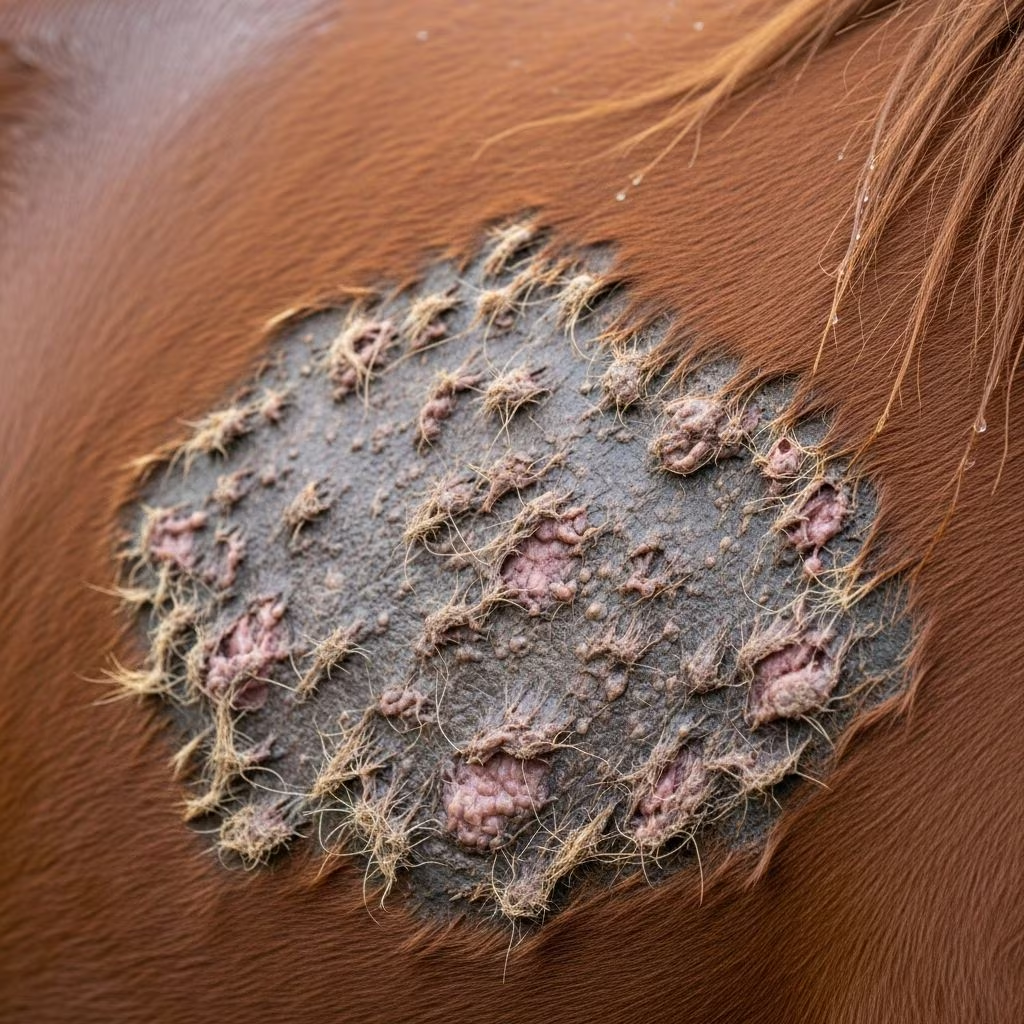
Rain rot, scientifically known as dermatophilosis, represents one of the most prevalent bacterial skin conditions affecting horses, particularly in regions with high humidity or frequent rainfall. Triggered by the bacterium Dermatophilus congolensis, this infection thrives when prolonged moisture compromises the skin’s protective barrier, leading to painful crusts and hair loss. Horse owners must recognize early signs to intervene promptly, as untreated cases can escalate, impacting the animal’s comfort and performance.
Understanding the Nature of Rain Rot
This condition arises from a bacterium that resides harmlessly on equine skin under dry circumstances. However, environmental triggers activate it, causing an inflammatory response. Unlike fungal infections, rain rot specifically favors wet, warm conditions, often striking during fall, winter, or spring in temperate climates. The infection typically manifests along the horse’s back, hips, and legs, where water accumulates most readily.
Historically observed worldwide, rain rot has been documented in various equine populations, from pasture-kept trail horses to stabled competitors. Its contagious nature means it can spread via shared equipment or contaminated soil, underscoring the need for vigilant herd management.
Recognizing the Signs and Symptoms
Early detection hinges on observing characteristic lesions. Affected areas develop raised, matted clumps of hair that form scabs, often likened to ‘paintbrush’ tips due to the embedded hair shafts. These crusts, ranging from small bumps to extensive sheets, conceal moist, oozing undersides that may exude yellow-green pus in advanced stages.
- Patchy bald spots: Hair pulls away easily with crust removal, revealing raw, red skin beneath.
- Sensitivity to touch: Horses may flinch or object to grooming over lesions, indicating pain rather than itchiness.
- Common locations: Topline (back and withers), rump, face, and lower limbs, especially in white-skinned areas prone to sun sensitivity.
- Severe indicators: Swelling, lameness, weight loss from discomfort, or tack intolerance in saddle regions.
In mild instances, symptoms resolve naturally as weather dries, but chronic exposure prolongs recovery. Differentiating from ringworm or pastern dermatitis requires veterinary scrutiny, as overlapping appearances can mislead owners.
Factors That Increase Susceptibility
Not all horses succumb equally; certain profiles heighten vulnerability. Lighter-coated animals, particularly those with white skin, face amplified risks due to UV sensitivity exacerbating bacterial penetration. Young foals, seniors, and immunocompromised individuals—such as the malnourished or stressed—prove most prone.
| Risk Factor | Description | Impact Level |
|---|---|---|
| Prolonged wetness | Standing in mud, rain-soaked blankets, or humid stalls | High |
| Insect bites | Flies and ticks breaching skin barriers | Moderate |
| Coat color | Light hairs and thin skin | Moderate |
| Immune health | Age extremes, poor nutrition | High |
| Contaminated environment | Shared brushes, infected soil | High |
Environmental persistence of the bacterium in scabs—for up to 42 months—facilitates reinfection cycles, demanding rigorous hygiene protocols.
How Rain Rot Develops: The Infection Process
D. congolensis exists in spore form on healthy skin, awaiting activation. Moisture softens the epidermis, allowing filaments to invade multiple layers. Inflammation follows, trapping hair in keratin debris and pus. Insects vector the pathogen mechanically, while direct contact with infected debris perpetuates spread. Microscopic confirmation reveals ‘railroad track’ branching structures in crushed samples, aiding precise diagnosis.
Severity escalates without intervention: superficial crusts deepen to cellulitis, potentially disseminating systemically in debilitated horses. Liver dysfunction screening is prudent for photosensitive cases on light skin.
Diagnosis Methods for Accurate Identification
Veterinarians rely on clinical presentation—location and lesion morphology—for presumptive diagnosis. Hands-on exams, including winter palpation through thick coats, prove essential. Cytology from pus or saline-mixed crusts visualizes the pathogen under microscopy. Rarely, biopsies or cultures confirm atypical presentations, ruling out differentials like fungal dermatophytosis.
Treatment Strategies: From Home Care to Veterinary Intervention
Core treatment centers on desiccation and antimicrobial action. Daily grooming removes crusts gently, exposing lesions to medicated rinses. Veterinary-prescribed shampoos containing chlorhexidine, benzoyl peroxide, or lime sulfur disrupt bacterial growth.
- Clip affected hair: Facilitates drying and topical access.
- Apply topicals: Antiseptic sprays or ointments post-bathing.
- Systemic antibiotics: For deep or widespread infections, per vet guidance.
- Supportive care: Anti-inflammatories for pain, nutritional boosts for immunity.
Most cases heal in 2-3 weeks sans scarring, but vigilance prevents recurrence. Severe scenarios risking euthanasia demand aggressive management.
Prevention: Proactive Measures for a Healthy Coat
Foremost, minimize moisture: Provide shelters, waterproof blankets, and well-drained pastures. Regular full-body grooming, especially post-rain, dislodges potential spores. Isolate cases, disinfect gear, and control insects with repellents.
- Balanced nutrition fortifies skin barriers.
- Avoid mud wallowing; rotate turnout areas.
- Weekly baths in high-risk seasons using mild antiseptics.
Herd-wide protocols curb outbreaks, safeguarding all equines.
When to Seek Professional Veterinary Help
Consult a vet if lesions expand, cause lameness, or resist two weeks of home care. Systemic signs like fever or lethargy signal urgency. Early professional input averts complications, ensuring swift return to form.
Frequently Asked Questions (FAQs)
Is rain rot contagious to other horses or humans?
Yes, highly contagious among horses via contact or fomites; rare zoonotic risk exists but is minimal.
Can rain rot heal on its own?
Mild cases may self-resolve in dry weather, but treatment accelerates recovery and prevents spread.
What shampoos work best for rain rot?
Vet-recommended options include those with chlorhexidine or benzoyl peroxide; avoid over-bathing to preserve skin oils.
Does rain rot cause permanent hair loss?
Typically not; regrowth occurs post-healing unless secondary scarring intervenes.
How do I prevent rain rot in winter?
Blanket appropriately, groom under coats, and ensure dry bedding.
Long-Term Management for Recurrent Cases
Chronic sufferers benefit from immunity boosters, regular vet checkups, and environmental audits. Tracking weather patterns aids preemptive stabling. Integrating these sustains skin integrity year-round.
In summary, empowering owners with knowledge transforms rain rot from a persistent woe to a manageable nuisance. Diligent observation and intervention preserve equine welfare amid challenging climates.
References
- Rain Rot in Horses — Penn State Extension. 2023. https://extension.psu.edu/rain-rot-in-horses/
- Rain Rot or Scald (Dermatophilosis) in Horses — Vetster. 2024. https://vetster.com/en/conditions/horse/rain-rot-or-scald-dermatophilosis
- Rain Rot in Horses — PetMD. 2024. https://www.petmd.com/horse/conditions/skin/rain-rot-horses
- Dermatophilosis – Rain Rot — Brandon Equine. 2020-05. https://brandonequine.com/wp-content/uploads/2020/05/dermatophilosis-aka-rain-rot.pdf
- Rain Rot in Horses: Causes, Symptoms, Prevention — State Fair Park. 2024. https://www.sstack.com/blog/horse-care/rain-rot-in-horses/b/r0125/
- Dermatophilosis — Equine Disease Communication Center. 2024. https://www.equinediseasecc.org/dermatophilosis



