

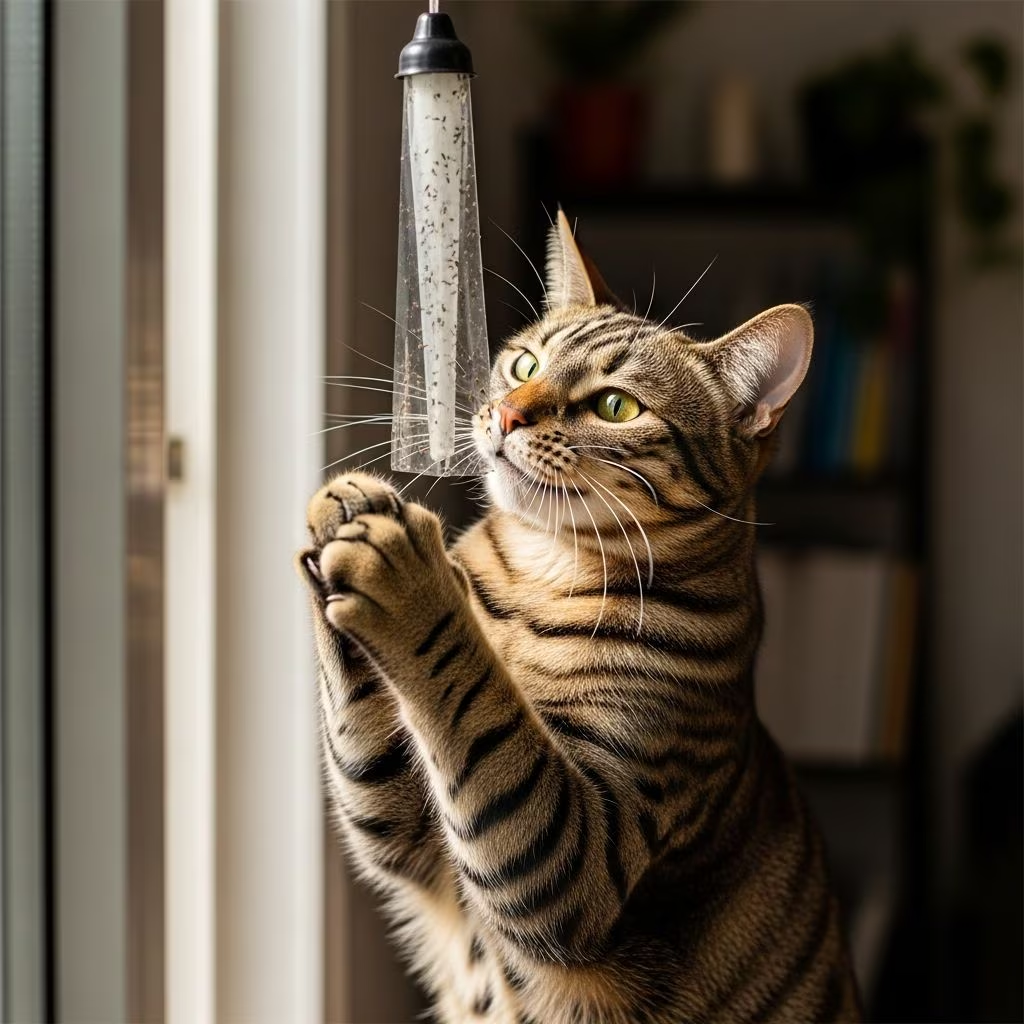
Raid fly ribbons serve as effective tools for capturing flying insects in homes, relying on adhesive rather than harsh chemicals. For cat owners, the key question revolves around potential harm if pets encounter these sticky strips. These products typically pose minimal toxicity risks to cats, though contact or ingestion may lead to temporary discomfort like stomach upset.
Understanding Fly Ribbon Composition
Fly ribbons, including those from Raid, consist primarily of a strong adhesive base made from substances like white mineral oil. This odorless, sticky material traps insects on contact without incorporating potent poisons. Regulated as pesticide devices by agencies such as the U.S. Environmental Protection Agency, they prioritize mechanical capture over chemical insecticides.
Unlike some pest strips that release organophosphates—compounds capable of causing severe symptoms like seizures in pets and humans—standard Raid fly ribbons avoid these additives. The adhesive itself is the main component, designed for safety in occupied spaces when following usage guidelines.
Potential Risks for Cats
Cats’ curiosity often leads them to investigate dangling or fallen fly ribbons, resulting in fur adhesion or attempts to chew the sticky surface. While the glue lacks significant toxicity, swallowing pieces can provoke mild gastrointestinal reactions such as vomiting, diarrhea, or cramps due to the foreign material irritating the digestive tract.
Skin contact rarely causes serious irritation, but prolonged adhesion might lead to matting or minor inflammation if not addressed. Cats grooming affected areas could inadvertently ingest adhesive, amplifying upset risks. Most cases resolve without intervention, but vigilance remains essential.
Step-by-Step Removal of Adhesive from Cat Fur
Discovering adhesive on your cat’s coat requires calm, methodical action to avoid stress. Begin by isolating the pet in a quiet space.
- Apply a pet-safe oil like vegetable, olive, or canola oil directly to the sticky patch.
- Gently massage the oil into the fur for 1-2 minutes to break down the adhesive.
- Use a wide-toothed comb to tease away the softened material, working from the ends toward the skin.
- Rinse thoroughly with lukewarm water and a mild, cat-approved shampoo.
- Dry the area with a soft towel and monitor for redness.
Avoid harsh solvents or scissors near the skin to prevent injury. If large clumps persist or cover sensitive areas like paws or face, seek professional grooming assistance.
Recognizing and Monitoring Symptoms
Post-exposure observation helps distinguish normal behavior from concern. Track these signs over 24-48 hours:
| Symptom | Description | Action Needed |
|---|---|---|
| Vomiting | One or two episodes of mild regurgitation | Monitor hydration; withhold food briefly |
| Diarrhea | Loose stools lasting under 24 hours | Provide bland diet; watch frequency |
| Lethargy | Reduced activity or appetite | Consult vet if persists beyond 12 hours |
| Drooling or Pawing Mouth | Excessive saliva or discomfort | Rinse mouth gently; call vet |
| Skin Irritation | Redness, hair loss at site | Clean area; apply vet-recommended ointment |
Symptoms typically appear within hours and subside naturally. Persistent or severe issues warrant immediate veterinary evaluation.
Preventive Measures in Multi-Pet Homes
Proactive strategies minimize encounters:
- Hang ribbons high above jumping reach, such as from ceiling fans or high hooks.
- Opt for enclosed traps or electronic zappers in cat-accessible zones.
- Store unused ribbons in sealed containers away from pet areas.
- Supervise during initial installation and replace promptly when full.
Integrate natural deterrents like essential oil diffusers (cat-safe scents only) or screened windows to reduce fly influx without adhesives.
Comparing Raid Fly Ribbons to Other Pest Controls
| Product Type | Active Mechanism | Cat Safety Level | Best Use Case |
|---|---|---|---|
| Raid Fly Ribbon | Adhesive trap | High (low toxicity) | Indoor flying insects |
| Organophosphate Strips | Chemical vapor | Low (neurotoxic risk) | Unoccupied spaces only |
| Electric Zappers | UV light & grid | High (no contact) | Large areas |
| Spray Insecticides | Chemical spray | Variable (often toxic) | Outdoor perimeters |
Raid ribbons stand out for their pet-friendly profile compared to chemical-heavy alternatives.
Broader Household Hazards and Cat Protection
Beyond fly ribbons, common items pose greater threats. Secure cleaners, rodenticides, and plants like lilies in locked cabinets. Use child-proof latches, as agile cats navigate standard doors.
For toxic exposures:
- Prevent further contact immediately.
- Rinse mouth or skin with water (never induce vomiting).
- Contact a vet or pet poison hotline with product details.
Explore DIY pest solutions: vinegar sprays for ants or diatomaceous earth for fleas, ensuring feline safety.
Veterinary Guidance and When to Seek Help
Even low-risk incidents benefit from professional input, especially for kittens, seniors, or cats with pre-existing conditions. Tele-vet services offer quick assessments without travel. Provide details like product name, exposure amount, and symptom timeline for accurate advice.
In emergencies—uncontrolled vomiting, seizures, or breathing issues—rush to an emergency clinic.
Frequently Asked Questions
Are Raid fly ribbons completely safe for all cats?
They are non-toxic but may cause mild GI upset if ingested. Kittens and sensitive cats merit extra caution.
What if my cat chews on the ribbon?
Monitor for vomiting or lethargy. Clean residue and consult a vet if symptoms arise.
Can I use baby oil for removal?
Yes, any food-grade oil works effectively to dissolve adhesive without harm.
How long do symptoms last if any occur?
Mild issues usually resolve in 24 hours; persistent ones need vet care.
Are there cat-safe fly control alternatives?
Yes, UV zappers, fans, and screens provide chemical-free options.
Long-Term Pest Management Strategies
Maintain a fly-free environment through sanitation: seal entry points, manage waste promptly, and use fly screens. Combine with ribbons placed strategically for comprehensive control. Regular home audits identify attractants like overripe fruit or standing water.
Educate household members on pet-safe practices to foster a harmonious living space.
References
- Cat Touched Raid Fly Ribbon — Dial A Vet. 2023. https://www.dialavet.com/vet-answers/cat-touched-raid-fly-ribbon-17350
- Are Raid Fly Ribbons Toxic to Cats? — Hepper. 2023. https://articles.hepper.com/are-raid-fly-ribbons-toxic-to-cats/
- Cat Tangled in Raid Fly Ribbon — Dial A Vet. 2023. https://www.dialavet.com/vet-answers/cat-tangled-raid-fly-ribbon-50908
- Use Pest Strips As Directed — Poison Control (poison.org). 2023. https://www.poison.org/articles/use-pest-strips-as-directed-212



