

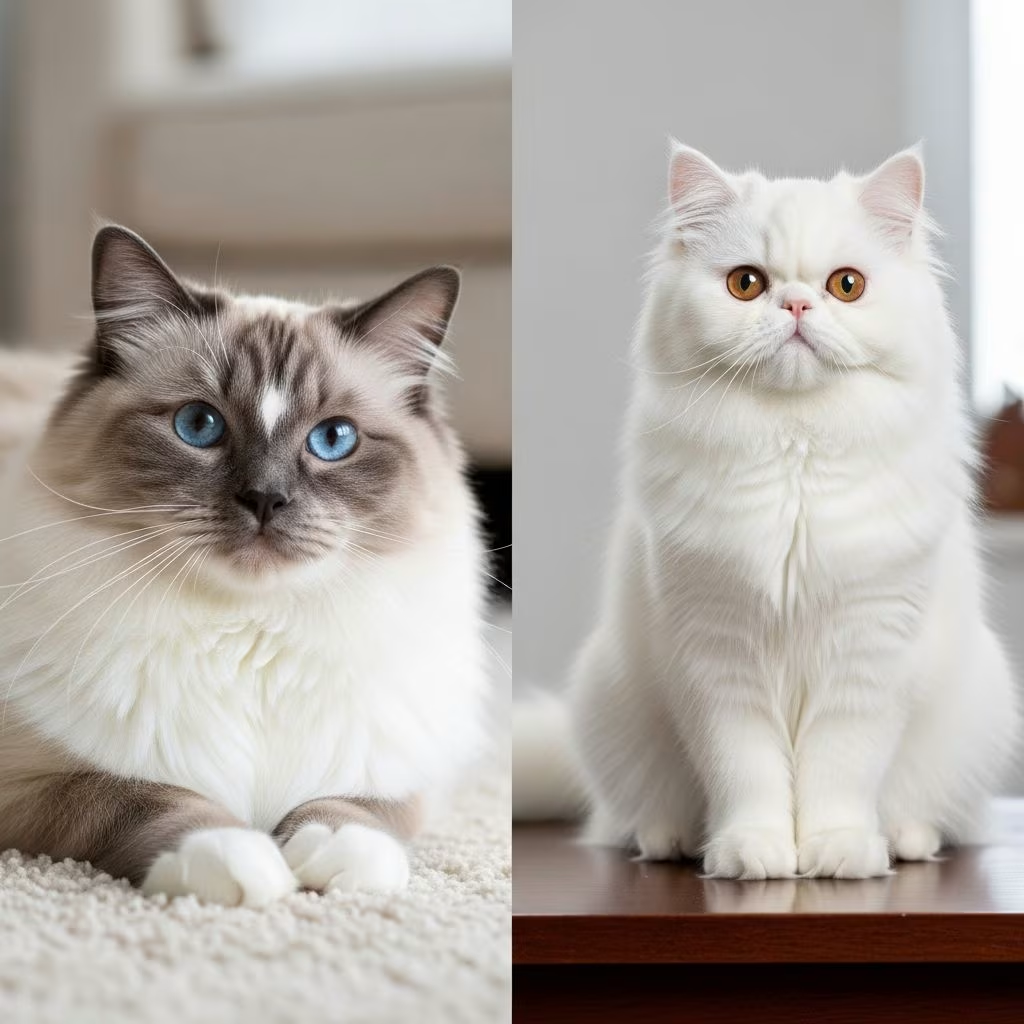
Choosing between a Ragdoll and a Persian cat involves weighing their unique physical features, behaviors, and care requirements. Both are beloved long-haired breeds known for affectionate natures, but they differ significantly in size, maintenance, and lifestyle compatibility.
Origins and Development of Each Breed
The Ragdoll breed emerged in the 1960s in California, credited to breeder Ann Baker. A white longhaired cat named Josephine mated with a Birman-like tom, producing kittens with a docile temperament and striking blue eyes. Baker selectively bred these traits, emphasizing their relaxed, floppy nature when handled—hence the name “Ragdoll.” Today, Ragdolls are recognized by major cat registries for their pointed color patterns and semi-long coats.
Persians trace their roots further back to the 1600s in Europe, descending from longhaired cats imported from Persia (modern-day Iran). Prized for their luxurious coats and regal appearance, they became a staple in cat shows by the 19th century. Selective breeding refined their flat faces, stocky builds, and dense fur, making them icons of feline elegance despite evolving health concerns.
Physical Traits and Appearance Breakdown
Ragdolls stand out with their substantial size and athletic build. Males typically weigh 15-20 pounds and females 10-15 pounds, measuring 10-15 inches tall at the shoulder. Their bodies are long, muscular, and substantial, covered in a silky semi-long coat without a dense undercoat. They feature vivid blue eyes, triangular faces with medium muzzles, and pointed color patterns like seal, blue, chocolate, or lilac on lighter bodies.
Persians, by contrast, are medium-large with males at 8-12 pounds and females 7-10 pounds. Their compact, cobby frames give a rounder silhouette, accentuated by short, thick legs and a broad chest. The hallmark is their flat, pushed-in face (brachycephalic), large round head, and profuse double coat with a thick undercoat. Eye colors vary: blue, copper, green, or odd-eyed, available in solids, tabbies, bicolors, and more.
| Feature | Ragdoll | Persian |
|---|---|---|
| Size (Males) | 15-20 lbs | 8-12 lbs |
| Size (Females) | 10-15 lbs | 7-10 lbs |
| Body Type | Long, muscular | Compact, cobby |
| Face | Medium muzzle, doll-like | Flat, round |
| Eyes | Blue | Varied colors |
This table highlights how Ragdolls appear larger and more imposing, while Persians rely on their fluffy coats for visual bulk.
Temperament and Daily Behavior
Ragdolls earn the “puppy-cat” moniker for their dog-like devotion. They follow owners room-to-room, flop limply when picked up, and crave interaction without being clingy. Playful yet calm, they enjoy gentle games like fetch or wand toys, adapting seamlessly to busy households. Vocalization is soft and infrequent, focused on companionship over independence.
Persians offer a more reserved affection. They lounge serenely, enjoying petting on their terms, but prefer quiet predictability. Less playful as adults, they bond deeply with familiar people yet remain somewhat aloof with strangers. Their independence suits owners with varied schedules, though they still seek gentle interaction.
- Ragdoll strengths: Social, adaptable, child-friendly.
- Persian strengths: Calm, low-energy, self-sufficient.
Grooming Demands and Coat Care
Ragdoll coats are silky and low-maintenance, shedding moderately year-round with minimal matting. Weekly brushing suffices to remove loose fur and distribute oils, making them ideal for moderate-effort owners. Baths are rare, as their fur resists dirt.
Persian coats demand daily grooming due to their dense double layer, prone to heavy shedding and tangles—especially seasonal “blowouts.” Neglect leads to painful mats, often requiring professional grooming or shaving. Face folds trap tears and debris, needing daily cleaning to prevent infections.
Key grooming tip: Invest in a slicker brush for Persians; a wide-tooth comb works for Ragdolls.
Health Considerations and Lifespan
Both breeds average 12-17 years with proper care, but Ragdolls edge out slightly at 12-18 years. Common Ragdoll issues include hypertrophic cardiomyopathy (HCM), hip dysplasia, and urinary problems, mitigated by ethical breeders screening for genetic markers.
Persians face brachycephalic risks: breathing difficulties, tear staining, polycystic kidney disease (PKD), and dental issues from malocclusion. Moderate-faced lines from health-focused breeders reduce extremes.
Annual vet checkups, quality diet, and weight management are essential for both.
Activity Levels and Enrichment Ideas
Ragdolls maintain moderate activity: 15-30 minutes daily of puzzle feeders, interactive toys, or cat trees satisfies their curiosity. They explore without excessive jumping, preferring floor-level play.
Persians are low-energy loungers, content with minimal stimulation. Short sessions of gentle play prevent boredom, but they avoid high perches due to short legs.
Suitability for Families, Kids, and Other Pets
Ragdolls shine in families: patient with children, tolerant of handling, and sociable with dogs or other cats. Their size and calm demeanor make them sturdy playmates.
Persians suit quieter homes, tolerating gentle kids but disliking rough play. They coexist with pets if introduced slowly, preferring harmony over active integration.
Training Potential and Responsiveness
Ragdolls respond well to positive reinforcement, mastering leash walks, fetch, and basic cues due to their eager-to-please nature.
Persians are agreeable but less trainable, focusing on routine over tricks. Litter training is reliable for both.
Cost Factors: Purchase, Upkeep, and Ownership
Ragdoll kittens from reputable breeders cost $1,500-$4,000, reflecting health testing. Annual expenses: $800-1,500 (food, litter, minimal grooming).
Persians range $800-$3,000, but upkeep soars with grooming ($500+ yearly) and vet bills for face-related issues. Total ownership favors Ragdolls for budget-conscious owners.
Allergy Concerns and Shedding Reality
Neither breed is hypoallergenic; both produce Fel d 1 allergen. Ragdolls shed less intensely, while Persian dander traps in thick fur. Frequent cleaning helps allergy sufferers.
Which Breed Fits Your Home?
- Choose Ragdoll if: You want an interactive, family-oriented cat with easier grooming.
- Choose Persian if: You prefer a majestic, low-key companion and commit to intensive care.
Frequently Asked Questions
Are Ragdolls bigger than Persians?
Yes, Ragdolls are larger, with males up to 20 pounds versus Persians’ 12 pounds max. Their muscular build contrasts Persians’ compact fluff.
Which sheds more: Ragdoll or Persian?
Persians shed heavily due to their undercoat; Ragdolls manage with moderate shedding.
Can Persians and Ragdolls live together?
Yes, their calm temperaments complement each other in multi-cat homes with proper introductions.
Is grooming easier for Ragdolls?
Significantly—weekly for Ragdolls vs. daily for Persians.
What is the lifespan of these breeds?
Ragdolls: 12-18 years; Persians: 12-16 years with vigilant health care.
References
- Ragdoll vs Persian Breed Comparison — Floppycats. 2023. https://www.floppycats.com/ragdoll-vs-persian.html
- Ragdoll vs Persian Cat: Size, Personality, Grooming — Almonte Cats. 2024. https://almontecats.com/ragdoll-vs-persian/
- Ragdoll vs Persian Cat: Principal Differences — Catster. 2024. https://www.catster.com/cat-breeds/ragdoll-vs-persian-cat/
- Ragdoll vs Persian Cats: Which Breed is Right for You? — Island Dolls NJ. 2023. https://www.islanddollsnj.com/post/ragdoll-vs-persian-cats-which-breed-is-right-for-you



