

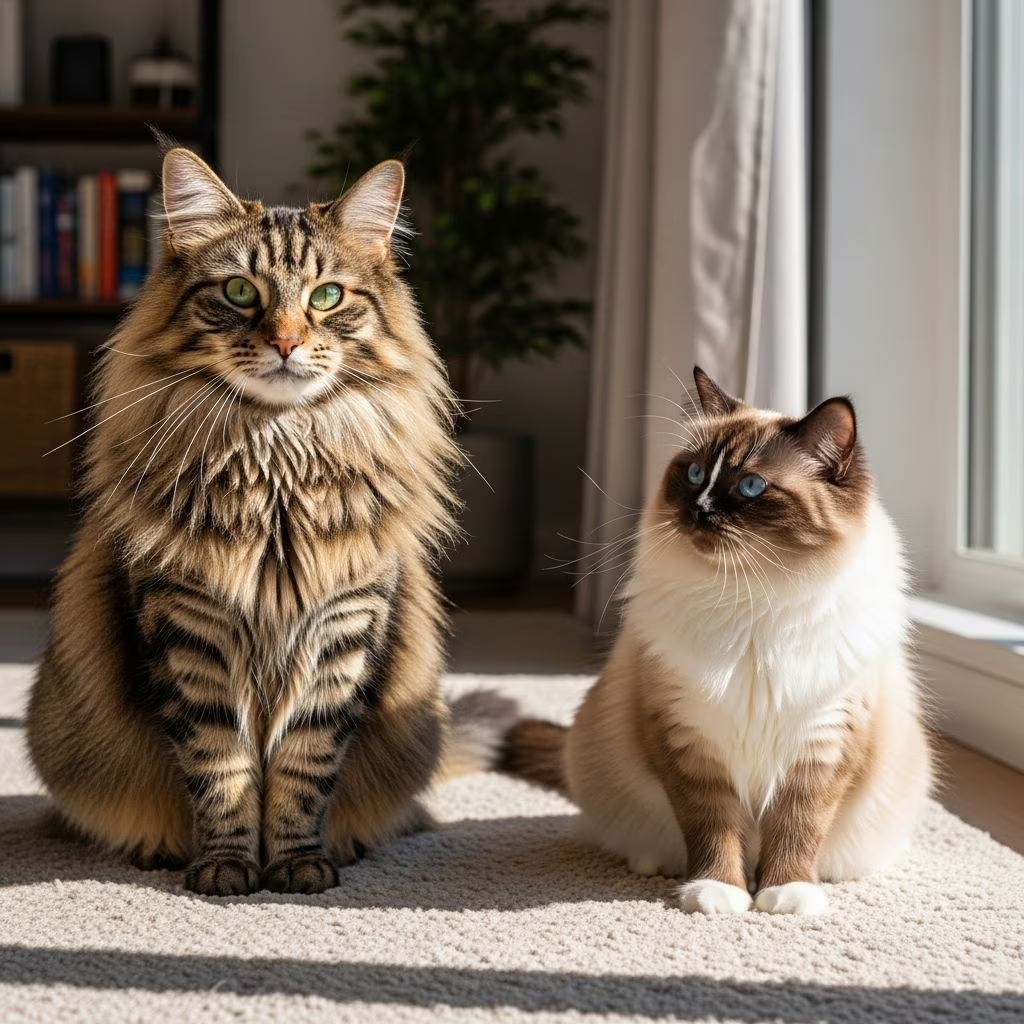
Two of the most captivating large cat breeds, Ragdolls and Norwegian Forest Cats, enchant with their luxurious fur and impressive statures. While both share fluffy appearances, they diverge significantly in personality, physical build, and care requirements. This guide breaks down their unique traits to help you decide between these stunning felines.
Historical Background and Development
The **Ragdoll** breed emerged in the 1960s in California, USA, from a breeding program by Ann Baker. A white longhaired cat named Josephine, after surviving an accident, produced kittens with notably docile temperaments and striking blue eyes. Selective breeding emphasized their relaxed nature and colorpoint patterns, leading to their recognition by cat fancier clubs in the 1970s. Today, Ragdolls symbolize gentle companionship.
In contrast, the **Norwegian Forest Cat**, or “Wegie,” traces roots to ancient Norway, where Vikings revered these sturdy hunters for protecting food stores from rodents during harsh winters. Their weather-resistant coats evolved naturally for survival in snowy forests. Formal recognition came later in the 1970s by the Cat Fanciers’ Association (CFA), preserving their wild heritage alongside domestic adaptability.
Physical Characteristics at a Glance
| Feature | Ragdoll | Norwegian Forest Cat |
|---|---|---|
| Weight | 10-20 lbs (males larger) | 10-15 lbs (males up to 18 lbs) |
| Height at Shoulder | 9-11 inches | 9-12 inches |
| Body Length | 17-24 inches | 17-22 inches |
| Lifespan | 12-17 years | 14-20 years |
| Coat Length | Semi-long, silky | Long, double-layered, water-repellent |
Ragdolls boast a robust, muscular frame with shorter legs relative to their body length, giving a stocky, rectangular silhouette. Their heads are broad with rounded contours, and signature vivid blue eyes set them apart.
Norwegian Forest Cats exhibit a more elongated, athletic build with longer legs and a triangular head shape that tapers to a strong chin. Ears are tall and tufted, paws large and rounded with fur tufts for snow traction, and eyes range from green to gold.
Coat Varieties and Color Patterns
Ragdoll coats follow a strict colorpoint pattern: lighter bodies with darker points on ears, face, legs, and tail in shades like seal, blue, chocolate, or lilac. Patterns include colorpoint (no white), mitted (white paws and chin), and bicolor (white belly and face markings). Their fur is plush but non-matting, flowing smoothly.
Norwegian Forest Cats offer immense variety—over 60 colors and patterns, from solid blacks and reds to tabbies, torties, and whites. No colorpoint restriction; their double coat features a dense undercoat and longer, glossy guard hairs, ideal for cold climates. Seasonal shedding is pronounced.
- Ragdoll fur tip: Minimal grooming due to lack of undercoat.
- Wegie fur tip: Brush weekly to manage shedding and prevent mats.
Personality Traits and Behavior Profiles
**Ragdolls** epitomize affection, often going limp when held—hence the name. They crave human interaction, follow owners room-to-room, and greet strangers warmly. Ideal for families, they tolerate children and dogs with patience. Vocalizations are soft chirps rather than meows.
**Norwegian Forest Cats** balance independence with loyalty. They bond deeply with family but enjoy solitude, perching high to observe. Playful climbers, they engage in short bursts of activity. Reserved with newcomers, they warm up gradually. Their vocal style includes trills and chatters.
In multi-pet homes, both integrate well, but Ragdolls seek constant companionship while Wegies prefer space.
Exercise and Enrichment Needs
Ragdolls favor low-key play: interactive toys, laser pointers, or gentle tumbling suit their energy. Daily sessions of 15-20 minutes prevent obesity in their hefty frames. They relish lounging on laps post-play.
Norwegian Forest Cats demand vertical spaces—cat trees, shelves, and window perches fuel their arboreal instincts. They excel at fetch and puzzle toys, needing 30-45 minutes of vigorous activity daily. Outdoor enclosures or leashed walks enhance their adventurous spirit.
| Activity Type | Ragdoll Preference | Norwegian Forest Preference |
|---|---|---|
| Climbing | Moderate | High |
| Cuddling | High | Moderate |
| Interactive Toys | Medium | High |
Grooming Routines and Maintenance
Ragdolls require bi-weekly brushing to distribute oils and reduce minor shedding. Baths are rare; their coat resists dirt. Nail trims every 10 days, ear checks monthly, and dental care are essentials.
Wegies shed heavily twice yearly; daily brushing during these periods curbs fur tumbleweeds. Their coat repels water naturally. Provide scratching posts to maintain claw health and dental hygiene via chew toys.
Health Considerations and Common Issues
Ragdolls face hypertrophic cardiomyopathy (HCM), a heart condition, plus urinary issues and obesity risks. Annual vet checks, HCM screening via echo, and portion-controlled feeding mitigate these. Hip dysplasia occurs occasionally.
Norwegian Forest Cats are hardy but prone to glycogen storage disease IV (rare), hip dysplasia, and patellar luxation. Their longevity benefits from dental vigilance and joint supplements for seniors.
Both thrive on high-quality, breed-specific diets: Ragdolls need calorie moderation; Wegies require protein-rich food for muscle maintenance.
Suitability for Different Lifestyles
- Apartments: Ragdolls adapt seamlessly with minimal space.
- Houses with yards: Norwegian Forest Cats flourish with exploration opportunities.
- Families with kids: Both excellent, Ragdolls more tolerant of rough play.
- Seniors: Ragdolls for constant companionship; Wegies for low-maintenance independence.
- First-time owners: Ragdolls easier due to forgiving nature.
Training Potential and Intelligence
Ragdolls learn tricks like fetch or leash-walking via positive reinforcement. Their eagerness pleases owners.
Wegies shine in agility and problem-solving, mastering complex toys and commands with treats and praise.
Cost of Ownership Overview
| Expense | Ragdoll Estimate | Norwegian Forest Estimate |
|---|---|---|
| Kitten Price | $800-$2,500 | $600-$2,000 |
| Annual Food | $400-$600 | $350-$550 |
| Vet Care (yearly) | $300-$500 | $250-$450 |
| Grooming Tools | $100 | $150 |
Adoption from rescues saves costs; pedigreed kittens demand premiums for health-tested lines.
Pros and Cons Summary
Ragdoll
- Pros: Extremely affectionate, easygoing, low-maintenance coat.
- Cons: Prone to weight gain, needs social stimulation.
Norwegian Forest Cat
- Pros: Adventurous, hardy, versatile coat colors.
- Cons: Heavy shedding, requires climbing space, more aloof.
Frequently Asked Questions (FAQs)
Which breed is bigger?
Ragdoll males often exceed 20 lbs, outpacing Norwegian Forest Cats’ typical 12-18 lbs range.
Are they good with children?
Yes, both are patient, though Ragdolls handle boisterous play better.
Do they shed a lot?
Norwegian Forest Cats shed more seasonally; Ragdolls minimally year-round.
Can they go outside?
Ragdolls prefer indoors; Norwegian Forest Cats enjoy supervised outdoor time.
What’s their energy level?
Ragdolls: Low to moderate; Norwegian Forest: Moderate to high.
Mixing the Breeds: Hybrids
A Ragdoll-Norwegian Forest mix combines cuddly docility with playful vigor, yielding a large, fluffy cat with varied colors and balanced independence. Expect moderate shedding and climbing enthusiasm.
References
- Ragdoll vs Norwegian Forest Cat: Pictures, Differences & What to Know — Hepper. 2024. https://articles.hepper.com/ragdoll-vs-norwegian-forest-cat/
- Ragdoll Cat VS. Norwegian Forest Cat — YouTube (Kitten Life). 2023-10-15. https://www.youtube.com/watch?v=NS3590V5FWU
- Ragdoll Norwegian Forest cat mix—what to expect — Untamed. 2024. https://untamed.com/blogs/cat-breeds/ragdoll-norwegian-forest-cat-mix



