

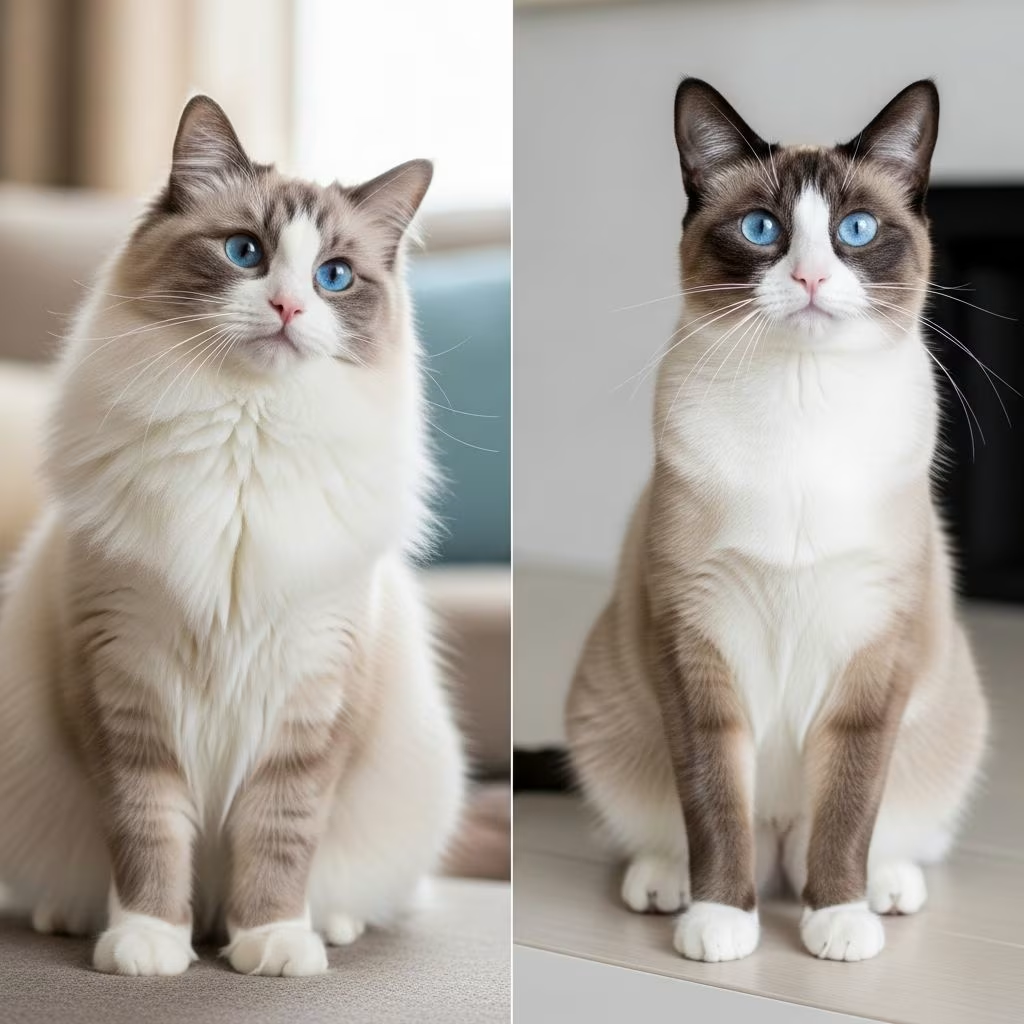
When selecting a feline companion, prospective cat owners often encounter similar-looking breeds that can create confusion. Two breeds that frequently generate questions are Ragdolls and Snowshoes. While these cats share some striking visual similarities, including their distinctive blue eyes and color-point patterns, they possess considerable differences in size, coat length, temperament, and care requirements. Understanding these distinctions is crucial for making an informed decision that aligns with your lifestyle and household needs.
Physical Characteristics and Appearance
Ragdoll Cats: Size and Build
Ragdolls are among the largest domestic cat breeds available. Adult males frequently weigh between 15 to 20 pounds, with some individuals exceeding 20 pounds. Females tend to be slightly smaller but still maintain impressive proportions. These cats possess a substantial frame with broad, solid bodies supported by heavy bone density. One distinctive feature of Ragdolls is their extended development period—they do not reach their full size and complete coat maturity until three to four years of age. This extended growth phase distinguishes them from many other breeds that achieve their adult size much earlier.
The head structure of a Ragdoll follows specific breed standards characterized by a large, broad head in a modified wedge shape. Their eyes are particularly striking—large, vivid blue ovals positioned at a slight angle. The ears are medium-sized with rounded tips that tilt slightly forward. Supporting this distinctive head is a heavy, strong neck that transitions into their long, muscular body.
Snowshoe Cats: Compact and Refined
Snowshoe cats present a notably different physical profile compared to their Ragdoll counterparts. These medium-sized cats typically weigh between 8 to 15 pounds, making them considerably more compact. Their size makes them well-suited for various living environments, including apartments and smaller homes. The Snowshoe breed possesses a more refined bone structure compared to the heavy-boned Ragdoll, though they still maintain muscular, athletic builds.
One of the most recognizable characteristics of Snowshoe cats is their distinctive white paws, which inspired the breed’s name. These white markings resemble miniature snowshoes and provide striking contrast against their darker points. Like Ragdolls, Snowshoes possess walnut-shaped blue eyes, though these eyes are described as larger and rounder than Siamese eyes but not quite as round as Persian eyes.
Coat Characteristics and Coloring
The most significant physical distinction between these breeds lies in their coat types. Ragdolls feature semi-long, silky coats with a distinctly soft texture. Their coats are fuller and require more regular grooming maintenance. The color patterns of Ragdolls typically include three variations: colorpoint (without white markings), mitted (with white paws), and bicolor (with additional white on the body).
Snowshoe cats, conversely, sport short, smooth coats that are considerably easier to maintain. Snowshoe kittens are born entirely white, with their distinctive dark or patterned point colors developing gradually over several weeks and continuing to darken as they mature. The typical coloring includes a light cream or beige body with seal or blue points. While chocolate and lilac point colors are possible, they remain difficult to produce and are rarely observed in breeding programs.
Temperament and Personality Traits
Ragdoll Disposition
Ragdoll cats have earned the affectionate nickname “lap cats” due to their profound desire for human companionship and physical affection. These cats exhibit calm, docile personalities that make them exceptionally suitable for families with children. Their temperament is characterized by intelligence combined with a gentle, laid-back approach to daily interactions. Ragdolls are known for their quiet but engaging communication style—they vocalize in soft, sweet voices to indicate feeding times or request affection, but they are not excessively vocal.
Despite their calm nature, Ragdolls enjoy interactive play and participate enthusiastically in family activities. They possess surprising intelligence and can learn tricks and commands with proper positive reinforcement. Many Ragdolls demonstrate excellent manners and adapt readily to household routines. Their even temperament makes them ideal for first-time cat owners seeking a relatively low-stress companion.
Snowshoe Personality
Snowshoe cats present more variable and distinct personalities compared to the consistently docile Ragdoll. These intelligent felines are known for being unpredictable in their behavior—sometimes assuming the role of the household’s bossy authority figure, other times serving as devoted companions who monitor family members’ activities. Snowshoes frequently choose a single favorite person within the household but maintain cordial relationships with all family members. They demonstrate particular intelligence, often learning to open doors and perform complex tricks, including feline agility courses.
Initially, Snowshoe cats may appear aloof or reserved with visitors, requiring time to warm up to unfamiliar people. However, once they establish trust, they can become remarkably affectionate and loyal. Their active nature means they seek engagement and entertainment more consistently than Ragdolls. They stay close to their preferred family member and frequently lead them toward objects or areas of interest.
Care Requirements and Grooming
Grooming Needs
Ragdoll cats require more intensive grooming due to their semi-long coats. Regular brushing sessions prevent matting and maintain coat health and appearance. These cats benefit from multiple grooming sessions weekly to keep their silky coats in optimal condition. Despite higher grooming demands, Ragdolls are relatively low-maintenance regarding health concerns and veterinary needs.
Snowshoe cats present significantly lower grooming requirements thanks to their short, smooth coats. These cats need only occasional brushing to maintain coat condition and minimize shedding. For owners with limited time or those preferring minimal grooming commitments, Snowshoes offer distinct advantages. Their low-maintenance coats suit busy households exceptionally well.
Exercise and Activity Levels
Both breeds require moderate exercise, though their activity patterns differ somewhat. Ragdolls enjoy gentle play and interactive toys but tend toward relaxation and lounging. Their calm temperament means they are content with moderate activity levels and are not demanding regarding exercise time. Snowshoes, with their higher energy levels and intelligence, benefit from regular interactive play and mental stimulation. These cats thrive with consistent engagement and may become destructive if under-stimulated.
Lifespan and Health Considerations
Ragdoll cats typically enjoy lifespans of approximately 15 years, though some individuals live longer with proper care. Snowshoe cats exhibit slightly extended longevity, with expected lifespans ranging from 14 to 20 years. Both breeds are generally robust, though prospective owners should research breed-specific health concerns and select responsible breeders who conduct health screening.
Suitability for Different Households
Ideal Environments for Ragdolls
Ragdoll cats excel in households seeking affectionate, trainable, and relatively low-maintenance companions. They are excellent choices for families with children, provided interactions remain gentle and respectful of the cat’s boundaries. First-time cat owners often find Ragdolls particularly suitable due to their predictable, calm nature. These cats also adapt well to various living situations, from apartments to larger homes.
Ideal Environments for Snowshoes
Snowshoe cats suit owners seeking intelligent, engaging companions with distinct personalities. These cats thrive in households where family members can provide consistent interaction and mental stimulation. Their smaller size makes them particularly appropriate for apartment living and compact spaces. Snowshoes do well in active households where they receive regular attention and engagement. They also demonstrate compatibility with other pets and adapt positively to multi-pet households.
Training and Behavioral Characteristics
Ragdolls demonstrate strong trainability, quickly learning commands like “sit,” “come,” and “stay” through gentle methods and positive reinforcement. Treats and praise motivate them effectively. They respond poorly to harsh discipline and thrive with encouraging, patient training approaches. Snowshoes exhibit moderate to high trainability, also learning commands and tricks readily. However, their more independent nature means consistency and engaging reward systems prove essential for successful training.
Comparative Overview Table
| Characteristic | Ragdoll | Snowshoe |
|---|---|---|
| Adult Weight | 15-20+ pounds | 8-15 pounds |
| Coat Type | Semi-long, silky | Short, smooth |
| Grooming Requirements | High | Low to moderate |
| Lifespan | ~15 years | 14-20 years |
| Temperament | Calm, docile, affectionate | Variable, intelligent, reserved initially |
| Trainability | Average to high | Moderate to high |
| Exercise Needs | Moderate | Moderate |
| Best For | Calm households, families, first-time owners | Active households, apartment living, experienced owners |
Key Differences Summary
- Size variance: Ragdolls significantly outweigh Snowshoes, often by 5-10 pounds or more
- Coat maintenance: Ragdolls require regular grooming; Snowshoes need minimal coat care
- Personality consistency: Ragdolls exhibit predictable, calm behavior; Snowshoes display variable, more independent personalities
- Development timeline: Ragdolls mature slowly over three to four years; Snowshoes reach adult size more quickly
- Color development: Snowshoes are born white with points developing later; Ragdolls’ color patterns appear earlier
- Social needs: Ragdolls desire consistent affection; Snowshoes are more selective with their attention
Making Your Decision
Selecting between Ragdoll and Snowshoe cats ultimately depends on individual household circumstances and preferences. Ragdolls suit owners seeking devoted, affectionate companions with minimal behavioral surprises. Their predictable temperament and intelligence make them excellent family cats. Snowshoes appeal to individuals desiring interactive, intelligent pets with more distinct personalities and independent streaks.
Consider your available time for grooming—Ragdolls demand more attention in this area. Evaluate your living space; Snowshoes adapt better to smaller environments. Assess your household activity level; Snowshoes thrive with more stimulation, while Ragdolls are content with moderate engagement. Both breeds make excellent feline companions when matched appropriately with suitable households.
Frequently Asked Questions
Can Ragdoll and Snowshoe cats live together?
Yes, both breeds are sociable and typically get along well with other pets when properly introduced. However, individual personality variations—particularly in Snowshoes—mean success depends on specific cats involved.
Which breed is more expensive?
Pricing varies by breeder and location, but both breeds command premium prices compared to common domestic cats. Availability of Snowshoes is more limited, potentially affecting pricing in some regions.
Do these breeds require special diets?
No special dietary requirements distinguish these breeds from other cats, though high-quality nutrition benefits all felines. Consult with veterinarians regarding individual nutritional needs.
Are these breeds hypoallergenic?
Neither breed is truly hypoallergenic. Snowshoes with shorter coats may produce slightly fewer allergens, but individual variation exists significantly.
References
- Snowshoe Cat VS. Ragdoll Cat — YouTube. Uploaded by cat breed comparison channel. https://www.youtube.com/watch?v=snlZqToY6jk
- Ragdoll vs Snowshoe Cat: Differences Explained (With Pictures) — Hepper. https://articles.hepper.com/ragdoll-vs-snowshoe-cat/



