

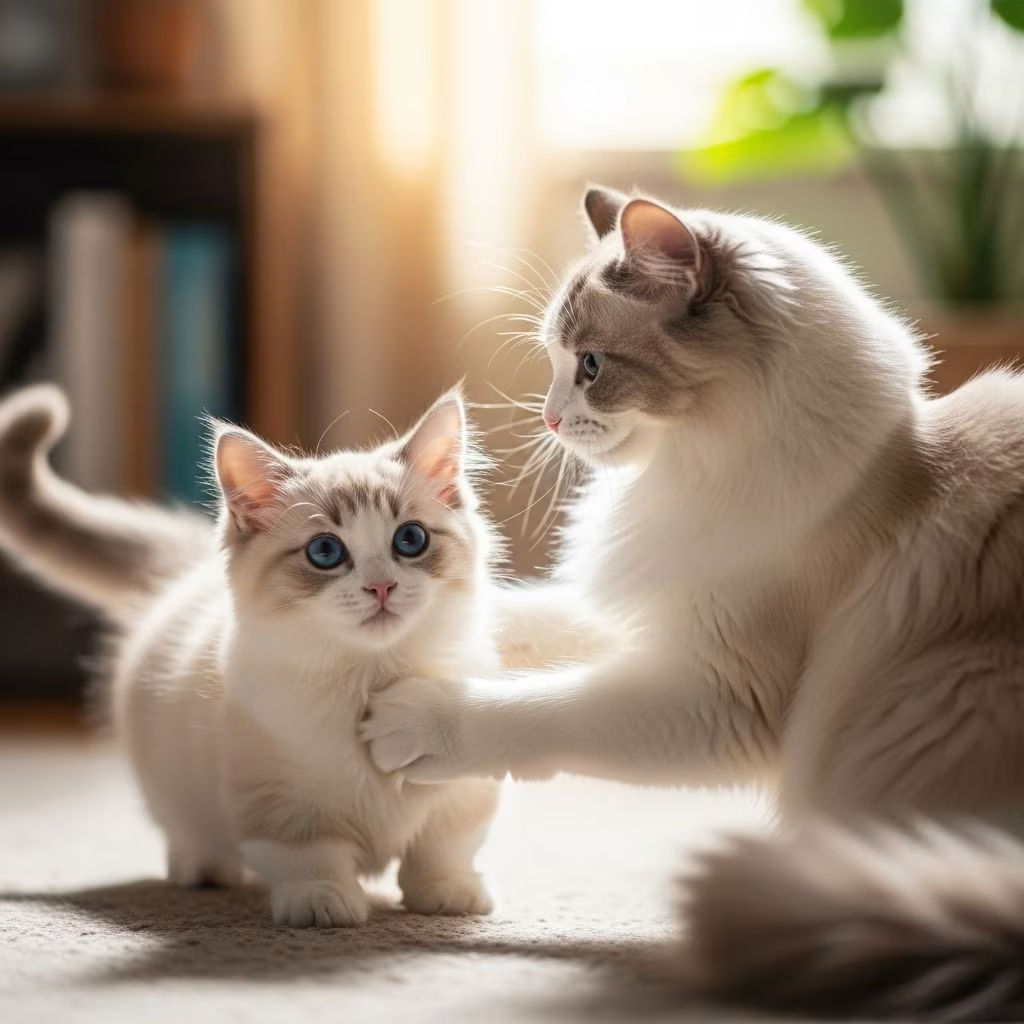
The intersection of two beloved cat breeds has created one of the most endearing designer cat companions available today. When Ragdoll genetics combine with Munchkin characteristics, the result is a feline that captures the best qualities of both parent breeds while creating something entirely unique. These hybrid cats have gained popularity among pet enthusiasts seeking a companion that offers both companionship and adaptability to various living situations.
Understanding what makes these cats special requires exploring their physical attributes, behavioral tendencies, health considerations, and compatibility with different households. Whether you’re considering welcoming one into your home or simply curious about this distinctive breed, this guide provides comprehensive insights into every aspect of Ragdoll Munchkin mix ownership.
Understanding the Physical Makeup of This Hybrid Breed
The most striking feature of Ragdoll Munchkin mix cats is their diminutive stature combined with features that evoke their larger Ragdoll heritage. These cats typically achieve heights between 5 to 9 inches, making them significantly more compact than their purebred Ragdoll counterparts, which can reach 10 inches or more. Weight typically ranges from 5 to 10 pounds, ensuring these felines remain manageable in size while maintaining the robust build characteristic of Ragdolls.
The physical appearance of these hybrids creates an instantly recognizable silhouette. Short, sturdy legs inherited from the Munchkin breed support a body that mirrors the Ragdoll’s semi-foreign build. The result resembles a miniaturized version of a purebred Ragdoll, complete with proportionate body structure and graceful positioning. This distinctive look has contributed significantly to their appeal among cat lovers who appreciate both aesthetics and personality.
Regarding coat characteristics, these cats display medium-length fur that requires moderate maintenance compared to Persian breeds but more attention than short-haired varieties. The coat typically demonstrates minimal shedding despite its length, making grooming more manageable for owners with busy schedules. The texture combines the softness characteristic of Ragdolls with practical durability.
Color Patterns and Markings
Ragdoll Munchkin mixes inherit the distinctive colorpoint patterns that make Ragdolls so visually striking. These patterns manifest in several variations that reflect their breed heritage. The traditional colorpoint appearance features darker pigmentation concentrated on the ears, facial mask, tail, and legs, while the body maintains lighter coloring. This creates a striking contrast that develops more prominently as kittens mature, with newborns typically born entirely white.
Additional pattern variations include bicolor configurations, where white markings appear prominently on the face in distinctive inverted V shapes, across the chest, and extending down the legs. Mitted patterns showcase white markings resembling small socks on the paws, often accompanied by white chest patches and chin markings. Available color expressions span red, blue, cream, chocolate, seal, and various combinations thereof, offering considerable aesthetic diversity within the breed.
The eye coloration in these hybrids typically presents as blue or blue-green, inherited from Ragdoll genetics. This feature, combined with the color patterns, creates a striking facial expression that many cat enthusiasts find irresistible.
Personality Traits That Define These Companion Cats
Perhaps the most compelling reason people choose Ragdoll Munchkin mixes involves their exceptional temperament. These cats blend the gentle, easygoing nature of Ragdolls with the playful energy and intelligence of Munchkins, creating personalities that appeal to diverse household dynamics. Most demonstrate a remarkable degree of social awareness, often displaying genuine interest in their human companions and family activities.
These hybrids tend to be sweet-natured without being overly demanding or aggressive. They enjoy interactive play sessions with appropriate toys and teaser wands but don’t require extensive physical exercise due to their smaller size and limited energy expenditure compared to larger breeds. This makes them particularly suitable for apartment dwellers and individuals with mobility considerations.
One of the most distinctive behavioral traits appears in their tendency to follow household members from room to room, demonstrating a dog-like devotion that sets them apart from many feline companions. Rather than maintaining the independence stereotypically associated with cats, these hybrids actively seek proximity and interaction with their human families. They typically greet visitors with calm curiosity rather than hiding, showing comfort in social situations and new environments.
The Famous Ragdoll Flop Behavior
One characteristic that defines many Ragdoll Munchkin mixes is the distinctive “Ragdoll flop”—a behavioral response inherited from their Ragdoll heritage. When picked up or held, these cats tend to go completely limp and relaxed, becoming almost like a soft plush toy in their owner’s arms. This unusual response contrasts sharply with typical feline behavior, where cats maintain muscle tension and readiness to escape when being held.
This tendency toward complete relaxation when handled makes these cats exceptionally pleasant to hold and cuddle. It reflects their innate trust in human companions and their adaptability to being held for extended periods. This trait makes them particularly good candidates for families with children who want interactive, touchable companions.
Distinctive Communication Styles
Ragdoll Munchkin mixes typically exhibit soft, melodic vocalization patterns rather than the loud, demanding vocalizations associated with Siamese breeds. Their communication style includes gentle purring, occasional chirping or trilling when excited, and generally quiet meowing used to request attention or interact with family members. This vocal restraint contributes to their suitability for apartment living and close-quartered households.
Interestingly, these cats often “chirp” or make bird-like sounds when watching birds through windows or observing outdoor activity, a behavior common to many feline breeds. Their overall communication reflects their gentle temperament and preference for pleasant interaction over demanding behavior.
Understanding Their Unique Movement Capabilities
Despite their noticeably short legs, Ragdoll Munchkin mixes display surprising agility and speed. The low center of gravity provided by their Munchkin heritage enables these cats to navigate corners with remarkable precision and move quickly across various surfaces. Many owners describe them as having the agility of sports cars, capable of impressive acceleration despite their compact stature.
A peculiar behavior frequently observed in these cats involves standing on their hind legs in a prairie dog-like posture. They assume this position when attempting to gain better perspective on elevated objects, reach higher surfaces, or observe something of particular interest. This amusing behavior endears them further to their owners and adds personality to daily interactions.
Their mobility belies their size, and owners often report surprise at how quickly their cats can cover distances or access areas that seem challenging given their short legs. This capability, combined with their intelligence and curiosity, means environmental enrichment and safe spaces become important considerations for responsible ownership.
Health Considerations for Responsible Ownership
Like all purebred and hybrid cats, Ragdoll Munchkin mixes have specific health considerations that prospective owners should understand. While generally robust, they inherit certain predispositions from both parent breeds that warrant attention and preventive care.
Weight Management and Obesity Concerns
Ragdoll cats and their mixes show a tendency toward easy weight gain, making obesity a genuine health concern. Excess weight can precipitate serious conditions including diabetes, osteoarthritis, and other metabolic diseases. Proper nutrition, portion control, and appropriate exercise become critical components of maintaining optimal health throughout these cats’ lives. Weight management should begin from kittenhood and continue consistently throughout adulthood.
Skeletal and Joint Health Issues
Munchkins carry genetic predispositions toward certain skeletal conditions. Osteoarthritis represents a primary concern, particularly as these cats age. Some Munchkin lines may also carry tendencies toward skeletal deformities such as lordosis (excessive curvature of the spine) and pectus excavatum (indentation of the chest wall). However, research indicates that the short legs characteristic of Munchkins don’t typically cause spinal problems in otherwise healthy adult cats.
Regular veterinary examinations become essential for early detection and management of any developing joint or skeletal issues. Maintaining appropriate weight significantly reduces stress on joints and can prevent or delay onset of degenerative conditions.
Routine Veterinary Care Requirements
These cats benefit from annual veterinary examinations when young and healthy, with increased frequency as they age. Regular check-ups allow veterinarians to monitor for early signs of obesity, joint issues, or other health concerns. Vaccinations, dental care, and parasite prevention should follow standard feline protocols. Discussing any breed-specific concerns with a veterinarian experienced with Munchkin hybrids ensures comprehensive care tailored to individual cats’ needs.
Living Arrangements and Environmental Suitability
The compact size and moderate exercise requirements of Ragdoll Munchkin mixes make them exceptional candidates for apartment living. Unlike larger, more active breeds that require substantial space for climbing and exercise, these hybrids adapt readily to confined living arrangements. Their relatively low energy levels and contentment with indoor living remove many obstacles associated with apartment cat ownership.
These cats don’t require extensive outdoor space or elaborate cat trees, though environmental enrichment remains important. Window perches, interactive toys, and regular human interaction satisfy their physical and psychological needs effectively. Their adaptability extends to various household configurations, from single-person apartments to large family homes with multiple pets.
The combination of their small size, manageable exercise requirements, and sociable temperament makes them particularly suitable for seniors, individuals with limited mobility, and first-time cat owners. They provide meaningful companionship without demanding extensive physical exertion from their caretakers.
Nutritional Requirements and Feeding Guidelines
Proper nutrition forms the foundation of health maintenance for Ragdoll Munchkin mixes. High-quality commercial cat foods formulated for indoor cats typically meet their nutritional requirements. The emphasis should rest on portion control and consistent feeding schedules to prevent obesity. Many owners find success with measured portions rather than free-feeding, which can contribute to weight gain in breeds predisposed to it.
Consultation with veterinarians regarding appropriate caloric intake, considering individual cats’ age, activity level, and metabolism, ensures optimal nutrition without excess. Some cats may benefit from specialized dietary formulations if they develop certain health conditions, making veterinary guidance valuable throughout their lives.
Grooming and Coat Maintenance
Despite their medium-length coats, Ragdoll Munchkin mixes require less intensive grooming than some long-haired breeds. Regular brushing—typically two to three times weekly—helps minimize shedding and prevents matting. This routine grooming also provides bonding opportunities between owners and cats while allowing early detection of skin issues or parasites.
Nail trimming every two to three weeks maintains proper foot health and reduces furniture damage. Ear cleaning and dental care should follow standard feline health protocols. Many cats of this breed tolerate grooming well, viewing it as additional attention time rather than an unpleasant obligation.
Suitability for Different Family Structures
These hybrid cats demonstrate remarkable compatibility with diverse household dynamics. Their gentle temperament and patience make them excellent companions for families with children, showing exceptional tolerance during play and handling. Their social nature means they thrive in homes with multiple pets, often initiating friendly interactions with other cats and even dogs. Senior citizens and individuals living alone find these cats provide meaningful companionship without demanding strenuous play or extensive care routines.
Their calm demeanor and minimal aggression make them trustworthy around unpredictable situations that might stress other feline breeds. This adaptability across household types contributes significantly to their growing popularity as designer companion animals.
Frequently Asked Questions About Ragdoll Munchkin Mixes
What is the typical lifespan of a Ragdoll Munchkin mix?
These cats generally live between 12 to 15 years with proper care, nutrition, and regular veterinary attention. Some individuals may exceed this range, particularly those maintained at healthy weights and receiving preventive health care.
Are these cats suitable for first-time cat owners?
Yes, their calm temperament, low exercise requirements, and affectionate nature make them excellent choices for individuals with no previous cat ownership experience. Their social nature and patience with handling create positive ownership experiences for newcomers to cat companionship.
Do Ragdoll Munchkin mixes require outdoor access?
These cats are ideally suited to indoor-only lifestyles. Their small size makes them vulnerable to outdoor hazards, and they adapt readily to apartment and indoor-only living. Providing window perches and interactive indoor enrichment satisfies their environmental needs.
How much exercise do these cats need daily?
Unlike highly active breeds, Ragdoll Munchkin mixes benefit from moderate interactive play—typically 15 to 30 minutes daily of engaging play with toys or their human companions. Their lower energy levels make them compatible with less active households.
What distinguishes them from purebred Ragdolls?
The primary distinction involves size; mixes remain significantly smaller than purebred Ragdolls. They also typically exhibit slightly more playful and adventurous behavior inherited from Munchkin ancestry while maintaining the Ragdoll’s signature gentleness and affection.
Concluding Thoughts on This Charming Hybrid
Ragdoll Munchkin mix cats represent an intriguing intersection of two distinctive breeds, creating companions that combine physical charm with exceptional personality traits. Their compact size, gentle temperament, and adaptability to various living situations address the needs and preferences of diverse cat-loving households. The carefully balanced combination of Ragdoll sweetness and Munchkin playfulness produces felines that offer both companionship and entertainment without demanding extensive care routines.
For prospective owners seeking a social, affectionate, and apartment-friendly companion that brings personality and charm to their homes, Ragdoll Munchkin mixes deserve serious consideration. Their suitability for families, seniors, and first-time cat owners, combined with their health and longevity potential, makes them rewarding additions to the right households. With appropriate care, nutrition, and veterinary attention, these delightful hybrids provide years of companionship and joy to their devoted families.
References
- Ragdoll Breed Characteristics and Health Overview — The International Cat Association (TICA). Accessed January 2026. https://tica.org
- Munchkin Cat Breed Standard and Genetic Health Considerations — Cat Fanciers’ Association (CFA). Accessed January 2026. https://cfa.org
- Feline Obesity and Associated Health Risks in Domestic Cats — Journal of the American Veterinary Medical Association. 2023. https://avmajournals.avma.org
- Designer Cat Breeds: Care and Health Management — American Animal Hospital Association (AAHA). 2025. https://aaha.org
- Skeletal Deformities in Short-Legged Cat Breeds: Current Research and Findings — Veterinary Medicine Today. 2024. https://vetmedtoday.org



