

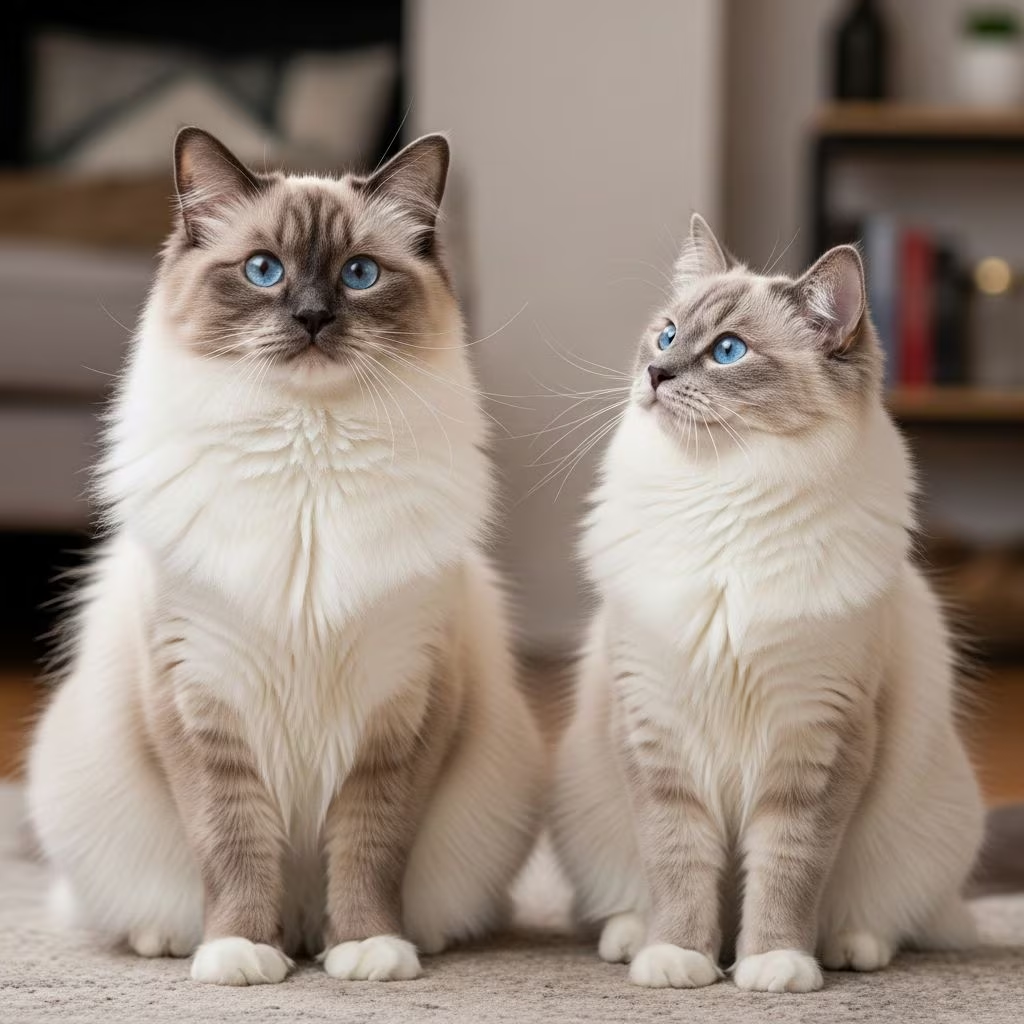
Ragdoll cats represent one of the most beloved breeds due to their striking blue eyes, plush coats, and exceptionally gentle dispositions. Originating in the United States during the 1960s, this breed was developed by breeder Ann Baker from a white longhaired cat named Josephine, whose relaxed demeanor when handled inspired the name “Ragdoll.” While both genders share these core traits, males and females exhibit noticeable differences in size, behavior, and care requirements, influencing their suitability for various households.
Origins and Development of the Ragdoll Breed
The Ragdoll breed emerged in California, where selective breeding emphasized docility, affectionate nature, and distinctive colorpoint patterns. Unlike many cats that resist handling, Ragdolls were bred to go limp like a doll when picked up, a trait stemming from early foundation cats. Today, recognized by organizations like the Cat Fanciers’ Association (CFA), Ragdolls are prized for their adaptability to indoor living and compatibility with families. Both males and females inherit this heritage, but physical maturation varies by gender, with males often developing more substantially over time.
Physical Differences Between Male and Female Ragdolls
One of the most apparent distinctions lies in body size and build. Male Ragdolls typically reach larger dimensions, averaging 10-16 inches in height at the shoulder and weighing 12-20 pounds or more as adults. Females, in contrast, are smaller, measuring 8-14 inches tall and weighing 8-15 pounds. This sexual dimorphism is common in many large cat breeds, where males develop heavier bone structure and broader frames to support their greater mass.
Ragdolls possess semi-longhair coats with a silky texture and no dense undercoat, reducing matting but requiring regular maintenance. Coat coloration follows pointed patterns—darker shades on ears, face, legs, and tail against a lighter body—available in hues like seal, blue, chocolate, and lilac. Both genders display these patterns, though males’ larger bodies can make their points appear more pronounced. Eye color remains a vivid blue in all Ragdolls, a hallmark trait.
| Trait | Male Ragdolls | Female Ragdolls |
|---|---|---|
| Height | 10-16 inches | 8-14 inches |
| Weight | 12-20+ lbs | 8-15 lbs |
| Body Build | Broad, muscular, rectangular | Slender, firm |
| Maturation | Slower, full size by 3-4 years | Faster, mature earlier |
This table highlights key physical variances, supported by breed standards from authoritative sources. Males’ robust builds make them imposing yet gentle giants, while females offer a more compact presence.
Temperament Variations by Gender
Ragdolls are renowned for their placid, loving personalities, often described as “puppy-like” due to their tendency to follow owners and enjoy interactive play. Both sexes crave human companionship, forming deep bonds and adapting well to multi-pet homes or children when properly socialized. However, subtle temperament differences emerge: males tend to be more outgoing and playful, engaging in vigorous sessions and vocalizing with soft mews or chirps. Females often display a quieter, more reserved affection, preferring lap-sitting and gentle interactions.
- Males: Bold explorers who greet visitors warmly and thrive on play, sometimes exhibiting higher energy levels.
- Females: Nurturing and intuitive, often sensing owners’ moods and providing calm comfort.
- Shared Traits: Non-aggressive, trainable (e.g., fetching toys), and tolerant of handling.
These qualities make Ragdolls ideal for apartments or busy families, though their trusting nature suits indoor-only lifestyles to avoid outdoor risks.
Grooming and Maintenance Needs
The semi-long coat of Ragdolls sheds moderately, more noticeably in males due to their size, necessitating weekly brushing to prevent tangles and distribute natural oils. Females may require slightly less effort but benefit from the same routine. Bathing is infrequent, as their fur repels dirt effectively. Nail trims every 10-14 days and ear cleaning prevent common issues.
Males’ larger frames demand portion-controlled diets to avoid obesity, with high-protein foods supporting muscle maintenance. Females, especially during heat cycles if not spayed, need balanced nutrition for hormonal health. Dental care is crucial for both, as their relaxed demeanor allows easy toothbrushing.
Health Considerations for Males and Females
Ragdolls enjoy lifespans of 12-17 years with proper care, though hypertrophic cardiomyopathy (HCM)—a heart condition—is a breed concern screened by responsible breeders. Males face higher risks of urinary tract issues due to anatomy, while unspayed females may encounter mammary tumors or pyometra. Regular vet check-ups, genetic testing, and early spaying/neutering mitigate these.
Exercise through interactive toys keeps both genders fit, countering their laid-back tendencies. Males benefit from climbing structures to channel energy, whereas females enjoy puzzle feeders for mental stimulation.
Suitability for Different Lifestyles
Choosing between a male or female Ragdoll depends on household dynamics. Larger males suit spacious homes with active families, providing playful companionship. Smaller females excel in smaller spaces or with elderly owners, offering serene affection. Both integrate well with dogs and kids via gradual introductions and positive reinforcement.
Training and Socialization Tips
Ragdolls’ intelligence shines in training; teach commands like “sit” or “come” using treats. Socialize kittens early with diverse stimuli. Males may need more outlets for exuberance, while females respond to calm routines.
- Use clicker training for play-based learning.
- Provide vertical spaces like cat trees.
- Monitor diet to maintain ideal weight.
Pros and Cons of Each Gender
| Aspect | Male Pros | Male Cons | Female Pros | Female Cons |
|---|---|---|---|---|
| Size | Impressive presence | More food/space needed | Compact, easier to handle | Less imposing |
| Personality | Fun, energetic playmate | Potentially rowdy | Gentle, intuitive | Less boisterous |
| Care | Trainable companion | Higher grooming volume | Lower maintenance | Heat cycles if intact |
Frequently Asked Questions (FAQs)
Are male Ragdolls bigger than females?
Yes, males are substantially larger, often 20-30% heavier and taller.
Do female Ragdolls make better lap cats?
Both excel, but females tend toward quieter cuddling.
What’s the lifespan of Ragdoll cats?
Typically 12-17 years with good care.
Are Ragdolls good with children?
Exceptionally so, due to their patient nature.
How often should I groom a Ragdoll?
Brush weekly; more during shedding seasons.
Choosing Your Ideal Ragdoll Companion
Whether selecting a majestic male or elegant female, prioritize breeders who health-test for HCM and provide early socialization. Ragdolls enrich lives with unwavering loyalty, making gender a matter of preference rather than limitation. Their blend of beauty, gentleness, and playfulness ensures endless joy.
References
- Ragdoll: Cat Breed Traits & Characteristics — Whiskas.co.uk. Accessed 2026. https://www.whiskas.co.uk/cat-breeds/ragdoll
- Ragdoll — Wikipedia.org. Accessed 2026. https://en.wikipedia.org/wiki/Ragdoll
- 7 Irresistible Ragdoll Cat Personality Traits — YouTube.com (RagdollLove). 2019-05-22. https://www.youtube.com/watch?v=SzsFaA9-pPM
- Characteristics of Ragdoll Cats — PetCareRx.com. Accessed 2026. https://www.petcarerx.com/article/characteristics-of-ragdoll-cats/3468
- Ragdoll — CFA.org (Cat Fanciers’ Association). Accessed 2026. https://cfa.org/breed/ragdoll/
- Ragdoll: Personality, Diet, Grooming, Training — Petplan.co.uk. Accessed 2026. https://www.petplan.co.uk/cat-insurance/cat-breeds/ragdoll.html
- Ragdoll Cat Breed — Hillspet.com. Accessed 2026. https://www.hillspet.com/cat-care/cat-breeds/ragdoll



