

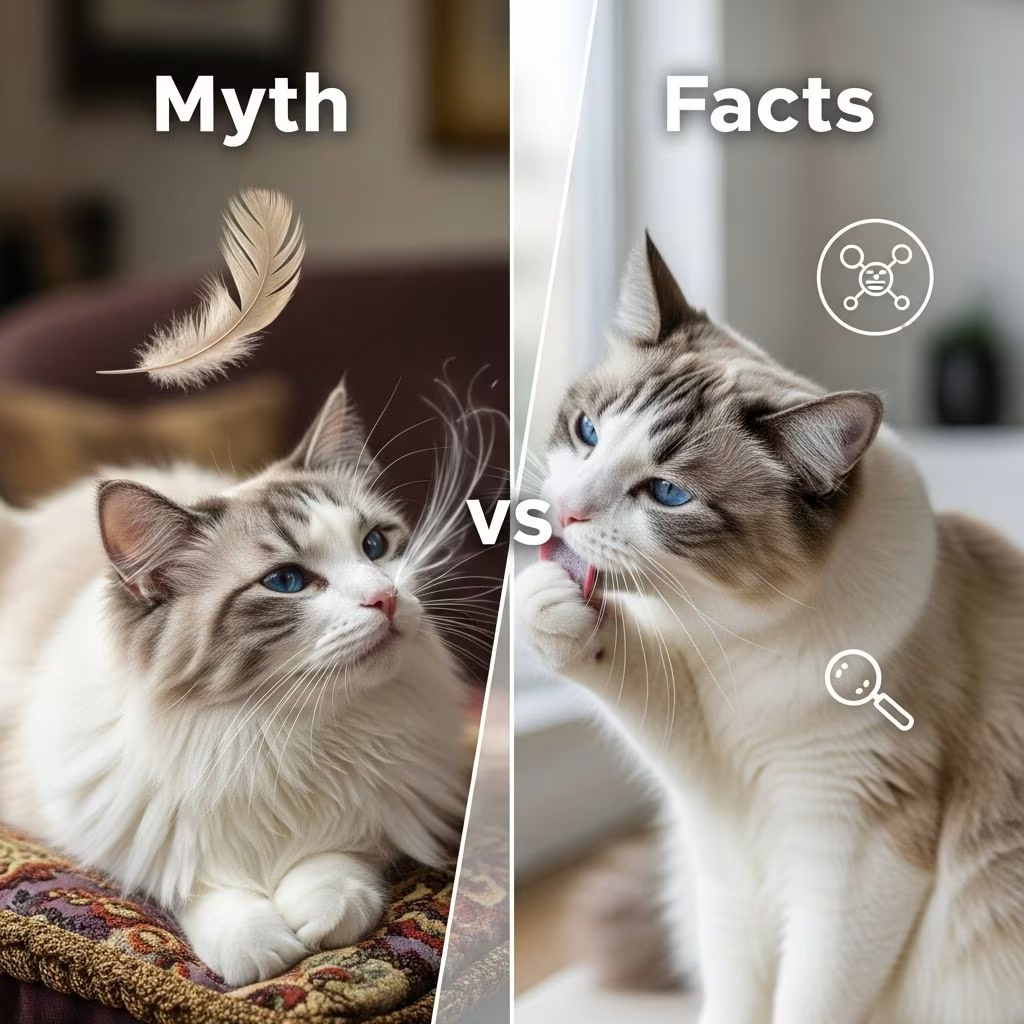
Ragdoll cats captivate many with their striking blue eyes, plush coats, and affectionate personalities, but a common question arises for allergy-prone individuals: are they suitable companions? While often praised for being easier on sensitive noses, Ragdoll cats are not hypoallergenic. They produce the same primary allergen, Fel d 1, found in all domestic cats. However, certain breed traits can make them more tolerable for some people with mild allergies.
Understanding Cat Allergies: The Role of Fel d 1
Cat allergies stem primarily from Fel d 1, a potent protein secreted in feline saliva, skin glands, and urine. Contrary to popular belief, it’s not the fur itself that causes reactions but this protein, which cats spread through grooming. As they lick their coats, Fel d 1 adheres to hair shafts and flakes off as dander, becoming airborne and triggering immune responses in sensitive humans.
Symptoms vary widely but often include itchy eyes, nasal congestion, sneezing, coughing, skin rashes, and in severe cases, asthma attacks. Approximately 10-20% of the global population experiences cat allergies, making informed breed selection crucial for pet lovers. Females and neutered males tend to produce less Fel d 1 than intact males, offering a slight edge regardless of breed.
Why Ragdolls Seem Allergy-Friendly
Ragdolls earn their reputation through physical and behavioral attributes that minimize allergen spread, even if they don’t eliminate it. Their semi-long, silky coat lacks a dense undercoat, leading to reduced shedding compared to double-coated breeds. This means fewer loose hairs carrying Fel d 1 circulate in the home environment.
- Minimal Undercoat: Breed standards emphasize a plush guard hair layer without undercoat, curbing excessive fur loss.
- Less Frequent Grooming: Ragdolls self-groom moderately, depositing less saliva—and thus less Fel d 1—onto their fur.
- Calm Demeanor: Their laid-back, low-energy lifestyle reduces activity that stirs up dust and dander.
- Potential Lower Fel d 1 Levels: Anecdotal evidence and some breeder reports suggest individual Ragdolls may secrete reduced amounts of the protein.
These factors combine to create a lower-allergen household for many owners, though experiences differ. Some report no symptoms, while others need management strategies.
Comparing Ragdolls to Other Breeds
No feline is 100% hypoallergenic, as all produce Fel d 1 to varying degrees. Ragdolls stack up favorably against high-shedders but lag behind breeds genetically low in the allergen. Here’s a comparison:
| Breed | Shedding Level | Fel d 1 Production | Suitability for Allergies |
|---|---|---|---|
| Ragdoll | Low-Moderate | Standard | Good for mild cases |
| Siberian | Moderate | Low (genetic) | Excellent |
| Balinese | Low | Low | Excellent |
| Sphynx | None | Standard | Moderate (dander/saliva issue) |
| Persian | High | Standard | Poor |
Siberians and Balinese lead due to natural low-Fel d 1 traits, while hairless Sphynx still pose risks from skin and saliva. Ragdolls shine for families seeking dog-like companionship without extreme shedding.
Breed Characteristics That Influence Allergen Exposure
Beyond allergies, Ragdolls’ profile enhances their appeal. Originating in the 1960s from a white longhair crossed with Birman influences, they grow large—males 15-20 pounds, females 10-15—with striking pointed colorations and vivid blue eyes. Their ragdoll trait, going limp when picked up, reflects a docile temperament ideal for homes with children or other pets.
Maintenance is straightforward: weekly brushing prevents mats without overstimulating grooming. They thrive indoors, adapting well to apartments due to moderate activity levels. Health-wise, screen for hypertrophic cardiomyopathy (HCM), a breed concern, via reputable breeders.
Practical Strategies for Allergy Sufferers with Ragdolls
If testing confirms Ragdolls work for you, proactive steps minimize issues:
- Spend Time First: Visit breeders or fosters for extended exposure to gauge reactions.
- Choose Wisely: Opt for females or neutered males; inquire about parental allergy testing.
- Home Setup: Use HEPA air purifiers, wash bedding weekly in hot water, vacuum with allergen filters, and banish carpets.
- Grooming Aids: Apply allergen-neutralizing sprays like Pacagen to fur; bathe monthly with gentle shampoos to rinse dander.
- Nutrition Tweaks: Feed high-protein, low-carb diets with fresh meats to promote skin health and reduce dander.
- Special Foods: Purina Pro Plan Live Clear binds Fel d 1 in saliva, reducing active allergen by up to 47% per studies.
For severe allergies, consult allergists about immunotherapy shots or sublingual drops, which desensitize over time.
Real Owner Experiences and Expert Insights
Anecdotes abound: many with mild allergies thrive with Ragdolls, noting fewer flare-ups than with prior pets. One breeder highlights how the coat’s texture traps dander better than wiry furs. Pediatric allergists recommend trial periods, as children’s sensitivities evolve.
Research underscores variability—Fel d 1 output fluctuates by individual cat, sex, neuter status, and environment. A balanced diet supports coat integrity, indirectly aiding humans.
Health and Wellness Tips for Ragdoll Owners
To optimize your Ragdoll’s well-being—and minimize allergens—prioritize:
- Annual vet checkups for HCM screening via echo.
- Weight management; their size predisposes to obesity.
- Interactive play to prevent boredom-induced overgrooming.
- Quality nutrition: Aim for 90%+ animal protein sources like tuna or salmon for optimal skin.
These practices foster a healthier cat, correlating with less dander production.
Frequently Asked Questions
Are Ragdoll kittens better for allergies?
Kittens produce less Fel d 1 initially, but levels rise post-maturity. Early neutering helps.
Can I make my Ragdoll more allergy-friendly?
Yes, via diet, sprays, grooming, and home hygiene.
What’s the best diet for reducing cat dander?
High-meat, low-grain formulas enhance coat health, cutting shedding.
Do all Ragdolls shed the same?
No, but most shed moderately without undercoat.
Is there a truly hypoallergenic cat?
No breed is fully free of Fel d 1.
References
- Allergy to Ragdoll cat 101: Factors & Overview — Curex. 2023. https://getcurex.com/pet-101/is-ragdoll-cat-hypoallergenic
- Do Ragdoll Cats Cause Allergies? — Pastel Ragdolls. 2024. https://www.pastelragdolls.com/blog/do-ragdoll-cats-cause-allergies
- Are Ragdoll cats hypoallergenic? Find out now! — Untamed. 2024. https://untamed.com/blogs/cat-breeds/are-ragdoll-cats-hypoallergenic
- Are Ragdoll Cats Hypoallergenic? Everything You Need to Know — Posh Raggies. 2023. https://poshraggies.com/blog/are-ragdoll-cats-hypoallergenic/
- Why is a Ragdoll the Best Cat for Allergies — Midwest Ragdolls. 2024. https://midwestragdolls.com/best-cat-for-allergies/
- Hypoallergenic Cats: Facts, Details, and Breed Guide — Litter-Robot. 2023. https://www.litter-robot.com/blog/infographic-8-hypoallergenic-cat-breeds/
- What to Know About a Ragdoll Cat — WebMD. 2025-01-15. https://www.webmd.com/pets/cats/what-to-know-about-a-ragdoll-cat



