

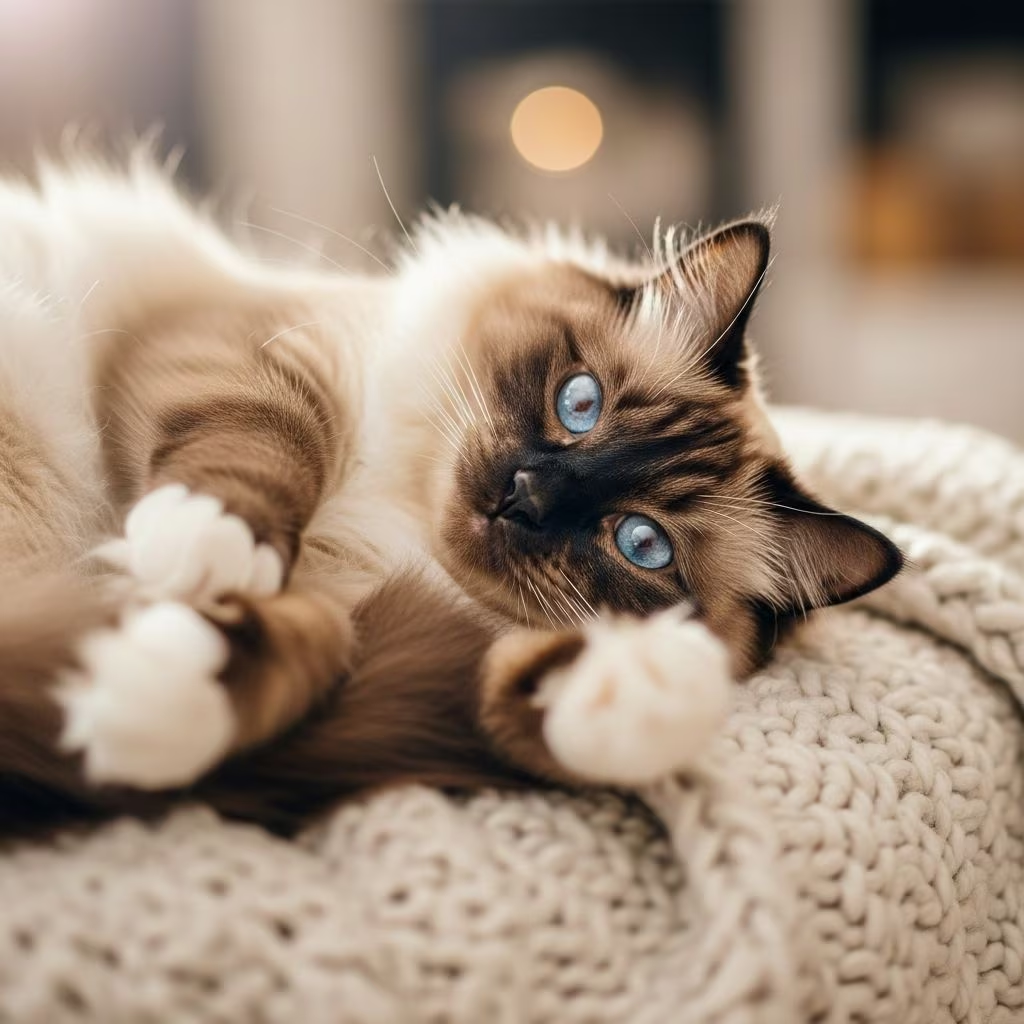
Ragdoll cats stand out as one of the most loving and sociable feline breeds, renowned for their gentle nature and tendency to relax completely when held, earning them their unique name. These large, blue-eyed beauties combine a plush coat with a personality that rivals a loyal dog, making them ideal for households seeking a devoted companion.
Origins and Development of the Breed
The Ragdoll breed emerged in the 1960s in California, thanks to breeder Ann Baker, who selectively crossed cats to create this distinctive line. Starting from a white cat named Josephine, believed to carry unique genetic traits for docility, Baker aimed to produce felines with exceptional gentleness and striking appearances. Over time, the breed gained popularity in the United States and United Kingdom for its calm temperament and affectionate behavior.
Unlike many cat breeds with ancient roots, Ragdolls are a modern creation, refined through careful breeding to emphasize their floppy relaxation when picked up—a trait that inspired their name, reminiscent of a child’s ragdoll toy. This selective process has resulted in cats that are not only visually appealing but also emotionally attuned to humans.
Distinctive Physical Features
Ragdolls are medium-to-large cats with substantial, muscular builds, often weighing 10-20 pounds, and taking up to three years to fully mature. Their semi-long, silky coats lack an undercoat, reducing matting and shedding compared to other longhaired breeds. The fur is soft and plush, with colorpoint patterns where darker shades appear on the ears, face, legs, tail, and paws against a lighter body.
Key physical hallmarks include:
- Oval-shaped blue eyes: Large and vivid, a signature trait visible from kittenhood.
- Large paws and tail: Tufted paws and a long, bushy tail add to their substantial presence.
- Rectangular body: Broad chest, heavy boning, and a firm, muscular frame without excess fat.
- Medium ears: Wide-set with rounded tips, tilted forward.
Coat variations are diverse, grouped into patterns like solid points, lynx, tortie, and bicolor or mitted overlays with white markings on paws and belly. Common colors include seal, chocolate, blue, and lilac points, each with specific tonal shades for body and extremities.
| Pattern Type | Body Color | Point Color | Example |
|---|---|---|---|
| Seal Point | Pale fawn to cream | Deep seal brown | Classic dark points |
| Chocolate Point | Ivory | Milk-chocolate | Warm, medium tones |
| Blue Point | Blush white | Deep blue-grey | Cool, diluted shade |
| Lynx Point | Cream or fawn | Tabby-mottled points | Striped extremities |
This table highlights primary color groups, showcasing the breed’s versatility while maintaining the iconic pointed design.
The Affectionate Personality That Captivates
What truly sets Ragdolls apart is their unparalleled affection. Often described as “dog-like cats,” they follow owners room-to-room, greet arrivals at the door, and seek physical closeness without being clingy or demanding. Their calm, placid demeanor makes them flop limply when lifted, a genetic hallmark passed through generations.
Owners frequently note these endearing traits:
- Relaxed and floppy when handled, promoting easy cuddling.
- Sociable with strangers, children, and other pets after proper introductions.
- Gentle play style, rarely using claws, ideal for families.
- Attuned to human emotions, offering quiet support during tough times.
- Trainable for tricks like fetching, enhancing their interactive appeal.
Unlike vocal breeds, Ragdolls communicate softly, sometimes with gentle mews, and enjoy moderate activity like short play bursts rather than constant high energy.
Why Ragdolls Excel in Family Environments
Ragdolls thrive in homes with children, dogs, and other cats due to their patient, non-aggressive nature. They tolerate handling well, making them forgiving of enthusiastic kids, though supervision ensures respect for their space. Their laid-back attitude suits apartments or busy households, adapting without needing vast territories.
For multi-pet homes, gradual introductions prevent overwhelming their trusting disposition. They rarely hiss or scratch, fostering harmony, but their size requires sturdy scratching posts and safe perches to avoid clumsiness-related mishaps.
Grooming and Everyday Care Essentials
Despite their semi-long fur, Ragdolls are low-maintenance groomers. Weekly brushing distributes oils, removes loose hair, and prevents minor tangles, as their single coat sheds seasonally but not excessively.
Care routine includes:
- Brushing: 2-3 times weekly with a slicker brush.
- Bathing: Rare, only if soiled; they self-clean effectively.
- Nail trims: Every 2-3 weeks to maintain paw health.
- Dental care: Brushing and dental treats to combat plaque.
- Eyes and ears: Wipe eyes daily to prevent tearing stains; check ears weekly.
Feed high-quality, protein-rich food suited to their large frames, monitoring portions to prevent obesity, as they mature slowly.
Health Considerations for Longevity
Ragdolls live 12-17 years with proper care, but like many purebreds, they face breed-specific risks. Hypertrophic cardiomyopathy (HCM), a heart condition, warrants annual screenings via ultrasound. Other concerns include polycystic kidney disease (PKD) and urinary issues, mitigated by wet food diets and hydration.
Choose breeders who test for genetic conditions, and schedule regular vet visits. Their docile nature can mask pain, so monitor behavior changes closely.
Training and Enrichment Activities
Highly intelligent, Ragdolls respond to positive reinforcement training. Teach commands like “sit,” “come,” or fetching toys using treats and praise. Interactive toys, puzzle feeders, and window perches keep them mentally stimulated without overexertion.
Daily 10-15 minute play sessions with wand toys mimic hunting, satisfying instincts while bonding. Their adaptability makes clicker training effective for polite behaviors like waiting at doors.
Pros and Cons of Owning a Ragdoll
| Pros | Cons |
|---|---|
| Exceptionally loving and gentle | Large size requires space and food |
| Great with kids and pets | Slow to mature (up to 3-4 years) |
| Low grooming needs | Potential for genetic health issues |
| Trainable and interactive | Indoor-only to protect trusting nature |
This comparison aids prospective owners in weighing the joys against practicalities.
Frequently Asked Questions (FAQs)
Are Ragdoll cats good for first-time owners?
Yes, their forgiving temperament and low-maintenance care make them excellent for beginners.
Do Ragdolls shed a lot?
Moderately, more than shorthairs but less than double-coated breeds; weekly brushing suffices.
Can Ragdolls be left alone during the day?
They prefer company but adapt if provided toys and perches; not ideal for long absences.
Are all Ragdolls blue-eyed?
Yes, vivid blue eyes are a breed standard from kittenhood.
How do I choose a healthy Ragdoll kitten?
Select from reputable breeders with health-tested parents; check for HCM/PKD clearances.
References
- What to Know About a Ragdoll Cat — WebMD. 2023. https://www.webmd.com/pets/cats/what-to-know-about-a-ragdoll-cat
- Ragdoll — Wikipedia. 2024-01-15. https://en.wikipedia.org/wiki/Ragdoll
- 7 Irresistible Ragdoll Cat Personality Traits — YouTube (RagdollLove). 2019-05-22. https://www.youtube.com/watch?v=SzsFaA9-pPM
- Ragdoll Facts — Wisdom Panel. 2024. https://www.wisdompanel.com/en-us/cat-breeds/ragdoll
- Ragdoll — Cat Fanciers’ Association. 2024. https://cfa.org/breed/ragdoll/
- Ragdoll: Personality, Diet, Grooming, Training — Petplan. 2024. https://www.petplan.co.uk/cat-insurance/cat-breeds/ragdoll.html



