

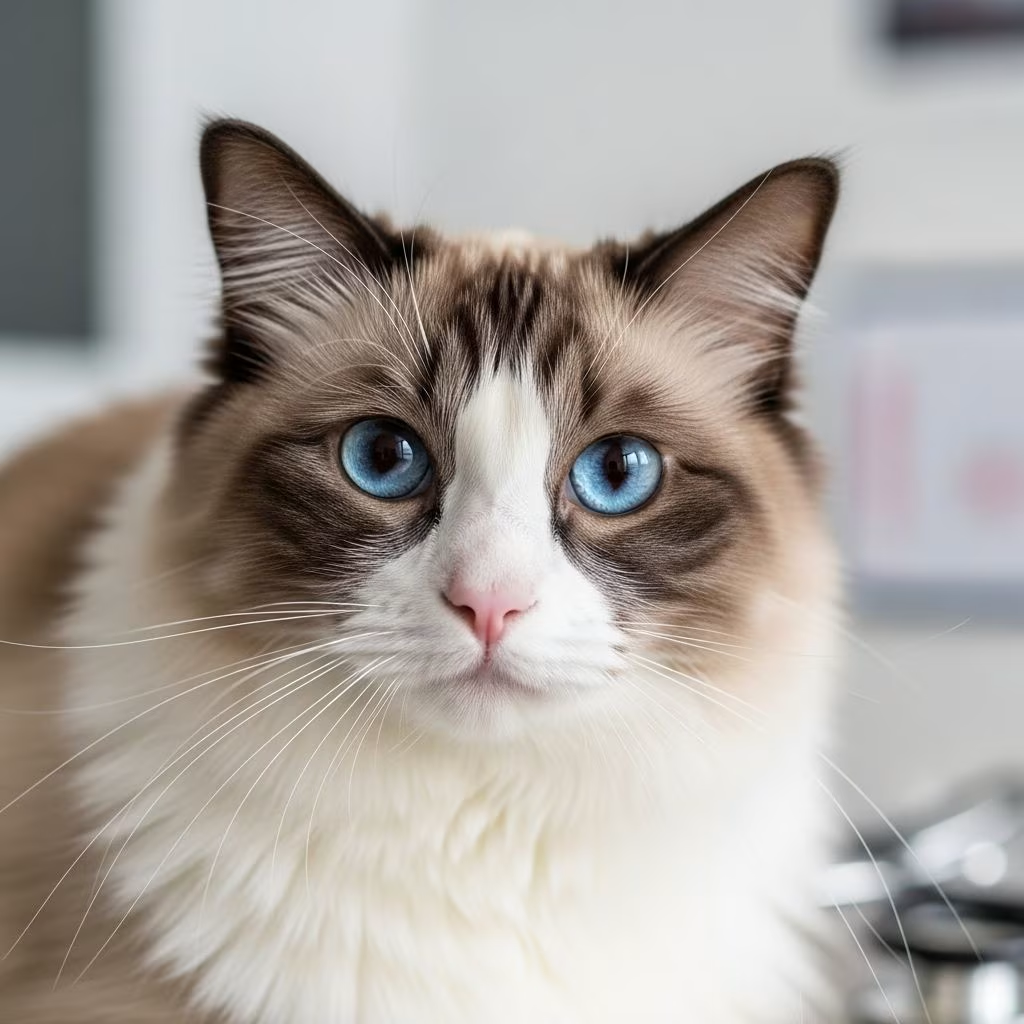
Ragdoll cats, known for their striking blue eyes, semi-long fur, and affectionate nature, face several breed-specific health vulnerabilities. These large, docile felines can live 12-17 years with proper care, but genetic predispositions and lifestyle factors heighten risks for conditions like cardiac disorders, renal failures, and joint problems. Understanding these issues empowers owners to implement targeted prevention and early interventions.
Genetic Predispositions in Ragdolls
Ragdolls descend from selective breeding, which has amplified certain hereditary conditions. Unlike mixed-breed cats with broader gene pools, purebreds like Ragdolls carry higher incidences of specific mutations. Responsible breeders now use genetic testing to screen for these markers, significantly reducing prevalence in newer generations. Key genetic threats include heart and kidney anomalies, which can manifest subtly before escalating.
- Hypertrophic Cardiomyopathy (HCM): Walls of the heart thicken, impairing blood flow. Often asymptomatic early on, it progresses to heart failure.
- Polycystic Kidney Disease (PKD): Cysts develop in kidneys, gradually eroding function and risking renal failure.
Annual echocardiograms and ultrasounds are recommended starting at age one for at-risk cats, allowing early detection when treatments like beta-blockers can extend life expectancy.
Cardiovascular Concerns
Heart conditions top the list of Ragdoll health worries. HCM affects up to 30% of the breed, per veterinary studies, due to a mutation in cardiac myosin-binding protein C. Symptoms include lethargy, rapid breathing, and fainting, but many cats show none until sudden collapse. Obesity exacerbates this by straining the heart further.
| Symptom | Early Sign | Advanced Indicator |
|---|---|---|
| Breathing Rate | >30 breaths/min at rest | Open-mouth breathing |
| Activity Level | Reduced playfulness | Complete reluctance to move |
| Gum Color | Pale or blue-tinged | Cold extremities |
Prevention involves weight management, low-sodium diets, and regular cardiac screenings. Medications and lifestyle adjustments can manage mild cases effectively.
Renal and Urinary Challenges
Kidney disease strikes Ragdolls earlier than average, often linked to PKD where cysts proliferate, compressing healthy tissue. Chronic kidney disease (CKD) symptoms mimic aging: excessive thirst, frequent urination, and weight loss. Urinary tract infections (UTIs) and bladder stones compound risks, especially in males with narrower urethras.
Hydration is paramount—wet food and fountains encourage intake. Diets formulated for urinary health dissolve struvite stones and prevent recurrence. Bloodwork every six months tracks creatinine levels, signaling decline early.
- Increase fresh water access with multiple bowls or recirculating fountains.
- Opt for prescription renal-support formulas post-diagnosis.
- Monitor litter box frequency for subtle UTI cues.
Weight-Related Complications
Ragdolls’ laid-back demeanor predisposes them to obesity, affecting over 50% of adults. Extra pounds stress joints, hearts, and livers, fostering fatty liver disease (hepatic lipidosis) after fasting episodes. Hip dysplasia, though rarer in cats, emerges in overweight individuals, causing limping and reluctance to jump.
Calculate ideal weight: 10-20 pounds depending on frame. Portion control using puzzle feeders curbs overeating. Daily interactive play—laser pointers, feather wands—builds muscle without high impact.
Dermatological and Allergic Reactions
These fluffy cats battle skin woes from allergies to food, pollen, or fleas. Mange mites burrow, sparking intense itching and bald patches. Bacterial infections follow self-trauma from scratching.
Weekly brushing distributes oils, revealing parasites early. Hypoallergenic diets trial exclusions like grains or chicken. Topical therapies soothe while addressing root causes.
Digestive and Oral Health Issues
Sensitive stomachs lead to inflammatory bowel disease (IBD), with intermittent vomiting and diarrhea. Dental plaque accumulates rapidly, breeding gingivitis and tooth resorption.
- Brush teeth thrice weekly with enzymatic paste.
- Feed dental kibble to mechanically clean.
- Probiotics stabilize gut flora during flares.
Annual cleanings under anesthesia prevent abscesses.
Respiratory Vulnerabilities
Though not extreme brachycephalics, Ragdolls’ facial structure invites upper airway issues. Infections thrive in humid environments, progressing to pneumonia if aspirated.
Vaccinate against feline herpesvirus and calicivirus. Humidifiers ease congestion; avoid smoke exposure.
Preventive Care Blueprint
Proactive ownership halves health risks. Core elements:
- Veterinary Schedule: Kittens: bi-annual exams; adults: yearly; seniors: biannual with blood panels.
- Nutrition: AAFCO-approved, breed-sized portions. Seniors need joint supplements like glucosamine.
- Exercise: 15-20 minutes daily to mimic hunting.
- Screening: HCM/PKD tests from ethical breeders; repeat as advised.
- Parasite Prevention: Monthly topicals/ orals year-round.
Age-Specific Health Strategies
| Life Stage | Focus Areas | Monitoring Tips |
|---|---|---|
| Kitten (0-1 yr) | Vaccines, deworming, socialization | Weight tracking, stool checks |
| Adult (1-7 yrs) | Spay/neuter, dental starts | Energy levels, coat quality |
| Senior (8+ yrs) | Renal/thyroid screens, mobility aids | Appetite, litter habits |
FAQs
Do Ragdolls live longer with health screenings?
Yes, genetic testing and routine checks can prevent early onset of HCM and PKD, extending lifespan by years.
Can diet alone fix obesity in Ragdolls?
Diet is crucial, but combine with play to boost metabolism; consult vets for tailored plans.
Are all Ragdolls prone to PKD?
No, incidence dropped post-2000s screening; choose tested bloodlines.
How to spot early heart issues?
Listen for galloping rhythms; note exercise intolerance.
What’s the best food for urinary health?
Wet formulas with controlled minerals; avoid dry-only diets.
Choosing a Healthy Ragdoll
Seek breeders with HCM/PKD-negative parents, verified by OFA or UC Davis labs. Health guarantees and kitten histories are standard. Rescues offer mature cats with known temperaments, often vetted.
Post-adoption, build records: vaccination proofs, test results. Apps track weights and symptoms for trend spotting.
References
- Feline Hypertrophic Cardiomyopathy Genetics — Cornell University College of Veterinary Medicine. 2024-01-15. https://www.vet.cornell.edu/departments-centers-and-institutes/cornell-feline-health-center/health-information/feline-health-topics/hypertrophic-cardiomyopathy
- Polycystic Kidney Disease in Cats — University of California, Davis School of Veterinary Medicine. 2023-06-20. https://www.vetmed.ucdavis.edu/hospital/animal-health-topics/polycystic-kidney-disease
- Feline Obesity Guidelines — Association of Feline Practitioners. 2022-09-12. https://catvets.com/resource/feline-obesity-guidelines/
- Urinary Tract Health in Cats — American Animal Hospital Association. 2024-03-05. https://www.aaha.org/resources/feline-urinary-tract-health/
- Genetic Screening for HCM in Ragdolls — Orthopedic Foundation for Animals. 2023-11-28. https://ofa.org/diseases/hypertrophic-cardiomyopathy-hcm-cats/



