

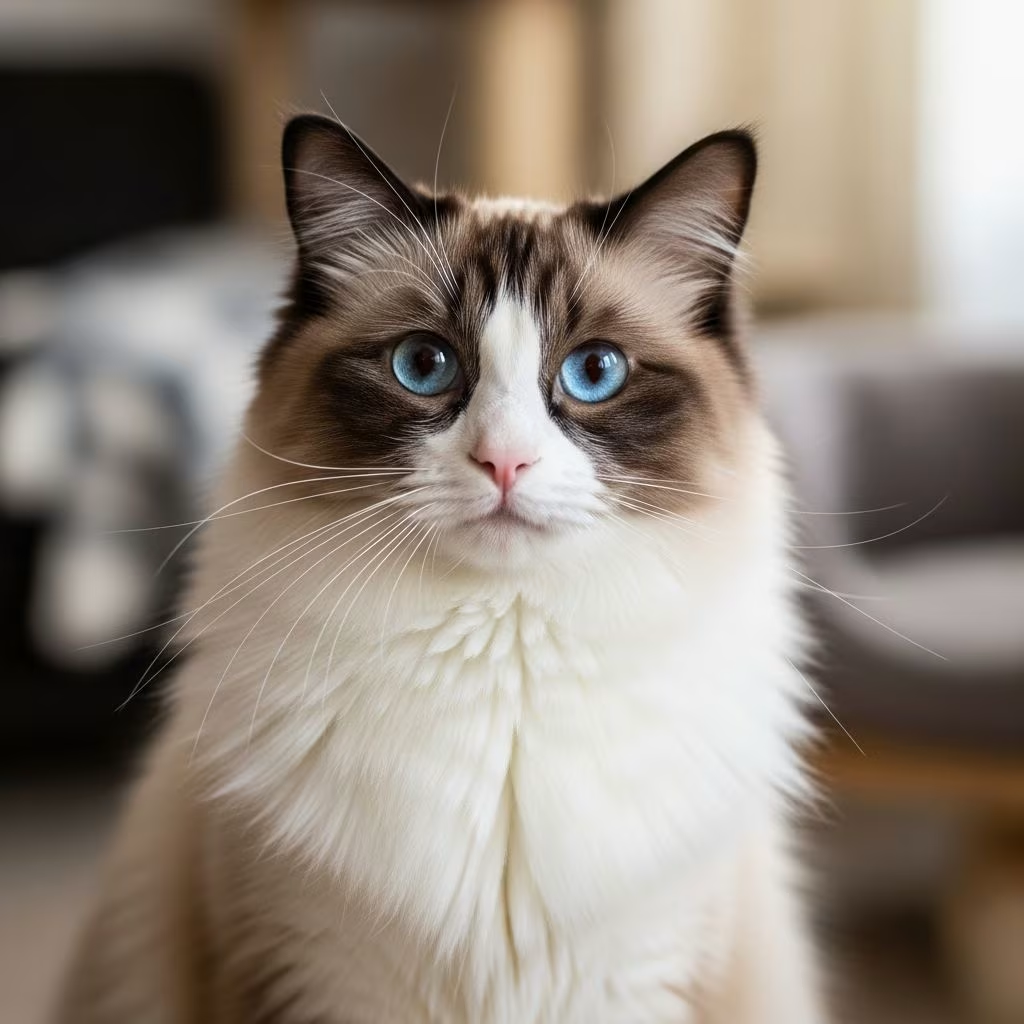
Ragdoll cats, known for their striking blue eyes, semi-long fur, and affectionate nature, face specific health vulnerabilities due to their genetics and large size. Understanding these risks empowers owners to provide targeted care, potentially extending their lifespan to 12-17 years.
Genetic Heart Conditions in Ragdolls
One of the primary concerns for Ragdoll owners is hypertrophic cardiomyopathy (HCM), a condition where the heart muscle thickens, impairing efficient blood pumping. This genetic issue affects Ragdolls more frequently than many breeds, with estimates suggesting up to 30% carry the mutation. Symptoms may include lethargy, rapid breathing, murmurs detected during exams, or sudden collapse in severe cases. While homozygous cats (inheriting the gene from both parents) may show signs as early as six months, heterozygous individuals often develop issues later.
Early screening through echocardiography and genetic testing is crucial, especially from reputable breeders who test parent cats. Management involves medications like beta-blockers to control heart rate and regular monitoring to prevent complications such as blood clots or heart failure.
Kidney Disorders: PKD Explained
Polycystic kidney disease (PKD) involves fluid-filled cysts forming in the kidneys, gradually reducing function and leading to chronic kidney disease. Though less prevalent today due to breeder screening, it remains a genetic risk for Ragdolls. Cysts are often asymptomatic early on but can cause increased thirst, weight loss, vomiting, and poor appetite as they enlarge.
Ultrasound screening detects PKD in kittens as young as a few weeks, allowing informed breeding decisions. Owners should prioritize fresh water access, possibly via fountains, and kidney-supportive diets low in phosphorus. Routine bloodwork tracks kidney values like creatinine and BUN levels.
Urinary Tract Challenges and Bladder Stones
Ragdolls are susceptible to bladder stones, mineral formations causing pain, blood in urine, straining, or frequent litter box visits. Males face higher obstruction risks due to narrow urethras. Diet plays a key role; high-mineral foods exacerbate crystal formation, while wet food and increased hydration dissolve or prevent them.
- Dietary adjustments: Switch to prescription urinary diets balancing magnesium and pH.
- Hydration boosts: Multiple water sources and flavor additives encourage drinking.
- Monitoring: Watch for litter box changes and seek vet care promptly to avoid surgery.
Obesity and Its Cascade of Problems
With their docile, low-energy temperament and large frames, Ragdolls easily gain excess weight, leading to diabetes, arthritis, and worsened heart conditions. Owners often misjudge body condition since these cats naturally weigh 10-20 pounds; ideal is a visible waist and palpable ribs without protrusion.
| Factor | Risk for Obesity | Prevention Strategy |
|---|---|---|
| Portion Control | Free-feeding leads to overeating | Measured meals 2-3 times daily |
| Activity Level | Sedentary lifestyle | Interactive toys, puzzle feeders |
| Treats | High-calorie rewards | Limit to 10% of calories, use veggies |
Regular weigh-ins and joint supplements like glucosamine help mitigate mobility issues from extra pounds.
Dental Health and Gum Disease Prevention
Gum disease progresses from plaque buildup to gingivitis and periodontitis, potentially linking to heart and kidney issues via bacteria spread. Ragdolls’ facial structure contributes to tartar accumulation. Signs include bad breath, drooling, or pawing at the mouth.
- Daily brushing with enzymatic toothpaste.
- Dental diets or chews to reduce plaque.
- Annual professional cleanings under anesthesia for thorough scaling.
Early intervention preserves teeth and systemic health.
Digestive Sensitivities in Ragdolls
Sensitive stomachs lead to inflammatory bowel disease (IBD) or irritable bowel syndrome (IBS), causing intermittent diarrhea, vomiting, or gas. Triggers include diet shifts, stress, or allergies. A consistent, novel-protein diet stabilizes symptoms, supplemented by probiotics for gut flora balance.
Stress reduction through routine, pheromone diffusers, and enrichment prevents flare-ups. Fecal tests rule out parasites mimicking these issues.
Preventive Care Essentials
Proactive wellness extends Ragdoll vitality. Core elements include:
- Vaccinations: Core shots for FVRCP, rabies; lifestyle-based FELV.
- Parasite Prevention: Monthly topicals/orals for fleas, ticks, heartworms; fecal checks.
- Nutrition: Age-appropriate, AAFCO-approved food with meat-first ingredients; wet food for hydration.
- Exercise: 15-20 minutes daily play mimicking hunt-chase.
- Screenings: Annual exams with HCM/PKD tests for at-risk cats.
Recognizing Warning Signs Early
Owners attuned to subtle changes catch issues sooner. Key indicators:
- Lethargy or hiding more than usual.
- Appetite or thirst fluctuations.
- Litter box avoidance or accidents.
- Coughing, open-mouth breathing, or blue gums (emergencies).
Home monitoring tools like pet cams and scales aid tracking. Seek immediate vet care for collapse, seizures, or prolonged vomiting.
Lifespan Optimization Strategies
Combining genetics from screened lines with vigilant care yields healthy Ragdolls. Spaying/neutering reduces certain cancers, while indoor-only living avoids trauma and infections. Environmental enrichment combats boredom-induced overeating.
Frequently Asked Questions (FAQs)
Are Ragdoll cats more prone to health problems than other breeds?
They share breed-specific risks like HCM and PKD with purebreds, but responsible breeding and care minimize issues. Most thrive into teens.
How can I test my Ragdoll for HCM?
Genetic DNA tests via cheek swab and annual cardiac ultrasounds confirm status. Breeders often provide results.
What diet prevents bladder stones in Ragdolls?
Vet-prescribed urinary formulas maintain urine pH and low minerals, paired with ample water intake.
Do all obese Ragdolls develop diabetes?
No, but excess weight heightens risk; controlled feeding and activity prevent progression.
How often should Ragdolls see the vet?
Kittens quarterly first year, adults annually, seniors biannually for bloodwork and screens.
Conclusion
Armed with knowledge of these health risks, Ragdoll owners can foster robust lives through prevention and prompt action. Partner with vets for tailored plans, ensuring these gentle giants remain playful companions for years.
References
- The Vet’s Ragdoll Cat Guide: Facts, Care, and Training Tips — Vets Love Pets. 2023. https://vetslovepets.com.au/blogs/cat/ragdoll-breed-guide
- Ragdoll Health Issues: Common Conditions & Prevention Tips — Purebred Kitties. 2024. https://purebredkitties.com/blogs/ragdoll-cat/common-health-issues-that-affect-ragdoll-cats-and-how-to-prevent-treat-them
- Ragdoll Cat Lifespan and Common Health Concerns — Pet Releaf. 2023. https://petreleaf.com/blogs/blog/ragdoll-cat-lifespan-and-common-health-concerns
- What to Know About a Ragdoll Cat — WebMD. 2024-01-15. https://www.webmd.com/pets/cats/what-to-know-about-a-ragdoll-cat
- Ragdoll Cat Breed Health and Care — PetMD. 2024. https://www.petmd.com/cat/breeds/ragdoll



