

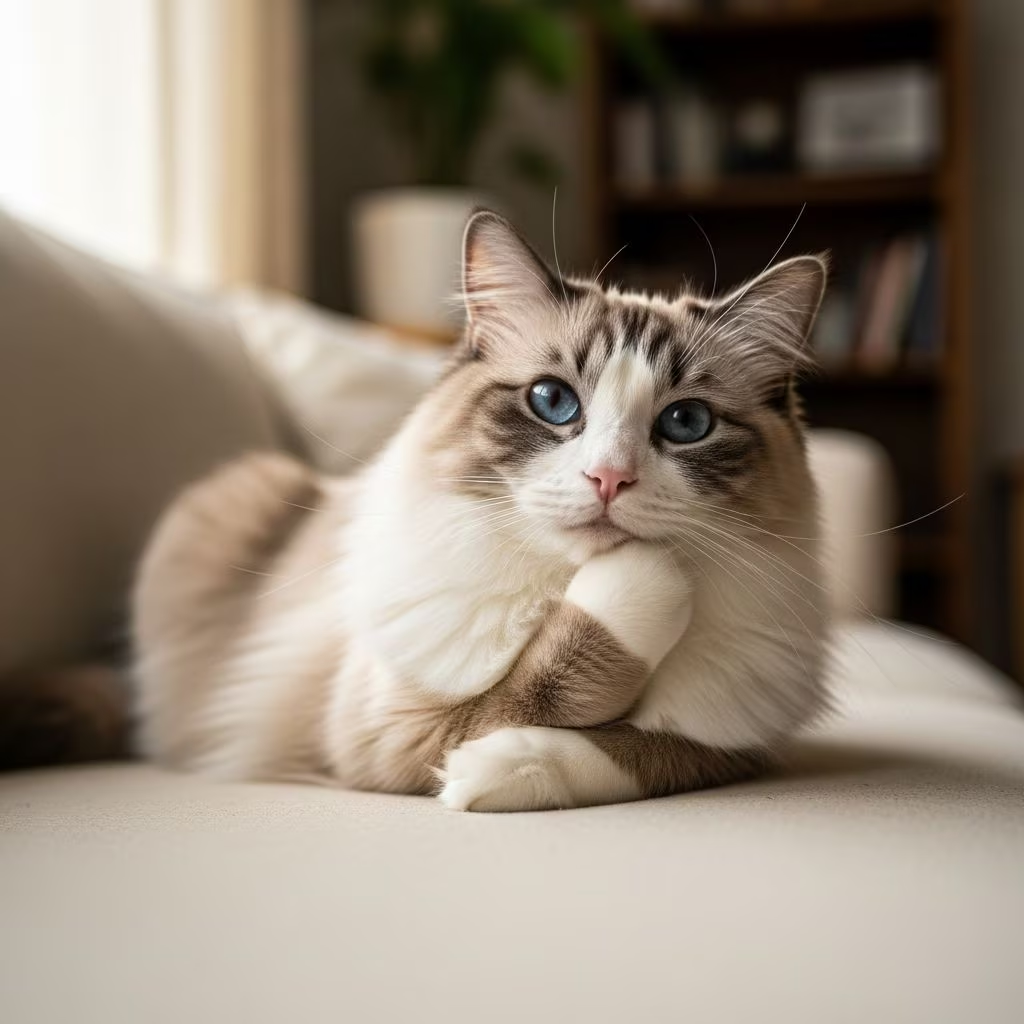
Understanding the Ragdoll Cat Breed
The Ragdoll is one of the most beloved and distinctive cat breeds in the world, known for its striking appearance and gentle demeanor. Developed in the 1960s by American breeder Ann Baker, Ragdolls have become increasingly popular among cat enthusiasts and families seeking a loyal, affectionate companion. These remarkable felines are characterized by their large, muscular bodies, vibrant blue eyes, and semi-long, silky coats with distinctive colorpoint patterns. The breed earned its name from the tendency of cats in the original breeding stock to go limp and relaxed when picked up, much like a child’s ragdoll toy. Today, Ragdolls are recognized as one of the largest domesticated cat breeds, combining impressive size with an exceptionally calm and docile temperament that sets them apart from other feline breeds.
Ragdoll Appearance and Physical Characteristics
Ragdolls are medium to large cats with distinctive physical features that make them instantly recognizable. Males typically weigh more than 12 pounds and can grow even larger, while females are generally somewhat smaller. These cats have a long, rectangular body shape with heavy boning, broad shoulders, and hindquarters of equal width, giving them a solid, well-proportioned appearance.
Coat and Color Patterns
One of the most striking features of Ragdoll cats is their beautiful, semi-long coat. Unlike long-haired breeds such as Persians or Siberian cats, Ragdolls have a single coat without an undercoat, which means they require less grooming and shed less than traditional long-haired breeds, though still more than shorthaired varieties. The coat is exceptionally soft, silky, and smooth to the touch, providing a luxurious tactile experience for owners.
Ragdolls are famous for their colorpoint pattern, where the body is predominantly lighter in color while the face, ears, legs, and tail display darker coloration. The breed comes in several recognized color combinations:
- Seal Point: Body in pale fawn to cream with deep seal brown points
- Chocolate Point: Ivory body with milk-chocolate colored points
- Blue Point: Bluish-white body with slate-blue points
- Lilac Point: Glacial white body with pinkish-grey points
- Flame Point: Cream body with red-orange points
- Cream Point: White body with cream-colored points
Additionally, Ragdoll point patterns can be solid, parti-colored, or lynx-patterned, creating numerous possible color combinations. All Ragdolls share the breed’s signature large, round, deep-blue eyes, which result from the same genes responsible for their point coloration. Deeper shades of blue are highly valued in cat shows and are considered a hallmark of the breed’s beauty.
Distinctive Physical Features
Beyond coloration, Ragdolls possess several distinctive physical characteristics. They have medium-sized ears that are wide-set and moderately flared, continuing the line of the head’s wedge shape. Their profile shows a slightly curving line with a well-developed, strong chin aligned with the nose and upper lip. Adult Ragdolls develop characteristic “knickerbockers” on their hind legs and a ruff around their necks, adding to their elegant appearance. They also have large paws and long, fluffy tails that complement their overall physique. Ragdolls are slow to mature, reaching their full coat and color at approximately three years of age, which means these cats continue to develop and change during their early years.
Temperament and Personality
The Ragdoll temperament is perhaps the breed’s most celebrated characteristic. These cats are renowned for their exceptionally gentle, calm, and docile nature, combined with an affectionate and loving personality that makes them outstanding family companions. Unlike many independent cat breeds, Ragdolls are often described as “dog-like cats” due to their tendency to follow people around the house, their receptiveness to handling, and their remarkable lack of aggression toward other pets.
Key Personality Traits
Ragdolls are known for several distinctive personality characteristics that endear them to their owners:
- Floppy and Relaxed: True to their name, Ragdolls tend to go completely limp when picked up or held, creating a unique bonding experience with their owners
- Constant Companions: These cats genuinely enjoy human company and often follow their owners from room to room throughout the day
- Gentle with Children: Their patient and gentle nature makes them excellent with children, playing without extending their claws
- Sociable with Other Pets: Ragdolls typically get along remarkably well with other household cats and dogs
- Playful Yet Laid-Back: While they enjoy vigorous play sessions, they maintain a chilled, low-stress attitude even during activities
- Emotionally Attuned: Many owners report that their Ragdolls seem sensitive to their emotional needs, providing comfort and support
- Entertaining Sleepers: Ragdolls are known for assuming very undignified and amusing sleeping positions
Ragdolls are remarkably trainable for cats, with many learning to fetch, come when called, and even walk on leashes. They greet their owners when they arrive home and may sleep in bed with them. The breed is notably quiet, rarely being vocal, though they may offer a soft mew as a greeting. Their trusting and gentle nature means they adapt well to most living environments and do not require extensive living space. However, their trust also means they should be carefully introduced to existing cats or dogs, as they may not defend themselves well if another pet is not as gentle.
Health Considerations
Ragdoll cats typically enjoy a healthy lifespan of 12 to 17 years when provided with proper care. However, potential owners should be aware of certain health conditions that can affect the breed. Hypertrophic cardiomyopathy, a heart condition, has been documented in some Ragdolls, making regular veterinary checkups essential. Polycystic kidney disease is another condition that may occasionally appear in the breed. Prospective owners should work with responsible breeders who conduct health screening on their breeding cats to minimize the risk of hereditary conditions. Additionally, like all cats, Ragdolls should be kept indoors to protect them from accidents, diseases, and other outdoor hazards.
Grooming and Coat Care
While Ragdolls have less demanding coat maintenance than many long-haired breeds due to their single-layer coat, regular grooming is still essential. Owners should brush their Ragdoll at least twice a week to prevent mats and tangles, maintain coat health, and reduce shedding. During seasonal shedding periods, more frequent brushing may be necessary. Ragdolls generally enjoy being groomed, and regular sessions provide an excellent opportunity for bonding with your pet. Additionally, nail trimming, ear cleaning, and dental care should be part of your regular grooming routine to maintain your Ragdoll’s overall health and well-being.
Living Environment and Exercise Needs
Ragdolls are moderately active cats that appreciate play sessions but do not demand constant activity. They adapt easily to various living environments, whether apartments or houses, and do not require extensive living space. However, they should be provided with enrichment activities such as climbing structures, interactive toys, and regular play sessions to keep them mentally stimulated and physically active. Interactive play with their owners is often more appreciated than solo play, as Ragdolls are social animals that value time with their human companions.
Diet and Nutrition
Providing high-quality, balanced nutrition is crucial for maintaining your Ragdoll’s health. Because of their larger size, Ragdolls may have different nutritional requirements than smaller cat breeds. Consult with your veterinarian to determine the appropriate food type and portion sizes for your individual cat based on age, weight, and activity level. Fresh water should always be available, and obesity prevention is important for maintaining joint health and overall wellness in this large breed.
Frequently Asked Questions About Ragdoll Cats
Q: Why are Ragdoll cats called “Ragdolls”?
A: Ragdoll cats earned their name from their tendency to go completely limp and relaxed when picked up, resembling a child’s ragdoll toy. This characteristic comes from the original breeding stock developed by Ann Baker in the 1960s.
Q: Are Ragdoll cats good for families with children?
A: Yes, Ragdolls are excellent family pets. Their patient, gentle nature and tendency to play without using their claws make them ideal companions for families with children. Proper socialization and supervision are important to ensure positive interactions between cats and children.
Q: Do Ragdoll cats get along with other pets?
A: Ragdolls are known for their sociable nature and typically get along well with other household pets, including other cats and dogs. However, their trusting nature means they may need careful introduction to existing pets who might not be as gentle.
Q: How much grooming do Ragdoll cats need?
A: Ragdolls should be brushed at least twice a week to prevent matting and maintain coat health. During shedding seasons, more frequent brushing may be necessary. Regular nail trimming, ear cleaning, and dental care are also important parts of their grooming routine.
Q: Are Ragdoll cats expensive?
A: Ragdoll cats from reputable breeders can be relatively expensive due to the breed’s popularity and careful breeding requirements. However, adopting a Ragdoll from a rescue organization or shelter may be more affordable.
Q: What is the average lifespan of a Ragdoll cat?
A: Ragdoll cats typically live 12 to 17 years with proper care, nutrition, and regular veterinary attention.
Q: Do Ragdoll cats require a lot of living space?
A: No, Ragdolls adapt well to various living environments and do not require extensive living space. They can thrive in apartments as well as houses, provided they receive regular interaction and enrichment activities.
Q: Are Ragdoll cats vocal?
A: Ragdolls are not particularly vocal cats. They are generally quiet but may greet their owners with a soft mew from time to time.
Conclusion
Ragdoll cats represent an exceptional choice for those seeking a loving, gentle, and affectionate feline companion. With their distinctive appearance, remarkable temperament, and strong bond with their human families, Ragdolls have earned their place as one of the most beloved cat breeds worldwide. Their ability to adapt to family life, get along with children and other pets, and provide emotional support makes them truly special. While they do require regular grooming and veterinary care, the reward of having a devoted, loyal companion that follows you through life is immeasurable. Whether you are considering adding a Ragdoll to your family or already have one, understanding their unique characteristics, needs, and personality traits will help ensure a happy, healthy, and fulfilling relationship with this remarkable breed.
References
- Ragdoll — The Cat Fanciers’ Association. 2024. https://cfa.org/breed/ragdoll/
- What to Know About a Ragdoll Cat — WebMD. 2024. https://www.webmd.com/pets/cats/what-to-know-about-a-ragdoll-cat
- Ragdoll: Personality, Diet, Grooming, Training — Petplan UK. 2024. https://www.petplan.co.uk/cat-insurance/cat-breeds/ragdoll.html
- Ragdoll Cat Breed — Hill’s Pet Nutrition. 2024. https://www.hillspet.com/cat-care/cat-breeds/ragdoll
- Ragdoll — Wikipedia. https://en.wikipedia.org/wiki/Ragdoll



