

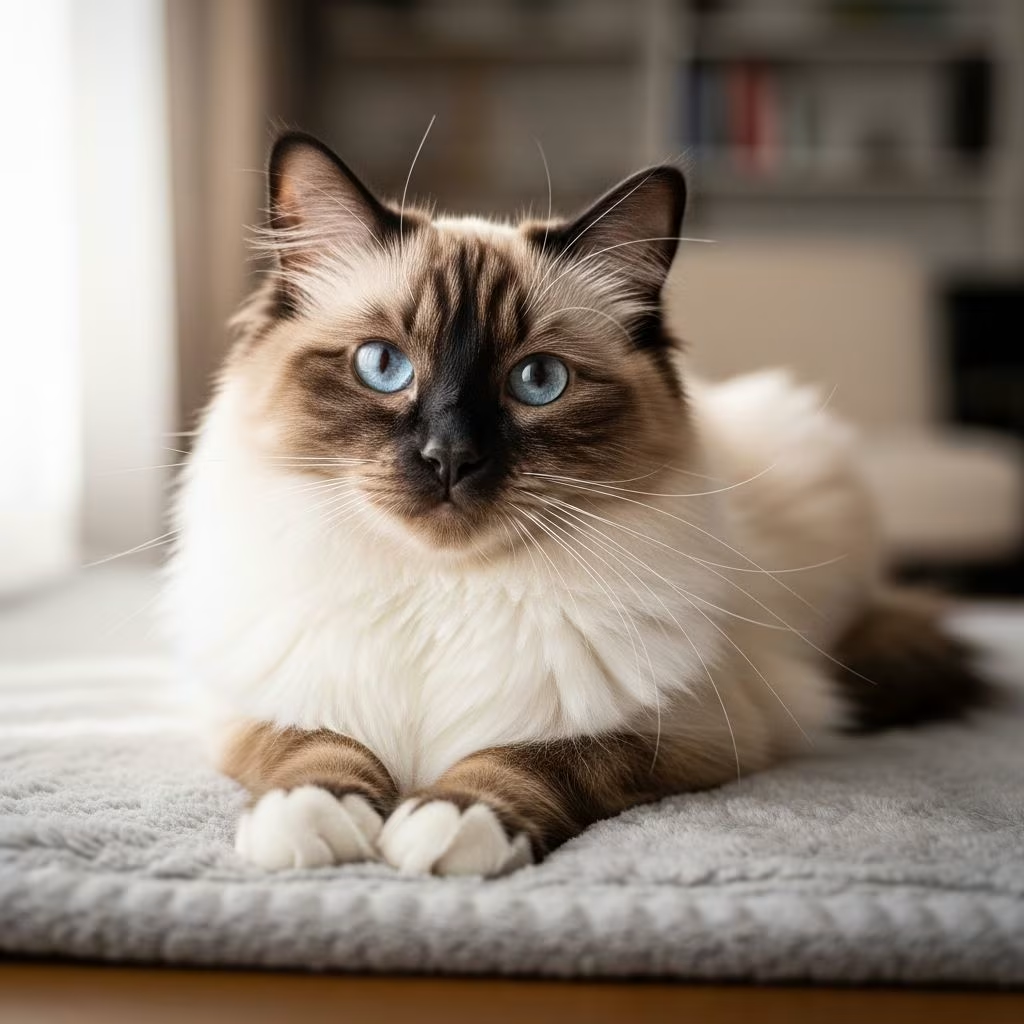
Ragdoll Cat Breed: The Complete Guide
The Ragdoll cat breed stands out as one of the most captivating and beloved cat breeds in the world. Known for their striking blue eyes, semi-long silky coats, and gentle disposition, Ragdolls have earned a special place in the hearts of cat enthusiasts everywhere. These remarkable felines are characterized by their laid-back personality, making them ideal companions for families and individuals seeking an affectionate yet low-maintenance pet. Whether you’re considering adding a Ragdoll to your family or simply want to learn more about this fascinating breed, this comprehensive guide covers everything you need to know.
History and Origin of Ragdoll Cats
The Ragdoll breed originated in the 1960s in Riverside, California, through the dedicated work of breeder Ann Baker. The story begins with a white, semi-feral Angora-type cat named Josephine, who belonged to Baker’s neighbor. After Josephine recovered from a car accident, she produced litters of kittens with unusually calm and docile temperaments. Recognizing the potential of these exceptional cats, Baker began selective breeding to establish the Ragdoll breed.
The founding cats of the Ragdoll breed include several key figures in the breed’s development: Josephine served as the primary matriarch, while Daddy Warbucks, a seal point male with white feet, became the foundational sire. Two of Josephine’s daughters—Fugianna and Buckwheat—also played crucial roles in establishing the breed lines. Through careful selective breeding of these cats, Baker developed the distinct characteristics that define Ragdolls today.
In an unusual move for the time, Ann Baker trademarked the Ragdoll name and established her own registry, the International Ragdoll Cat Association (IRCA), around 1971. She enforced stringent breeding standards and did not allow Ragdolls to be registered with other breed associations initially. This protective approach shaped the breed’s early development and helped maintain specific breeding standards.
The breed eventually spread beyond California, with Ragdolls arriving in the United Kingdom in 1981 when breeders imported cats from the Blossom Time cattery. Today, Ragdolls are recognized and celebrated by major cat associations worldwide, including the Cat Fanciers’ Association (CFA).
Physical Characteristics and Appearance
Ragdoll cats are among the largest domestic cat breeds, displaying impressive size and presence. Their physical characteristics are distinctive and contribute to their unique appeal:
- Size and Build: Ragdolls are medium to large cats with well-muscled, weighty frames that give them substantial presence. Males typically weigh between 12-20 pounds, while females are generally smaller.
- Coat: They possess a semi-long, silky-soft coat that feels luxurious to the touch. The coat requires regular grooming to maintain its beauty and prevent matting.
- Eyes: Perhaps their most striking feature, Ragdolls have distinctive blue eyes that are among the breed standards for recognition by major cat associations.
- Coloring and Patterns: Ragdolls display colorpoint markings, similar to Siamese cats. The breed standard includes three main patterns: colorpoint, mitted, and bicolor. Original colors include seal, blue, chocolate, and lilac.
- Maturity: Ragdolls are slow-maturing cats, reaching their full coat and color development at approximately three years of age.
Temperament and Personality
The defining characteristic of Ragdoll cats is their exceptionally calm and docile temperament. The breed name itself derives from their tendency to go limp and relaxed when picked up, reminiscent of a ragdoll toy. This unique characteristic has become synonymous with the breed’s gentle nature.
Ragdolls are often referred to as “puppy cats” or “dog-like cats” because of their behavior and personality traits that more closely resemble dogs than typical cats. Key personality traits include:
- Affectionate: Ragdolls are exceptionally loving and devoted to their owners, often following them from room to room seeking attention and companionship.
- Intelligent and Trainable: Unlike many cat breeds, Ragdolls are highly intelligent and can be trained to perform tricks, fetch, and respond to commands.
- Social: They are gentle, calm, and sociable cats that befriend most humans and do well with children and other household pets.
- Emotionally Attuned: Many owners report that Ragdolls are attuned to their people’s emotional needs, making them supportive and devoted companions.
- Playful: Ragdolls maintain a kitten-like playfulness throughout their lives, never quite losing their youthful exuberance.
The extreme docility of Ragdolls has unfortunately led to myths that they are pain resistant, which is false. Some breeders in Britain have even worked to breed away from extreme limpness due to concerns about whether this trait is in the cat’s best interest.
Care and Living Requirements
Ragdolls have specific care needs that potential owners should understand before bringing one into their home. These cats thrive in environments that accommodate their social and physical requirements:
Living Environment
Ragdolls adapt well to various living situations, from apartments to houses. However, they do best in environments where they receive regular human interaction and companionship. These cats are not independent loners; they bond deeply with their owners and prefer not to be left alone for extended periods.
Grooming and Coat Care
The semi-long coat of Ragdolls requires consistent grooming to maintain its silky texture and prevent matting. Regular brushing several times per week is recommended, with more frequent grooming during shedding seasons. This grooming routine not only keeps their coat healthy but also provides valuable bonding time with your cat.
Exercise and Enrichment
While Ragdolls are not hyperactive cats, they benefit from regular play and mental stimulation. Interactive toys, puzzle feeders, and playtime with their owners help keep them mentally engaged and physically fit. These cats enjoy activities that involve their human companions.
Litter and Living Spaces
Provide clean litter facilities and comfortable spaces for your Ragdoll to rest and relax. These cats appreciate quiet, comfortable areas where they can observe their surroundings.
Health Considerations
Like all cat breeds, Ragdolls are susceptible to certain health conditions. Potential owners should be aware of these considerations:
- Hypertrophic Cardiomyopathy (HCM): This heart condition is the most common genetic concern in Ragdolls. Responsible breeders screen for this condition.
- Polycystic Kidney Disease (PKD): This inherited kidney condition can affect some Ragdoll lines. Genetic testing is recommended.
- Progressive Retinal Atrophy (PRA): This eye condition can lead to vision loss and should be screened for by responsible breeders.
- Regular Veterinary Care: Annual veterinary check-ups are essential to monitor health and catch any issues early.
Working with reputable breeders who conduct health screening on their breeding cats helps reduce the risk of hereditary health problems.
Diet and Nutrition
Proper nutrition is crucial for maintaining your Ragdoll’s health and supporting their larger-than-average size. High-quality cat food that meets AAFCO standards is recommended. Many owners find success with premium commercial cat foods or balanced homemade diets developed with veterinary guidance. Adequate protein intake is particularly important for maintaining their muscular build.
Are Ragdolls Good Family Pets?
Ragdolls make excellent family pets for the right households. Their gentle temperament, trainability, and affectionate nature make them ideal for families with children. Several factors contribute to their suitability as family companions:
- They are patient and tolerant with children when properly socialized
- They enjoy interactive play and engagement with family members
- Their calm demeanor makes them less likely to scratch or bite in response to typical family activities
- They can coexist peacefully with other pets when properly introduced
- Their loyalty and affection create strong bonds with family members
However, Ragdolls do require significant human interaction and are not ideal for households where they would spend long periods alone. They thrive when they have active, engaged owners who appreciate their affectionate nature.
Frequently Asked Questions About Ragdoll Cats
Q: Why are Ragdoll cats called “Ragdolls”?
A: The name “Ragdoll” comes from the cat’s distinctive tendency to go limp and relaxed when picked up, similar to a ragdoll toy. This behavior, combined with their calm temperament, inspired the breed name.
Q: Do Ragdoll cats require special care?
A: While Ragdolls don’t require extraordinary care, they do need regular grooming, consistent human interaction, and veterinary attention. Their need for companionship is higher than some other cat breeds.
Q: Are Ragdoll cats hypoallergenic?
A: No, Ragdoll cats are not hypoallergenic. They shed regularly and produce allergens like other cat breeds. However, regular grooming can help reduce shedding and allergen levels.
Q: How long do Ragdoll cats live?
A: With proper care, Ragdoll cats typically live between 12-17 years, with some living into their late teens or early twenties.
Q: Can Ragdoll cats be trained?
A: Yes, Ragdoll cats are highly intelligent and trainable. They can learn to fetch, come when called, and respond to various commands, making them more responsive to training than typical cats.
Q: Are Ragdolls good with children?
A: Yes, Ragdolls are generally excellent with children due to their gentle, patient temperament. However, supervision is recommended to ensure respectful interaction.
Q: Do Ragdoll cats get along with other pets?
A: Ragdolls typically do well with other household pets, including other cats and dogs, especially when properly introduced and socialized.
Choosing a Ragdoll Cat
If you’ve decided that a Ragdoll cat is right for your family, working with a reputable breeder is essential. Look for breeders who:
- Conduct health screening tests on breeding cats
- Provide health guarantees and take responsibility for their kittens
- Allow you to visit their facilities
- Provide references from previous buyers
- Demonstrate genuine care for the breed’s welfare
- Are transparent about any potential genetic health issues
Alternatively, consider adopting from Ragdoll rescue organizations. Many wonderful adult Ragdolls in need of homes are available through rescue groups.
Conclusion
Ragdoll cats represent a unique and exceptional breed that combines striking physical beauty with an equally beautiful temperament. Their gentle nature, intelligence, and devotion to their owners have made them one of the most beloved cat breeds worldwide. From their fascinating origins in 1960s California to their recognition by major cat associations today, Ragdolls have earned their reputation as extraordinary companions. Whether you’re drawn to their distinctive blue eyes, silky coats, or their “puppy-like” personality, Ragdoll cats offer pet owners a rewarding and fulfilling companionship that few other breeds can match. For families and individuals seeking an affectionate, trainable, and devoted feline companion, the Ragdoll cat breed stands as an excellent choice.
References
- Ragdoll — Wikipedia — Wikipedia Foundation. Retrieved January 2026. https://en.wikipedia.org/wiki/Ragdoll
- History of the Ragdoll Breed — Ragtastic Cattery. Retrieved January 2026. https://www.ragtastic-cattery.com/ragdoll-breed-history
- Ragdoll — The Cat Fanciers’ Association — Cat Fanciers’ Association (CFA). Retrieved January 2026. https://cfa.org/breed/ragdoll/
- Ragdoll Cat Facts: History, Personality, Health & More — RAWZ Natural Pet Food. Retrieved January 2026. https://rawznaturalpetfood.com/ragdoll-cat-facts-history-personality-health-more/
- 23 Fun Facts About Ragdoll Cats — FELIWAY Cat Experts. Retrieved January 2026. https://www.feliway.co.uk/blogs/news/23-fun-facts-about-ragdoll-cats



