

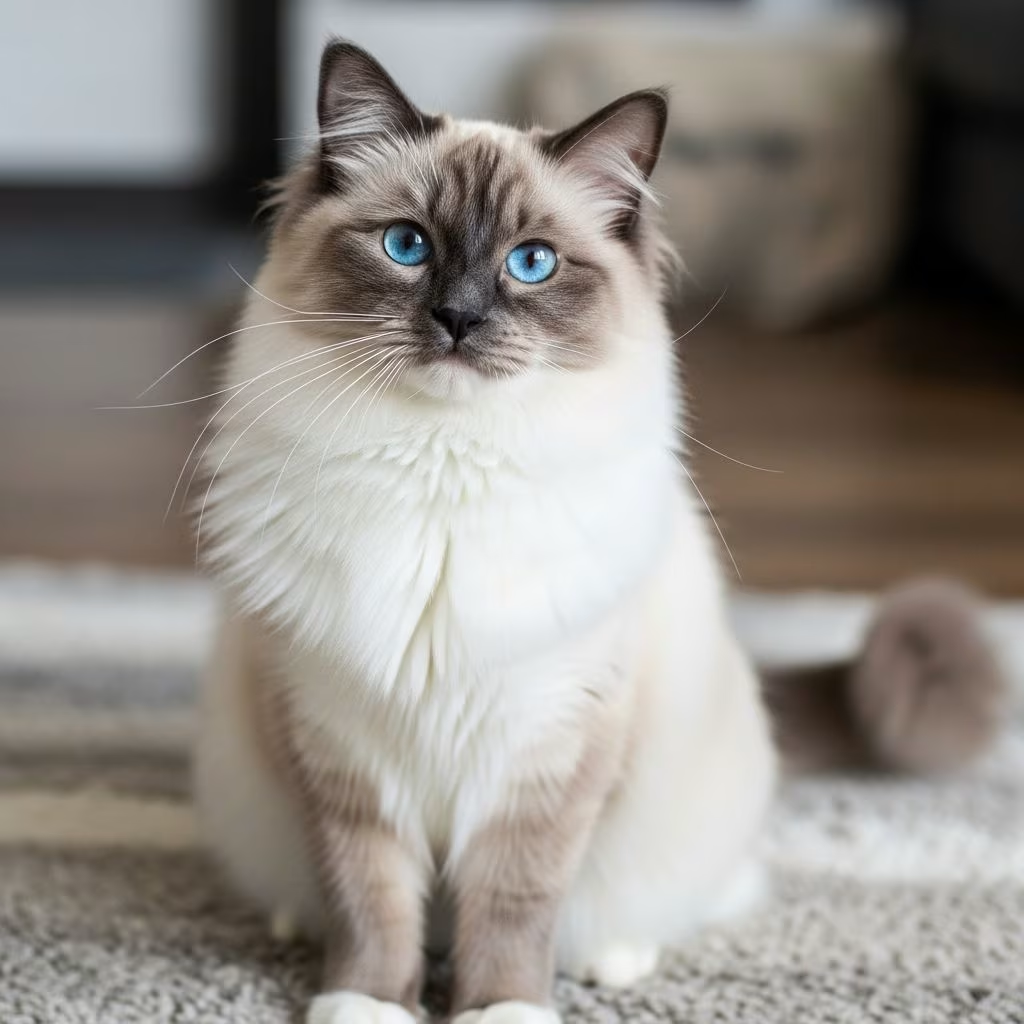
Ragdoll cats have captured the hearts of cat lovers worldwide with their striking blue eyes, luxurious semi-long coats, and exceptionally gentle temperament. These magnificent felines are renowned for their dog-like personalities and affectionate nature, making them ideal companions for families seeking a loyal and loving pet. Understanding the unique behavioral traits and care requirements of Ragdoll cats is essential for prospective owners who want to provide the best possible environment for these remarkable animals.
Understanding the Ragdoll Personality
The Ragdoll breed is fundamentally characterized by a calm, placid temperament that sets them apart from many other cat breeds. These cats are best known for their docile and gentle nature, combined with an exceptional capacity for affection toward their human companions. The name “Ragdoll” itself derives from the breed’s distinctive tendency to go limp and floppy when picked up, a behavior that mimics the relaxed posture of a child’s ragdoll toy.
One of the most defining aspects of Ragdoll personality is their remarkable similarity to dogs in behavioral patterns. They form close bonds with their owners comparable to canine relationships, demonstrate loyalty that rivals dogs, and exhibit receptiveness to handling and training that is unusual in feline species. This dog-like quality has earned them affectionate nicknames including “puppy cats,” “dog-like cats,” and “cat-dogs” within the pet community.
The Floppy and Relaxed Nature
Perhaps the most iconic trait of Ragdoll cats is their tendency to become completely relaxed and floppy when held or picked up. This characteristic makes them exceptionally easy to handle and transport, though veterinarians note this extreme docility should not be confused with pain resistance—a common misconception about the breed. Their bodies naturally soften when lifted, allowing owners to easily support and carry them in comfortable positions throughout the home.
Social Behavior and Household Dynamics
Affection and Bonding with Owners
Ragdoll cats are renowned for their constant desire to be near their human family members. These cats will frequently follow their owners from room to room throughout the day, interested in every household activity and eager to participate in family life. Unlike many aloof cat breeds, Ragdolls genuinely enjoy close proximity to their people and often seek out attention and physical affection.
Many Ragdoll owners report finding their cats sitting beside them on the couch, cuddling in their lap during quiet moments, and even hopping into bed at night for additional companionship. This constant companionship characteristic means that Ragdoll ownership requires a commitment to regular interaction and attention. These cats are not content to be left alone for extended periods and thrive in households where family members are regularly present.
Interaction with Children
Ragdoll cats possess remarkable patience with children, making them excellent choices for family environments. They demonstrate a gentle, sweet temperament that allows them to tolerate the sometimes unpredictable behavior of young children. These cats typically play gently and carefully, often restraining their claws during play sessions, which greatly reduces the risk of accidental scratches.
Their tolerant nature means Ragdolls will generally accept being carried around, dressed up, and included in children’s games without displaying aggression or excessive defensive behavior. However, supervision of interactions between young children and Ragdoll cats is still recommended to ensure that the cat’s space is respected and that children understand how to handle their feline companions gently.
Compatibility with Other Pets
One of the most appealing characteristics of Ragdoll cats is their ability to get along harmoniously with other household pets. Whether living alongside other cats, dogs, or small animals, Ragdolls typically display a friendly and non-aggressive approach to cohabitation. Their natural lack of aggression toward other animals makes them excellent candidates for multi-pet households.
The breed’s relative lack of territoriality means they rarely engage in serious conflicts with other animals and can form genuine friendships with fellow pets. Many owners report their Ragdolls playing peacefully with dogs, lounging near other cats, and demonstrating an overall cooperative attitude toward sharing their living space.
Playfulness and Activity Levels
Vigorous Play Sessions
Despite their generally relaxed demeanor, Ragdoll cats possess a surprising capacity for vigorous, playful activity when they decide to engage. When these cats “dig their heels in” and commit to play, they play with considerable intensity and enthusiasm. Their large size and substantial weight mean that their playtime activities create noticeable sounds and movements throughout the home.
Ragdolls have been known to engage in games of “cat hockey,” where they find a toy and push it across the floor throughout the night with significant energy and noise. This playfulness often extends well into their senior years, distinguishing them from breeds that become sedentary with age. Owners should be prepared for occasional bursts of energetic activity, particularly during evening hours when many cats experience their natural “zoomies.”
Training and Retrieving Ability
Ragdoll cats demonstrate intelligence and trainability that exceeds many other feline breeds. Notably, these cats can be trained to retrieve toys and actually enjoy the process of fetching, a behavior more commonly associated with dogs. Their responsiveness to positive reinforcement, treats, and praise makes them suitable candidates for various training activities beyond basic litter box usage.
Training should begin during kittenhood to establish positive behavioral patterns early in life. Ragdolls typically take well to litter training when introduced positively and with patience, and many can learn to walk on harnesses and leads with proper conditioning.
Minimal Exercise Requirements
While Ragdolls appreciate playtime and interactive games, their overall exercise requirements are relatively modest. These cats are perfectly content lounging about the house, accepting cuddles, and relaxing in comfortable spots. Unlike more active breeds that demand extensive climbing structures and high perches, Ragdolls typically prefer staying low to the ground rather than seeking the highest points in the household.
However, because Ragdolls enjoy relaxation, they can easily gain weight without proper activity management. Regular interactive play sessions, engaging toys, and gentle exercise help maintain healthy weight and provide necessary mental stimulation.
Communication and Behavior Patterns
Vocal Characteristics
Ragdoll cats are characteristically quiet and rarely vocal compared to many other breeds. They communicate their needs and desires primarily through non-vocal methods rather than the demanding meows heard in more talkative feline breeds. Instead of extensive vocalization, Ragdolls prefer to rub against their owners’ legs, walk around with their tails raised, and make deliberate eye contact to communicate their wants and needs.
Trust and Relaxation Signals
One delightful behavioral indicator of a content and trusting Ragdoll is their tendency to roll onto their back and display their belly when happy and feeling safe. This behavior demonstrates complete relaxation and indicates that the cat trusts their owner completely. Owners should understand that belly exposure in Ragdolls typically means the cat genuinely welcomes gentle touch and attention, contrary to the defensive belly-presenting behavior seen in some other cats.
Breed Maturity and Development
Ragdoll cats take considerably longer to reach full maturity compared to many other breeds. These cats retain their kitten-like manner well into their adult years, with development continuing gradually as they age. Most Ragdolls stop growing at around four years of age but don’t reach full maturity until approximately five years old.
This extended developmental period means that Ragdoll owners can enjoy the playful, curious, and enthusiastic personality traits of younger cats for an extended timeframe. Understanding this developmental timeline helps owners set appropriate expectations for behavioral changes and physical development.
Living Environment Considerations
Indoor vs. Outdoor Access
Ragdoll cats benefit from outdoor access when possible, though many owners express legitimate concerns about theft due to the breed’s popularity and high value. Some owners address this concern by providing supervised outdoor access or creating enclosed cat-safe gardens where their Ragdolls can experience outdoor stimulation without theft risk. For indoor-only Ragdolls, providing abundant mental stimulation through toys, interactive play, and environmental enrichment is particularly important.
Ideal Home Environment
Ragdoll cats are ideally suited to busy family atmospheres and can tolerate reasonable levels of household noise. Their adaptable nature allows them to thrive in active homes where family members are regularly present. However, they also appreciate calm, relaxed environments where they can comfortably lounge and bond with their owners.
Health and Wellness Considerations
Lifespan and Longevity
Ragdoll cats typically enjoy a lifespan of 12 to 17 years, providing owners with extended companionship. Their generally calm temperament and moderate activity levels may contribute to their relatively long lifespan compared to more active, stress-prone breeds.
Weight Management
Due to their preference for relaxation and lounging, Ragdoll cats can easily gain excess weight without proper management. Regular interactive play sessions, engaging toys, and careful dietary management help maintain healthy body weight and prevent obesity-related health complications.
Grooming Requirements
Ragdoll cats possess beautiful, semi-long, thick coats that require regular grooming attention. Their soft, luxurious fur is prone to matting and tangling, necessitating consistent brushing to maintain coat health and appearance. Regular grooming sessions also provide valuable bonding time between cats and their owners, as most Ragdolls enjoy the attention and physical contact involved in the grooming process.
Frequently Asked Questions
Q: Are Ragdoll cats good with children?
A: Yes, Ragdoll cats are excellent with children due to their patient, gentle temperament and tolerance for the unpredictable behavior of young kids. They rarely use their claws during play and accept being carried and cuddled. Supervision is recommended to ensure children handle them gently and respect their space.
Q: Do Ragdoll cats need a lot of exercise?
A: Ragdoll cats have minimal exercise requirements and are content lounging around the house. However, regular interactive play sessions are important for weight management and mental stimulation. They can be trained to play fetch but aren’t particularly adventurous climbers.
Q: Why do Ragdoll cats go limp when picked up?
A: Ragdoll cats have a naturally floppy, relaxed nature inherited from Persian and Birman breeds. When picked up, they intentionally go limp, which is why they were named after ragdoll toys. This behavior makes them easy to handle and carry, though it doesn’t indicate pain insensitivity.
Q: Can Ragdoll cats be left alone?
A: Ragdoll cats are highly people-oriented and don’t do well being left alone for extended periods. They thrive on companionship and constant interaction with their owners. These cats follow their people throughout the day and genuinely enjoy being involved in household activities.
Q: Are Ragdoll cats suitable for families with other pets?
A: Yes, Ragdoll cats get along exceptionally well with other household pets, including other cats and dogs. Their lack of aggression toward other animals and their natural friendliness make them ideal candidates for multi-pet households.
Q: How long do Ragdoll cats live?
A: Ragdoll cats typically have a lifespan of 12 to 17 years. Their calm temperament and moderate activity levels may contribute to their relatively long lifespan compared to more active cat breeds.
Q: What colors do Ragdoll cats come in?
A: Ragdoll cats are recognizable by their pointed coloration pattern, where the body is lighter than the face, ears, legs, and tail. They have large round blue eyes and come in various color combinations including tricolor and bicolor patterns.
References
- 7 Irresistible Ragdoll Cat Personality Traits — RagdollLove. 2019-05-22. YouTube Video. https://www.youtube.com/watch?v=SzsFaA9-pPM
- Ragdoll: Personality, Diet, Grooming, Training — Petplan. https://www.petplan.co.uk/cat-insurance/cat-breeds/ragdoll.html
- Ragdoll — Wikipedia. https://en.wikipedia.org/wiki/Ragdoll
- What to Know About a Ragdoll Cat — WebMD. https://www.webmd.com/pets/cats/what-to-know-about-a-ragdoll-cat
- Ragdoll Cat Breed — Hill’s Pet Nutrition. https://www.hillspet.com/cat-care/cat-breeds/ragdoll



