

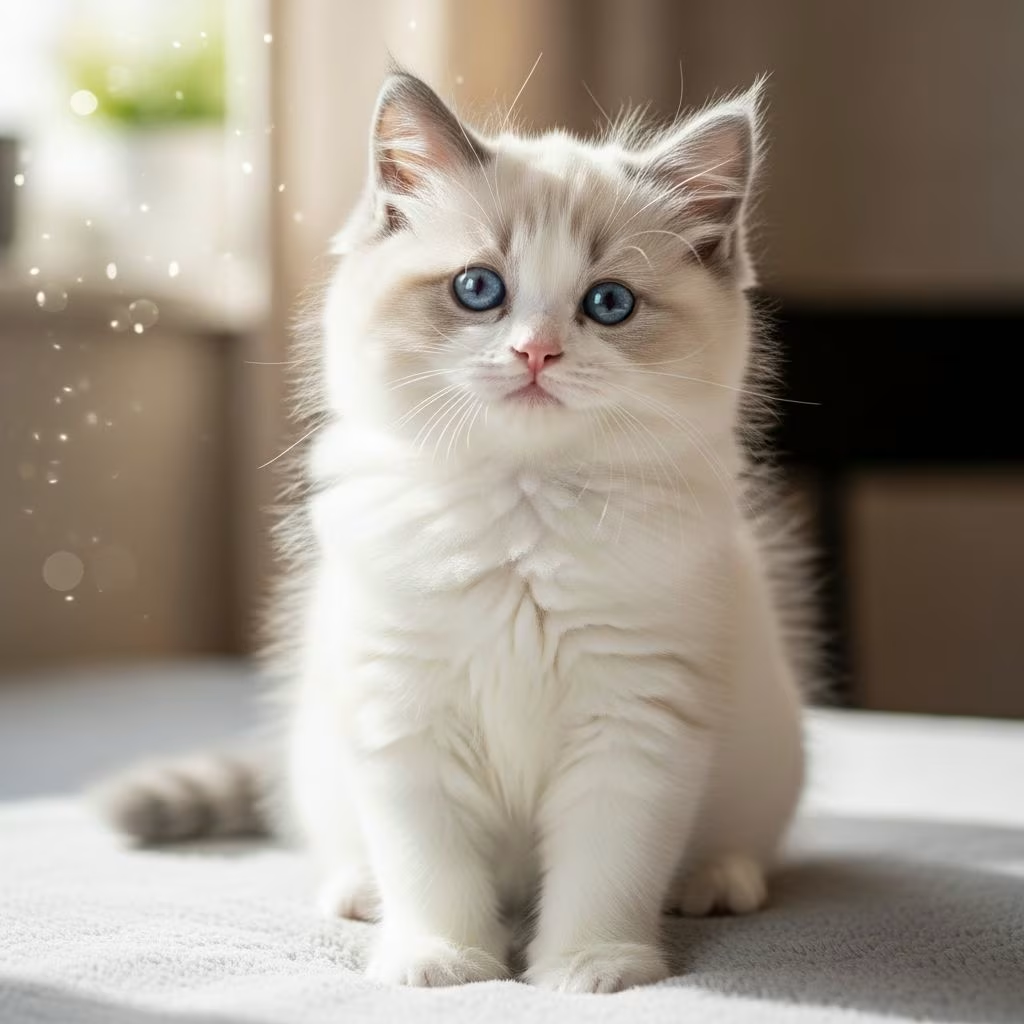
The Ragdoll British Shorthair mix is a delightful hybrid breed that merges the plush, affectionate qualities of the Ragdoll with the sturdy, sociable nature of the British Shorthair. These cats are known for their stunning appearances, laidback temperaments, and adaptability to various households, making them excellent companions for families, seniors, and multi-pet homes. Expect a cat that loves cuddles, playtime, and quiet evenings alike, with a body type that’s robust yet not overly demanding.
Ragdoll British Shorthair Mix Facts
- Height: 12–14 inches
- Weight: 10–15 pounds
- Lifespan: 15–20 years
- Colors: White, blue, black, brown, cream
- Suitable for: Active or calm lifestyles, children, seniors, multi-pet households
- Temperament: Laidback, amiable, bright-spirited
These hybrids inherit a blend of traits from their purebred parents. Ragdolls contribute their famous ‘floppy’ relaxation when held, while British Shorthairs add a chunkier build and inquisitive personality. Kittens from this mix vary in appearance and behavior, but they consistently display sociability and gentleness.
The 5 Ragdoll British Shorthair Mix Traits
- Stunning Appearance: These mixes often feature semi-long to medium fur with silky textures reminiscent of rabbit fur. Color patterns may include colorpoints, bicolors, or solids in shades like blue, seal, chocolate, or cream. The eyes are typically vivid blue, a hallmark Ragdoll trait that persists in mixes.
- Heavy-Bodied Build: Expect a substantial frame with broad chests and sturdy legs. Males tend to be larger, reaching up to 15 pounds, while females are slightly smaller at 10–12 pounds. This robust structure makes them feel solid when lifted, though they can be prone to weight gain if not monitored.
- Affectionate & Social Nature: Combining Ragdoll’s lap-loving floppiness with British Shorthair’s charm, these cats thrive on human interaction. They greet strangers warmly and integrate well into busy households.
- Intelligent & Playful: Bright and curious, they enjoy puzzle toys and interactive play. Their intelligence shines in learning tricks via positive reinforcement.
- Easy Adaptability: Docile without aggression, they suit apartments, homes with kids, or other pets. Their patience makes them ideal family members.
Temperament & Intelligence
The temperament of a Ragdoll British Shorthair mix is a harmonious blend of relaxation and sociability. Ragdolls are famed for going limp like a ragdoll when picked up, a trait often seen in mixes as the ‘Ragdoll flop.’ British Shorthairs add inquisitiveness and a love for household involvement, creating a cat that’s both a cuddle buddy and playful companion.
Intelligence is high; these cats solve problems quickly and respond to training. They vocalize softly—chirps, trills, and quiet purrs rather than loud meows—reflecting their gentle demeanor. While generally even-tempered, some lean more Ragdoll (ultra-relaxed) or British Shorthair (more independent play preference).
Health & Problems
Ragdoll British Shorthair mixes enjoy a lifespan of 15–20 years with proper care, benefiting from hybrid vigor. However, they may inherit issues from parents:
- HCM (Hypertrophic Cardiomyopathy): Screened in breeding Ragdolls; affects heart muscle thickening. Annual vet checks recommended.
- PKD (Polycystic Kidney Disease): More common in British Shorthairs; genetic testing advised.
- Obesity: Due to laidback lifestyles and food love; maintain diet and exercise.
- Dental Issues: Regular brushing prevents gingivitis.
- Urinary Problems: Wet food and water intake help.
Choose breeders who health-test parents. Routine vet visits, vaccinations, and spaying/neutering ensure longevity.
Nutrition & Diet
These sturdy cats need a balanced diet to prevent obesity. Feed high-quality, protein-rich kibble or wet food tailored to their age and activity. Adults require 200–300 calories daily, split into 2–3 meals. Include omega-3s for coat health and joint support for their heavy build.
- Kittens: Frequent small meals with growth formulas.
- Adults: Measured portions; avoid free-feeding.
- Seniors: Lower-calorie food for metabolism changes.
Portion control is key—use puzzle feeders for mental stimulation. Fresh water always; fountains encourage drinking.
Grooming ✂️
Grooming varies by coat inheritance: British Shorthair’s short, dense fur needs weekly brushing, while Ragdoll’s semi-long fur requires daily sessions to prevent mats. Most mixes have manageable medium coats that shed seasonally.
- Brushing: Slicker brush 3–5 times weekly.
- Bathing: Monthly or as needed; waterless shampoos work.
- Nails: Trim biweekly.
- Ears/Eyes: Wipe weekly; check for infections.
- Dental: Brush 2–3 times weekly.
Start grooming young for tolerance. Their gentle nature makes sessions enjoyable.
Exercise & Training
Moderate exercise suits their laidback vibe: 20–30 minutes daily of play with wand toys, laser pointers, or balls. Vertical spaces like cat trees encourage climbing. Training uses positive reinforcement; teach sit, come, or leash walking easily.
They enjoy interactive games but tire quickly, preferring couch lounging afterward.
Male vs Female
| Aspect | Male | Female |
|---|---|---|
| Size | Larger, blockier, 12–15 lbs | Smaller, 10–13 lbs |
| Temperament | Lazier, more affectionate | Independent, still loving |
| Activity | Less playful, cuddly | More self-sufficient |
Variations exist, but males often embody Ragdoll floppiness more, females British Shorthair independence.
Final Thoughts
The Ragdoll British Shorthair mix offers the best of both worlds: beauty, affection, and versatility. With proper care, they thrive as loyal family pets. Research breeders or rescues for your perfect match.
Frequently Asked Questions
Are Ragdoll British Shorthair mixes good with children?
Yes, their patient, gentle nature makes them excellent with kids when supervised.
Do they get along with other pets?
Typically yes; socialized early, they adapt well to dogs and other cats.
How often should I groom them?
3–7 times weekly, depending on coat length.
Are they prone to health issues?
Possible HCM or obesity; regular vet care mitigates risks.
What’s their personality like?
Laidback, affectionate, intelligent, and adaptable.
References
- Ragdoll British Shorthair Mix Info: Pictures, Temperament & Traits — Hepper. 2023. https://articles.hepper.com/ragdoll-british-shorthair-mix/
- Spotting Ragdoll Cat Mix Traits in Your Cat — Purebred Kitties. 2024. https://purebredkitties.com/blogs/ragdoll-cat/is-your-cat-a-ragdoll-cat-mix-how-to-identify-mixed-breed-characteristics
- The Shorthair Ragdoll Cat—Facts and Fiction Separated — Untamed. 2023. https://untamed.com/blogs/cat-breeds/shorthair-ragdoll-cat



