

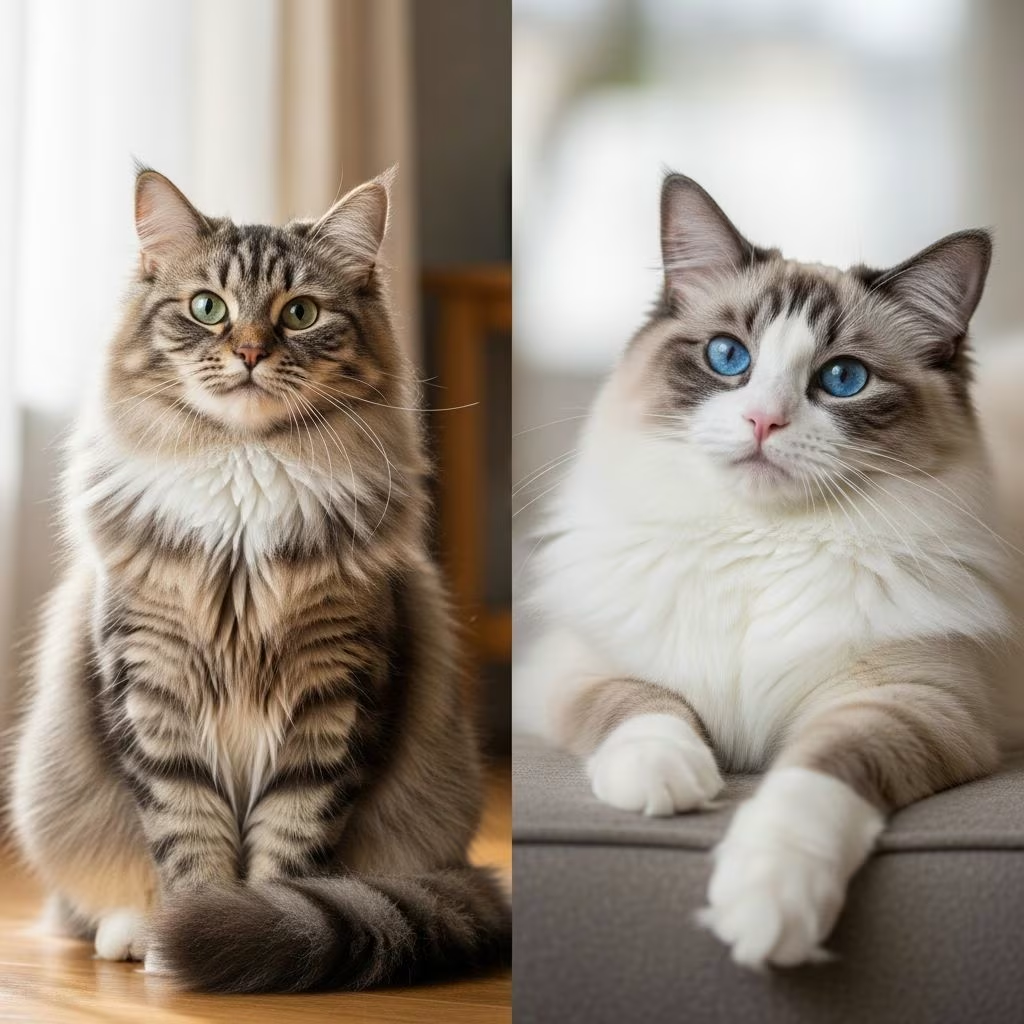
Ragamuffin and Ragdoll cats are two strikingly similar long-haired breeds known for their large size, affectionate natures, and plush coats, but subtle differences make each unique. Originating from the same lineage, Ragamuffins branched off as a distinct breed in the 1990s, offering more color variety, while Ragdolls maintain classic pointed patterns and striking blue eyes. This comprehensive guide breaks down their appearances, personalities, care needs, health concerns, and lifestyles to help you choose the right cat.
Ragamuffin vs. Ragdoll: At a Glance
| Feature | Ragamuffin | Ragdoll |
|---|---|---|
| Average Height (Adult) | 9–12 inches | 9–11 inches |
| Average Weight (Adult) | 10–20 pounds | 8–20 pounds |
| Lifespan | 15–18 years | 9–15 years |
| Exercise Needs | Minimal | Moderate |
| Grooming Needs | Moderate | Moderate |
| Dog-Friendly | Yes | Yes |
| Trainability | High | Moderate |
| Family-Friendly | Excellent | Good |
This table highlights core distinctions: Ragamuffins generally live longer and are easier to train but require less exercise, suiting relaxed households.
Ragamuffin Overview
Ragamuffins emerged in the early 1990s as a breed distinct from Ragdolls, developed by breeders who wanted greater color variety and a less restrictive standard. Recognized by the Cat Fanciers’ Association in 1994, they feature a robust build with a broad chest, short neck, large paws, and a plush, medium-long coat that’s surprisingly resistant to matting. These cats often weigh 10–20 pounds, with males typically larger, and can grow to 9–12 inches tall at the shoulder.
Ragamuffin Personality
Ragamuffins are the epitome of gentle giants—calm, affectionate, and extraordinarily patient, making them ideal for families with children or other pets. Their dog-like traits shine through in their love for fetch, following owners room-to-room, and greeting you at the door with enthusiastic purrs. Highly social, they crave companionship and may become lonely if left alone for long periods, but their even-tempered nature prevents aggression even when overstimulated. Average in intelligence, they’re eager to please, responding well to training for tricks or litter habits.
- Friendliness: Thrives with families, kids, seniors, dogs, and other cats.
- Playfulness: Enjoys interactive toys like strings or feathers for hours.
- Vocality: Quiet but communicates needs softly.
- Temperament: Placid and loving, rarely scratches or bites.
Ragamuffin Appearance
Ragamuffins boast diverse colors and patterns: solids (white, black, red), tabbies, bi-colors, tri-colors, and more in shades like chocolate, lilac, cinnamon, silver, and sable—no pointed patterns allowed. Their walnut-shaped eyes come in any hue, including odd-eyed combos, adding to their expressive faces. The silky, non-matting coat forms a full ruff, bib, and plumed tail over a muscular, rectangular body.
Ragdoll Overview
Ragdolls, developed in the 1960s by Ann Baker, earned their name from going limp when picked up, like a doll. They’re muscular heavyweights (8–20 pounds) with semi-longhaired coats, vivid blue almond-shaped eyes, and colorpoint patterns where extremities darken with age. Standing 9–11 inches tall, they have sturdy legs, large paws, and a triangular head with a short muzzle.
Ragdoll Personality
Ragdolls embody ultimate relaxation: floppy, tolerant lap cats who demand cuddles without shyness. They’re social butterflies, greeting owners warmly and coexisting peacefully with kids, dogs, and cats, though their size requires supervision around toddlers. Moderately trainable and intelligent, they enjoy gentle play but prefer lounging over high-energy antics. Not truly pain-resistant despite myths, they vocalize softly when needed.
- Friendliness: Affectionate with everyone, but slightly less patient than Ragamuffins.
- Playfulness: Moderate; enjoys laser pointers or balls.
- Vocality: Quiet, with occasional chirps.
- Temperament: Laid-back and floppy when held.
Ragdoll Appearance
Exclusive colorpoints (seal, blue, chocolate, lilac) feature a lighter body with darker points on ears, face, tail, and legs, often with white gloves or boots. The medium-long coat mats less than expected but needs regular brushing. Distinct oval blue eyes and a plush, flowing mane complete their doll-like allure.
Visual Differences
| Aspect | Ragamuffin | Ragdoll |
|---|---|---|
| Eyes | Round, any color (copper, green, blue, odd-eyed) | Oval/almond, vivid blue only |
| Coat Colors | Wide variety: solids, tabby, bi/tri-color; much white | Pointed only (darker extremities) |
| Coat Texture | Silky, mat-resistant | Plush, semi-long, moderate matting risk |
| Build | Broad chest, short neck, rectangular | Muscular, upright, triangular head |
| Pick-Up Test | Less floppy | Goes limp like a ragdoll |
Ragamuffins offer color diversity and easier grooming; Ragdolls dazzle with uniform points and hypnotic eyes.
Temperament & Intelligence
Both breeds are docile and family-oriented, but Ragamuffins edge out in patience and trainability, ideal for homes with rambunctious kids or training enthusiasts. Ragdolls’ floppiness suits lap-loving owners, though they’re slightly more independent. Both score average intelligence, learning commands like sit or fetch with positive reinforcement.
Exercise Needs
Ragamuffins need minimal activity—short play sessions suffice for their low-energy vibe. Ragdolls require moderate exercise like daily walks or interactive toys to prevent obesity, given their hefty builds.
Grooming Needs
Moderate for both: weekly brushing removes loose fur from their semi-long coats. Ragamuffins’ coats resist matting better, reducing effort. Bathe rarely, trim nails biweekly, clean ears, and brush teeth daily. Both shed seasonally.
Health & Lifespan
Ragamuffins live 15–18 years, prone to polycystic kidney disease (PKD) and obesity—screen breeders via ultrasound. Ragdolls average 9–15 years, susceptible to hypertrophic cardiomyopathy (HCM), bladder stones, and PKD. Annual vet checks, meat-based diets (wet/dry mix), and portion control are essential.
Vet Costs & Care
Expect $800–$2,000 for kittens from reputable breeders. Annual vet bills: $400–$600 (vaccines, checkups). Food: $40–$60/month. Grooming tools: $50 initially.
Nutrition
High-protein, meat-rich diets suit both, akin to Persians/Himalayans. Avoid fillers; feed measured portions 2–3 times daily to maintain weight.
Which Cat Is Right for You?
Choose Ragamuffin for color variety, longevity, easy training, and minimal exercise in busy families. Opt for Ragdoll if you love blue eyes, pointed elegance, and ultimate cuddliness despite shorter lifespan and moderate needs. Both thrive in loving homes—no apartments too small, but companionship is key.
Frequently Asked Questions (FAQs)
Q: Do Ragamuffins and Ragdolls get along with dogs?
A: Yes, both breeds are highly dog-friendly and often form strong bonds with canines when introduced properly.
Q: Which breed is better for children?
A: Ragamuffins are preferable due to their exceptional patience, though supervised play is advised for both large cats.
Q: How often do they need grooming?
A: Weekly brushing for both; Ragamuffins’ coats are more low-maintenance.
Q: Are Ragdolls really floppy?
A: Yes, they famously go limp when picked up, unlike slightly firmer Ragamuffins.
Q: What’s the price difference?
A: Similar, $800–$2,000; varies by breeder and lineage.
References
- Ragamuffin vs. Ragdoll Cats — Floppycats. 2023. https://www.floppycats.com/ragamuffin-vs-ragdoll-cats.html
- Ragamuffin vs. Ragdoll: Key Differences (With Pictures) — Catster. 2024-05-15. https://www.catster.com/cat-breeds/ragamuffin-vs-ragdoll/
- Ragdoll vs Ragamuffin – Breaking Down Their Differences — YouTube (Pet Comparison Channel). 2022-10-20. https://www.youtube.com/watch?v=XeNanU4zKH0



