

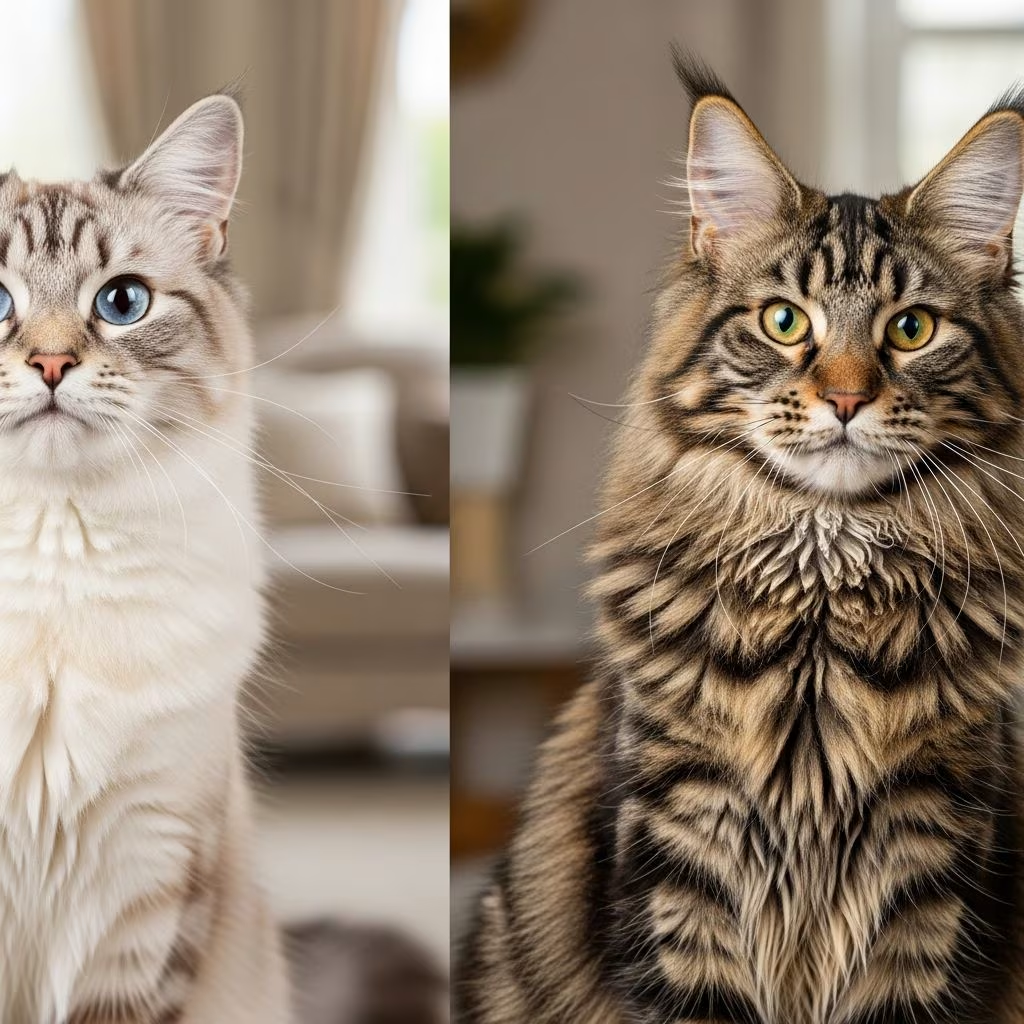
Both the Ragamuffin and Maine Coon stand out as some of the largest domestic cat breeds, captivating pet owners with their impressive stature and endearing personalities. Originating from the United States, these felines share a reputation for gentleness and sociability, yet they differ in physical build, care requirements, and adaptability to various living environments. This guide delves into their unique characteristics to help prospective owners make an informed decision.
Historical Background and Origins
The Ragamuffin traces its roots to California, emerging in the late 20th century as a distinct breed developed from Ragdoll lineage. Breeders focused on enhancing its plush coat and laid-back demeanor, resulting in a cat ideal for indoor companionship. In contrast, the Maine Coon hails from the rugged state of Maine on the East Coast, evolving naturally over centuries as a hardy working cat suited to harsh winters. Folklore suggests its ancestors intermingled with long-haired cats brought by sailors, contributing to its robust frame and water-resistant fur.
These origins influence their temperaments and physiques today: Ragamuffins embody a softer, more pampered evolution, while Maine Coons retain a wilder, adventurous spirit reflective of their northern heritage.
Physical Characteristics at a Glance
Both breeds impress with their size, but subtle differences set them apart. Here’s a quick overview:
| Feature | Ragamuffin | Maine Coon |
|---|---|---|
| Height | 9–12 inches | 8–16 inches |
| Weight | 10–20 pounds | 10–20 pounds (males often heavier) |
| Lifespan | 12–15 years | 12–16 years |
| Coat Length | Medium to long, silky | Long, shaggy with mane |
| Eye Shape | Walnut-shaped | Slightly oblique |
Ragamuffins appear fluffy due to their voluminous fur, which drapes elegantly over a rectangular body with a rounded head and full cheeks. Their eyes, often vivid blue, green, or gold, convey a sweet, teddy bear-like expression. Maine Coons, however, boast a more imposing presence with a square muzzle, large tufted ears set wide apart, and a bushy tail resembling a bottlebrush. Their coat is denser around the neck, forming a distinctive ruff that enhances their majestic look.
Detailed Appearance Breakdown
Body Structure
Ragamuffins have a substantial yet muscular build with medium-length legs and large paws, though not as polydactyl as some Maine Coons. Their bone structure is heavy but balanced, supporting a broad chest. Maine Coons exhibit a rectangular body that’s longer and more athletic, with high bone density and powerful hindquarters ideal for climbing and leaping. This makes them appear even larger in motion.
Coat and Grooming Traits
The Ragamuffin’s coat is soft and plush, resistant to matting if brushed regularly, available in endless colors from solids to tabbies. Maine Coons possess a rugged, water-repellent double coat that’s coarser in texture, requiring more frequent detangling to prevent knots, especially around the belly and tail.
- Ragamuffin fur: Silky, medium-long, low-shedding with proper care.
- Maine Coon fur: Shaggy, weather-resistant, higher shedding seasonally.
Temperament and Personality Profiles
These breeds shine in their affectionate natures, making them excellent family pets. Ragamuffins are quintessential lap cats—calm, patient, and eager for cuddles. They thrive on human interaction, often following owners room-to-room without being demanding. Their low energy suits apartment living, where they contentedly play with toys or nap nearby.
Maine Coons, dubbed “gentle giants,” blend playfulness with sociability. More outgoing, they enjoy interactive games like fetch and may vocalize with chirps or trills. Their dog-like loyalty extends to greeting guests warmly and tolerating children boisterously. However, they possess a higher prey drive, occasionally hunting if outdoors.
| Trait | Ragamuffin | Maine Coon |
|---|---|---|
| Affection Level | Very high, cuddly | High, playful |
| Energy | Average, relaxed | Average to high, adventurous |
| Family-Friendly | Excellent | Excellent |
| Other Pets | Good | Good, but territorial |
Health Considerations and Common Issues
Both breeds enjoy long lives but face breed-specific vulnerabilities. Ragamuffins may encounter hypertrophic cardiomyopathy (HCM), polycystic kidney disease (PKD), and urinary tract issues, necessitating annual cardiac screenings. Maine Coons are prone to HCM, hip dysplasia, and spinal muscular atrophy (SMA), with genetic testing recommended for breeders.
- Ragamuffin health risks: Heart conditions, kidney problems, cystitis.
- Maine Coon health risks: Hip dysplasia, HCM, SMA.
Regular vet check-ups, a high-protein diet, and weight management are crucial, as obesity exacerbates joint and heart issues in large breeds.
Grooming and Daily Care Needs
High-maintenance coats demand commitment. Brush Ragamuffins 2–3 times weekly to distribute oils and remove loose fur; baths are rare due to their self-cleaning ability. Maine Coons need daily brushing during shedding seasons to control undercoat buildup, plus paw inspections for debris from outdoor exploits.
Both benefit from nail trims bi-weekly, ear cleanings monthly, and dental care routines to prevent gingivitis common in large jaws.
Lifestyle Fit and Living Environment
Ragamuffins excel as indoor-only cats, content in small spaces with vertical perches and scratching posts. Their low curiosity reduces escape risks. Maine Coons adapt to indoors but prefer access to secure outdoor enclosures or leashed walks, leveraging their climbing prowess and swimming affinity.
Consider your setup: urban dwellers may favor Ragamuffins, while rural homes suit Maine Coons better.
Training and Exercise Essentials
Intelligence allows litter training from kittenhood and basic commands like “sit” via clicker methods. Provide puzzle feeders and wand toys for mental stimulation. Maine Coons respond well to agility training, while Ragamuffins prefer gentle play sessions.
Nutrition Guidelines for Optimal Health
Feed premium, protein-rich kibble or wet food portioned to twice-daily meals, aiming for 300–500 calories based on activity. Monitor weights to avoid obesity, supplementing with omega-3s for coat health.
Cost of Ownership Breakdown
| Expense | Estimated Annual Cost |
|---|---|
| Kitten Purchase | $1,000–$2,500 (one-time) |
| Food | $400–$600 |
| Grooming Supplies/Vet | $300–$500 |
| Litter/Toys | $200–$300 |
Which Breed Suits Your Home?
Choose Ragamuffin for a serene, low-activity companion in apartments. Opt for Maine Coon if you seek an engaging, exploratory partner with space for adventure. Both promise years of joy with proper care.
Frequently Asked Questions (FAQs)
Are Ragamuffins hypoallergenic?
No, neither breed is truly hypoallergenic, though regular grooming minimizes shedding.
Can Maine Coons live happily indoors?
Yes, with ample enrichment like cat trees and windows for bird-watching.
Which breed sheds more?
Maine Coons shed more heavily, especially seasonally.
Do they get along with dogs?
Both typically do, given proper introductions.
How often should I groom them?
Ragamuffins: 2–3x/week; Maine Coons: daily during sheds.
References
- Ragamuffin vs Maine Coon Cats: Differences — Hepper. 2023. https://articles.hepper.com/ragamuffin-vs-maine-coon-cat/
- Maine Coon vs Ragamuffin Cat Breed Comparison — Dogell.com. 2024. https://dogell.com/en/compare-cat-breeds/maine-coon-vs-ragamuffin
- Ragamuffin Cat vs Maine Coon: Main Differences (With Pictures) — Catster. 2024. https://www.catster.com/cat-breeds/ragamuffin-vs-maine-coon-cat/
- The 8 Largest Domestic Cat Breeds in the World — Purina UK. 2025. https://www.purina.co.uk/find-a-pet/articles/cat-types/breed-guides/big-cat-breeds



