

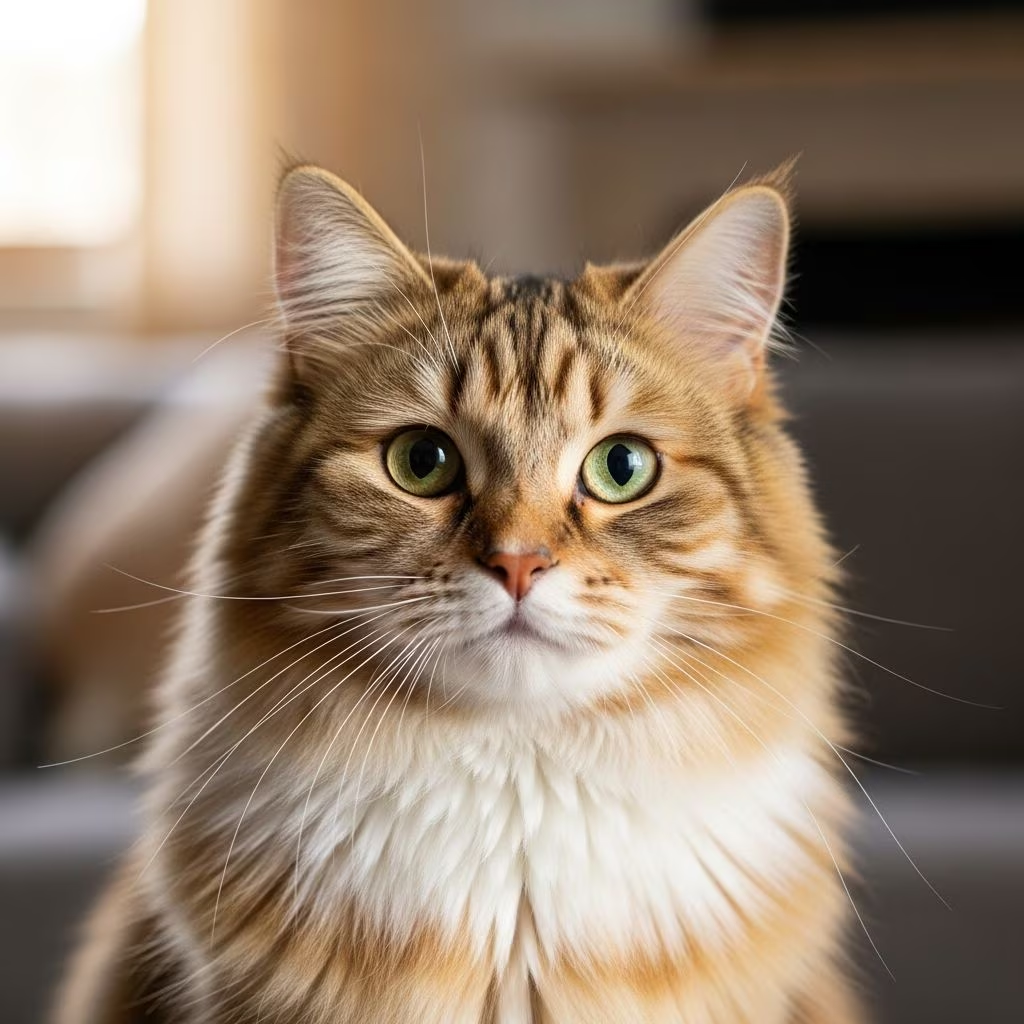
The Ragamuffin represents one of the most recent additions to recognized cat breeds, emerging from a unique lineage and breeding philosophy that prioritized temperament and genetic diversity. These substantial, muscular felines have captured the hearts of cat enthusiasts with their distinctive appearance and remarkably gentle dispositions. Unlike many breeds developed through strict selective breeding practices, Ragamuffins emerged from collaborative efforts aimed at creating a healthier alternative to their Ragdoll cousins while maintaining the positive qualities that made Ragdolls beloved family companions.
Ragamuffins stand out in the feline world not merely for their impressive size and plush coats, but for their exceptional personalities and their surprising adaptability to various living environments. Their development represents an interesting chapter in cat breeding history, one that demonstrates how breeders can work together to improve breed health while expanding the genetic foundation of domestic cats.
The Foundation: How Ragamuffins Came Into Being
The story of Ragamuffins begins in California during the 1960s when Ann Baker, an innovative and somewhat controversial breeder, established what would become the foundation for multiple cat breeds. Baker created several breeds under the “Cherubim” label, with the Ragdoll being her most famous creation. The Ragdoll name itself derived from the breed’s distinctive characteristic: their tendency to become limp and relaxed when picked up, much like a child’s ragdoll toy.
During the early 1970s, a significant split occurred within the Ragdoll breeding community. A group of breeders became dissatisfied with Baker’s strict control over breed standards and her rigid approach to breeding guidelines. This faction sought to establish their own breeding program with different objectives in mind. Rather than adhering to Baker’s narrow color restrictions and breeding protocols, these progressive breeders envisioned a cat that would retain the appealing temperament and substantial size of Ragdolls while allowing for greater genetic diversity and a broader palette of coat colors and patterns.
The breakaway group pursued recognition through traditional cat organizations rather than Baker’s International Ragdoll Cat Association (IRCA). Their strategic approach involved incorporating selective outcrosses with carefully chosen domestic longhair cats that already demonstrated traits aligned with the breed standard they were developing. This deliberate expansion of the genetic foundation created a more robust breed while maintaining the gentle nature that made the original Ragdolls so appealing to families.
The formation of the Ragamuffin breed name carries its own interesting history. According to founding breeders, the “Muffin” portion was capitalized to reflect these cats’ characteristically big, huggable, and lovable nature. The original gene pool developed from street cats of Riverside, California, blended with strategic outcrosses to Persians and other longhaired breeds once domestic longhair crosses were discontinued.
Recognition and Establishment Timeline
The path to official recognition for Ragamuffins took patience and perseverance from dedicated breeders. After years of development and refinement, the breed achieved several significant milestones:
- The American Cat Fanciers’ Association (ACFA) granted championship recognition in 2001, marking a turning point in the breed’s legitimacy
- The Cat Fanciers’ Association (CFA) provided registration status in 2003, opening doors to broader recognition
- By 2011, CFA elevated Ragamuffins to championship status, allowing them to compete at the highest levels of cat shows
- The Governing Council of the Cat Fancy (GCCF) granted championship status on June 17, 2015, establishing international recognition
This gradual progression toward recognition reflected the breeders’ commitment to establishing proper standards and documentation before seeking competitive status. The careful approach to breed development and registration ensured that Ragamuffins would be built on solid genetic and organizational foundations.
Physical Characteristics and Appearance
Ragamuffins present a distinctive silhouette that sets them apart from many other domestic cat breeds. These are substantial cats, with males typically weighing significantly more than females. The breed reaches full physical maturity around four years of age, meaning their growth and development span a longer period than many other feline breeds.
Body Structure and Build
The Ragamuffin’s body structure reflects their breeding heritage and the breeders’ vision for a robust, well-proportioned feline. The frame is rectangular and broad-chested, with sturdy shoulders that support the cat’s substantial musculature. The body type is classified as “heavy-boned,” contributing to their impressive presence. The hindquarters are equally broad as the shoulders, maintaining balanced proportions throughout the body. A characteristic of the breed includes a tendency toward a fatty pad in the lower abdomen, which is considered expected and acceptable within breed standards.
The legs and paws are heavily boned, with notably large, round paws featuring tufts of fur both beneath and between the toes. These substantial paws contribute to the breed’s distinctive silhouette and provide important structural support for their muscular frames.
Head and Facial Features
The Ragamuffin head presents a broad, modified wedge shape with a moderately rounded forehead. The muzzle is notably wide, featuring distinctive puffy whisker pads that give these cats their characteristic sweet expression. An obvious nose dip adds to their appealing facial structure, distinguishing them from other longhaired breeds.
Coat Characteristics
The coat represents one of the most striking features of the Ragamuffin breed. The fur is medium to medium-long in length, with a plushy, soft, and dense texture complemented by a substantial undercoat. This combination creates a luxurious tactile quality that many people describe as feeling like a stuffed toy or teddy bear.
Fur is typically slightly longer around the neck and the outer edges of the face, creating the appearance of a ruff. This longer facial framing enhances their sweet expression. The coat on the flanks and underparts is notably thick and medium to medium-long, often creating the appearance of knickerbockers on the hind legs.
Color and Pattern Variations
One significant difference between Ragamuffins and their Ragdoll cousins involves color possibilities. While Ragdolls are restricted to specific colorpoint patterns, Ragamuffins display remarkable color diversity. Every color and pattern is allowable in the breed, including or excluding white markings. The palette encompasses solid colors as well as stripes, spots, and patches in combinations including white, black, blue, red, cream, chocolate, lilac, cinnamon, and seal brown.
Interestingly, Ragamuffin kittens are typically born white and develop their distinctive color patterns as they mature. Eyes can be any solid color, with some individuals exhibiting heterochromia, a condition where each eye displays a different color. The nose leather and paw pads are accepted in all colors and color combinations, without requirement for color correspondence to the coat.
Temperament and Behavioral Traits
Beyond their impressive physical attributes, Ragamuffins are renowned for exceptional temperamental qualities that make them outstanding companion animals. The breed’s personality development was actually a primary focus during the original breeding program, reflecting the breeders’ determination to create cats with consistently sweet dispositions.
These felines are known for their docile and even-tempered nature, maintaining calm dispositions in various situations. They exhibit a characteristic go-with-the-flow attitude that makes them adaptable to different households and circumstances. Ragamuffins are notably affectionate and form deep bonds with their human families, demonstrating a marked preference for human companionship and interaction.
The breed’s social nature extends to their comfort with people of all ages, including children, and their general compatibility with other pets when properly introduced. Many owners describe their Ragamuffins as clingy and devoted, cats that genuinely enjoy being near their people and participating in household activities. Their calm temperament makes them less likely to exhibit stress-related behaviors, and they typically handle changes in environment or routine with patient acceptance.
Health Considerations and Lifespan
Ragamuffins typically enjoy a lifespan of 12 to 16 years when provided with appropriate care and nutrition. The breed’s genetic diversity, resulting from their development through outcrossing programs, often contributes to better overall health compared to some more restrictively bred felines.
Regular veterinary care, appropriate nutrition, and environmental enrichment all contribute to ensuring these cats enjoy their full potential lifespan. Like all cat breeds, Ragamuffins benefit from routine health screenings, vaccinations, and preventive care measures. Their substantial size means they require adequate nutrition to support their muscular frames and maintain healthy weight.
Grooming and Coat Maintenance
The Ragamuffin’s plush coat requires regular attention to maintain its optimal condition and prevent matting or tangles. Their soft, dense undercoat particularly benefits from consistent brushing routines. Most owners find that brushing several times weekly helps manage shedding and keeps the coat healthy and beautiful.
The soft texture of their coat makes grooming a pleasant experience for most Ragamuffins, who often enjoy the attention and bonding that grooming sessions provide. Starting grooming routines early in a cat’s life helps establish this as a positive activity that the cat associates with interaction and care.
Living Arrangements and Environmental Needs
Despite their substantial size and muscular builds, Ragamuffins adapt well to various living situations, from apartments to homes with extensive outdoor access. Their calm temperament and moderate activity levels make them well-suited to indoor living. They appreciate comfortable resting areas, climbing structures for mental stimulation, and spaces where they can observe their surroundings.
These cats are not particularly demanding in terms of space, though they do appreciate enrichment activities and interaction with their human companions. Window perches for bird watching and comfortable spots for lounging appeal to their preferences for calm observation and relaxation.
Frequently Asked Questions About Ragamuffins
How do Ragamuffins differ from Ragdolls?
While both breeds share historical origins, Ragamuffins are distinct from Ragdolls in several important ways. Ragamuffins permit all color patterns, while Ragdolls are restricted to colorpoint patterns. Ragamuffins were developed with a broader genetic foundation through deliberate outcrossing programs, creating potentially healthier cats with greater genetic diversity. The breeds also differ in their breeding philosophies and organizational structures.
Are Ragamuffins good family pets?
Ragamuffins excel as family pets due to their gentle temperaments, affectionate nature, and compatibility with people of all ages. Their calm, patient dispositions make them particularly well-suited to households with children. They typically adapt well to family routines and enjoy being involved in family activities.
How much grooming do Ragamuffins require?
Ragamuffins need regular grooming, typically several times weekly, to maintain their plush coats. Their dense undercoat requires consistent attention to prevent matting and reduce shedding. Most owners find grooming to be an enjoyable bonding activity with their Ragamuffins.
What is the average cost of a Ragamuffin cat?
Ragamuffins are less commonly available than some other breeds, which can influence pricing. Costs vary based on breeder reputation, bloodline, and regional availability. Prospective owners should research reputable breeders carefully and expect to invest considerable time in finding a quality kitten.
Do Ragamuffins have any breed-specific health issues?
The breed’s genetic diversity from outcrossing programs generally contributes to fewer hereditary health issues compared to more restrictively bred cats. Like all cats, Ragamuffins benefit from regular veterinary care and appropriate preventive health measures.
Finding and Adopting a Ragamuffin
Because Ragamuffins are less common as domestic cats compared to mainstream breeds, finding one requires research and patience. Prospective owners should seek reputable breeders who follow ethical breeding practices and maintain breed standards. Organizations such as the ACFA, CFA, and GCCF maintain registries and can provide referrals to established breeders.
Rescue organizations specializing in purebred cats occasionally have Ragamuffins available for adoption. While less common than adoption options for more popular breeds, rescue adoption provides an opportunity to give a home to a cat in need while often at lower cost than purchasing from a breeder.
The Ragamuffin Legacy
The Ragamuffin breed represents an important chapter in modern cat breeding history. Rather than simply accepting established breed standards, dedicated breeders worked collaboratively to create something new—a cat that maintained desirable qualities while expanding genetic foundations and broadening possibilities. The breed demonstrates that thoughtful breeding practices can produce healthier, more diverse populations while maintaining or even enhancing the positive characteristics that make cats wonderful companions.
Today’s Ragamuffins carry forward the vision of their founders: substantial, healthy cats with magnificent temperaments and appearances. Their development through outcrossing and deliberate genetic management created a robust breed built to thrive for generations to come.
References
- Ragamuffin Cat — Wikipedia. Accessed January 2026. https://en.wikipedia.org/wiki/Ragamuffin_cat
- RagaMuffin Breed Information and Characteristics — The Governing Council of the Cat Fancy (GCCF). 2015. https://www.gccfcats.org/getting-a-cat/choosing/cat-breeds/ragamuffin/
- History of the Ragamuffin — RagaMuffin Associated Group (RAG). https://www.ragamuffins.co/history-of-the-ragamuffin
- Ragamuffin Cat Facts — ASPCA Pet Insurance. https://www.aspcapetinsurance.com/resources/ragamuffin-cat-facts/
- RagaMuffin Breed Information — Wisdom Panel. https://www.wisdompanel.com/en-us/cat-breeds/ragamuffin



