

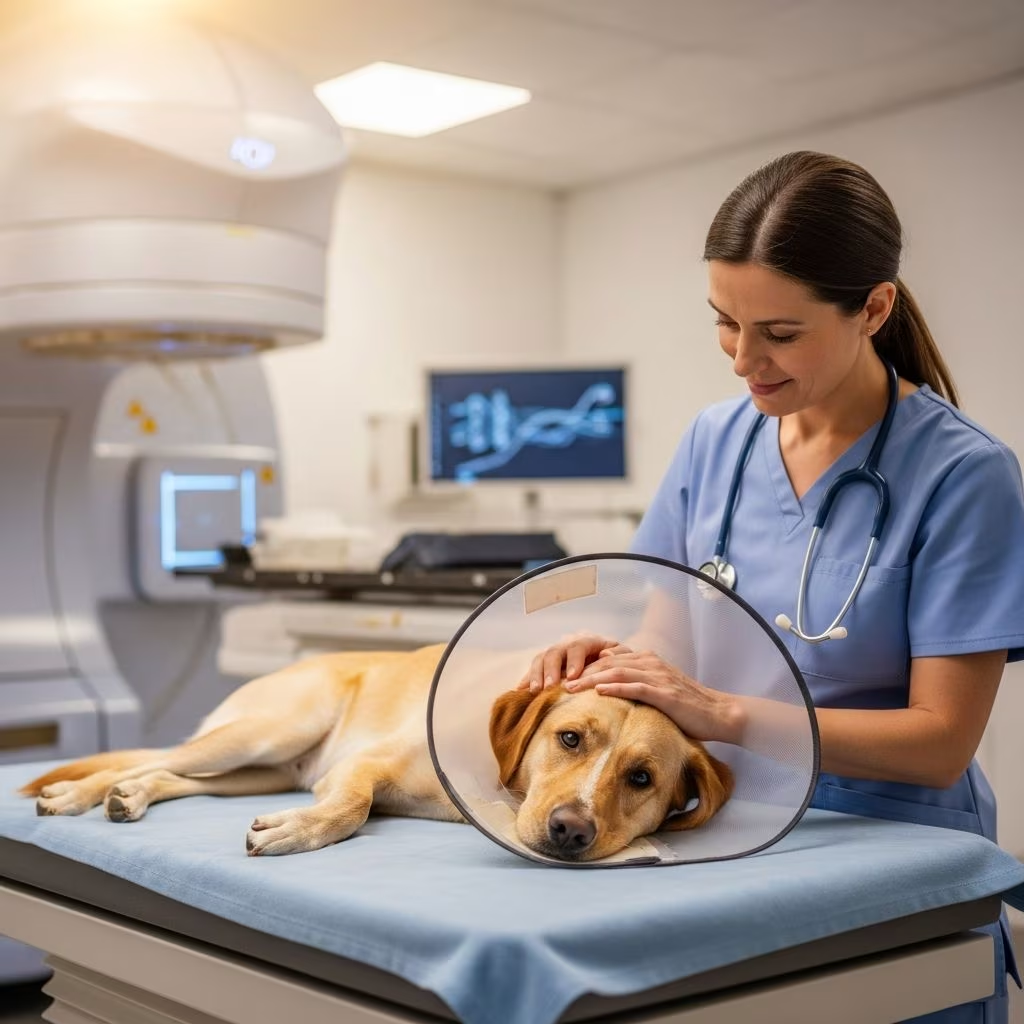
Understanding Radiation Therapy for Pets
Radiation therapy is a sophisticated cancer treatment option that uses high-energy beams to target and destroy cancerous cells in dogs and cats. Like human medicine, veterinary radiation therapy works by damaging the DNA within cancer cells, preventing them from reproducing and spreading throughout the body. This specialized treatment has become an increasingly important tool in veterinary oncology, offering hope to pet owners facing a cancer diagnosis for their beloved companions.
At leading veterinary hospitals, board-certified radiation oncologists work alongside surgical teams, medical oncologists, and other specialists to create comprehensive treatment plans tailored to each pet’s unique condition. The goal is always to deliver the optimal dose of radiation necessary to destroy cancer cells while minimizing exposure to healthy tissue and reducing potential side effects.
How Radiation Therapy Works
Radiation therapy operates on a fundamental principle: high-energy radiation damages the genetic material of cancer cells, making them unable to divide and grow. When cancer cells cannot replicate, they eventually die and are eliminated from the body. Healthy cells are more resistant to radiation damage and can repair themselves more effectively than cancer cells, making this treatment selective in its impact.
The treatment is delivered using advanced equipment called a linear accelerator (LINAC), which produces precisely focused beams of high-energy x-rays. These beams are shaped and directed to target the specific location of the tumor while avoiding as much normal tissue as possible. Modern technology allows veterinarians to create radiation beams that conform to the exact shape and contours of a pet’s tumor, further protecting surrounding healthy structures.
Types of Radiation Therapy for Pets
Veterinary radiation oncology offers several different approaches to cancer treatment, each designed to address specific patient needs and tumor characteristics. Your veterinary oncologist will recommend the most appropriate type based on your pet’s diagnosis, tumor location, size, and overall health status.
Full-Course Radiation Therapy (Conventional Radiation Therapy)
Full-course radiation therapy, also known as conventional radiation therapy, represents the standard approach to delivering curative-intent treatment. This method typically involves daily treatments administered five days a week over three to four weeks. Each treatment session lasts approximately 15 to 30 minutes, though the actual radiation delivery portion takes only a few minutes.
The extended treatment schedule allows healthy tissues to recover between sessions while cancer cells accumulate damage over time. This approach maximizes the destruction of cancer cells while allowing the body’s natural repair mechanisms to minimize injury to surrounding normal tissue. Full-course radiation therapy is often combined with surgery and/or chemotherapy for optimal results.
Stereotactic Radiation Therapy (SRT)
Stereotactic Radiation Therapy represents an advanced form of radiation treatment that delivers extremely high doses of radiation with pinpoint accuracy in just one to five treatment sessions. This technique is ideal for well-defined tumors that are easily visualized on imaging studies. By delivering such high doses in fewer treatments, SRT minimizes the overall treatment time and reduces the number of anesthetic episodes required.
SRT requires precise planning using CT scan imaging to ensure accurate targeting. The radiation is focused so tightly on the tumor that exposure to surrounding healthy tissue is substantially reduced, resulting in fewer side effects and faster treatment completion compared to conventional therapy. This approach is particularly beneficial for tumors in locations where minimizing radiation exposure to nearby critical structures is essential.
Palliative-Intent Radiation Therapy
Palliative radiation therapy focuses on improving a pet’s quality of life rather than attempting to cure the cancer completely. This approach uses medium-dose radiation delivered over multiple sessions to relieve pain, shrink tumors that cause discomfort, and alleviate other clinical signs that diminish the pet’s well-being. Treatment schedules are flexible, typically involving weekly sessions for four to six weeks or daily treatments for five days.
Palliative treatments are often used when curative options are not possible or when a pet’s condition makes extended treatment impractical. The effects of palliative radiation typically last three to six months, and repeat treatments may be needed to maintain comfort and quality of life.
Advanced Radiation Therapy Techniques
Modern veterinary radiation oncology employs cutting-edge technologies that enhance treatment precision and effectiveness. These advanced techniques allow veterinarians to deliver radiation with unprecedented accuracy while protecting healthy tissues.
Intensity-Modulated Radiation Therapy (IMRT)
IMRT is a highly precise form of radiation delivery that shapes the radiation dose to match the exact contours of the tumor. The radiation intensity varies across the treatment beam, allowing higher doses to be concentrated on the cancer while lower doses reach surrounding tissues. This technique significantly improves the therapeutic ratio, maximizing cancer cell destruction while minimizing damage to normal structures.
Volumetric Modulated Arc Therapy (VMAT)
VMAT represents an advanced form of IMRT where the linear accelerator rotates around the patient during treatment, delivering a continuous, modulated dose of radiation. This dynamic approach further improves dose conformality and allows for faster treatment delivery. VMAT is particularly effective for complex tumor geometries that require sophisticated dose distributions.
Image-Guided Radiation Therapy (IGRT)
IGRT uses imaging technology before each treatment session to verify the exact position of the tumor and ensure the most accurate targeting possible. Many facilities utilize cone-beam CT (CBCT) scanning, which provides three-dimensional imaging just before treatment begins. This confirmation step allows adjustments to be made if the patient’s position has shifted, ensuring radiation is delivered precisely where intended every single time.
The Radiation Therapy Treatment Process
Understanding what to expect during radiation therapy can help pet owners prepare for their pet’s treatment journey and reduce anxiety about the procedure.
Pre-Treatment Planning
Before radiation therapy begins, your pet will undergo a comprehensive evaluation and treatment planning session. For most radiation therapies, a CT scan is performed to create detailed images of the tumor and surrounding anatomy. Radiation oncologists and physicists use these images to develop a precise treatment plan that specifies the exact radiation dose, beam angles, and treatment duration needed for your specific pet.
Your veterinary team will discuss the treatment plan with you, explaining the expected outcome, potential side effects, and the number of treatments your pet will require. This is an ideal time to ask questions and express any concerns about the treatment process.
During Treatment
During each radiation therapy session, your pet must remain perfectly still to ensure radiation is delivered accurately to the intended target. Because pets cannot voluntarily hold still for the duration of treatment, they are placed under short-acting anesthesia. Veterinary teams use specialized, rapidly-acting anesthetic drugs that allow pets to wake quickly after treatment and return home the same day.
Each treatment session typically takes 15 to 30 minutes, though most of this time involves patient positioning and verification imaging rather than actual radiation delivery. Your pet will be closely monitored throughout the procedure, and anesthetic protocols are specifically designed to minimize side effects while ensuring the safety required for precise treatment delivery.
After Treatment
After each radiation therapy session, your pet can typically go home the same day. Most pets recover quickly from the short-acting anesthetic and can resume normal activities within a few hours. Your veterinarian will provide specific post-treatment care instructions and discuss any activity restrictions or dietary considerations.
Benefits of Radiation Therapy
Radiation therapy offers several significant advantages as a cancer treatment option for pets:
– Targeted treatment: Radiation precisely targets cancer cells while sparing healthy tissue, reducing side effects compared to systemic treatments- Non-invasive: Unlike surgery, radiation therapy does not require surgical incisions, making it suitable for tumors in difficult-to-access locations- Combination flexibility: Radiation therapy can be used alone or combined with surgery, chemotherapy, and other treatments for comprehensive cancer care- Rapid treatment completion: Advanced techniques like SRT can complete treatment in just one to five sessions- Improved quality of life: Palliative radiation can significantly reduce pain and improve comfort for pets with advanced cancer- Curative potential: Radiation therapy can cure some pets’ cancers completely, particularly when detected early and combined with other appropriate treatments
Potential Side Effects and Considerations
While radiation therapy is generally well-tolerated by most dogs and cats, understanding potential side effects helps pet owners make informed decisions and recognize what to monitor during treatment.
Short-Term Side Effects
During and immediately following radiation therapy, pets may experience temporary side effects in the area being treated. These may include mild skin irritation, temporary hair loss in the treatment area, or mild gastrointestinal upset if abdominal structures are treated. Most short-term side effects resolve within a few weeks after treatment completion.
Long-Term Side Effects
Some pets may experience long-term side effects weeks to months after radiation therapy. These depend on the location treated and the total dose delivered. Potential long-term effects may include permanent hair loss or color changes in the treated area, or in rare cases, inflammation of deeper tissues. Your veterinarian will discuss the specific risks relevant to your pet’s treatment location before therapy begins.
Anesthetic Considerations
Because repeated anesthetic events are necessary for radiation therapy, there is a small risk associated with each treatment episode. However, veterinary teams minimize this risk by using short-acting anesthetic drugs and close patient monitoring throughout each procedure. Pre-anesthetic blood work evaluates your pet’s ability to safely undergo anesthesia before treatment begins.
Radiation Therapy for Different Tumor Types
Radiation therapy is effective for treating many different types of cancer in pets. Common tumor types that respond well to radiation therapy include nasal tumors, brain tumors, oral tumors, skin tumors, and various soft tissue sarcomas. Your veterinary oncologist will assess whether radiation therapy is appropriate for your pet’s specific diagnosis.
The Role of Your Veterinary Team
Successful radiation therapy requires a coordinated team approach. Board-certified radiation oncologists lead the team and specialize in cancer treatment using radiation. Radiation physicists ensure accurate dose calculations and equipment function. Radiation therapists position your pet for treatment and operate the radiation equipment. Veterinary technicians provide nursing care and monitor your pet during treatment. Your family veterinarian and other specialists such as surgeons and medical oncologists work collaboratively to provide comprehensive cancer care.
Frequently Asked Questions About Pet Radiation Therapy
Q: Is radiation therapy painful for my pet?
A: No, radiation therapy is not painful. Your pet is under anesthesia during treatment and cannot feel the radiation being delivered. Some pets may experience mild discomfort in the treated area during the healing process, similar to mild sunburn, but this is typically minimal and manageable.
Q: How long does each radiation therapy appointment take?
A: Each appointment typically lasts 15 to 30 minutes from start to finish, including positioning, imaging verification, and the actual radiation delivery. The actual radiation portion takes only a few minutes.
Q: Can my pet go home the same day after radiation treatment?
A: Yes, most pets recover quickly from the short-acting anesthesia used during radiation therapy and can go home the same day. Your pet can usually resume normal activities within a few hours of treatment.
Q: Is radiation therapy expensive?
A: Radiation therapy costs vary depending on the type of treatment, number of sessions required, and your geographic location. While not inexpensive, many pet owners find the potential benefits and improved quality of life well worth the investment. Discuss cost details with your veterinary hospital.
Q: Can radiation therapy be combined with other cancer treatments?
A: Yes, radiation therapy often works best when combined with surgery and/or chemotherapy. Your veterinary oncologist will design a comprehensive treatment plan incorporating multiple modalities for optimal results.
Q: Will my pet lose hair from radiation therapy?
A: Hair loss may occur in the area being treated, particularly with larger treatment areas. This is typically temporary with conventional radiation therapy but may be permanent with some advanced techniques. Your veterinarian will discuss this possibility during treatment planning.
Q: How often is radiation therapy performed?
A: Treatment frequency depends on the type of radiation therapy. Conventional therapy typically involves five treatments per week for 3-4 weeks, while stereotactic therapy may be completed in just 1-5 sessions.
References
- Radiation Oncology Services — VCA Animal Hospitals. 2024. https://vcahospitals.com/advanced-veterinary-care-center/departments/radiation-oncology/radiation-oncology-services-overview
- Radiation Oncology — Port City Veterinary Referral Hospital. 2024. https://www.portcityvet.com/services/radiation-oncology
- Radiation Therapy for Pets in Matthews — Carolina Veterinary Specialists. 2024. https://www.matthews.carolinavet.com/site/specialties/radiation-oncology
- Veterinary Radiation Oncology — MedVet. 2024. https://www.medvet.com/specialty/radiation-oncology/
- Radiation Oncology Services Overview — BluePearl Pet Hospital. 2024. https://bluepearlvet.com/radiation-oncology/



