

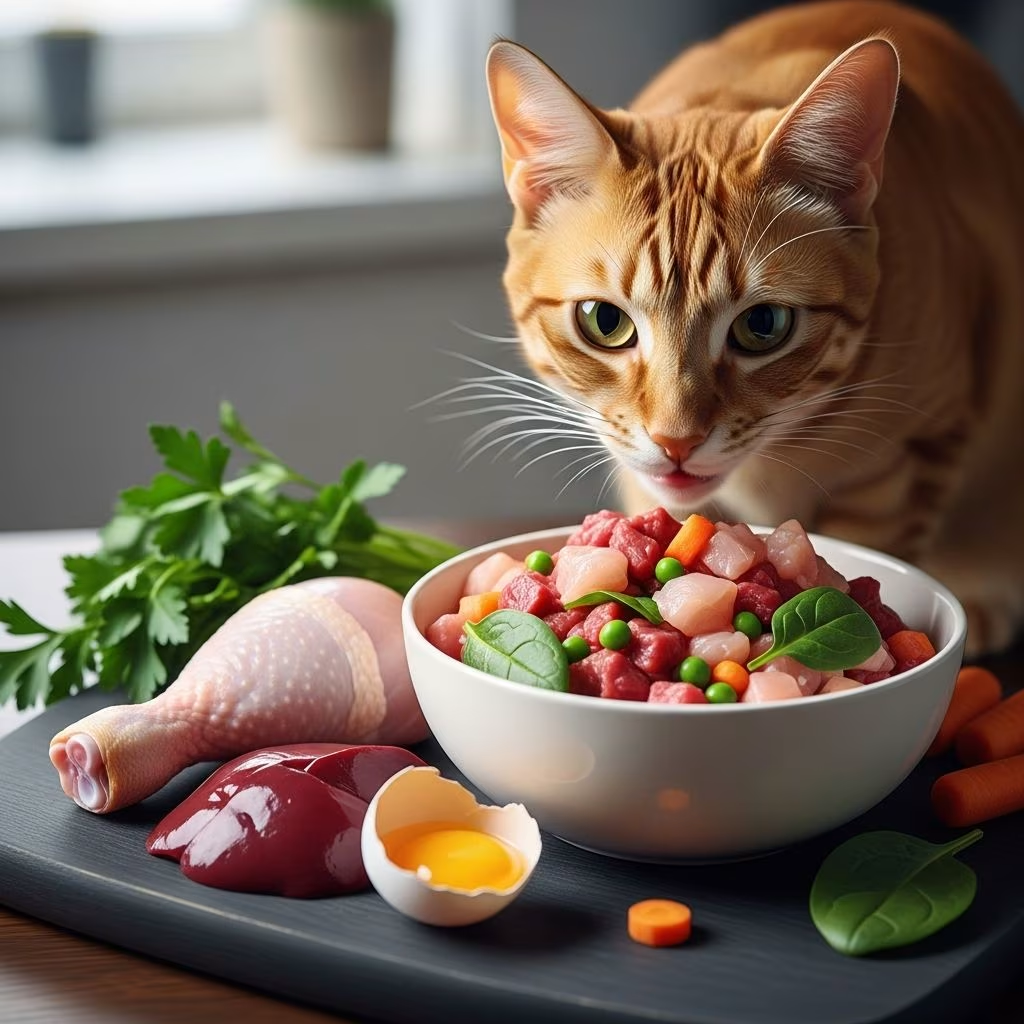
Rad Cat Raw Food Diet: Understanding the Brand and Its Legacy
Rad Cat Raw Food Diet was an Oregon-based company that specialized in creating raw food diets specifically formulated for cats. For approximately ten years, the company dedicated itself to producing premium raw cat food products that aligned with feline nutritional requirements. The company’s philosophy centered on the understanding that cats are obligate carnivores designed to thrive on a meat-based diet, and their product formulations reflected this biological reality.
What Made Rad Cat’s Approach Unique
Rad Cat distinguished itself through a specialized formulation approach that set it apart from conventional pet food manufacturers. The company’s primary focus was creating a diet composition that closely mimicked what cats would naturally consume in the wild, prioritizing meat and organ content while carefully managing other nutritional components.
Core Product Specifications
Rad Cat’s formulation consisted of 96% meat and organ content with no bones or vegetables included in the base recipe. This high-meat formulation reflected a deep understanding of feline dietary requirements. Rather than using traditional bone content for calcium, the company employed powdered eggshell as their calcium source. This methodological choice was particularly significant because it resulted in a remarkably low phosphorus level, making the product especially beneficial for cats suffering from kidney disease.
The company utilized human-grade, free-range, antibiotic-free, and hormone-free meats in their dietary formulations. Beyond these primary ingredients, Rad Cat included carefully selected dry ingredients to ensure their products met complete and balanced nutritional standards required by pet food regulatory bodies. This combination of high-quality meat sources with precise supplementation created a product designed to address specific health concerns in feline populations.
Raw Cat Food Diet Benefits
Raw feeding for cats offers numerous scientifically-supported and anecdotally-reported benefits that have made it an increasingly popular choice among cat owners seeking alternative nutrition options.
Enhanced Nutrient Absorption
Raw cat food diets provide unprocessed ingredients that are rich in essential nutrients. The absence of processing means that these nutrients remain in their natural, bioavailable forms, allowing cats’ digestive systems to absorb them more effectively than they might from processed alternatives. Raw food ingredients contain the vitamins, minerals, and amino acids that cats require in forms that their bodies recognize and utilize efficiently.
Improved Digestive Health
Unlike humans, cats possess a notably short digestive system that processes food intake quickly and effectively. This biological feature greatly reduces the threat of bacterial colonization and foodborne illness. However, when cats consume heavily processed meats, grains, and fillers, their digestive systems struggle because they lack certain digestive enzymes required to break down these foods. Specifically, cats do not naturally produce amylase, the enzyme necessary for grain digestion, forcing their pancreas to work excessively hard to process foods their bodies were not designed to consume.
By contrast, raw meat and organ-based diets align with feline digestive physiology. Because raw meat, bones, and pureed vegetables are digested more completely than cooked grains and meat, pets produce less waste overall. The resulting stools become smaller, fewer, less odorous, and more compact—sometimes even turning to dust if left in the sun for several days.
Weight Management and Lean Muscle Development
Raw cat food diets support healthy weight management by providing high-quality protein sources that help cats maintain lean muscle mass. This benefit is particularly important for domestic cats prone to obesity-related health complications. The high protein content satisfies cats’ nutritional requirements and energy needs more efficiently than grain-based or carbohydrate-heavy commercial foods.
Kidney Health and Disease Prevention
One of the most significant benefits of raw feeding relates to kidney health management. A raw food diet is naturally high in moisture content, which is essential for maintaining proper kidney function. This moisture content is particularly crucial because cats are naturally poor water drinkers and obtain most of their fluids from their food. Cats fed dry cat food throughout their lives face an increased risk of developing kidney disease due to the extremely low moisture content of kibble.
For cats already suffering from kidney disease, raw diets help manage the condition by maintaining proper hydration. Additionally, high-quality, highly digestible protein sources—such as those found in raw cat food—provide cats with the necessary, species-appropriate nutrition while creating minimal waste for the kidneys to process. The phosphorus levels in appropriately formulated raw diets can also be controlled to support kidney health, as the recommended calcium-to-phosphorus ratio in cat food is between 1.1:1 and 1.5:1.
Allergy Alleviation and Skin Health
Raw food diets can be incredibly beneficial for cats with allergies or food sensitivities. These diets are hypoallergenic in nature, containing none of the common allergens found in processed pet foods such as grains, artificial additives, and fillers. The absence of potentially irritating ingredients often found in commercial pet foods helps alleviate digestive issues and promotes overall gut health. For cats with sensitive skin, raw diets minimize the risk of allergies and skin irritations by providing natural, balanced meals that are gentle on sensitive stomachs.
Dental Health Improvements
Raw feeding has been linked to enhanced dental health outcomes in cats. Chewing on raw bones and meat helps to clean teeth naturally and prevents plaque buildup, reducing the need for professional dental interventions and supporting overall oral health.
Important Nutritional Considerations for Raw Cat Diets
While raw feeding offers numerous benefits, cat owners must understand specific nutritional requirements and potential risks associated with this dietary approach.
Essential Amino Acids and Nutrients
Cats require high dietary protein levels because they use protein rather than carbohydrates as their primary energy source. Certain amino acids, particularly taurine, along with arachidonic acid, vitamin A, vitamin D, and various B vitamins, must be present in sufficient amounts to maintain feline health. Properly formulated raw diets ensure these essential nutrients are included in appropriate concentrations.
Seafood Considerations
Raw seafood presents a specific nutritional concern that cat owners should understand. Many types of raw seafood contain thiaminase, an enzyme that breaks down thiamine. Cats consuming diets composed primarily of raw seafood face a significant risk of thiamine deficiency, which can lead to poor appetite, seizures, and potentially death. Cooking breaks down thiaminase, making these varieties of seafood safe for cats, so if raw seafood is included in a feline diet, careful consideration and potential cooking of certain species may be necessary.
Raw Food vs. Other Diet Types: What Research Shows
While raw feeding has gained popularity among pet owners, it is important to understand what scientific research actually demonstrates about raw diets compared to other nutritional approaches.
No scientific study has ever definitively shown that raw cat food diets provide better overall nutrition than other types of cat food. A high-quality raw diet would be nutritionally superior to a low-quality processed food; however, similar nutritional benefits can be achieved by switching to a high-quality canned cat food alternative. This distinction is crucial because quality of ingredients and formulation matters more than the processing method alone.
Both raw and cooked food can be made from ingredients of varying quality. Raw is not synonymous with “high quality” or superior digestibility. In fact, cooking actually improves the nutritional value of certain foods. The key consideration for cat owners is selecting any diet—raw or otherwise—that is specifically formulated to meet feline nutritional requirements and AAFCO (Association of American Feed Control Officials) Cat Food Nutrient Profiles for complete and balanced nutrition.
The Closure of Rad Cat Raw Food Diet
As of October 15, 2018, Rad Cat Raw Diet ceased production and permanently closed operations. The company’s closure marked the end of a specialized raw cat food manufacturer that had served the feline nutrition community for a decade. While specific details regarding the circumstances leading to the company’s decision to close have not been extensively documented in public sources, the closure represented a loss for cat owners who had relied on the company’s specifically formulated products, particularly those with cats suffering from kidney disease who benefited from the company’s low-phosphorus formulations.
Alternatives and Moving Forward
For cat owners interested in continuing raw feeding after Rad Cat’s closure, several alternatives remain available. Other raw cat food manufacturers and brands continue to produce raw feline nutrition products designed to meet cats’ carnivorous dietary needs. Additionally, some cat owners have explored creating balanced raw diets under veterinary nutritionist guidance to ensure their cats receive complete and balanced nutrition.
Frequently Asked Questions
Q: What percentage of meat did Rad Cat use in their raw cat food formulas?
A: Rad Cat Raw Diet formulated their products with 96% meat and organ content, with no bones or vegetables included in the base recipe, using powdered eggshell as their calcium source.
Q: When did Rad Cat Raw Food Diet close?
A: Rad Cat Raw Diet ceased production and permanently closed on October 15, 2018, ending approximately ten years of specialized raw cat food manufacturing.
Q: Is raw cat food better than conventional cat food?
A: Scientific research has not definitively shown that raw cat food provides better nutrition than other types of cat food. A high-quality raw diet may be superior to low-quality processed food, but similar benefits can be achieved with high-quality canned cat food.
Q: Can raw cat food help with kidney disease?
A: Yes, raw cat food diets are naturally high in moisture, which supports kidney health. They can help prevent kidney disease and manage existing conditions, particularly when formulated with appropriate phosphorus levels.
Q: What are the risks of feeding raw cat food?
A: Potential risks include thiamine deficiency from excessive raw seafood consumption and nutritional imbalances if the diet is not properly formulated. Consulting with a veterinary nutritionist before transitioning to raw feeding is recommended.
Q: Are there specific health conditions where raw cat food is particularly beneficial?
A: Raw cat food can be particularly beneficial for cats with allergies, digestive sensitivities, kidney disease, and those requiring dental health support due to natural tooth-cleaning benefits from chewing raw bones and meat.
References
- Raw Benefits In Depth — Nutriment. Accessed January 2026. https://www.nutriment.co.uk/pages/raw-benefits-in-depth
- Benefits of Raw Food for Cats, in Relation to Kidney Disease — Purrform. Accessed January 2026. https://www.purrform.co.uk/blog/benefits-of-raw-food-for-cats-in-relation-to-kidney-disease/
- Three Reasons to Switch to a Raw Cat Food Diet — Fresh is Best. Accessed January 2026. https://www.freshisbest.com/three-reasons-to-switch-to-a-raw-cat-food-diet/
- Raw Cat Food Diets — PetMD. Accessed January 2026. https://www.petmd.com/cat/nutrition/can-cats-have-raw-food-diet
- Rad Cat Raw Food for Cats — Judy Morgan Interview. January 2016. https://www.youtube.com/watch?v=2aqKOXif3LU
- Rad Cat Raw Food Diet – Are They Still in Business? Facts — Catster. October 2018. https://www.catster.com/lifestyle/rad-cat-raw-food/



