

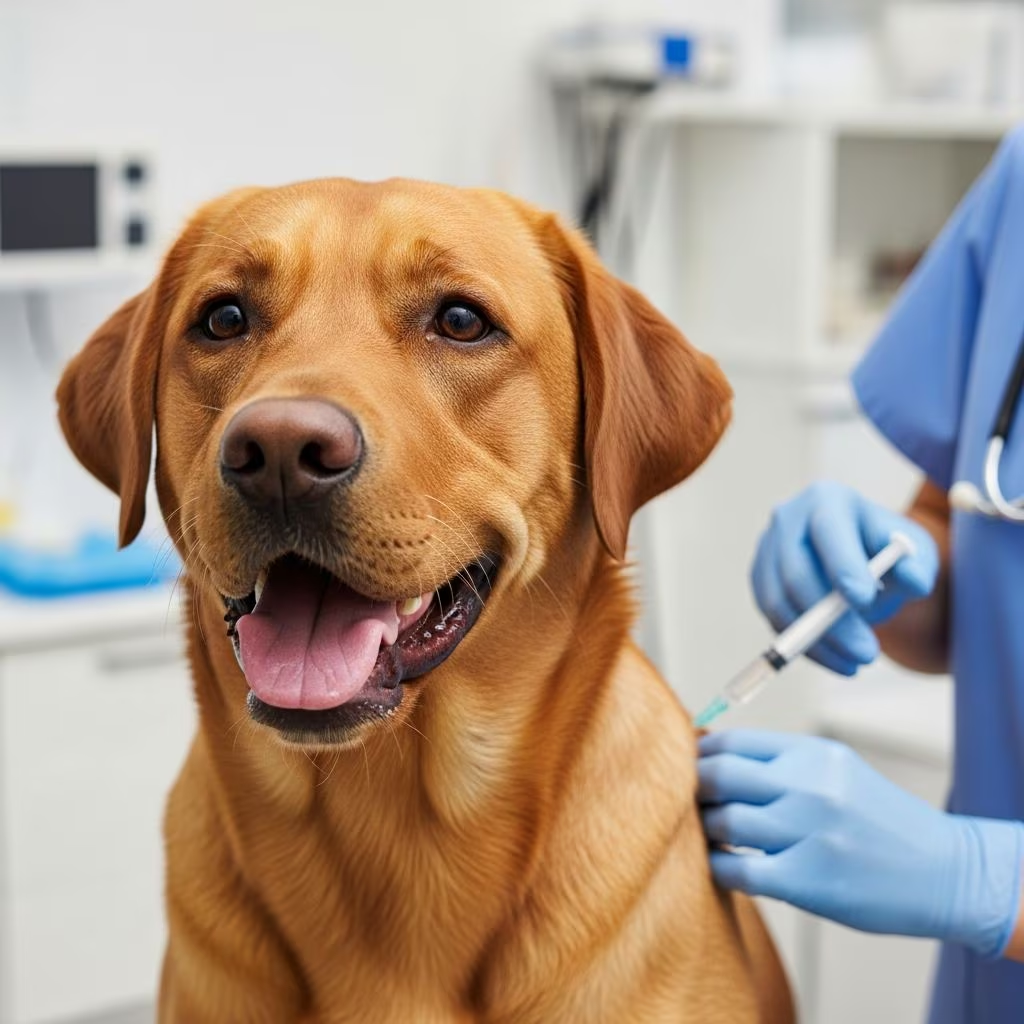
Rabies Vaccines for Dogs: Everything You Need to Know
Rabies is one of the most serious and fatal diseases that can affect dogs, and fortunately, it is also one of the most preventable through vaccination. As a responsible dog owner, understanding rabies vaccines is crucial for protecting your beloved pet and your community. This comprehensive guide covers everything you need to know about rabies vaccinations for dogs, including scheduling, types of vaccines, legal requirements, and common questions pet owners ask.
Why Rabies Vaccination Is Critical for Dogs
Rabies is a viral disease transmitted through saliva, typically via bites from infected animals. Once clinical signs appear, rabies is almost always fatal in both dogs and humans. The disease attacks the nervous system and causes severe neurological symptoms. Vaccination is the most effective way to prevent this devastating disease in dogs. Not only does rabies vaccination protect your individual pet, but it also plays a vital role in controlling rabies in the broader animal and human populations.
Rabies vaccines work by stimulating the adaptive immune system to create specific antibodies against the rabies virus. To be licensed in the United States, rabies vaccines must protect at least 88% of vaccinated animals against challenge with virulent virus, making them highly effective protection tools. The vaccine prepares your dog’s immune system to recognize and fight off the rabies virus if exposed, providing lifesaving protection.
Understanding Rabies Vaccination Requirements
Rabies vaccination requirements vary depending on your location, as they are determined by state and local public health regulations. In most U.S. states, rabies vaccination is legally mandated for dogs.[10] In California, for example, all dogs must receive a rabies vaccine by four months of age, with the minimum age being 12 weeks. It is essential to check with your veterinarian or local health department to understand the specific requirements in your area.
These legal requirements exist because rabies poses a significant public health threat. The rabies vaccination requirement is enforced to protect both individual pets and the broader community from this deadly disease. Licensed veterinarians are legally required to vaccinate dogs for rabies in most U.S. states, and some states also allow certified veterinary technicians to administer vaccines under veterinary supervision.
Rabies Vaccination Schedule for Puppies
Getting your puppy vaccinated on the correct schedule is essential for establishing proper immunity. The vaccination timeline begins early in your puppy’s life and continues into adulthood.
Initial Puppy Vaccination
Puppies typically receive their first rabies vaccine between 12 and 16 weeks of age, though some areas may allow vaccination as early as 3 months old. The initial vaccine should never be administered before 12 weeks of age due to potential interference from maternally derived antibodies and a relatively poor immune response in very young puppies. The vaccine is given at a minimum of 3 months of age to ensure the puppy’s own immune system is developed enough to respond effectively.
California veterinary recommendations suggest that puppies receive a rabies vaccine at 12 weeks to 16 weeks of age. This timing allows maternal antibodies to decline while giving the puppy’s immune system an opportunity to develop its own protection.
Booster Vaccination at One Year
Regardless of the vaccine type or puppy’s age at initial vaccination, a booster dose is required one year after the first rabies vaccine. This booster is crucial because it serves as a safety measure to immunize any animals that may not have adequately responded to the initial dose. Within 28 days after the initial vaccination, peak rabies virus antibody levels are achieved, and the animal can be considered immunized. However, the one-year booster ensures long-lasting immunity for the remainder of your dog’s life.
Adult Vaccination Schedule
After the one-year booster, your dog’s ongoing rabies vaccination schedule depends on the type of vaccine used and local regulations. Dogs can receive either one-year or three-year rabies vaccines, and your veterinarian will recommend the most appropriate option for your pet based on your location and individual health considerations.
Types of Rabies Vaccines Available
Currently, all licensed rabies vaccines for dogs are inactivated (killed) vaccines, meaning they contain virus particles that have been rendered unable to cause infection but still stimulate immune responses. These vaccines are available in two formulations based on duration of immunity:
One-Year Rabies Vaccines
One-year rabies vaccines provide protection for 12 months and require annual booster shots. These vaccines are often used for the initial vaccination series and are particularly common in areas with higher rabies risk. Annual boosters mean more frequent veterinary visits but may offer peace of mind in regions where rabies exposure is more likely.
Three-Year Rabies Vaccines
Three-year rabies vaccines provide extended protection lasting three years before a booster becomes necessary. After the initial one-year booster, many veterinarians switch dogs to a three-year vaccine for adult dogs, providing longer-lasting protection while reducing the frequency of shots. This option is convenient for owners who prefer less frequent veterinary visits, though it’s important to note that initial series vaccines are typically considered valid for one year regardless of type.
How Rabies Vaccines Are Administered
Proper administration technique is important for vaccine effectiveness and safety. Inactivated rabies virus vaccines can be administered either intramuscularly or subcutaneously, depending on the specific vaccine product. Unless otherwise specified on the product label, all canine rabies vaccines must be administered intramuscularly at one site in the thigh. Some vaccines, including IMRAB 3, RABVAC 3, DEFENSOR 3, and RABDOMUN, allow for subcutaneous administration just behind the upper shoulder according to package inserts.
Your veterinarian will determine the most appropriate route of administration based on the vaccine being used. It’s important to note which vaccines are administered where in case your dog experiences an adverse reaction, as this information helps veterinarians manage any potential complications.
Rabies Vaccination Documentation and Legal Requirements
After vaccination, veterinarians issue a rabies vaccination certificate verifying important information including the vaccinated animal, the animal’s health status, the product used, the booster interval, and the administering veterinarian. This documentation serves multiple critical purposes. It provides legal proof that your dog is current on rabies vaccination, which is required by law in most jurisdictions. Additionally, updated documentation is necessary for boarding your dog at facilities, professional grooming services, and travel across state lines.
Keep your dog’s rabies vaccination certificate in a safe place and have it readily available for any situations requiring proof of vaccination. Many veterinarians provide digital copies that you can store securely.



