

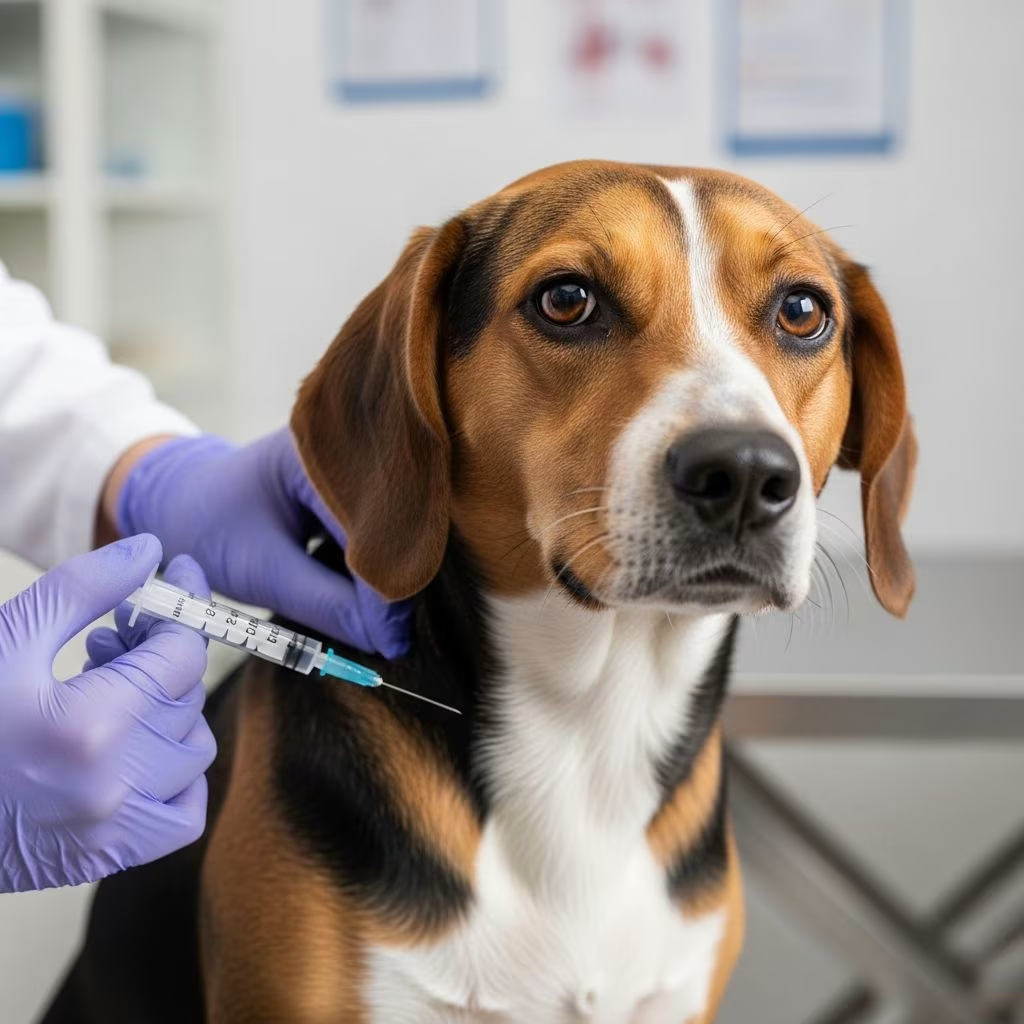
The rabies vaccine is a critical preventive measure for dogs, mandated in many regions to protect against a fatal viral disease. While highly effective, it can trigger a range of reactions from mild discomfort to rare severe events. Owners should recognize these to ensure prompt care.
Why Rabies Vaccination Matters for Canines
Rabies remains a deadly zoonotic disease transmissible to humans, making vaccination non-negotiable for public health. Administered typically every 1-3 years depending on local laws and vaccine type, it stimulates antibody production against the rabies virus. Despite its importance, understanding potential adverse responses helps pet owners make informed decisions.
Vaccines work by introducing a weakened or inactivated virus, prompting the immune system to build defenses. In dogs, this process is generally safe, but individual sensitivities can lead to varied outcomes, especially in small breeds or those with prior reactions.
Immediate Mild Side Effects: What to Expect
Most dogs experience transient, minor issues post-vaccination that resolve within 24-48 hours. These are the body’s normal immune response and rarely require intervention.
- Injection site soreness or swelling: Common due to local inflammation; may cause limping or tenderness.
- Lethargy and reduced appetite: Dogs may seem tired or less interested in food as energy diverts to immunity building.
- Low-grade fever: A slight temperature rise signals active immune engagement.
- Mild itching or hives: Temporary skin reactions from histamine release.
Monitor your dog closely for the first day. Offer rest, fresh water, and small meals. If symptoms persist beyond 48 hours, consult a vet.
Severe Allergic Reactions: Recognizing Anaphylaxis
Rare but critical, anaphylactic shock can occur minutes after injection. Symptoms demand immediate veterinary attention to prevent fatality.
| Symptom | Description | Action Required |
|---|---|---|
| Facial or hive swelling | Rapid puffiness around eyes, muzzle, or body | Emergency vet visit |
| Vomiting or diarrhea | Sudden gastrointestinal upset | Administer Benadryl if advised; rush to clinic |
| Difficulty breathing or collapse | Weakness, pale gums, rapid heartbeat | Call vet or animal ER immediately |
| Circulatory shock | Cold extremities, disorientation | Do not delay; anaphylaxis can kill in minutes |
Dogs with breed predispositions or multiple vaccines may be at higher risk. Post-reaction exemptions from future rabies shots are possible with veterinary certification.
Delayed Onset Reactions: Beyond the First Day
Some effects emerge 7-21 days later, mimicking serum sickness or immune dysregulation. These include joint pain, persistent fever, or neurological signs like ataxia.
- Injection site issues: Lumps, hair loss, or scabs; rarely, tumors within 72 hours.
- Behavioral shifts: Sudden aggression, anxiety, or fear, linked to neurological inflammation.
- Seizures or tremors: Can onset immediately or after antibody development.
Small dogs receive adult doses, amplifying risks. Avoid combining with other vaccines if history suggests vulnerability.
Potential Long-Term Health Concerns
Debate exists on chronic effects, with some evidence suggesting immune or neurological impacts. The vaccine’s viral components and adjuvants like aluminum may contribute.
- Autoimmune disorders: Thyroiditis, hemolytic anemia, or rheumatoid arthritis.
- Cancers: Injection-site sarcomas or systemic tumors, especially with repeated dosing.
- Allergies and skin conditions: Exacerbated IgE responses leading to atopy.
- Neurological degeneration: Demyelination, epilepsy, or muscle atrophy.
- Metabolic issues: Diabetes or endocrine imbalances.
While not all cases link directly to vaccines, patterns in sensitive dogs warrant titer testing over routine boosters.
Factors Influencing Reaction Risks
Not all dogs react equally. Key influencers include:
- Size and age: Puppies and toy breeds face higher per-weight exposure.
- Vaccine combinations: Multi-shots increase overload odds.
- Pre-existing conditions: Allergies or immune disorders heighten sensitivity.
- Vaccine type: 1-year vs. 3-year formulations; recombinant options may reduce risks.
Discuss history with your vet. Pre-treatment antihistamines can mitigate mild responses in at-risk pets.
Monitoring and Home Care Strategies
Post-vaccination vigilance is key. Track temperature (normal: 100-102.5°F), behavior, and site condition.
- Observe for 30 minutes at the clinic for acute anaphylaxis.
- Limit activity for 24 hours; provide quiet space.
- Use cool compresses on swollen areas.
- Avoid baths for 48 hours to prevent irritation.
- Report fever >103°F, persistent vomiting, or lameness.
For recurring mild effects, request single-vaccine appointments.
Veterinary Guidelines and Legal Requirements
Rabies vaccination schedules vary: initial at 12-16 weeks, boosters annually or triennially. Proof is required for licensing. Exemptions apply for medical reasons, with titers or quarantine alternatives.
Talk titers measure immunity without revaccination, ideal for low-risk dogs.
Alternatives and Prevention Tips
Minimize doses via titer checks. Homeopathy or nosodes lack proven efficacy; stick to science-backed methods.
- Choose vets offering pre-vaccination screens.
- Opt for thimerosal-free vaccines if concerned.
- Maintain overall health with nutrition to bolster immunity.
Frequently Asked Questions (FAQs)
Can my dog die from the rabies vaccine?
Extremely rare; anaphylaxis is the primary fatal risk, treatable if caught early.
How long do side effects last?
Mild ones: 1-2 days. Severe or delayed: seek vet if over 48 hours.
Should I vaccinate a puppy with allergies?
Consult vet; may start with half-doses or antihistamines.
What if my dog had a reaction before?
Document and request waiver; titers can substitute.
Is the 3-year vaccine safer?
Often fewer doses long-term, potentially lower cumulative risk.
Empowering Pet Owners for Informed Choices
Balancing rabies protection with reaction awareness ensures your dog’s well-being. Partner with vets for tailored plans, prioritizing core vaccines while minimizing extras. Healthy lifestyles amplify vaccine efficacy, reducing complication odds.
References
- Rabies Vaccination Can Harm Your Dog — Dogs Naturally Magazine. 2023-01-15. https://www.dogsnaturallymagazine.com/65-ways-rabies-vaccination-can-harm-your-dog/
- Rabies Vaccine for Dogs — PetMD. 2024-05-20. https://www.petmd.com/dog/general-health/rabies-vaccine-for-dogs
- Rabies Vaccine (Intramuscular Route) — Mayo Clinic. 2025-02-10. https://www.mayoclinic.org/drugs-supplements/rabies-vaccine-intramuscular-route/description/drg-20069868
- How Often Do Dogs Need Rabies Vaccine? — Ellison Drive Veterinary Clinic. 2024-06-15. https://ellisondrivevet.com/blogs/ultimate-guide-how-often-do-dogs-need-rabies-vaccine-keeping-your-canine-protected
- Rabies Vaccine Details — Children’s Hospital of Philadelphia. 2024-03-01. https://www.chop.edu/vaccine-education-center/vaccine-details/rabies-vaccine



