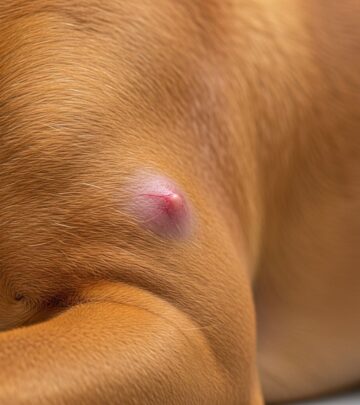
Rabies Vaccine for Puppies: Schedule, Requirements & Protection
Complete guide to puppy rabies vaccination: timing, requirements, and why this critical vaccine protects your pup and family.
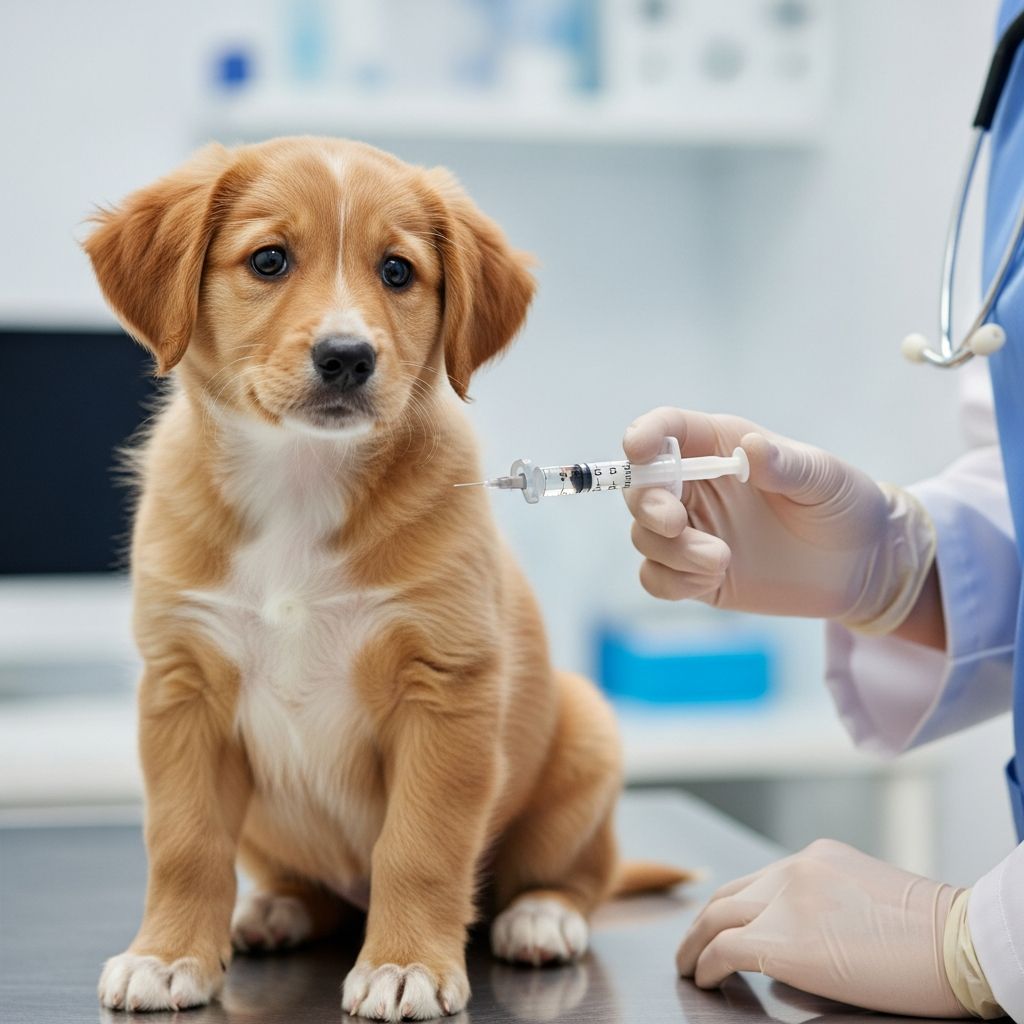
Understanding Rabies Vaccination for Your Puppy
When you bring a new puppy home, one of the most critical health decisions you’ll make involves protecting them against rabies. This devastating viral disease poses a serious threat not only to your beloved pet but also to you and your entire family. Understanding the importance of rabies vaccination, the timing requirements, and the legal obligations surrounding this vaccine is essential for every puppy owner. This comprehensive guide walks you through everything you need to know about rabies vaccination for your growing pup.
What is Rabies and Why Does It Matter?
Rabies is a viral disease that affects mammals, making it a zoonotic disease capable of transmitting between animals and humans. The severity of this disease cannot be overstated: in both dogs and humans alike, rabies is nearly 100% fatal once symptoms appear. This frightening statistic underscores why prevention through vaccination is absolutely critical.
Your puppy can contract rabies through contact with infected wild animals such as bats, raccoons, skunks, and foxes, or from unvaccinated domestic animals. Even a brief encounter with a wild mammal or an unvaccinated pet could expose your puppy to this deadly virus. The good news is that rabies vaccines serve as our first and most effective line of defense against this dangerous disease. In regions where widespread pet vaccination programs exist, cases affecting both humans and pets are relatively rare, yet wild animals continue to pose a potential source of infection.
When Should Your Puppy Receive the Rabies Vaccine?
Initial Vaccination Timeline
Puppies cannot receive a rabies vaccine until they are at least 12 weeks old. This age requirement exists because younger puppies’ immune systems are not sufficiently developed to mount an adequate response to the vaccine. Your veterinarian will typically administer the first rabies vaccine during your puppy’s final appointment of the initial vaccine series, which usually occurs when your puppy reaches 16 weeks of age.
It’s important to note that local ordinances vary significantly by location and must always be followed. In some states, all puppies must be vaccinated by the time they reach 4 months of age, while other states require vaccination by 6 months. Your veterinarian can inform you of the specific requirements in your area and ensure your puppy stays compliant with local regulations.
The Complete Vaccination Schedule
After your puppy receives their initial rabies vaccine at 12-16 weeks of age, the vaccination schedule continues as follows:
- First rabies vaccine: at 12-16 weeks of age
- Second rabies vaccine: 1 year after the first dose
- Subsequent boosters: annually or every 3 years, depending on the vaccine type and local regulations
Types of Rabies Vaccines Available
Two main types of rabies vaccines are available for puppies, each with different booster schedules:
The 1-Year Rabies Vaccine
This vaccine requires annual administration. You’ll need to bring your puppy in for a rabies booster injection every year to maintain continuous protection. This frequent schedule ensures that your puppy maintains current rabies immunity status.
The 3-Year Rabies Vaccine
This vaccine offers extended protection and requires a different initial protocol. For the 3-year vaccine, you must give one dose initially, another dose one year later, and then can move to every 3-year administration after that second dose. This option can be more convenient for pet owners seeking to reduce the frequency of veterinary visits for booster shots.
The type of vaccine your puppy can receive may depend on legal requirements in your specific area, so discuss options with your veterinarian. Some states or municipalities may have specific regulations regarding which vaccine type is acceptable or preferred.
Legal Requirements for Rabies Vaccination
Rabies vaccination is legally required in most states across the United States. This legal requirement exists because rabies is such a serious public health concern. The widespread implementation of mandatory rabies vaccination programs has been instrumental in controlling rabies transmission and protecting both animal and human populations.
These legal requirements aren’t arbitrary—they’re grounded in public health policy and decades of epidemiological data showing the effectiveness of vaccination in preventing rabies transmission. Compliance with local rabies vaccination laws is not optional; it’s a legal obligation of pet ownership.
Why You Shouldn’t Skip This Vaccine
It’s tempting to think of some vaccines as optional, but the rabies vaccine is absolutely not one to skip. Here’s why:
Real Risks Your Puppy Faces
A bat entering your home or any confrontation with a wild mammal or unvaccinated domestic animal could present a serious risk to your unvaccinated puppy. These encounters don’t require dramatic or obvious injury—rabies can be transmitted through minimal contact, including scratches or saliva exposure that you might not immediately notice.
Quarantine and Legal Consequences
If your unvaccinated puppy bites someone, the situation becomes even more serious. Your dog will have to serve a long bite quarantine period during which they are closely monitored for signs of rabies. This quarantine can last several months and involves significant stress for your pet and substantial costs for your family. In worst-case scenarios, an unvaccinated dog that has bitten a human may face euthanasia to prevent potential rabies transmission.
Protection for Your Family
Beyond protecting your puppy, rabies vaccination protects your family and community. If your vaccinated puppy has a minor incident with a wild animal, the existing vaccination provides protection and simplifies any necessary follow-up protocols. An unvaccinated dog creates far more complicated and potentially dangerous situations.
How the Rabies Vaccine Works
The rabies vaccine is designed specifically for use in canines and contains an inactive version of the rabies virus that won’t infect your dog with the disease. When administered by your veterinarian as an injection, the vaccine triggers your puppy’s immune system to develop antibodies against the rabies virus. These antibodies remain in your dog’s body over time and will stop the virus before it can cause infection and disease.
Modern rabies vaccines for dogs are extremely safe and effective. The vaccine essentially teaches your dog’s immune system to recognize and fight off this deadly virus should exposure ever occur. This proactive immune response is far superior to attempting to treat rabies after exposure, as treatment options become extremely limited once clinical symptoms appear.
Protecting Your Puppy: The Complete Picture
Combining Rabies with Other Essential Vaccines
The rabies vaccine works as part of your puppy’s comprehensive vaccination program. Your puppy should also receive the DAPP vaccine, which protects against distemper, adenovirus, parainfluenza, and parvovirus. A final DAPP vaccine is typically given when your puppy is at least 16 weeks old, and in some cases, your veterinarian may recommend another at 20 weeks. These vaccines work together to provide broad protection against the most common and dangerous infectious diseases affecting puppies.
Ongoing Health Management
Beyond vaccination, maintaining your puppy’s overall health through regular veterinary check-ups, proper nutrition, parasite prevention, and appropriate socialization contributes to their long-term wellbeing. Your veterinarian can provide guidance on all aspects of puppy health care and help you develop a comprehensive wellness plan.
CareClub Membership: Simplified Preventive Care
Many veterinary practices offer membership programs designed to make preventive pet health care more accessible and affordable. A CareClub membership for your puppy typically includes annual exams, rechecks, sick appointments, and the vaccines your pet needs to support their best health. These memberships bundle together the essential preventive services puppies require, including rabies vaccination, rabies booster shots, and other core vaccines based on your location.
It’s important to note that CareClub memberships are preventive pet health care plans and not pet insurance. They cover only the selected health care services and products specifically identified in the membership agreement. Membership typically includes vaccines such as rabies, distemper, parvovirus, canine upper respiratory disease, canine influenza, leptospirosis, and Lyme disease depending on your location, along with preventive lab work that checks for issues like diabetes, liver and kidney disease, parasites, and general infections.
Frequently Asked Questions About Puppy Rabies Vaccination
Q: At what age can my puppy receive the rabies vaccine?
A: Puppies cannot receive a rabies vaccine until they are at least 12 weeks old. This is because their immune systems need to be sufficiently developed to respond effectively to the vaccine.
Q: Is the rabies vaccine required by law?
A: Yes, rabies vaccination is legally required in most states. However, specific requirements vary by location, so check with your local veterinarian or animal control office to understand your area’s regulations.
Q: What’s the difference between 1-year and 3-year rabies vaccines?
A: The 1-year vaccine requires annual booster shots, while the 3-year vaccine requires a second dose one year after the initial dose, and then booster shots every 3 years after that. The choice may depend on legal requirements in your area and your preferences.
Q: What happens if my unvaccinated puppy is bitten by a wild animal?
A: An unvaccinated puppy exposed to rabies would require emergency veterinary care, vaccination, and potentially a long quarantine period. If your unvaccinated puppy bites a person, even if not exposed to rabies, extended quarantine and monitoring would be necessary to rule out rabies infection.
Q: How effective is the rabies vaccine?
A: Modern rabies vaccines for dogs are extremely safe and effective. The vaccine stimulates your puppy’s immune system to develop antibodies that will protect against rabies virus infection if exposure occurs.
Q: Can I give my puppy the rabies vaccine at home?
A: No, the rabies vaccine must be administered by a licensed veterinarian. This ensures proper administration, documentation for legal compliance, and professional assessment of your puppy’s health status before vaccination.
Q: When is the rabies booster due after the initial vaccine?
A: The rabies booster is due 1 year after the first rabies shot. Following this booster, your dog may receive rabies vaccines annually or every 3 years, depending on which vaccine type you choose and local regulations.
Taking Action: Your Puppy’s Rabies Vaccination Checklist
To ensure your puppy receives appropriate rabies protection, follow these steps:
- Schedule a veterinary appointment when your puppy reaches 12 weeks of age if you haven’t already done so
- Confirm your area’s specific rabies vaccination requirements with your veterinarian
- Discuss whether a 1-year or 3-year vaccine is appropriate for your situation
- Mark your calendar for the booster appointment 1 year after the initial vaccine
- Keep vaccination records in a safe place for legal and medical reference
- Consider a CareClub membership or similar program to simplify ongoing preventive care
Conclusion: Protecting Your Puppy and Community
Rabies vaccination represents one of the most important health decisions you’ll make as a puppy owner. This single vaccine protects your beloved pet from a nearly universally fatal disease, shields your family from potential exposure, and helps maintain community health by preventing rabies transmission. With proper timing, appropriate vaccine selection, and consistent booster administration, you can ensure your puppy enjoys a long, healthy life protected against this serious threat. Work closely with your veterinarian to develop a vaccination plan tailored to your puppy’s needs and your area’s requirements.
References
- Rabies Vaccine for Puppies — VCA Animal Hospitals. 2024. https://vcahospitals.com/pediatric/puppy/health-wellness/rabies-vaccine
- Rabies in Dogs — VCA Animal Hospitals. 2024. https://vcahospitals.com/know-your-pet/rabies-in-dogs
- Puppy Vaccine Schedule — VCA Animal Hospitals. 2024. https://vcahospitals.com/pediatric/puppy/health-wellness/puppy-vaccine-schedule
- Vaccines for Dogs — VCA Animal Hospitals. 2024. https://vcahospitals.com/know-your-pet/vaccines-for-dogs
- Rabies Vaccine for Dogs: How Often Do Dogs Need Shots — Care Credit. 2024. https://www.carecredit.com/well-u/pet-care/how-often-dogs-rabies-vaccine/
- Protecting Dogs Against Seasonal Infection — DVM360. 2024. https://www.dvm360.com/view/protecting-dogs-against-seasonal-infection
Similar Articles







Read full bio of medha deb