
Rabies Vaccine for Puppies: Protection Against a Deadly Disease
Essential guide to puppy rabies vaccination: timing, requirements, and why this vaccine matters.
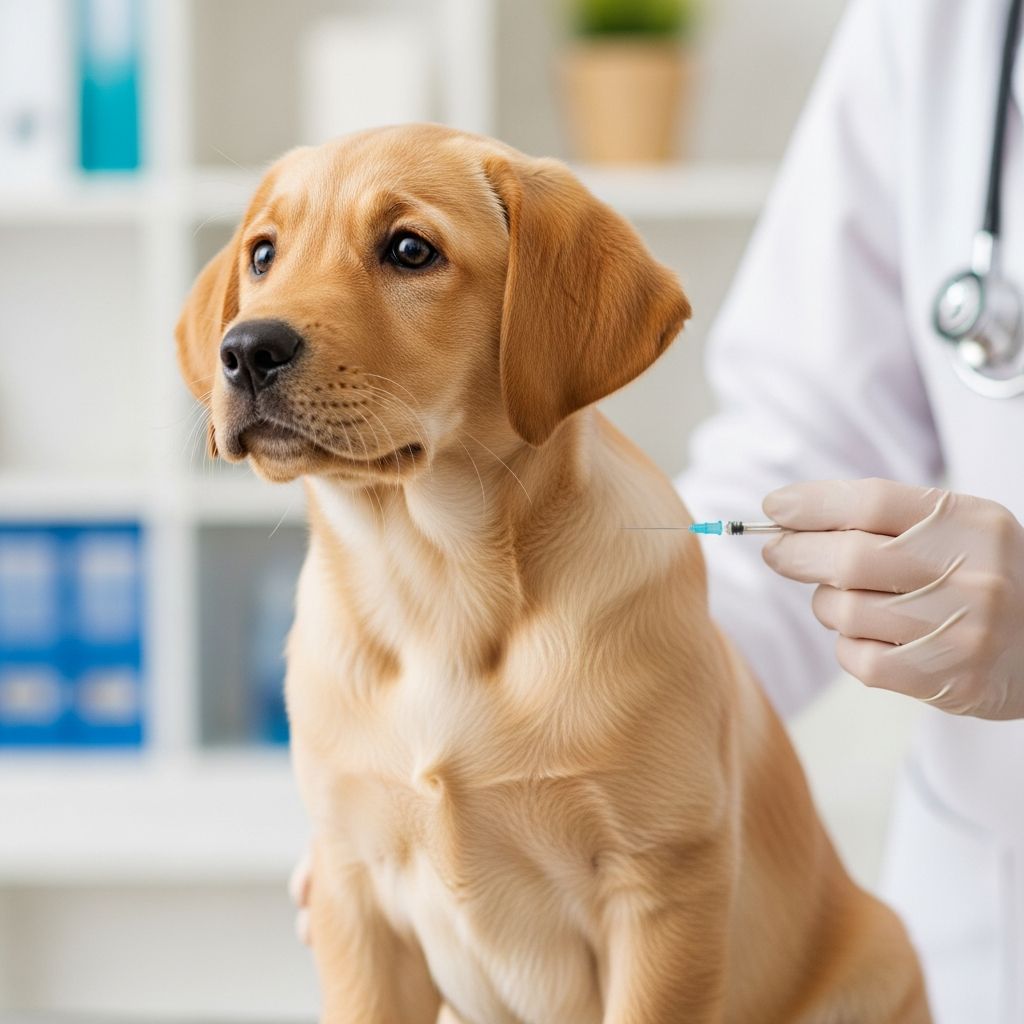
Rabies Vaccine for Puppies: Essential Protection for Your Pet
When your puppy reaches their final vaccination appointment around 16 weeks of age, an important core vaccine enters the picture: the rabies vaccine. This vaccine represents one of the most critical protections you can provide for your puppy, as rabies remains one of the most dangerous viral diseases affecting mammals worldwide. Understanding the significance of rabies vaccination, the timing requirements, and your legal obligations as a pet owner is essential for keeping your puppy safe and healthy.
Why Rabies Vaccination Matters
Rabies is not a disease to take lightly. Two extremely important facts about rabies should inform every pet owner’s vaccination decisions. First, as a viral disease of mammals, rabies can affect both your puppy and you. Second, and most critically, in both dogs and humans alike, rabies is nearly 100% fatal once symptoms appear. This sobering reality underscores why rabies vaccines serve as our first line of defense against this dangerous disease.
While cases affecting humans and pets are rare in areas of the world with widespread pet vaccination, wild animals remain a potential source of infection for both you and your pets. Bats, raccoons, skunks, and other wildlife can carry the rabies virus and potentially transmit it to unvaccinated animals. Even a seemingly minor incident—such as a bat entering your home or any confrontation with a wild mammal or unvaccinated domestic animal—could present a significant risk to your unvaccinated puppy.
When Can Puppies Receive the Rabies Vaccine?
Puppies cannot receive a rabies vaccine until they are at least 12 weeks old. This timing is important because it allows your puppy’s immune system to develop adequately and respond to the vaccine effectively. The rabies vaccine is often given between 12 to 16 weeks of age, making it part of your puppy’s final vaccination appointment in the initial vaccine series.
It’s important to note that the rabies vaccine is an exception to the typical vaccination protocol for puppies. Unlike other vaccines that require multiple doses due to maternal antibody interference, one injection given at the right time is enough to produce long-term immunity with the rabies vaccine, as there is a lack of maternal antibody interference with this particular vaccine.
Local Ordinances and Legal Requirements
Rabies vaccination is legally required in most states, making it not just a health recommendation but a legal obligation for pet owners. Local ordinances vary and must always be followed, as requirements differ significantly across jurisdictions. For example, in some states, all puppies must be vaccinated by the time they reach 4 months of age, while other states require vaccination by 6 months of age. Your veterinarian can inform you of the specific requirements in your area and help ensure your puppy complies with all local regulations.
This legal requirement exists because rabies poses a genuine public health threat. If your puppy is unvaccinated and bites someone, they will have to serve a long bite quarantine in which they are monitored for rabies. This quarantine can be stressful for both you and your pet, and it underscores the importance of vaccinating on schedule.
Types of Rabies Vaccines Available
There are two types of rabies vaccines available for puppies and dogs: 1-year and 3-year vaccines. Understanding the differences between these options helps you and your veterinarian make the best choice for your puppy.
The 1-year rabies vaccine is given annually. This means your puppy will need a rabies vaccination every year to maintain protection. This schedule requires more frequent veterinary visits for rabies boosters specifically.
The 3-year rabies vaccine offers a different schedule that may provide more convenience for some pet owners. With the 3-year rabies vaccine, you must get one dose, another dose a year later, and then can move to every 3 years after that second dose. This means that after the initial two doses are completed, your puppy will only need rabies vaccination every three years, reducing the frequency of vaccination-related visits.
Which type of vaccine your pup can receive may depend on legal requirements in your area. Some jurisdictions have specific regulations about which vaccine type must be used or how frequently vaccination must occur. Your veterinarian will guide you on which vaccine is appropriate for your location and your puppy’s specific needs.
The Complete Rabies Vaccination Schedule
Understanding the complete rabies vaccination schedule helps you plan ahead and ensure your puppy receives the protection they need at the right times. Your puppy should receive their first rabies vaccine once they are at least 12 weeks old, typically during their final DAPP vaccine appointment around 16 weeks of age.
Rabies is due again 1 year after the first rabies shot. This booster is crucial for establishing long-term immunity. Following this, your dog may get a rabies vaccine annually or every 3 years, depending on local regulations and the vaccine type you’ve chosen. If you opt for the 1-year vaccine, you’ll need annual boosters. If you choose the 3-year vaccine, after the second dose is given one year after the first, you can extend the interval to every three years.
Why You Shouldn’t Skip This Vaccine
This isn’t a vaccine to skip out on, regardless of your puppy’s lifestyle or your living situation. Even if your puppy spends most of their time indoors, the risk of rabies exposure remains real. A bat entering your home or any confrontation with a wild mammal or unvaccinated domestic animal could present a risk to your puppy. Urban areas are not immune to rabies exposure—wildlife frequently encounters domestic animals in cities and suburbs.
Additionally, the legal consequences of having an unvaccinated puppy that bites someone are severe. As mentioned, unvaccinated dogs must serve a long bite quarantine, which is emotionally and logistically challenging. In some cases, unvaccinated dogs involved in biting incidents may face more serious legal consequences.
Rabies Vaccine as Part of Your Puppy’s Core Vaccination Series
The rabies vaccine is considered a core vaccine, meaning it is recommended for all puppies and dogs by veterinary organizations including the American Animal Hospital Association (AAHA). Core vaccines protect against diseases that pose a significant risk to all dogs and may have public health implications.
Your puppy’s initial vaccine series typically includes several core vaccines administered over several months. These include the DAPP vaccine (protecting against distemper, adenovirus, parainfluenza, and parvovirus), leptospirosis vaccine, and the rabies vaccine. The final DAPP vaccine is recommended once your puppy is at least 16 weeks old, though in some cases your veterinarian may recommend another at 20 weeks. The rabies vaccine is administered during this final appointment period, completing your puppy’s initial core vaccination series.
Frequently Asked Questions About Rabies Vaccination
Q: At what age can my puppy receive the rabies vaccine?
A: Puppies cannot receive a rabies vaccine until they are at least 12 weeks old. The vaccine is often given between 12 to 16 weeks of age as part of their final core vaccination appointment.
Q: Is the rabies vaccine legally required?
A: Yes, rabies vaccination is legally required in most states. However, local ordinances vary, so requirements differ. Some states require vaccination by 4 months of age, while others require it by 6 months. Check with your veterinarian about your specific local requirements.
Q: What’s the difference between 1-year and 3-year rabies vaccines?
A: The 1-year vaccine requires annual booster shots. The 3-year vaccine requires a second dose one year after the first, then boosters every three years after that. Which vaccine is appropriate depends on your location’s legal requirements and your veterinarian’s recommendation.
Q: What happens if my puppy is unvaccinated and bites someone?
A: If your unvaccinated puppy bites someone, they will have to serve a long bite quarantine during which they are monitored for rabies. This can be stressful and is why vaccination is so important.
Q: How is the rabies vaccine administered?
A: The rabies vaccine is given as an injection by your veterinarian. It contains an inactive version of the rabies virus that won’t infect your dog with the disease but teaches their immune system to fight off the virus by developing antibodies.
Q: Can indoor puppies skip the rabies vaccine?
A: No. Even indoor puppies should receive the rabies vaccine because bats can enter homes, and other wildlife exposure is possible. Additionally, rabies vaccination is legally required in most states regardless of whether your puppy spends time outdoors.
Q: How long does immunity from the rabies vaccine last?
A: With the 1-year vaccine, immunity lasts approximately one year. With the 3-year vaccine, immunity lasts approximately three years after the second dose. Your veterinarian will help you maintain an appropriate booster schedule based on the vaccine type and local requirements.
Supporting Your Puppy’s Health with CareClub Membership
Managing your puppy’s vaccination schedule and ongoing healthcare can be simplified through veterinary wellness plans. CareClub membership for your puppy includes annual exams, rechecks, and sick appointments along with the vaccines and yearly preventive services your pet needs to support their best health.
CareClub Memberships are preventive pet health care plans designed to help you stay on top of your puppy’s essential care. These memberships cover selected health care services and products specifically identified in the applicable agreement. Vaccines included in CareClub coverage may include rabies, distemper, parvovirus, canine upper respiratory disease, canine influenza, leptospirosis, and Lyme disease, depending on your location.
It’s important to note that CareClub Memberships are preventive pet health care plans and not pet insurance. They cover only the selected health care services and products specifically identified in your membership agreement.
Moving Forward with Confidence
Ensuring your puppy receives the rabies vaccine on schedule is one of the most important health decisions you’ll make as a pet owner. This vaccine protects your puppy from a nearly 100% fatal disease, protects your family and community from potential rabies exposure, and keeps you in compliance with local laws and regulations.
Work closely with your veterinarian to establish and maintain an appropriate vaccination schedule for your puppy. They can answer questions specific to your situation, advise you on whether the 1-year or 3-year vaccine is best for your circumstances, and help you understand all local requirements that apply to your pet. By prioritizing rabies vaccination, you’re taking a crucial step toward a long, healthy life together with your beloved puppy.
References
- Rabies Vaccine for Puppies — VCA Animal Hospitals. 2025. https://vcahospitals.com/pediatric/puppy/health-wellness/rabies-vaccine
- Vaccines for Dogs — VCA Animal Hospitals. 2025. https://vcahospitals.com/know-your-pet/vaccines-for-dogs
- Puppy Vaccine Schedule — VCA Animal Hospitals. 2025. https://vcahospitals.com/pediatric/puppy/health-wellness/puppy-vaccine-schedule
- Rabies Vaccine for Dogs: How Often Do Dogs Need Shots? — CareCredit. 2025. https://www.carecredit.com/well-u/pet-care/how-often-dogs-rabies-vaccine/
- Protecting Dogs Against Seasonal Infection — DVM360. 2024. https://www.dvm360.com/view/protecting-dogs-against-seasonal-infection
Similar Articles








Read full bio of Sneha Tete




