

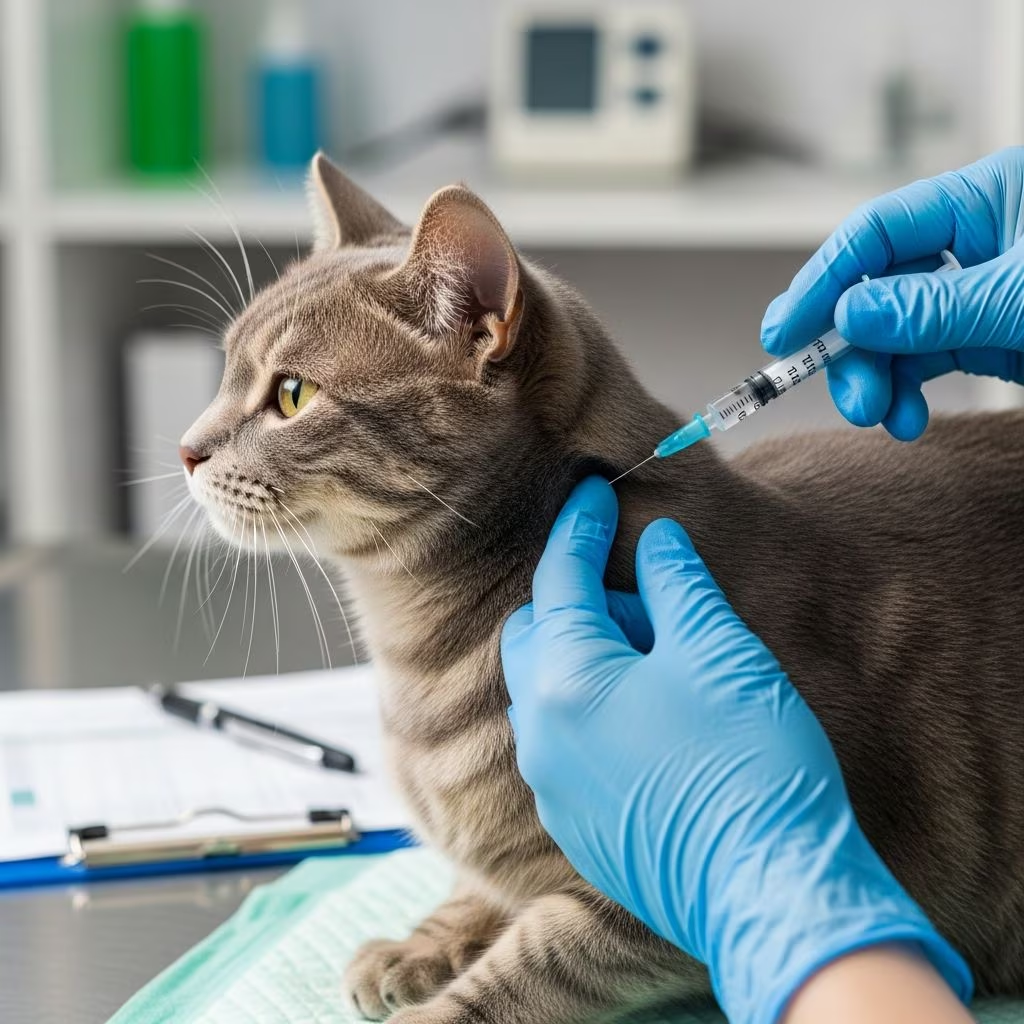
One of the most important health decisions cat owners face involves protecting their feline companions against rabies, a deadly viral disease. However, the landscape of rabies vaccination has become increasingly nuanced, with veterinarians recommending different intervals based on various factors. Understanding the distinction between annual and three-year rabies vaccination protocols requires insight into how these vaccines work, what regulatory frameworks govern them, and how individual circumstances influence the best choice for your cat.
The Foundation of Rabies Protection in Cats
Rabies remains one of the most serious infectious diseases affecting cats, with nearly 100% fatality once clinical symptoms appear. This sobering reality underscores why vaccination represents the most effective preventive measure available. The rabies vaccine works by stimulating the immune system to produce antibodies against the rabies virus, creating a protective barrier that prevents infection if exposure occurs.
When kittens receive their initial rabies vaccination, typically between 12 and 16 weeks of age, their developing immune system generates a primary response to the vaccine antigen. This initial vaccination establishes the foundation for long-term immunity. The timing of the first rabies vaccine differs from other cat vaccines because the kitten’s immune system must be sufficiently mature to mount an adequate response to the vaccine. This is why rabies vaccination is administered separately from other routine vaccines like the FVRCP combination vaccine, which may be given as early as 8 weeks of age.
Understanding Annual Rabies Vaccination Protocols
The annual rabies vaccination schedule represents a more conservative approach to maintaining immunity against this fatal disease. Under this protocol, cats receive a rabies booster injection every 12 months following their initial vaccination and the required one-year booster dose after the first vaccination.
Key characteristics of annual rabies vaccination include:
- More frequent veterinary visits dedicated to rabies protection
- Consistently high antibody levels maintained throughout the year
- Potential for enhanced immune response through more frequent stimulation
- Greater assurance of protection for cats with known or suspected exposure risks
- Alignment with certain state and local legal requirements
Some cats may require annual rabies vaccination based on their lifestyle, health status, or geographic location. Cats that spend time outdoors, potentially encounter wildlife, or live in areas with higher wildlife rabies activity may benefit from the more frequent protection offered by annual vaccination. Additionally, cats with compromised immune systems or certain medical conditions might warrant the extra protection of annual boosters.
The Three-Year Rabies Vaccination Alternative
Modern veterinary research and immunological advances have demonstrated that many cats develop robust, long-lasting immunity following proper rabies vaccination. This evidence has led to widespread acceptance of three-year rabies vaccination intervals as a viable alternative to annual protocols.
The three-year rabies vaccine contains the same antigen as the annual vaccine but is formulated to stimulate a more durable immune response. Studies have shown that cats vaccinated with the three-year formulation maintain protective antibody levels for extended periods, reducing the frequency of booster injections while maintaining adequate immunity.
Advantages of the three-year rabies vaccination schedule include:
- Fewer veterinary visits focused solely on rabies protection
- Reduced vaccine administration stress for some cats
- Lower overall vaccination costs over the cat’s lifetime
- Decreased cumulative vaccine exposure
- Compliance benefits for owners with busy schedules
Three-year vaccines have become increasingly popular among veterinarians as a way to reduce unnecessary vaccination while maintaining protective immunity. The American Animal Hospital Association (AAHA) and the American Association of Feline Practitioners have recognized three-year vaccination protocols as appropriate for many cats, reflecting the scientific consensus that three-year intervals provide adequate protection for animals not in high-risk situations.
Legal Requirements and Regulatory Considerations
One of the most significant factors influencing rabies vaccination frequency is legal mandate. Rabies vaccination requirements are established at the state and local level, creating variation across different jurisdictions. Some states mandate annual rabies vaccination for all cats, while others have adopted regulations permitting three-year intervals with appropriate vaccines.
Before selecting a vaccination interval, cat owners should verify the specific requirements in their state and local area. Local ordinances may be more stringent than state law, and municipalities often have the authority to impose stricter rabies vaccination requirements. Your veterinarian can provide guidance on the legal requirements applicable to your location and ensure that your cat’s vaccination status complies with all relevant regulations.
Additionally, if your cat were to be involved in a potential rabies exposure incident, such as a bite or scratch from wildlife, the documentation of your cat’s current rabies vaccination status becomes critically important. Cats without current vaccination documentation may face extended quarantine periods or other legal consequences, regardless of their actual immunity status.
Factors Influencing Vaccination Interval Selection
The appropriate rabies vaccination interval for an individual cat depends on multiple factors that extend beyond simple scheduling convenience. Your veterinarian will consider your cat’s unique circumstances when recommending the most suitable vaccination protocol.
| Factor | Favors Annual Vaccination | Compatible with Three-Year Vaccination |
|---|---|---|
| Outdoor Access | Regular or frequent outdoor time | Indoor-only cats or restricted outdoor access |
| Wildlife Exposure Risk | High-risk areas with frequent wildlife presence | Low-risk environments with minimal wildlife contact |
| Immune Status | Compromised immunity or chronic illness | Healthy immune system with no significant health concerns |
| Previous Adverse Reactions | History of severe vaccine reactions | No history of adverse vaccine responses |
| Age and Life Stage | Senior cats or those with age-related health issues | Adult cats in good health |
| Local Requirements | Mandated by state or local law | Permitted by applicable regulations |
Indoor versus outdoor lifestyle represents perhaps the most significant variable. Cats with no outdoor access and minimal contact with unvaccinated animals face substantially lower rabies exposure risk than outdoor cats or those with access to screened porches or windows near wildlife. This difference in risk profile can reasonably support different vaccination intervals.
Health status and immune function also influence recommendations. Cats with chronic diseases, those receiving immunosuppressive medications, or senior cats with age-related health concerns may benefit from more frequent vaccination to ensure adequate antibody production. Conversely, young, healthy indoor cats with no health complications often maintain protective immunity effectively on three-year schedules.
Initial Vaccination Series and Booster Timing
Regardless of whether your cat will follow an annual or three-year vaccination protocol, the initial vaccination series follows a consistent pattern. Kittens receive their first rabies vaccine between 12 and 16 weeks of age. This initial vaccination requires a booster dose one year later to solidify long-term immunity.
The decision between annual and triennial intervals begins after this first booster vaccination at one year of age. If your veterinarian recommends three-year vaccination, the next rabies vaccine should be administered three years after the one-year booster. For cats on annual schedules, the rabies vaccine is administered every 12 months following the initial one-year booster.
Maintaining accurate vaccination records is essential for tracking these intervals correctly. Your veterinarian’s office maintains records indicating which vaccine formulation was administered and when the next vaccination is due. If you change veterinarians, requesting copies of vaccination records ensures continuity of care and appropriate scheduling of future boosters.
Frequently Asked Questions About Rabies Vaccination Intervals
Can I switch between annual and three-year vaccination schedules?
Yes, switching between vaccination intervals is possible with veterinary guidance. If your cat has been on an annual schedule and you wish to transition to three-year intervals, your veterinarian will ensure an appropriate booster is administered, establishing a new three-year cycle. This flexibility allows you to adjust vaccination protocols as your cat’s circumstances change.
What happens if my cat misses a scheduled rabies vaccination?
Cats should receive booster vaccinations within a specific timeframe to maintain continuous protection. If a booster is delayed beyond the recommended schedule, your veterinarian may recommend an additional vaccination to ensure immunity remains adequate. In some jurisdictions, vaccination lapse may require restarting the vaccination series or may have legal implications regarding rabies documentation.
Is the three-year rabies vaccine less effective than the annual vaccine?
No. The three-year vaccine formulation is designed specifically to provide durable, long-lasting immunity. Studies have demonstrated that cats vaccinated with three-year rabies vaccines maintain protective antibody levels throughout the three-year interval. The difference lies in formulation, not efficacy.
Should indoor cats receive rabies vaccination?
Yes. Even indoor cats should be vaccinated against rabies. While the risk of exposure is lower for strictly indoor cats, the possibility of accidental escape or exposure to a rabid animal brought into the home exists. Additionally, rabies vaccination is legally mandated in most jurisdictions regardless of indoor or outdoor status.
Can rabies vaccines cause adverse effects in cats?
Adverse reactions to rabies vaccines are relatively uncommon. Most cats tolerate rabies vaccines well with minimal side effects. Occasionally, mild temporary swelling at the injection site or mild lethargy may occur. Serious allergic reactions are rare but possible. Your veterinarian can discuss your cat’s individual risk factors and medical history to determine the safest vaccination approach.
Making the Right Choice for Your Cat
Determining whether annual or three-year rabies vaccination is appropriate for your cat requires a collaborative discussion with your veterinarian. Rather than viewing this as a one-size-fits-all decision, consider it a personalized medical recommendation based on your cat’s specific circumstances.
Your veterinarian considers your cat’s age, health status, lifestyle, exposure risks, and local legal requirements when making a recommendation. If you have questions or concerns about the recommended vaccination interval, discuss them openly with your veterinarian, who can explain the reasoning behind their recommendation and address your specific concerns.
The goal of any vaccination protocol is to provide adequate protection while minimizing unnecessary medical interventions. Both annual and three-year rabies vaccination protocols achieve this goal when appropriately applied to cats with matching risk profiles and circumstances. By working with your veterinarian to select the most suitable interval for your individual cat, you ensure optimal protection against this serious disease while supporting your cat’s overall health and wellbeing.
References
- 2020 AAHA/AAFP Feline Vaccination Guidelines — American Animal Hospital Association and American Association of Feline Practitioners. 2020. https://www.aaha.org/resources/2020-aahaaafp-feline-vaccination-guidelines/
- Vaccines for Cats — VCA Animal Hospitals. Accessed January 2026. https://vcahospitals.com/know-your-pet/vaccines-for-cats
- Pet Vaccines: Schedules for Cats and Dogs — WebMD. Accessed January 2026. https://www.webmd.com/pets/pet-vaccines-schedules-cats-dogs
- Guideline for Good Vaccination Practices — ABCD Cats & Vets. Accessed January 2026. https://www.abcdcatsvets.org/guideline-for-good-vaccination-practices/
- Vaccine Schedules for Cats & Kittens — Small Door Veterinary. Accessed January 2026. https://www.smalldoorvet.com/learning-center/wellness/cat-kitten-vaccine-schedules
- Cat Vaccines Guide: Types, Schedules & Costs — Whisker. Accessed January 2026. https://www.whisker.com/blog/cat-vaccines-guide



