

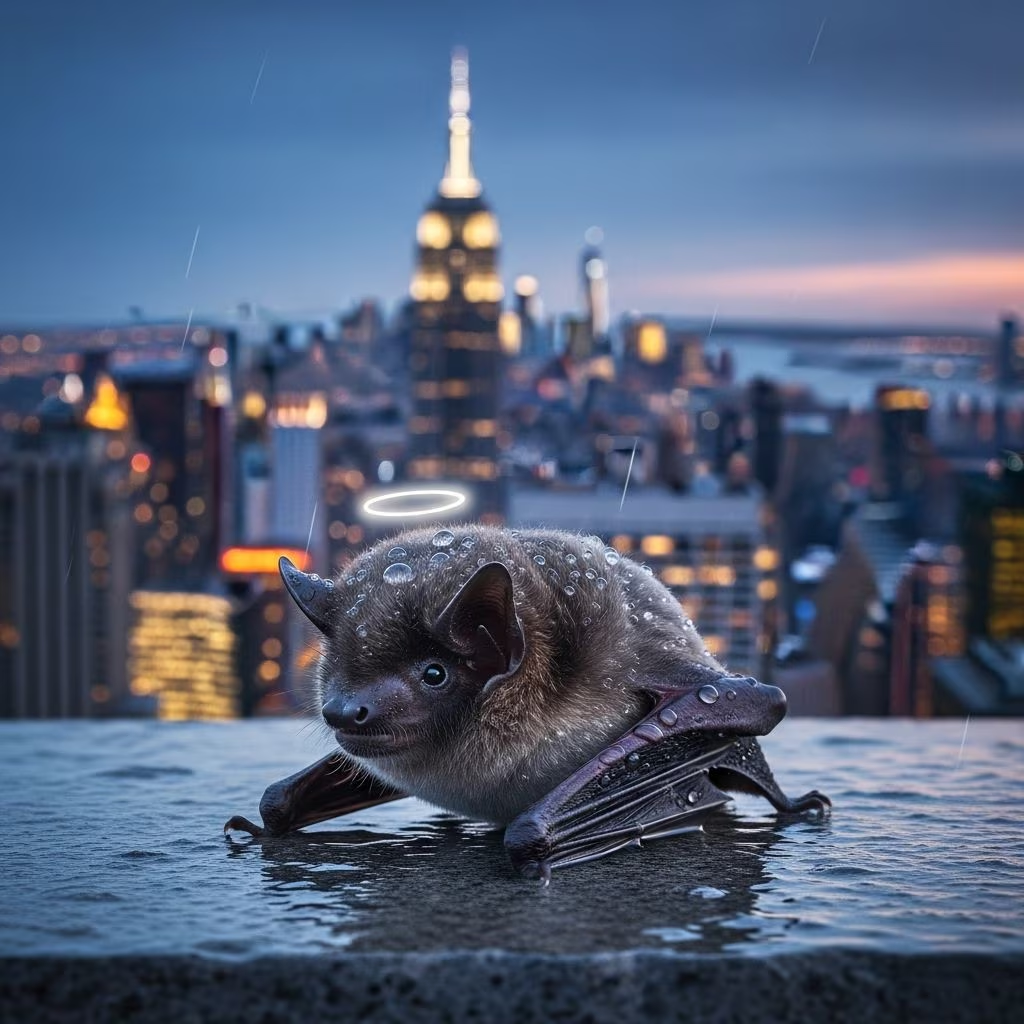
Rabies remains a deadly viral disease that poses ongoing threats in urban environments like New York City, particularly through wildlife such as raccoons. Recent public health initiatives focus on vaccinating wild animals and ensuring domestic pets are protected to curb transmission risks.
The Growing Concern of Rabies in Urban Wildlife
In densely populated areas like NYC, encounters between humans, pets, and wildlife carrying rabies are increasingly common. The virus primarily affects the central nervous system, leading to fatal outcomes if not addressed promptly after exposure. Raccoons have emerged as primary carriers in the region, with confirmed cases reported across boroughs including Queens, Brooklyn, and Staten Island.
Public health authorities monitor these incidents closely, using data to guide intervention strategies. For instance, in 2025, multiple raccoons tested positive, highlighting the need for proactive measures in affected zones.
Oral Rabies Vaccine Programs: A Key Defense Strategy
To combat the spread, the NYC Health Department collaborates with federal and local agencies to deploy oral rabies vaccine (ORV) baits. These are distributed in high-risk areas such as parts of Queens, Brooklyn, and northern Manhattan, typically from fall through early winter, weather permitting.
The baits target raccoons by containing a vaccine that induces immunity upon ingestion. This method has proven effective in North America for containing rabies variants in wildlife populations. Residents may spot small, fish-flavored packets on the ground—greenish-brown or brown in color—but should avoid handling them. If contact occurs, wash the area thoroughly and consult a healthcare provider.
These programs extend beyond NYC, with neighboring counties like Nassau and Suffolk also participating to create a buffer zone against further spread.
Pet Vaccination Requirements and Clinics Across New York
New York State law mandates rabies vaccinations for dogs, cats, and ferrets. Puppies and kittens require their first dose at three months, a booster at one year, and then every three years thereafter. Ferrets need annual shots.
Local health departments host affordable or free clinics to facilitate compliance. For example:
- Spring sessions often start in March and run through June.
- Fall clinics provide boosters.
- Proof of prior vaccination is recommended to determine booster needs.
These events not only protect pets but also safeguard families, as vaccinated animals act as a barrier against human exposure.
Recognizing Rabies Symptoms in Animals and Humans
Early identification is critical. In animals, watch for:
- Excessive drooling or foaming at the mouth.
- Uncharacteristic aggression or fearfulness.
- Paralysis, particularly in the hind legs.
- Difficulty swallowing or unusual vocalizations.
Humans exposed via bites, scratches, or saliva contact on open wounds may initially show flu-like symptoms, progressing to neurological issues if untreated. Post-exposure prophylaxis (PEP), including vaccines and immunoglobulin, is highly effective if administered before symptoms appear.
Recent Rabies Case Statistics in New York Regions
Tracking data reveals patterns in wildlife testing. Below is a summarized table of tested and positive cases from select counties, illustrating the prevalence among species:
| Animal Type | Recent Years Tested (Example Data) | Positives |
|---|---|---|
| Bat | 200+ | 20+ |
| Cat | 500+ | 0 |
| Dog | 50+ | 0 |
| Skunk | 700+ | 10+ |
| Raccoon | 300+ | 15+ |
| Fox | 50+ | 5+ |
This data underscores raccoons and bats as high-risk vectors, with no human cases reported in monitored areas recently.
Steps to Take After Potential Exposure
If bitten or scratched by a wild animal or stray pet:
- Wash the wound immediately with soap and water for 15 minutes.
- Seek medical attention urgently—do not delay.
- Report the incident to 311 or local animal control for investigation.
- Authorities may quarantine the animal or test it for rabies.
For pets that consume vaccine baits, monitor for vomiting but avoid retrieval to prevent bites.
Preventive Measures for New Yorkers
Daily habits can minimize risks:
- Supervise pets outdoors and keep them leashed.
- Secure garbage to deter raccoons.
- Avoid feeding or touching wildlife.
- Seal home entry points to prevent bats.
- Participate in community vaccination drives.
Educating children on these practices is especially important in urban settings where wildlife thrives alongside human activity.
Broader Rabies Control Efforts in New York State
Beyond NYC, counties like Jefferson, Onondaga, Suffolk, and Madison conduct similar programs. These include exposure investigations, quarantines, and public education. Spring 2026 clinics are already scheduled, emphasizing year-round vigilance.
Statewide, rabies control integrates vaccination enforcement, wildlife monitoring, and inter-agency cooperation to maintain low human incidence rates.
FAQs on Rabies Prevention in NYC
What should I do if I find a vaccine bait?
Leave it alone. If touched, wash with soap and water, then call your doctor or the NYC Poison Center at 212-764-7667.
Is rabies common in NYC pets?
Rare due to vaccination laws, but one cat case was noted in Staten Island in 2025. Keep shots current.
Can rabies spread without a bite?
Yes, via saliva on mucous membranes or open wounds.
How effective are oral vaccines for raccoons?
They significantly reduce wildlife rabies circulation, protecting both animals and humans.
Where can I get my pet vaccinated for free or low cost?
Check local health department schedules for clinics in spring, summer, and fall.
Community Role in Rabies Eradication
Eradicating rabies requires collective action. By staying informed, vaccinating pets, and reporting suspicious animals, New Yorkers contribute to safer streets. Ongoing surveillance and vaccination campaigns demonstrate commitment to public health resilience.
In summary, while rabies is preventable, awareness and prompt action are vital. With rising wildlife cases, now is the time to ensure your household is protected.
References
- NYC Is Vaccinating Raccoons Against Rabies in Brooklyn, Queens, and Manhattan — New York City Health Department. 2025-10-15. https://www.nyc.gov/site/doh/about/press/pr2025/nyc-vaccinating-raccoons-rabies-bk-qn-mn-2025.page
- Rabies Control — Jefferson County, New York. 2026 (ongoing). https://www.jeffersoncountyny.gov/rabies-control
- Rabies – Environmental Health — Onondaga County. 2026 (updated). https://onondaga.gov/health-env/rabies/
- First Case of Terrestrial Rabies Reported in Suffolk County in 2026 — Suffolk County, New York. 2026. https://www.suffolkcountyny.gov/News/ArtMID/583/ArticleID/14245
- 2026 Rabies Vaccination Clinics — Madison County, New York. 2026. https://www.madisoncounty.ny.gov/CivicAlerts.asp?AID=575&ARC=1701



