

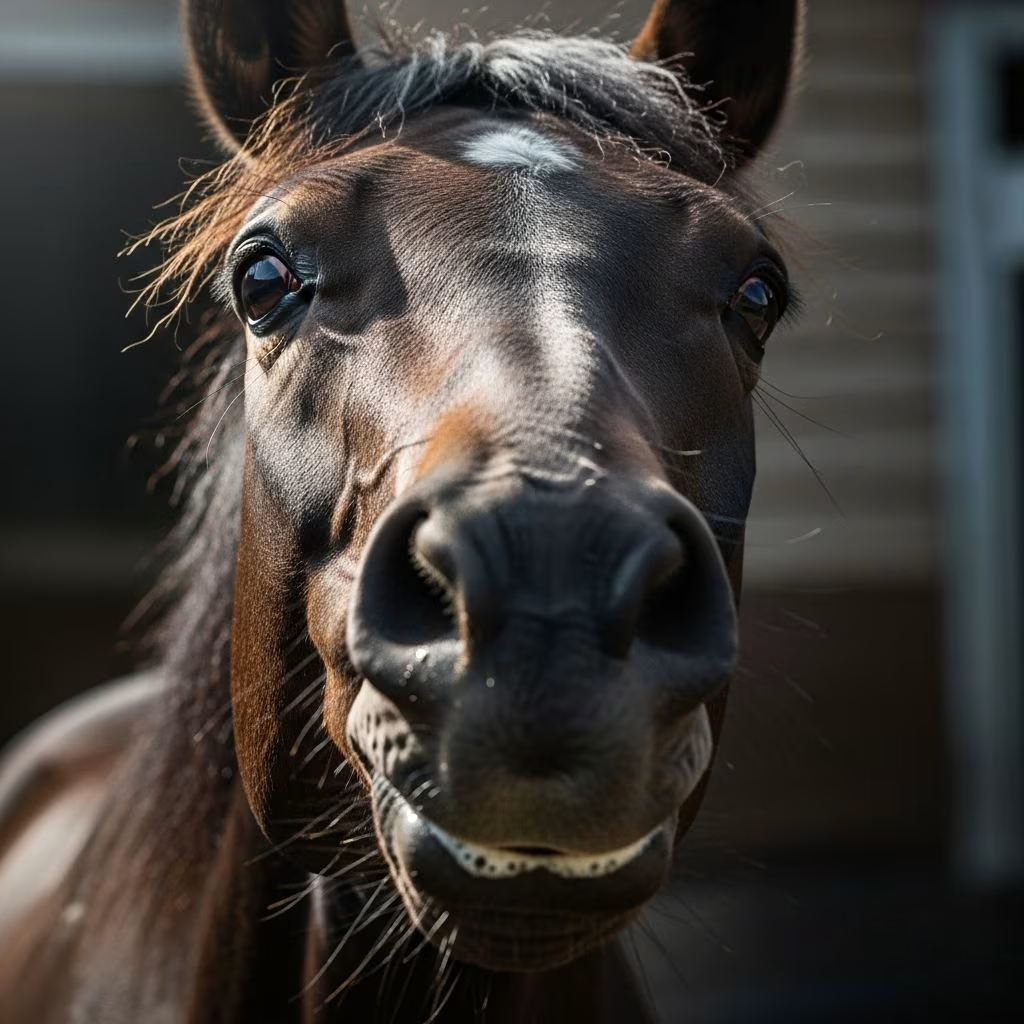
The rabies virus represents one of the most serious and invariably fatal diseases affecting horses, targeting the central nervous system and leading to rapid deterioration once symptoms emerge. Transmitted primarily through the bite of infected wildlife, this zoonotic pathogen poses risks not only to horses but also to humans and other animals on the property. Horse owners must prioritize awareness, vigilance, and proactive prevention to safeguard their herds.
Understanding the Rabies Virus and Its Transmission
Rabies belongs to the Lyssavirus genus and survives in the saliva of infected mammals. In horses, infection typically occurs when a rabid animal—such as a bat, raccoon, skunk, fox, or coyote—bites the horse, introducing the virus directly into muscle tissue or nerves. The virus then travels retrogradely along peripheral nerves to the brain, where it causes encephalitis, disrupting normal neurological function.
Incubation periods in horses vary widely, generally ranging from two to six weeks but potentially extending to several months depending on the bite location and viral load. Bites closer to the head, like on the muzzle, result in shorter incubation times compared to those on the limbs, as the virus has less distance to travel.
- Common wildlife vectors: Bats, raccoons, skunks, foxes.
- Transmission route: Saliva via bite wounds; rarely through open wounds or mucous membranes.
- Incubation factors: Proximity to brain, virus quantity, horse’s immune status.
Horses do not typically transmit rabies to each other directly, but a single infected animal can endanger an entire farm if not isolated promptly.
Recognizing Early and Advanced Symptoms
Clinical manifestations of rabies in horses are diverse and can mimic other neurological conditions, complicating initial identification. Horses often display the paralytic or “dumb” form, characterized by progressive weakness and depression, though the “furious” form with aggression can also occur.
Early signs may be subtle, including fever exceeding 101°F, colic-like discomfort, lethargy, and loss of appetite. Owners might notice lameness, knuckling, or an uncoordinated gait (ataxia). As the disease advances, more severe symptoms emerge:
| Stage | Symptoms |
|---|---|
| Prodromal/Early | Fever, colic, anorexia, mild ataxia, hypersensitivity to touch. |
| Paralytic | Hindlimb paresis progressing to paralysis, loss of tail/anal tone, dribbling urine, recumbency. |
| Furious/Aggressive | Hyperactivity, self-mutilation, aggression, muscle tremors, convulsions. |
| Terminal | Coma, seizures, respiratory failure, death. |
Additional signs include head pressing, circling, difficulty swallowing (pseudochoke), excessive salivation, blindness, and unusual behaviors like persistent erection in stallions or frequent mounting. Survival post-symptom onset averages 3-7 days, rarely exceeding two weeks.
Diagnostic Challenges in Living Horses
Ante-mortem (in living animals) diagnosis of rabies is unreliable due to the absence of specific tests. Veterinarians rely on history—such as unvaccinated status, wildlife exposure, and sudden neurological onset—combined with physical and neurological exams to raise suspicion.
Definitive confirmation requires postmortem examination of brain tissue. Suspected horses are often euthanized humanely, with the head submitted to an approved laboratory for tests like direct fluorescent antibody (DFA) staining, PCR, or histopathology. These detect viral antigens or genetic material in the brainstem and hippocampus.
- Presumptive diagnosis: Rule out differentials via CSF analysis, bloodwork.
- Confirmatory tests: DFA (gold standard), PCR, immunohistochemistry.
- Legal requirements: Positive cases must be reported to public health authorities.
Differentials include West Nile virus, equine encephalitis, trauma, toxins, or abscesses, necessitating thorough investigation.
No Cure: Treatment Limitations and Management
Once clinical signs appear, rabies is 100% fatal in horses with no available treatment. Supportive care cannot halt viral progression, and euthanasia is the ethical choice to prevent suffering and exposure risks.
For exposed but asymptomatic horses:
- Vaccinated: Revaccinate immediately and quarantine 6-12 months with monitoring.
- Unvaccinated: Strict quarantine (up to 6 months) or euthanasia for testing.
Isolation is critical: Separate suspects from humans, other animals, and use protective gear when handling.
Prevention: Vaccination and Farm Biosecurity
Vaccination is the cornerstone of rabies prevention, safe and highly effective for horses. Core vaccines are recommended annually or per label in endemic areas, starting at 3-6 months of age with boosters.
Biosecurity measures include:
| Strategy | Details |
|---|---|
| Vaccination Protocol | Initial dose at 3-6 months, annual boosters; check local prevalence. |
| Wildlife Control | Secure fencing, remove attractants like feed; bat-proof barns. |
| Post-Exposure | Report bites; vaccinate/revaccinate and quarantine. |
| Monitoring | Track vaccination records; watch for behavioral changes. |
In low-prevalence areas, rabies remains rare, but rising wildlife cases underscore universal vaccination.
Rabies as a Zoonotic Risk
Rabies is transmissible to humans via bites or saliva contact with mucous membranes. Infected horses can infect handlers during the symptomatic phase. Post-exposure prophylaxis (PEP) for humans—wound cleansing, vaccine series, immunoglobulin—is urgent and lifesaving if administered promptly.
Horse owners should report suspicions immediately to veterinarians and health departments to initiate protocols.
Frequently Asked Questions (FAQs)
What should I do if my horse is bitten by wildlife?
Wash the wound thoroughly, contact your vet immediately for vaccination assessment and quarantine. Monitor closely for 10 days minimum.
Is rabies common in horses?
No, incidence is low, but unvaccinated horses in wildlife-heavy areas are at higher risk.
Can a vaccinated horse get rabies?
Extremely rare; vaccination prevents clinical disease effectively.
How quickly does rabies kill a horse?
Typically 2-7 days after symptoms start, up to 14 days maximum.
Is there a test for live horses?
No reliable ante-mortem test; suspicion leads to quarantine or euthanasia.
Key Takeaways for Horse Owners
- Maintain strict vaccination schedules to prevent rabies.
- Implement wildlife deterrents on your property.
- Act swiftly on bite incidents or odd behaviors.
- Prioritize safety: Use PPE and isolate suspects.
- Educate farm staff on recognition and reporting.
References
- Rabies | School of Veterinary Medicine — University of California Davis. 2023. https://ceh.vetmed.ucdavis.edu/health-topics/rabies
- Rabies in Horses – Causes, Treatment and Associated Conditions — Vetster. 2024. https://vetster.com/en/conditions/horse/rabies
- Rabies in Horses — Oklahoma State University. 2016-10-01. https://news.okstate.edu/articles/veterinary-medicine/2016/rabies-horses.html
- Rabies in Horses: Causes, Symptoms, Diagnosis & Vaccination — Mad Barn. 2024. https://madbarn.com/rabies-in-horses/
- Rabies in Horses — PetMD. 2024. https://www.petmd.com/horse/conditions/neurological/rabies-horses
- Rabies — Michigan State University. 2015. https://www.canr.msu.edu/jackson/uploads/15%20Rabies.pdf



