

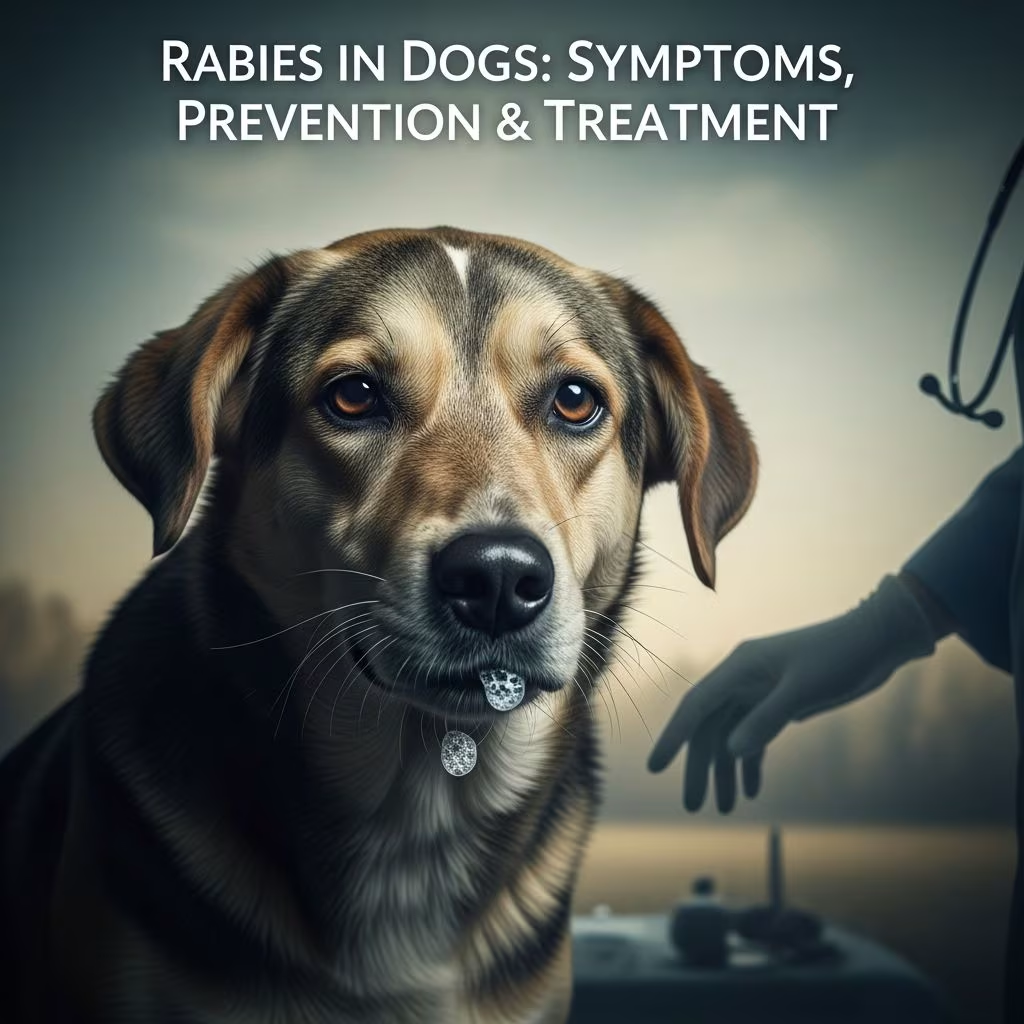
Understanding Rabies in Dogs
Rabies is one of the most devastating viral diseases affecting mammals, including dogs and humans. This zoonotic disease represents a serious public health concern because it can be transmitted from infected animals to people and is nearly universally fatal once clinical signs appear. The virus attacks the nervous system and, without prompt post-exposure treatment, survival is extremely rare. Understanding how rabies spreads, recognizing its symptoms, and implementing prevention strategies are essential for protecting both your pets and your family.
How Rabies is Transmitted
Transmission of rabies typically occurs through direct contact with saliva from an infected animal. The most common transmission route is via a bite from a rabid animal, though the virus can also spread through scratches, licks on open wounds, or contact with mucous membranes. Getting saliva in the eyes, mouth, or nose could also transmit the disease to your dog. Bats, skunks, and raccoons are the most common wildlife sources of rabies exposure, though any infected animal poses a risk. Even indoor dogs can be at risk if they encounter a rabid animal outdoors or if a bat finds its way into the home.
Incubation Period and Clinical Development
The incubation period—the time between infection and the appearance of clinical signs—varies considerably in dogs. While the incubation period can theoretically range from ten days to one year or longer, in most dogs it typically lasts between two weeks to four months. The speed at which symptoms develop depends on several critical factors:
- The location of the bite wound (bites closer to the brain and spinal cord result in faster symptom onset)
- The severity of the bite or exposure
- The amount of virus introduced during the bite
After becoming infected, the virus typically takes 21 to 80 days before symptoms begin to manifest. This variable timeline makes early vaccination crucial, as the disease progresses rapidly once clinical signs appear.
Clinical Signs and Presentation Forms
Rabies in dogs progresses through distinct phases. Initially, a dog enters the prodromal phase, which lasts 2-3 days and is characterized by marked behavioral changes. Quiet dogs become agitated, while active pets become nervous or shy. Following this stage, rabies manifests in two recognized clinical forms:
Furious Rabies
In the furious form, the rabid dog becomes aggressive, highly excitable, and displays a depraved appetite, eating and chewing stones, earth, and rubbish—a condition known as pica. The dog may display excessive salivation and aggression. Paralysis eventually sets in, and the animal may be unable to eat and drink. Despite popular misconceptions, hydrophobia (fear of water) is not a sign of rabies in dogs—this is a feature specific to human rabies. The dog ultimately dies in a violent seizure.
Dumb Rabies
Dumb rabies is the most common form in dogs. This form is characterized by progressive paralysis involving the limbs, facial distortion, and difficulty swallowing. Owners frequently mistake the symptoms for something stuck in the mouth or throat. Careful handling is essential during examination since rabies is readily transmitted through saliva. The affected dog eventually becomes comatose and dies.
Diagnosis of Rabies
One of the most challenging aspects of rabies is that it cannot be diagnosed in a living animal. Rabies can only be definitively diagnosed by direct examination of the brain tissue. If a dog is suspected of having rabies or dies suddenly while showing rabies symptoms, a veterinarian may recommend submission of appropriate brain samples for laboratory testing.
While some non-definitive tests exist—including examination of hair follicles, saliva, blood serum, and spinal fluid—these cannot conclusively confirm the presence of rabies virus. If there has been human exposure to the potentially rabid dog, submission of brain tissue for testing may be required by law to ensure proper public health protocols are followed.
Vaccination: The Cornerstone of Prevention
Effectiveness of Rabies Vaccines
Vaccination is the cornerstone of rabies prevention. Modern rabies vaccines for dogs, cats, horses, and ferrets are extremely safe and effective. Vaccination works by stimulating the bitten or exposed animal to develop its own neutralizing antibodies against the rabies virus. However, the vaccine is only effective if administered before the virus enters the nervous system. Once clinical signs appear, vaccination cannot prevent the disease’s progression.
Vaccination Schedule and Requirements
Core rabies vaccination is recommended by the American Animal Hospital Association (AAHA) for all puppies and dogs. Your dog should receive their first rabies vaccination between 12 and 16 weeks of age. Following the initial vaccination series, booster shots are required to maintain immunity. Local regulations determine the specific booster schedule, typically ranging from annual to every three years, depending on the vaccine type and local laws.
Maternal Antibodies and Vaccination Timing
One important consideration in puppy vaccination is the role of maternal antibodies. If a puppy receives a rabies vaccination before maternal rabies antibodies are gone, the vaccination is blocked, and no immunity develops. Maternal antibodies can persist for varying lengths of time—sometimes only five to six weeks, while in other cases lasting longer. During this period, puppies are passively protected by their mother’s antibodies, but these same antibodies also interfere with the vaccine’s ability to stimulate an immune response. This is why veterinarians recommend vaccination series spaced at appropriate intervals to ensure immunity develops once maternal antibodies have waned.
Post-Exposure Protocols
Unvaccinated Dogs with Potential Exposure
If there is potential exposure to rabies but no human exposure, an unvaccinated dog should be given a rabies vaccination and placed in strict quarantine—with no direct contact with people—for many months as determined by local public health regulations. This extended quarantine period allows observation to confirm the dog does not develop clinical signs of rabies.
Unvaccinated Dogs with Human Exposure
If an unvaccinated dog has bitten or scratched a human with potential rabies exposure, vaccination is not typically recommended because it could cause a rare adverse reaction that may mimic signs of infection, complicating medical decisions. In these situations, the safest protocol is euthanasia of the animal to prevent potential transmission to humans. The alternative is strict quarantine for many months under public health supervision.
Previously Vaccinated Dogs
If an exposed dog has previously been vaccinated against rabies, a booster vaccination is indicated, followed by at least 30 days of quarantine as determined by local regulations. Close observation during this period helps confirm the animal does not develop clinical signs.
Treatment and Management
Unfortunately, there is no treatment for a dog with rabies. Once clinical signs appear, the disease is almost always fatal, with virtually no available treatments. If rabies is suspected, the dog must be kept in complete isolation and prevented from escaping or injuring someone. Since a dog shedding the rabies virus in saliva will develop clinical signs within days, a 10-day quarantine is observed. A dog that remains normal and healthy after 10 days is not considered contagious at the time of the bite.
Veterinarians are required by law to notify local, state, or provincial animal disease regulatory authorities when rabies is suspected, as these authorities determine the necessary steps to protect the public.
Why Indoor Dogs Need Rabies Vaccination
Even strictly indoor dogs should be vaccinated against rabies. Rabies is a human health concern, not just an animal health issue, and many communities have laws mandating rabies vaccination of pets. Even a strictly indoor dog may find a way to sneak out and be exposed to rabies from a wild animal. Additionally, a rabid bat could find its way inside a home, potentially presenting an attractive hunting target for an indoor dog. Regardless of legal requirements, maintaining regular rabies vaccination makes good medical sense and protects both the dog and human family members from this nearly universally fatal disease.
Public Health Considerations
In February 2018, the World Health Organization issued updated rabies vaccination and post-exposure recommendations. Those bitten by potentially rabid animals who have not previously been vaccinated for rabies should receive immunoglobulin (antibody) promptly, followed by a series of vaccines. Those previously vaccinated do not require immunoglobulin but will still receive several vaccines against the virus. Suspicious animals that may carry rabies include stray or feral dogs or cats, any wild animal, and unvaccinated pets—particularly those showing unusual behavior such as lack of fear of people, excessive salivation, or aggression.
Frequently Asked Questions
Q: How long is the incubation period for rabies in dogs?
A: In dogs, the incubation period typically ranges from two weeks to four months, though it can theoretically extend from ten days to one year or longer. The duration depends on the bite location, severity, and amount of virus introduced.
Q: Can rabies be treated once a dog shows symptoms?
A: No, there is no treatment for rabies once clinical signs appear. The disease is almost always fatal in dogs. This is why prevention through vaccination is so critical.
Q: Is there a test to diagnose rabies in a living dog?
A: No, rabies can only be definitively diagnosed by examining brain tissue after death. While some non-definitive tests of saliva, blood, or hair exist, these cannot conclusively confirm rabies in a living animal.
Q: How often does my dog need rabies booster vaccines?
A: The frequency of booster vaccinations depends on local regulations and the specific vaccine type used. Typically, boosters are given annually or every three years as determined by your veterinarian and local requirements.
Q: Can indoor dogs get rabies?
A: Yes, indoor dogs can be exposed to rabies. They may sneak outdoors and encounter wildlife, or a rabid bat could enter the home. Regular vaccination is recommended for all dogs regardless of lifestyle.
Q: What should I do if my dog is bitten by a wild animal?
A: Contact your veterinarian immediately. If your dog is vaccinated, a booster vaccination will likely be administered followed by quarantine observation. If unvaccinated, strict quarantine or euthanasia may be necessary depending on whether there was human exposure.
References
- Indoor Dogs and Infectious Disease — VCA Animal Hospitals. https://vcahospitals.com/know-your-pet/indoor-dogs-and-infectious-disease
- Rabies in Dogs — VCA Animal Hospitals. https://vcahospitals.com/know-your-pet/rabies-in-dogs
- Vaccination Failures in Dogs — VCA Animal Hospitals. https://vcahospitals.com/know-your-pet/vaccination-failures-in-dogs
- Vaccines for Dogs — VCA Animal Hospitals. https://vcahospitals.com/know-your-pet/vaccines-for-dogs
- Rabies Vaccine for Dogs: How Often Do Dogs Need Shots? — CareCredit. https://www.carecredit.com/well-u/pet-care/how-often-dogs-rabies-vaccine/



