Rabbits and Fly Strike: Prevention and Treatment
Understand fly strike in rabbits: prevention strategies and urgent veterinary treatment options.
Understanding Fly Strike in Rabbits
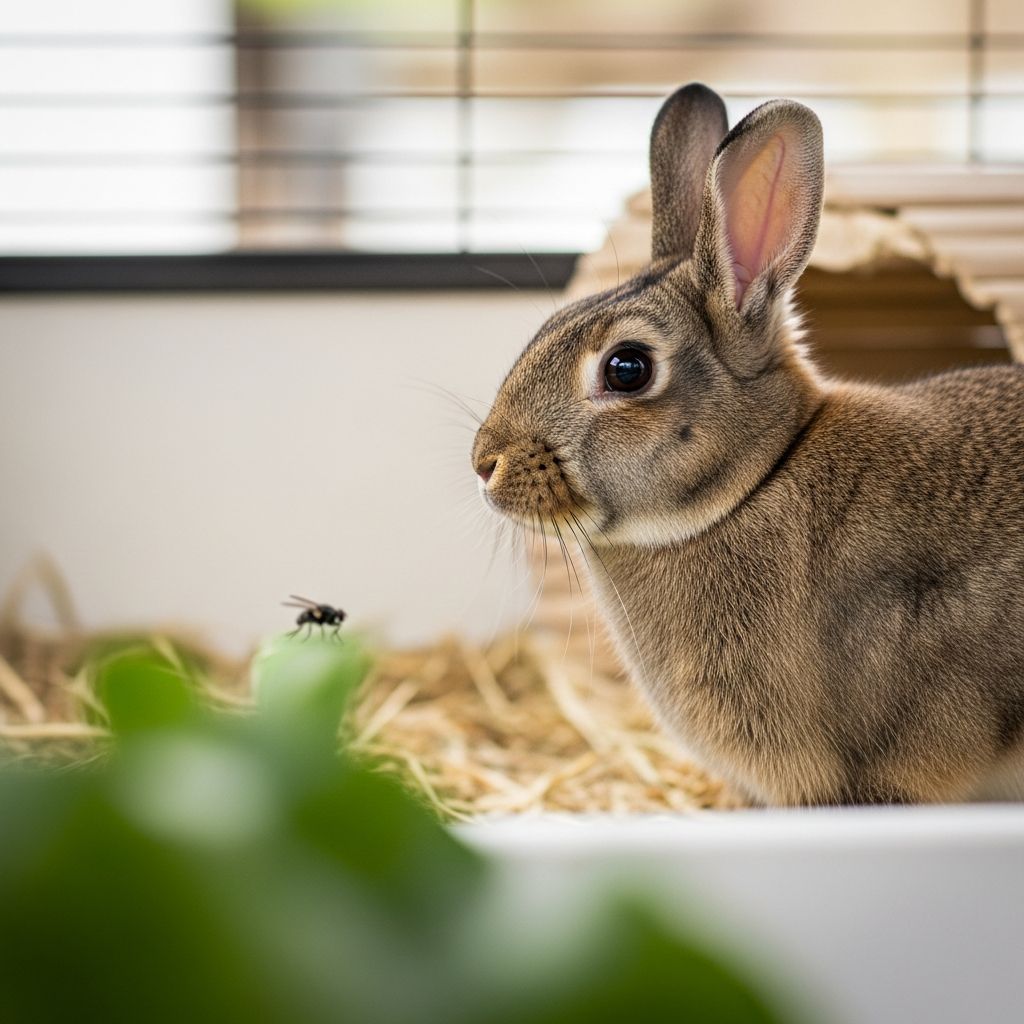
Fly strike, also known as myiasis, is a serious and potentially life-threatening condition that affects rabbits when flies lay their eggs in the rabbit’s fur or on open wounds. The eggs hatch into maggots within hours, which then feed on the rabbit’s skin and tissue, causing severe pain, infection, and potentially fatal complications if left untreated. This condition demands immediate veterinary attention and can progress rapidly, making prevention and early recognition crucial for rabbit owners.
What Is Fly Strike?
Fly strike occurs when certain species of flies, particularly the bluebottle and greenbottle flies, are attracted to a rabbit and lay their eggs in the fur, typically around the hindquarters, genitals, and tail areas. The eggs develop into larvae (maggots) within 8-12 hours, and these maggots begin consuming the rabbit’s skin and tissue almost immediately. The condition can spread rapidly, and if not treated urgently, the maggots can penetrate deeper into the rabbit’s body, causing severe tissue damage and systemic complications including shock, sepsis, and potentially death.
Symptoms and Early Warning Signs
Recognizing the early signs of fly strike is essential for prompt treatment. While the most obvious indication is the presence of live maggots or eggs in the fur, several warning signs may appear before this stage:
- Lethargy and reduced energy: An infected rabbit may appear unusually passive or uninterested in activity.
- Decreased appetite: Your rabbit may refuse food or show significantly reduced eating habits.
- Patches of wet fur or fur loss: Look for areas where the fur appears matted, wet, or missing, particularly around the hindquarters.
- Foul smell: A strong, unpleasant odor emanating from your rabbit’s body is a telltale sign.
- Behavioral changes: Your rabbit may dig into corners to escape pain or display signs of distress.
- Decreased grooming: Infected rabbits often stop grooming themselves properly.
- Grinding of teeth: This pain-related behavior indicates discomfort.
- Open wounds or sores: Visible wounds or sores with discharge or maggots present.
- Collapse: In severe cases, rabbits may appear to collapse or show signs of shock.
Risk Factors and Prevention
Environmental Risk Factors
Certain conditions increase the likelihood of fly strike occurring. Understanding these risk factors allows rabbit owners to take preventative measures and reduce exposure. Key environmental factors include:
- Warm, humid weather (typically May through September in Northern climates)
- Poor housing hygiene and dirty enclosures
- Wet bedding that attracts flies
- Accumulation of fecal matter around the hutch
- Outdoor housing without proper fly protection
Medical and Physical Risk Factors
Rabbits with certain health conditions or physical characteristics are at higher risk of developing fly strike:
- Diarrhea or digestive issues: Wet fecal matter attracts flies and contaminates the fur.
- Urinary incontinence: Wet fur from urine provides an ideal environment for flies to lay eggs.
- Obesity: Overweight rabbits may have difficulty grooming and maintaining hygiene.
- Arthritis or mobility issues: Limited mobility reduces a rabbit’s ability to groom and move away from contaminated areas.
- Existing wounds or sores: Flies are particularly attracted to open wounds and will preferentially lay eggs around them.
- Poor coat condition: Matted, dirty, or poorly maintained fur attracts flies.
- Older or debilitated rabbits: Senior rabbits with declining health are more vulnerable.
Prevention Strategies
Housing and Hygiene
The most effective way to prevent fly strike is through meticulous environmental management and proper housing:
- Keep the hutch or enclosure clean and dry at all times
- Change bedding daily or more frequently if soiled
- Remove fecal matter and urine-soaked areas immediately
- Ensure food and water bowls are kept clean
- Provide adequate ventilation to reduce moisture and odor
- Consider housing rabbits indoors during warm months when fly activity is highest
- Use fly screens or netting over outdoor enclosures
- Maintain at least 2-3 feet of clearance around the hutch to reduce fly harborage
Health Management
Maintaining your rabbit’s overall health significantly reduces fly strike risk:
- Monitor your rabbit daily for wounds, matted hair, or fecal accumulation
- Address underlying health conditions promptly with veterinary care
- Maintain appropriate body weight through proper diet and exercise
- If your rabbit has diarrhea or digestive issues, seek immediate veterinary diagnosis and treatment
- If your rabbit has urinary problems, have them evaluated and treated promptly
- For rabbits with arthritis, provide pain relief and ensure they maintain mobility
- Keep any wounds clean and protected as recommended by your veterinarian
- Ensure regular grooming and maintain good coat condition
Emergency Treatment and Veterinary Care
Immediate Response
If you suspect fly strike, immediate veterinary attention is essential. Time is critical, and delays can result in worsening condition or death.
Do:
- Remain calm
- Phone your veterinarian immediately
- Transport your rabbit to the veterinary clinic without delay
- If your rabbit has a bonded companion, bring them along if possible
Don’t:
- Delay getting professional treatment
- Attempt to remove maggots yourself, as this causes severe pain and can send your rabbit into shock
- Dunk your rabbit in water to try to drown the maggots—this won’t work and can cause shock
- Apply home remedies, as no suitable home treatments exist for this condition
Veterinary Treatment Process
Comprehensive fly strike treatment involves multiple steps and often requires hospitalization:
Initial Assessment and Sedation: Your veterinarian will perform a thorough examination. Given that flyblown rabbits may be in shock, anesthesia carries higher risk than normal. The vet will assess your rabbit’s overall condition and stability before proceeding.
Maggot Removal: Maggot removal is the primary treatment component. The affected area will be clipped of fur to allow complete visualization and removal of all maggots. This painful procedure requires sedation or general anesthesia. Medications such as ivermectin or nitenpyram may be used to aid in killing remaining maggots.
Wound Cleaning: Once maggots are removed, the affected area is thoroughly cleaned. Feces, urine, and matted fur must be removed to promote healing. In severe cases, surgical removal of damaged tissue may be necessary.
Supportive Care: Rabbits with fly strike require extensive supportive care during hospitalization:
- Fluid therapy to address dehydration and treat shock
- Heat support to maintain proper body temperature
- Nutritional support through syringe-feeding with products such as Critical Care formulas
- Gut stimulants to prevent gastric stasis
Medication Management: Your rabbit will receive multiple medications:
- Pain relief: NSAIDs like meloxicam are crucial for comfort and to encourage normal movement and eating
- Antibiotics: Most fly strike wounds develop secondary bacterial infections, so antibiotics such as trimethoprim-sulfa (TMS) are typically prescribed until culture and sensitivity results are available
- Anti-inflammatory medications: Help reduce swelling and discomfort
Recovery and Prognosis
Factors Affecting Outcome
The prognosis for fly strike depends on multiple factors. Rabbits treated early typically have good recovery outcomes, but advanced cases can be fatal.
Positive prognostic indicators:
- Early detection and treatment
- Limited tissue damage
- Good overall health status prior to infection
- Quick response to veterinary care
Poor prognostic indicators:
- Delayed treatment
- Severe tissue damage or penetration into deeper body tissues
- Evidence of maggots affecting the nervous system
- Systemic complications including sepsis, severe dehydration, or shock
- Underlying serious health conditions
Post-Treatment Care
Rabbits recovering from fly strike require careful monitoring and management:
- Keep your rabbit indoors during the recovery period
- Inspect the treated area multiple times daily
- Administer all prescribed medications as directed
- Provide supportive care and monitoring for complications
- Ensure proper nutrition and hydration
- Prevent re-infection by maintaining strict hygiene
- Follow up with your veterinarian as recommended
When Humane Euthanasia May Be Considered
Unfortunately, severe cases of fly strike may not be survivable despite aggressive treatment. If your veterinarian determines that your rabbit has severe tissue damage, uncontrollable pain, or complications such as sepsis or neurological involvement, humane euthanasia may be the most compassionate option to prevent suffering.
Frequently Asked Questions
Q: Can I treat fly strike at home?
A: No. Fly strike is a life-threatening emergency requiring immediate veterinary treatment. There are no suitable home remedies, and attempting home treatment can cause severe pain and send your rabbit into shock.
Q: How quickly does fly strike develop?
A: Flies can lay eggs that hatch into maggots within 8-12 hours. The condition can progress rapidly, potentially causing severe damage within 24-48 hours if untreated.
Q: Is fly strike preventable?
A: Yes, fly strike is largely preventable through proper housing maintenance, good hygiene, prompt treatment of health issues, and daily monitoring of your rabbit.
Q: What should I do if I see maggots on my rabbit?
A: Contact your veterinarian immediately and transport your rabbit to the clinic without delay. Do not attempt to remove maggots yourself.
Q: Can indoor rabbits get fly strike?
A: While less common, indoor rabbits can still develop fly strike if they have underlying health conditions causing wet fur or open wounds that attract flies.
Q: How long does recovery take?
A: Recovery time varies depending on the severity of the infestation and tissue damage. Mild cases may recover within weeks, while severe cases may require months of treatment and care or may not survive.
References
- Fly Strike in Rabbits — Blue Cross. 2025. https://www.bluecross.org.uk/advice/rabbit/health-and-injuries/fly-strike-in-rabbits
- Flystrike in Rabbits – PetMD — PetMD. 2025. https://www.petmd.com/rabbit/conditions/skin/flystrike-rabbits
- Fly strike in rabbits – PDSA — People’s Dispensary for Sick Animals (PDSA). 2025. https://www.pdsa.org.uk/pet-help-and-advice/pet-health-hub/conditions/flystrike-in-rabbits
- Flystrike in Rabbits — Rabbit Welfare Association & Fund (RWAF). 2025. https://rabbitwelfare.co.uk/flystrike-in-rabbits/
- Flystrike in Rabbits | Signs, Symptoms & Treatment — Medivet Group. 2025. https://www.medivetgroup.com/pet-care/pet-advice/flystrike-in-rabbits/
- Flystrike in Rabbits and Guinea Pigs — The Unusual Pet Vets. 2019. https://www.unusualpetvets.com.au/wp-content/uploads/2019/11/Fly-Strike.pdf
- Flystrike in Rabbits — FOUR PAWS in US. 2025. https://www.fourpawsusa.org/our-stories/publications-guides/flystrike-in-rabbits
Similar Articles








Read full bio of Sneha Tete