Rabbits and Fly Strike: Prevention, Symptoms & Treatment
Learn about fly strike in rabbits: recognize symptoms, understand treatment options, and implement prevention strategies.
Understanding Fly Strike in Rabbits
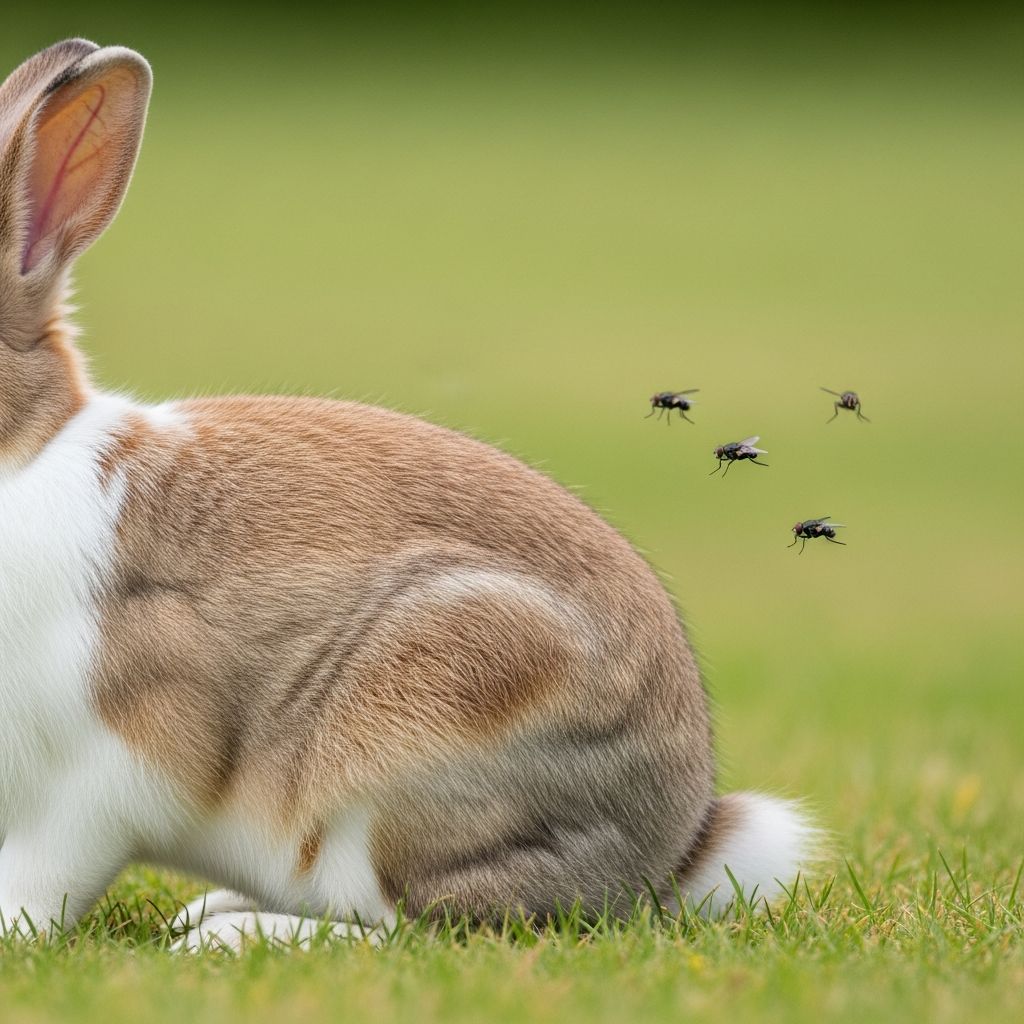
Fly strike, also known as myiasis, is a serious and potentially life-threatening condition that affects rabbits when flies lay their eggs on the animal’s fur or skin. This parasitic infestation can develop rapidly and requires immediate veterinary attention. The condition occurs when flies, attracted to areas of moisture, dirt, or existing wounds on a rabbit’s body, deposit their eggs. These eggs hatch into maggots within hours, which then burrow into the rabbit’s skin, causing severe tissue damage, infection, and systemic complications. Understanding fly strike is essential for all rabbit owners, as early recognition and prompt treatment can mean the difference between recovery and tragedy.
What Causes Fly Strike in Rabbits?
Fly strike is primarily caused by poor hygiene and environmental conditions that attract flies to rabbits. The most common contributing factors include:
Poor Hutch Sanitation
One of the leading causes of fly strike is housing rabbits in unsanitary conditions. When bedding becomes soiled with urine and feces, it creates an ideal environment for flies to lay their eggs. Daily cleaning of the hutch and bedding is crucial to prevent this condition. Rabbits that live in damp, dirty, or poorly maintained enclosures are at significantly higher risk.
Fur and Skin Issues
Rabbits with matted fur, particularly around the rear end and genital area, are especially vulnerable to fly strike. Wet fur caused by incontinence, diarrhea, or excessive moisture in the hutch provides perfect conditions for fly eggs to hatch and develop. Obesity in rabbits can also contribute to fly strike, as overweight rabbits may have difficulty grooming themselves properly and may accumulate fecal material in their fur.
Existing Wounds or Sores
Flies are naturally attracted to open wounds and sores. Any cuts, abrasions, or skin conditions should be monitored closely and kept clean. Rabbits with existing wounds are at higher risk of developing fly strike if the wounds are not properly protected and treated.
Summer Months and Warm Weather
Fly strike is most common during warm months when fly populations are highest. Summer months present increased risk, making preventive measures particularly important during this season.
Recognizing the Symptoms of Fly Strike
Early detection of fly strike significantly improves the chances of successful treatment. Rabbit owners should be familiar with the following warning signs:
Behavioral Changes
Rabbits suffering from fly strike often display distinct behavioral changes. They may become unusually quiet and lethargic, showing little interest in normal activities. Many affected rabbits adopt a hunched posture, indicating pain and discomfort. Additionally, rabbits with fly strike frequently dig into corners of their hutch as they attempt to relieve the intense pain caused by the maggots.
Appetite and Grooming Changes
A noticeable decrease in appetite is a common sign of fly strike. Infected rabbits may refuse food and water due to pain and general malaise. Conversely, rabbits may also stop grooming themselves, leading to further deterioration of their fur condition.
Physical Signs and Odor
The most obvious sign of fly strike is the visible presence of maggots or fly eggs in the rabbit’s fur. These appear as small whitish or yellowish larvae, often clustered in affected areas. A strong, unpleasant smell emanating from the rabbit’s hutch is another telltale indicator. Look for patches of wet or matted fur, particularly around the back end and rear legs, as well as open wounds or sores that may contain eggs or maggots.
Skin Conditions
As the infestation progresses, the skin may become red, swollen, or ulcerated. In advanced cases, the rabbit may experience severe shock and collapse. If fly strike is left untreated, the condition can be fatal within a very short timeframe as the maggots consume tissue and toxins enter the bloodstream.
Understanding the Progression and Dangers
Fly strike is a medical emergency that can escalate rapidly. As maggots grow and consume more skin tissue, they release toxins into the rabbit’s bloodstream, causing shock and potentially leading to organ failure. The condition is extremely painful, and rabbits can deteriorate dramatically within hours. Severe shock develops as the infestation progresses, eventually leading to collapse and death if untreated. This rapid progression underscores the critical importance of immediate veterinary intervention.
Emergency Treatment for Fly Strike
If you suspect your rabbit has fly strike, it is essential to contact your veterinarian immediately. This is a medical emergency that requires urgent professional care. Never attempt home treatment or try to remove maggots yourself, as this can cause severe pain and potentially send your rabbit into shock.
Veterinary Assessment and Maggot Removal
When you bring your rabbit to the veterinary clinic, the vet will perform a thorough examination to assess the extent of the infestation and the rabbit’s overall condition. The primary treatment involves manual removal of maggots from the affected area. This is a painful procedure, which is why most veterinarians will sedate or anesthetize the rabbit to prevent additional stress and pain. During this process, the affected fur is clipped away, and the skin is thoroughly cleaned and flushed to remove all visible maggots and eggs.
Wound Management
After maggot removal, the veterinarian will assess the extent of tissue damage. Damaged or dead tissue may need to be surgically removed to promote healing and prevent infection. The wounds are then cleaned and treated with appropriate medications to kill any remaining maggots or eggs.
Medications and Supportive Care
Rabbits with fly strike typically require several medications and supportive treatments:
Pain Management
Pain relief is a crucial component of treatment. Your veterinarian will prescribe pain medications, typically nonsteroidal anti-inflammatory drugs (NSAIDs) such as meloxicam, to manage the rabbit’s discomfort throughout the treatment and recovery period.
Antibiotics
Most fly strike wounds develop secondary bacterial infections. Veterinarians typically prescribe broad-spectrum antibiotics, such as trimethoprim sulfa (TMS), to prevent or treat these infections. The specific antibiotic chosen may be adjusted based on culture and sensitivity results.
Fluid Therapy
Rabbits with fly strike often experience dehydration and shock. Intravenous or subcutaneous fluid therapy is essential to restore fluid balance and stabilize the rabbit’s condition. Many rabbits require hospitalization and close monitoring during this phase of treatment.
Nutritional Support
Affected rabbits often stop eating due to pain and illness. Veterinarians may provide nutritional support through syringe-feeding or products designed for critical care nutrition. Gut stimulants may also be prescribed if the rabbit’s digestive system is not functioning properly due to shock or pain.
Anti-Parasitic Medications
Your veterinarian may use medications such as ivermectin or nitenpyram during the treatment process to aid in killing remaining maggots. Additionally, topical products containing cyromazine, an insect growth regulator, may be applied to prevent fly eggs from hatching. This protection typically lasts for eight to ten weeks.
Recovery and Long-Term Care
The recovery period following fly strike treatment requires careful management and close monitoring. Rabbits should be kept indoors in a clean, quiet environment during recovery. Daily inspections of the treated area are essential to monitor for complications or signs of infection. Most rabbits require hospitalization for several days during the initial treatment and recovery phase.
With appropriate and early care, the prognosis for fly strike is typically good. However, if a rabbit is showing signs of the larvae affecting the nervous system, or if extensive tissue damage has occurred, the prognosis is less favorable. Unfortunately, some rabbits that initially survive treatment may succumb to secondary infection, dehydration, or shock in the following days or weeks.
In severe cases where the rabbit is suffering extensively and the veterinarian determines the outlook is poor, humane euthanasia may be the most compassionate option to relieve suffering.
Prevention Strategies
The best approach to fly strike is prevention. By implementing the following strategies, rabbit owners can significantly reduce the risk of this serious condition:
Maintain Excellent Hutch Hygiene
Daily cleaning of the hutch and bedding is absolutely essential. Remove all soiled bedding, urine, and fecal material at least once daily. Ensure the hutch is kept dry, as moisture attracts flies. Weekly deep cleaning of the entire hutch will help eliminate any fly eggs or larvae that may be present in the environment.
Regular Grooming and Health Checks
Perform daily health checks on your rabbit, paying particular attention to the rear end and genital area. Look for signs of matted fur, diarrhea, or wounds. Regular grooming helps keep the fur clean and prevents matting. If your rabbit has long fur, consider regular trimming to reduce the risk of fecal accumulation.
Monitor Diet and Digestive Health
Feed your rabbit a high-quality diet with plenty of hay, which promotes healthy digestion and firm feces. Rabbits that produce soft stools or diarrhea are at increased risk for fly strike. If your rabbit experiences digestive issues, consult your veterinarian to address the underlying cause.
Use Preventive Treatments
During the warm months, consider using a fly deterrent product as recommended by your veterinarian. These products create a protective barrier that makes it less likely for flies to lay eggs on your rabbit. Application frequency and product selection should be discussed with your vet to ensure the safety and efficacy for your specific rabbit.
Address Underlying Health Conditions
Work with your veterinarian to manage any health conditions that may predispose your rabbit to fly strike, such as obesity, incontinence, or chronic diarrhea. Keeping your rabbit at a healthy weight through proper diet and exercise reduces the risk of grooming difficulties and fecal accumulation.
Provide Appropriate Housing
Ensure your rabbit’s hutch is well-ventilated, dry, and located in a shaded area during summer months. Outdoor hutches should be elevated off the ground to reduce moisture and allow for proper air circulation. Consider bringing rabbits indoors during the hottest months when fly activity is highest.
What NOT to Do if You Suspect Fly Strike
In the event you notice signs of fly strike, it is important to avoid certain actions that could worsen your rabbit’s condition:
Do Not Delay Treatment
Fly strike is a medical emergency. Do not wait to see if the condition improves on its own. Contact your veterinarian immediately and arrange emergency treatment without delay.
Do Not Attempt Home Treatment
Do not try to remove maggots yourself or treat the condition at home. This will cause severe pain and could send your rabbit into shock, potentially resulting in death.
Do Not Dunk in Water
A common misconception is that dunking the rabbit in water will drown the maggots. This is ineffective and can actually cause shock in an already compromised rabbit. Avoid this practice entirely.
Do Not Handle Roughly
Handle affected rabbits gently and with care. Rabbits with fly strike are usually in significant pain and may be very weak. Rough handling can cause additional stress and potentially precipitate shock.
Frequently Asked Questions About Rabbit Fly Strike
Q: How quickly can fly strike develop in rabbits?
A: Fly strike can develop very rapidly. Eggs can hatch into maggots within hours, and the condition can become life-threatening within 24-48 hours if left untreated. This is why immediate veterinary attention is critical.
Q: Can indoor rabbits get fly strike?
A: While fly strike is more common in outdoor rabbits, indoor rabbits can still develop this condition if flies gain access to the home. Maintaining good hygiene and preventing access by flies is important for all rabbits.
Q: Is fly strike contagious between rabbits?
A: Fly strike itself is not contagious between rabbits, but the underlying conditions that make one rabbit susceptible (such as poor hygiene or obesity) can affect multiple rabbits in the same household. It is important to maintain good conditions for all rabbits.
Q: What is the survival rate for rabbits treated for fly strike?
A: With prompt, appropriate veterinary treatment, many rabbits recover from fly strike. However, recovery depends on the severity of the infestation and how quickly treatment was sought. Severe cases may be fatal despite treatment.
Q: How much does fly strike treatment cost?
A: Treatment costs vary depending on the severity of the condition and the extent of veterinary care required. Emergency treatment, anesthesia, medications, and hospitalization can result in significant expenses. It is best to discuss costs with your veterinarian, but prevention is always more cost-effective than treatment.
Q: Can rabbits get fly strike in winter?
A: Fly strike is most common during warm months, but it can occur year-round in mild climates or in heated indoor environments. Maintaining good hygiene practices throughout the year is important for all rabbits.
References
- Flystrike in Rabbits — PetMD. 2024. https://www.petmd.com/rabbit/conditions/skin/flystrike-rabbits
- What’s flystrike in rabbits? Symptoms, treatment & prevention — Vets Now. 2024. https://www.vets-now.com/pet-care-advice/flystrike-in-rabbits/
- Fly strike in rabbits — PDSA. 2024. https://www.pdsa.org.uk/pet-help-and-advice/pet-health-hub/conditions/flystrike-in-rabbits
- Flystrike in Rabbits: Signs, Symptoms & Treatment — Medivet Group. 2024. https://www.medivetgroup.com/pet-care/pet-advice/flystrike-in-rabbits/
- Flystrike in Rabbits and Guinea Pigs — The Unusual Pet Vets. 2019. https://www.unusualpetvets.com.au/wp-content/uploads/2019/11/Fly-Strike.pdf
- Flystrike in Rabbits: Owner’s Guide — Royal Veterinary College. 2022. https://www.rvc.ac.uk/Media/Default/small-animal/documents/Rabbit_flystrike_2022.pdf
Similar Articles







Read full bio of Sneha Tete