Rabbits as Pets: Complete Care Guide for New Owners
Learn everything you need to know about caring for pet rabbits, from housing to nutrition and health.
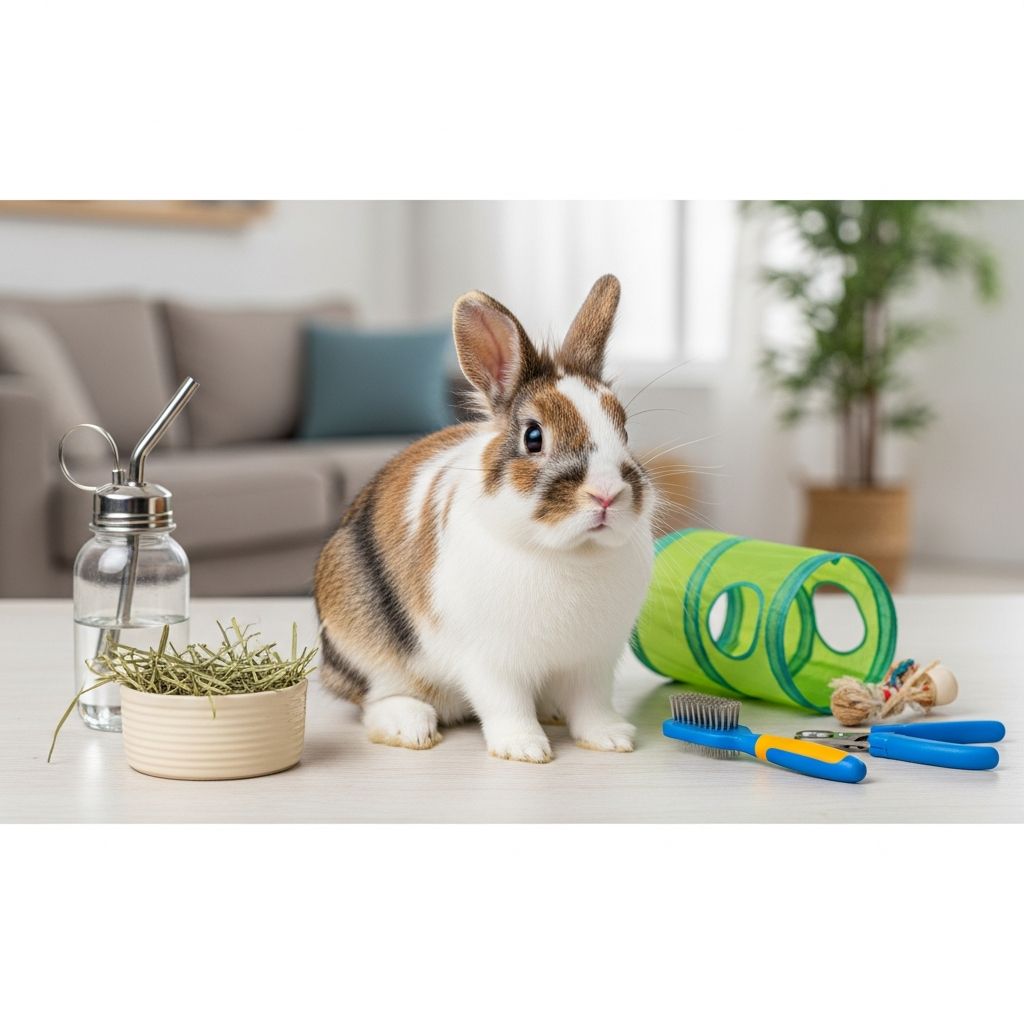
Rabbits as Pets: Everything You Need to Know
Rabbits can make wonderful and engaging pets for families and individuals willing to meet their specific care needs. Unlike many common household pets, rabbits have unique requirements regarding housing, diet, and veterinary care. Understanding these needs before bringing a rabbit home is essential to ensure a long, healthy, and happy relationship with your new furry companion. This comprehensive guide covers all aspects of rabbit ownership, from selecting an appropriate living space to providing proper nutrition and recognizing signs of health problems.
Understanding Rabbit Behavior and Characteristics
Before becoming a rabbit owner, it’s important to understand the natural behaviors and characteristics of these fascinating animals. Rabbits are naturally social creatures that enjoy interacting with their owners and other rabbits, though introductions between rabbits must be handled carefully. They are most active during dawn and dusk, which is when they would naturally forage in the wild. This means your rabbit may be most playful and energetic during these times of day.
Rabbits communicate through a variety of vocalizations and body language. They may thump their hind legs when frightened or excited, make soft grunting sounds when content, and may even binky—a joyful jumping behavior—when they’re especially happy. Understanding these behaviors helps you better connect with and care for your pet rabbit.
Housing Your Rabbit: Creating a Safe and Comfortable Space
Proper housing is one of the most critical aspects of rabbit care. Your rabbit needs a secure, comfortable space that allows for movement and exercise while keeping them safe from hazards.
Cage Size and Setup
Wire-bottom rabbit cages are acceptable, but to decrease foot trauma, at least half of the wire floor should be covered with something solid such as plastic, Plexiglas, or untreated wood. However, wood is very difficult to clean and properly disinfect, so it must be replaced often. If bedding is not supplied, wire flooring or hard plastic flooring may cause sores on the bottom of the feet, also called pododermatitis or sore hocks.
A concealed hiding area in the cage, such as a cardboard or wooden box, allows the rabbit to feel secure. This is especially important since rabbits are prey animals and naturally seek shelter. The hiding space helps reduce stress and anxiety in your pet.
Bedding Materials
The bottom of the cage can be lined with timothy hay or commercially available recycled paper products. Unlike wood shavings, these items are non-toxic and digestible if eaten. The cage must be spot-cleaned daily to remove all feces and urine, and the litter box should be thoroughly emptied and cleaned fully once a week.
Many rabbits seem to appreciate the addition of a soft towel to sit on, which may also help decrease the incidence of sore hocks. Be sure that your rabbit does not chew or eat the towel because the towel fibers may cause an intestinal obstruction. If your rabbit chews the towel, remove it immediately.
Litter Box and Water Setup
Most rabbits prefer to urinate and defecate in the same spot. Like cats, rabbits will quickly learn to use a litter box for this purpose. You can place the litter box in one corner of the cage, and stainless-steel food and water bowls, or a water sipper bottle, in another. Some rabbits prefer to drink water from a bowl rather than a bottle.
Fresh water should be available 24 hours a day. If you offer water in a sipper bottle, be sure to inspect it for clogs and fill it with clean water daily. If you offer your rabbit water in a bowl, make sure the rabbit does not spill it in its cage or soil it with feces.
Free Roaming and Exercise
Rabbits should never be allowed to run loose in the house unless they are contained in a specially designated rabbit-proof room or under strict supervision. They love to chew and can be very destructive to the house and furniture. Plus, if allowed to roam unsupervised, they can become injured by chewing on exposed wires, electrical cords, carpet, or poisonous houseplants.
The use of an “X Pen” or playpen is highly recommended. This allows your rabbit(s) time to stretch and move around outside the cage without the freedom to chew on furniture or wires. Supervised exercise time is crucial for maintaining your rabbit’s physical health and mental enrichment.
Temperature Considerations
Rabbits tolerate cold better than heat and are very sensitive to heat stroke. Keep their environmental temperature at or below 80°F (26°C), and make sure their enclosure is well ventilated. If you choose to house your rabbit outdoors, you should discuss this with your veterinarian. Your rabbit will need an area safe from predators and one out of the sun to avoid becoming dehydrated.
Feeding Your Rabbit: Proper Nutrition for Health
A proper diet is fundamental to your rabbit’s health and longevity. Rabbits are herbivores (plant eaters) and are considered grazers, because they eat continuously. They have a complex digestive system and are very efficient at processing food. Like horses, rabbits have a cecum and are “hind-gut” fermenters. They also have very specific dietary needs. If you introduce new foods too quickly or feed inappropriate foods, the rabbit’s normal digestive flora (normal bacteria) will be disturbed and gas/toxin-producing bacteria can overgrow, causing the rabbit to become sick and possibly die.
Daily Diet Components
Rabbits should have a daily diet of mostly hay, a small amount of fresh vegetables, and a specified amount of pellets according to their body weight. The following table outlines the main components of a healthy rabbit diet:
| Diet Component | Amount | Description |
|---|---|---|
| Hay | Unlimited | High-quality grass hay such as timothy, orchard, or brome should make up the bulk of a rabbit’s diet |
| Fresh Vegetables | 1/4 to 1/2 cup daily | A variety of leafy green vegetables; rotate for variety |
| Pellets | Based on body weight | High-fiber pellets formulated for rabbits |
| Water | Available 24/7 | Fresh, clean water via bowl or sipper bottle |
Hay: The Foundation of Rabbit Nutrition
Hay is the most important part of a rabbit’s daily intake. Unlimited, high-quality grass hay, such as timothy, orchard, or brome, should make up the bulk of a rabbit’s diet. This high-fiber food is essential for maintaining proper digestive function and dental health. The act of chewing hay helps wear down the rabbit’s continuously growing teeth naturally.
Fresh Vegetables and Supplements
A pet rabbit’s diet may be supplemented with 1/4 to 1/2 cup of a variety of leafy green vegetables every day. Some vegetables like carrots are high in carbohydrates and should not be offered daily. Variety is important. Introduce new vegetables slowly and in small quantities, and monitor for soft feces, diarrhea, or signs of gas pain.
No, rabbits do not require extra vitamins. They just need a varied, high-fiber diet. A well-balanced diet provides all necessary nutrients.
Treats and Special Considerations
Yes, you can offer your rabbit treats, but first check with your veterinarian about the types of treats that are recommended. Freshly washed or cleaned vegetables can be offered as treats rather than a daily supplement. Rabbits can become overweight if fed an abundance of high-calorie treats. Cookies, nuts, seeds, grains, and bread should be avoided, as these are not appropriate for rabbit digestion.
Feeding Schedule
Rabbits should be fed and provided with fresh water daily. Hay must always be available. As nibblers, rabbits should have food available at all times. This mimics their natural grazing behavior and keeps their digestive system functioning optimally.
Dental Health Through Chewing
Rabbits need to chew to maintain the health of their continuously growing teeth. Chew toys should always be available. Hard wooden chew toys (blocks and sticks), huts or balls made of timothy hay, and cardboard are best. Providing appropriate chewing materials is not just enrichment—it’s essential for preventing dental disease.
Health Care and Common Rabbit Problems
Regular veterinary care is crucial for maintaining your rabbit’s health. Rabbits are prey animals and often hide signs of illness until they are severely sick, making preventive care and regular check-ups especially important.
Dental Problems
With cheek teeth problems, the rabbit will need X-rays of the skull to check for bony issues and dental abscesses, as well as a dental filing of the abnormal dental points under sedation or gas anesthesia. It is generally recommended to have the oral cavity checked every 6-12 weeks to make sure the points are kept under control. If abscesses are forming at the base of the teeth, antibiotic therapy and potential tooth extraction may be required.
Foreign Object Ingestion
Rabbits known to have ingested foreign objects, such as carpet fibers, towels, or toys, and that are lethargic or not eating should be seen by a veterinarian as soon as possible so that X-rays may be taken. Since bunnies cannot vomit, those with true hairballs or foreign objects visible in their GI tracts may need surgery to prevent life-threatening GI tract perforation or rupture.
Gastrointestinal Issues
Treatment of diarrhea in rabbits involves identifying and treating the cause, if possible. Specific treatment options vary among veterinarians, but usually fiber in the diet is increased (often nothing but hay may be offered for several days to weeks). Specific treatment for GI stasis, intestinal parasites, mucoid enteropathy, or dietary imbalance will be determined by your veterinarian. Hospitalization may be required in many cases.
Sore Hocks and Foot Problems
These conditions need immediate attention and may need surgery to resolve. If caught early, anti-inflammatory medications, foot wraps, and a change in the flooring may resolve the problem without surgery. Proper bedding and flooring are essential preventive measures.
Heat Stroke
Rabbits tolerate cold better than heat and are very sensitive to heat stroke because they cannot sweat. It is critical to keep their environmental temperature at or below 80°F (26°C), and make sure their enclosure is well ventilated. Ideally, they should be housed inside, or if outside, they should have plenty of shade and water. Rabbits may even develop heat stroke on a hot day in the car on the way to your veterinarian. Rabbits with heat stroke are lethargic, have difficulty breathing, and may collapse. Heat stroke is a medical emergency and must be managed properly by a veterinarian.
Surgical Procedures: Spaying and Neutering
Spaying and neutering are important procedures for rabbit health and behavior management. It is crucial to understand pre-operative and post-operative care.
Pre-Operative Instructions
You must NOT fast your rabbit the night prior to surgery as is done with dogs and cats. This is a significant difference in rabbit care compared to other pets. Unlike dogs and cats, rabbits have a continuous-feeding digestive system, and fasting can be harmful.
Post-Operative Care
A general rule for most veterinary practices is to keep the patient overnight and to ensure she is defecating on her own before going home. In some cases, additional pain medications and syringe feeding with Oxbow Critical Care® will be administered to help keep the digestive tract moving and functional.
Your rabbit will likely be given pain medication in the hospital and may be sent home with medication. Keep your rabbit in a clean, quiet environment and try to minimize excessive running, jumping, or hard play that may place stress or strain on the surgical incision. Feed your rabbit like you normally would.
Your rabbit should be eating, drinking, defecating, and urinating within 12-24 hours of the operation. Inspect and assess your rabbit and the incision daily and report any concerns regarding behavior changes, appetite, drinking, urination, and defecation to your veterinarian.
Frequently Asked Questions About Rabbit Care
Q: How much space does a rabbit need?
A: Rabbits need adequate space to move, hop, and exercise. While specific size requirements vary, a larger enclosure is generally better. An X pen or playpen for supervised exercise outside the cage is highly recommended to give your rabbit room to move and play safely.
Q: Can rabbits live outdoors?
A: While rabbits can be housed outdoors, it’s important to discuss this with your veterinarian first. Outdoor housing must provide protection from predators, adequate shade to prevent heat exposure, and proper ventilation. Indoor housing is often safer and easier to maintain.
Q: How long do pet rabbits live?
A: With proper care, pet rabbits can live 8-12 years or longer. Some breeds and well-cared-for individuals have lived into their mid-teens. Providing proper nutrition, veterinary care, and housing directly impacts lifespan.
Q: What vegetables are safe for rabbits?
A: Leafy greens are generally safe for rabbits, including lettuce, kale, spinach, and parsley. However, avoid vegetables high in carbohydrates like carrots for daily feeding. Always introduce new vegetables slowly and watch for digestive upset.
Q: Do rabbits need a companion?
A: Rabbits can be social animals, but not all rabbits enjoy living with others. Introductions must be done carefully and gradually. Some rabbits prefer living alone. Discuss your specific rabbit’s needs with your veterinarian.
Q: How often should I take my rabbit to the veterinarian?
A: Rabbits should have a regular veterinary check-up at least once a year. Rabbits with dental issues or other health concerns may need more frequent visits. It’s important to find a veterinarian experienced with rabbits.
Q: Are rabbits good pets for children?
A: Rabbits can be good pets, but they require gentle handling and may not enjoy being held or petted constantly. Supervision is necessary when children interact with rabbits. Teach children to approach rabbits calmly and respectfully.
References
- Spaying in Rabbits — VCA Animal Hospitals. 2025. https://vcahospitals.com/know-your-pet/spaying-in-rabbits
- Feeding Your Rabbit — VCA Animal Hospitals. 2025. https://vcahospitals.com/know-your-pet/feeding-your-rabbit
- Housing Your Rabbit — VCA Animal Hospitals. 2025. https://vcahospitals.com/know-your-pet/housing-your-rabbit
- Health Problems in Rabbits — VCA Canada Animal Hospitals. 2025. https://vcahospitals.com/know-your-pet/rabbits-problems
Similar Articles








Read full bio of Sneha Tete