Recognizing Wellness Indicators in Pet Rabbits
Learn how to identify key markers of good health in your pet rabbit
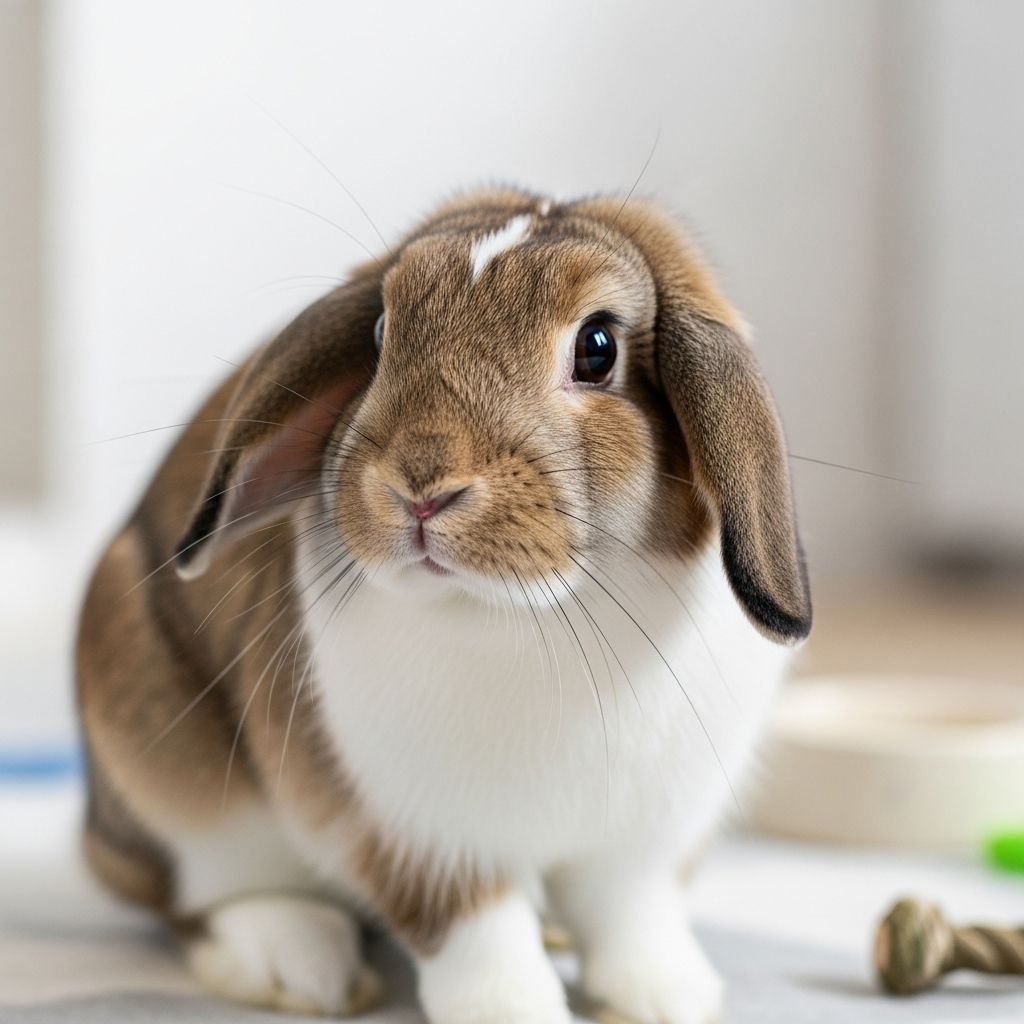
Rabbit owners must develop a keen eye for understanding their pet’s physical and behavioral characteristics to ensure ongoing wellness. Unlike some animals that openly display discomfort, rabbits have evolved as prey animals and instinctively conceal signs of illness until conditions become severe. This natural tendency makes it essential for owners to familiarize themselves with what constitutes normal rabbit health so they can detect deviations early. By learning to recognize the fundamental markers of a thriving rabbit, you position yourself to intervene promptly if problems arise.
The Foundation of Rabbit Wellness: Daily Activity and Alertness
A healthy rabbit demonstrates consistent energy levels and maintains an engaged demeanor throughout the day. These animals naturally exhibit curiosity about their surroundings, showing interest in toys, food, and their human companions. The typical healthy rabbit remains active during appropriate hours, moving fluidly without hesitation or apparent discomfort. When rabbits are thriving, they maintain alert postures with ears positioned to track sounds and movements around them.
Mental stimulation correlates directly with physical wellness in rabbits. A rabbit that engages with enrichment activities, explores its environment, and responds to its owner’s presence demonstrates psychological health alongside physical vitality. Conversely, sudden shifts toward withdrawal, reluctance to move, or loss of interest in previously enjoyed activities warrant closer examination and potential veterinary consultation.
Nutritional Indicators and Eating Patterns
The digestive system of rabbits requires constant activity to function optimally, which is why eating patterns serve as a primary health indicator. A healthy rabbit consumes hay continuously throughout the day, engaging in frequent grazing behavior. This constant intake keeps the specialized rabbit gastrointestinal tract operating smoothly. Beyond hay consumption, healthy rabbits regularly consume pelleted foods and fresh vegetables, maintaining consistent nutritional intake.
Monitoring eating habits provides early warning of potential problems:
- Rabbits should display enthusiasm for their regular food portions
- Hay consumption should represent the majority of their daily food intake
- Fresh vegetables should be eaten with normal appetite
- Sudden disinterest in any food category suggests underlying issues
- Difficulty picking up or chewing food may indicate dental problems
Changes in appetite occur rapidly in rabbits and represent one of the most critical warning signs of illness. If your rabbit significantly reduces hay consumption or leaves pellets and vegetables untouched, contact a veterinarian immediately rather than waiting to see if appetite returns on its own.
Fecal Output and Digestive Health
The appearance and consistency of rabbit droppings provide essential insight into digestive function. Healthy rabbits produce uniform, round, and firm fecal pellets with consistent size and shape. These pellets should appear throughout the day as rabbits maintain continuous grazing behavior. Monitoring the litter box regularly allows owners to establish baseline patterns and notice deviations.
Abnormal droppings warrant attention because they frequently signal digestive complications:
- Small or irregularly shaped pellets
- Uneaten or excessive cecotropes (soft pellets normally consumed directly from the anus)
- Soft stools or diarrhea
- Absence of fecal output
- Strung-together pellets connected by hair or mucus
Rabbits also produce cecotropes, which are soft droppings meant to be consumed directly and are part of normal digestive recycling. When these appear in the litter box uneaten, it may indicate illness. Completely absent fecal output combined with lethargy represents a medical emergency requiring immediate veterinary evaluation.
Coat Quality and Skin Condition
The rabbit’s fur serves as an external indicator of internal health status. A healthy rabbit maintains a soft, glossy coat that lies smoothly against the body. When you run your hands through your rabbit’s fur, you should encounter no mats, tangles, or bare patches. The skin beneath the fur should appear clean and unblemished without visible irritation, redness, or scaling.
Specific coat and skin characteristics to evaluate include:
- Fur should be clean and free from parasites
- No balding or sparse areas of hair loss
- Absence of lumps, cuts, or bruises
- No flaking or unusual dryness
- Skin should show no signs of redness or bruising
- Regular self-grooming indicates the rabbit’s ability to maintain hygiene
Rabbits that groom themselves effectively and keep their body clean demonstrate self-care behaviors associated with wellness. A dull coat or matted fur may indicate illness, pain, or inability to groom properly. Changes in fur quality sometimes emerge before other symptoms become apparent, making regular tactile inspection valuable for early detection.
Oral Health and Dental Assessment
The rabbit’s mouth requires regular examination because dental problems can severely impact overall health and quality of life. Healthy rabbit teeth align properly with the upper front teeth showing only a slight overbite. The teeth should appear level without excessive length, sharp edges, or irregular curvature. The mouth should be clean with no excessive drooling, swelling, cuts, lumps, or discharge.
When examining your rabbit’s mouth, gently pull back the upper and lower lips to inspect the front teeth and gums. Warning signs of dental problems include:
- Decreased appetite or reluctance to eat
- Dropping food while eating
- Progressive weight loss
- Suspicious odors emanating from the mouth
- Excessive tooth grinding with sharp, grating sounds
- Drooling or wet fur around the mouth and chin
- Tearing or runny eyes
Maloccluded teeth, where top teeth grow excessively over lower teeth, require veterinary attention because they impair eating ability and can trigger serious complications. Preventive dental care through appropriate diet and regular monitoring helps maintain oral health throughout the rabbit’s life.
Eye Clarity and Vision Assessment
The eyes of a healthy rabbit appear clear and bright, serving as windows into overall health status. When you examine your rabbit’s eyes, they should show no cloudiness, discharge, or redness. If you gently pull up or down on the eyelid to view the inner eye tissue, it should appear pink rather than red or very pale. Healthy eyes demonstrate appropriate responsiveness to light and movement.
Several ocular conditions warrant veterinary evaluation:
- Red or inflamed eye tissue suggesting infection or irritation
- Discharge from the eyes
- Very pale inner eye tissue indicating potential illness
- Prominent third eyelid, a thin white membrane normally hidden
- Runny or tearing eyes with nasal discharge
- Excessive pus or swelling around the eyes
A prominent third eyelid can indicate stress or discomfort in rabbits. Runny eyes combined with nasal discharge may suggest upper respiratory infection or blocked tear ducts requiring prompt evaluation.
Ear Health and Cleanliness
Rabbit ears serve multiple functions including heat regulation and hearing, making their condition important to monitor. Healthy ears should be clean and free from visible parasites, dirt, or odor. When you gently look inside the ears, they should appear pink and clean without discharge or waxy buildup. Ears play a critical role in rabbit temperature regulation, so their temperature can indicate fever or other thermal issues.
Common ear issues to watch for include:
- Parasites such as mites or fleas
- Visible dirt or discharge
- Unpleasant odors
- Redness or inflammation inside the ears
- Excessive wax buildup
Very cold or hot ears can signal fever or temperature regulation problems, particularly when coupled with other warning signs. Some rabbits exhibit head tilt when experiencing ear infections or neurological issues, which represents a reason to seek immediate veterinary care.
Foot Condition and Mobility
Healthy rabbit feet enable normal movement and exploration of the environment. When examining your rabbit’s feet, check for cleanliness and intact skin without sores, redness, or overgrown nails. The most common foot problem in rabbits is sore hocks or heels, which develop when rabbits sit on wire cage bottoms or rough surfaces. These sores can become quite painful and serve as entry points for infection.
Foot examination should include:
- No baldness on foot pads or pressure points
- Absence of redness or inflammation
- No visible injuries or open sores
- Nails should be appropriately trimmed and not overgrown
- Feet should be clean without debris or parasites
Rabbits that show reluctance to move, hop unevenly, or display limping may be experiencing foot pain. Wire-bottomed cages should be avoided entirely because they contribute to foot sores. If you notice any foot sores, especially open wounds, veterinary evaluation is necessary to prevent infection.
Body Composition and Weight Management
A healthy rabbit maintains appropriate body weight relative to its breed and individual frame size. You should be able to feel the rabbit’s ribs with gentle pressure without excessive difficulty, but they should not be visibly protruding. The spine should be similarly palpable without appearing prominently through the fur. Assessing body condition involves both visual inspection and tactile examination to ensure optimal weight.
Healthy body condition characteristics include:
- Ribs palpable but not visibly prominent
- Spine detectable without protruding obviously
- Smooth body shape without excessive fat deposits
- Consistent weight maintenance from week to week
- Ability to move and exercise without difficulty
Weight changes, whether progressive loss or excessive gain, can signal underlying health problems. Regular weigh-ins help establish baseline measurements for comparison.
Behavioral and Postural Indicators
Beyond physical examination, a rabbit’s behavior and posture communicate health status. Healthy rabbits maintain upright, relaxed postures with ears in natural forward or slightly back positions. When sitting, they should appear comfortable with no excessive muscle tension. A healthy rabbit moves with agility and fluidity, navigating their environment with confidence.
Postural changes suggesting illness include:
- Hunched appearance or exaggerated spinal curve indicating pain
- Attempting to press belly into the ground (suggesting gastrointestinal distress)
- Stumbling, staggering, or loss of coordination
- Head tilt where the head is held to one side continuously or intermittently
- Reluctance to move or participate in normal activities
Behavioral changes deserving attention include sudden withdrawal, uncharacteristic aggression, or loss of interest in food and toys. Abnormal vocalizations such as loud teeth grinding with a sharp, grating quality differ from the soft purring sound of contentment and indicate pain.
Respiratory Function and Breathing Patterns
Healthy rabbits demonstrate normal breathing patterns without audible wheezing, snoring, or labored respiration. Watch for consistent, quiet breathing during rest and normal exertion after activity. Runny eyes or nose combined with breathing changes may indicate allergies, upper respiratory infection, or blocked tear ducts requiring evaluation.
Respiratory warning signs include:
- Labored or difficult breathing
- Chronic sneezing
- Nasal discharge
- Open-mouth breathing or panting
- Grunting sounds during normal activity
- Blue-tinted lips or tongue indicating oxygen deprivation
Any signs of respiratory distress warrant prompt veterinary attention because these problems can progress rapidly in rabbits.
Vital Signs and Temperature Monitoring
Understanding normal rabbit vital signs helps identify potential health problems. A healthy rabbit maintains a body temperature typically between 101-103 degrees Fahrenheit, with 104.5 degrees Fahrenheit or above indicating elevated temperature that requires veterinary evaluation. Elevated temperature can signal systemic infection or serious underlying medical conditions. High temperature combined with reduced appetite, lethargy, or physical discomfort demands immediate professional assessment.
Conversely, low body temperature can indicate serious problems such as gas, gut stasis, or bladder issues. Temperature monitoring proves especially useful when combined with other symptom observation. If a rabbit’s temperature stabilizes for several hours and the rabbit resumes eating, drinking, and defecating normally, the issue may have been temporary gas pain, but continued observation remains important.
Genital and Anal Region Assessment
The rear end of a healthy rabbit should remain clean and free from soiling. This area should show no signs of parasites, discharge, odor, scalding, redness, balding, cuts, or lumps. A clean bottom indicates proper grooming and normal digestion. Soiling in this region can suggest poor diet quality or gastrointestinal issues requiring dietary adjustments or medical evaluation.
Establishing Your Rabbit Health Monitoring Routine
Effective rabbit health management requires establishing a regular monitoring schedule. Daily observation of eating habits, fecal output, and general behavior provides baseline understanding of your individual rabbit’s normal patterns. Weekly physical examinations allow you to assess coat quality, foot condition, and overall body composition. Regular health checks help you become familiar with what’s normal for your rabbit so deviations become immediately apparent.
Documentation of changes proves helpful if veterinary consultation becomes necessary. Note when you first observed any changes, how dramatically conditions shifted, and what symptoms accompanied the changes. This information helps veterinarians make accurate diagnoses and recommend appropriate treatment.
When in doubt about any health concern, consult a rabbit-savvy veterinarian rather than waiting to see if conditions resolve independently. Rabbits can deteriorate rapidly, and early intervention frequently saves lives and prevents complications.
References
- How to Tell If Your Rabbit is Sick — Oxbow Animal Health. https://oxbowanimalhealth.com/blog/how-to-tell-if-your-rabbit-is-sick/
- Rabbit Health: Know the Signs — Flynn Veterinary Centres. https://flynnvets.com/rabbit-health-know-the-signs/
- Rabbit Vital Signs — House Rabbit Resource Network. https://rabbitresource.org/rabbit-care-information-and-resources/medical/rabbit-vital-signs/
- Rabbit Health Check: Signs of a Healthy Bunny — Best Friends Animal Society. https://bestfriends.org/pet-care-resources/rabbit-health-check-signs-healthy-bunny
- How to Tell If a Rabbit is Sick — City of Hayward, California. https://www.hayward-ca.gov/sites/default/files/police/Rabbit-Health.pdf
- Common Illnesses, Early Warning Signs, and Preventive Care — House Rabbit Society. https://rabbit.org/health/keeping-your-rabbit-healthy/
- Rabbit Body Language — PDSA. https://www.pdsa.org.uk/pet-help-and-advice/looking-after-your-pet/rabbits/rabbit-body-language
Similar Articles








Read full bio of Sneha Tete