

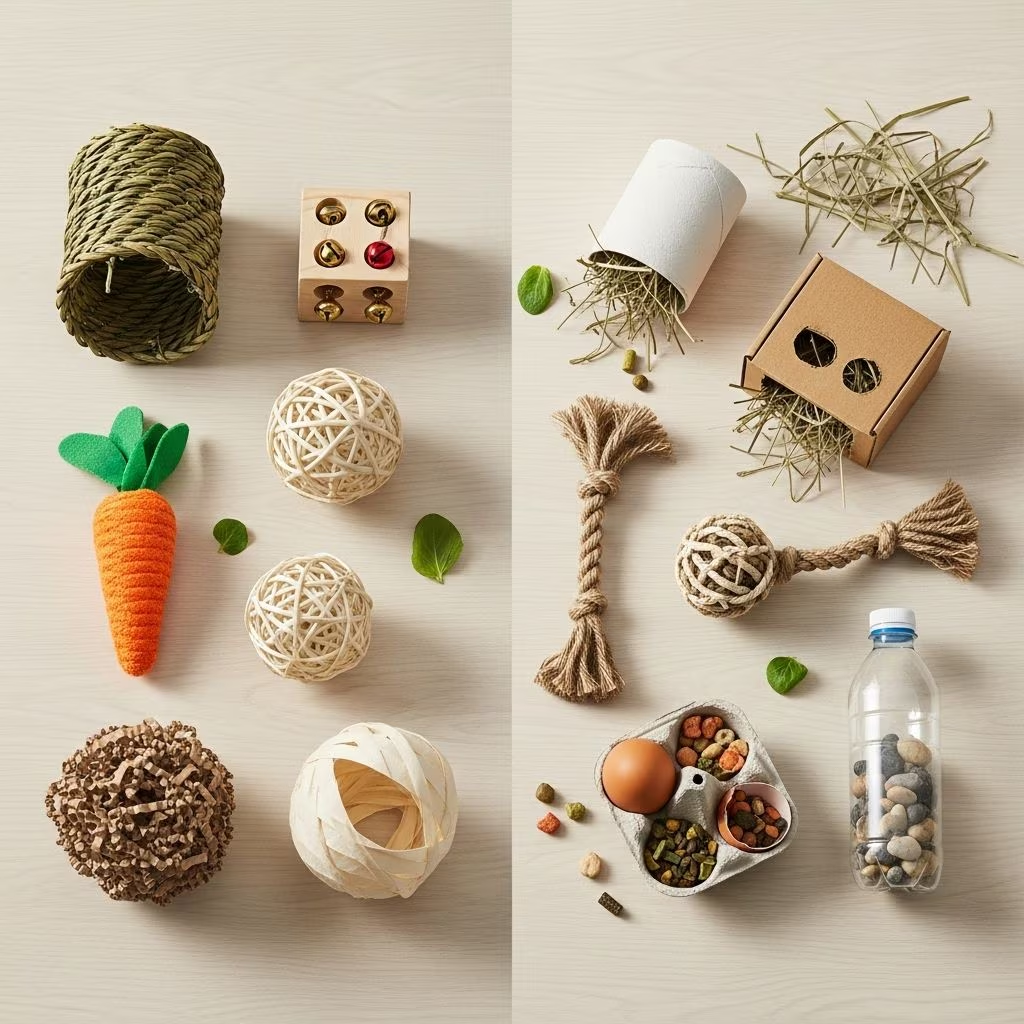
Rabbit Toys to Buy and DIY Bunny Toys: A Complete Guide
Providing your rabbit with appropriate toys is one of the most important aspects of rabbit care. Toys aren’t just for entertainment—they serve critical functions in maintaining your bunny’s physical health, mental well-being, and behavioral satisfaction. Whether you choose to purchase store-bought options or create engaging DIY toys at home, understanding what makes a toy safe and beneficial for your rabbit is essential.
Rabbits have natural instincts to dig, chew, hide, and explore. Without proper outlets for these behaviors, your bunny may become bored, depressed, or even overweight. Additionally, a rabbit without appropriate toys may redirect these instincts toward your furniture, baseboards, and electrical cords—causing both property damage and potential danger to your pet. By providing a variety of engaging toys, you’re not only enriching your rabbit’s life but also protecting your home and promoting your pet’s overall well-being.
Why Your Rabbit Needs Toys
Toys serve multiple purposes in your rabbit’s daily life. Understanding these benefits helps you make informed decisions about which toys to provide.
Physical Exercise
Your rabbit needs safe activities to keep their body in shape and maintain a healthy weight. Rabbits require things to climb on, crawl under, hop on and around, dig into, and chew on. Without adequate physical outlets, your rabbit may become fat or develop behavioral problems. Active play with toys helps your bunny stay trim and maintain cardiovascular health while engaging their natural instincts for movement and exploration.
Mental Stimulation
Beyond physical exercise, toys provide crucial mental enrichment. Puzzle toys, foraging toys, and interactive toys challenge your rabbit’s problem-solving abilities and keep their mind engaged. This mental stimulation is just as important as physical exercise for preventing boredom-related depression and destructive behaviors.
Dental Health
Rabbits have open-rooted teeth, meaning their teeth continuously grow throughout their lifetime. Providing chew toys helps your bunny maintain healthy teeth while directing their attention toward safe materials rather than your furniture or electrical cords. Appropriate chewing activities are essential for preventing dental overgrowth and maintaining oral health.
Home Protection
By offering your rabbit a selection of engaging toys, you’ve fulfilled an important part of bunny-proofing your home. When rabbits have appropriate outlets for digging and chewing, they’re less likely to damage your belongings. This makes toys an investment not just in your pet’s happiness but also in protecting your property.
Fun and Safe Toys for Rabbits
The best rabbit toys are made from natural, digestible materials that are free from harmful chemicals and dyes. Here are some proven options that rabbits enjoy:
Natural Woven and Straw Items
Rabbits love working with natural fibers. Straw or wicker baskets, straw placemats, and straw rugs provide satisfying textures for digging and chewing. These items are naturally safe for rabbits to interact with and can be easily replaced when worn out. The tactile sensation of shredding straw satisfies rabbits’ natural urge to dig and burrow.
Paper and Cardboard Toys
Paper-based toys are among the most affordable and enjoyable options for rabbits. Paper towel and toilet paper rolls are free alternatives that provide hours of entertainment. You can stuff these rolls with hay for added enrichment and flavor. Large brown paper grocery bags serve as wonderful hiding places that engage your bunny’s instinct to create shelters. Cardboard boxes, plain paper, and newspaper also provide safe chewing opportunities and creative play spaces.
Wooden Toys and Chews
The best wooden toys for rabbits are made from untreated, safe woods like applewood, willow, aspen, or pine. Wooden clothespins make excellent chew toys and can be soaked in apple or cranberry juice to create a tasty, flavored chew. Wooden balls, sticks, and blocks all satisfy the natural chewing instinct. Commercially available sticks made from sustainable applewood are specifically designed for rabbits and other small animals and provide safe, healthy chewing opportunities.
Bell Toys and Sound Makers
Rings with bells, such as parrot toys or Mason jar cover rings with large bells attached using key rings, provide auditory stimulation and toss-and-play entertainment. Sturdy hanging parrot toys designed for birds also work well for rabbits. Maze-type balls with bells in the center offer both sound and movement engagement, though you should ensure they’re made from sturdy plastic rather than thin, flimsy materials that could break apart.
Interactive and Exploration Toys
Whisk brooms can be attached to your rabbit’s cage or run to provide chewing and tossing opportunities. Puzzle toys and foraging toys challenge your rabbit to work for treats, engaging their natural foraging instincts. Baby-safe toys like plastic keys, stacking cups, and measuring cups appeal to many rabbits’ tossy nature, allowing them to grab and fling toys through the air.
Store-Bought vs. DIY Rabbit Toys: Which Is Right for You?
Both store-bought and DIY toys offer distinct advantages. Your choice may depend on your budget, time availability, and comfort level with toy safety considerations.
Store-Bought Rabbit Toys
Advantages: Store-bought rabbit toys often undergo rigorous safety testing to ensure they meet the highest standards. When you purchase toys labeled as safe for rabbits and crafted from non-toxic materials, you gain peace of mind knowing they’ve been carefully vetted for your bunny’s well-being. Quality store-bought toys are designed with rabbit safety in mind and produced under controlled conditions.
Considerations: Store-bought options typically cost more than DIY alternatives. However, the investment in safety-tested products can be worthwhile, particularly for toys your rabbit will regularly interact with.
DIY Rabbit Toys
Advantages: DIY toys offer significant cost savings since many materials come from your recycling bin or kitchen. Cardboard tubes, paper bags, and newspaper are completely free. This budget-friendly approach allows you to provide abundant toys without breaking the bank. Additionally, creating toys for your bunny can be a fun, creative activity.
Considerations: With DIY toys, the responsibility for safety rests entirely on you. You must understand which materials are safe, ensure items are free from inks or chemicals that could harm your bunny, and carefully inspect homemade toys for small parts that could present choking hazards or small edges that could cause injury. DIY toys require more time and thought to create safely.
Safety Guidelines for Choosing Rabbit Toys
Whether purchasing or creating toys, safety must be your primary concern. Follow these essential guidelines to ensure all toys are appropriate for your rabbit:
Material Safety
The best toy materials for rabbits are hardwood, cardboard, and paper. These materials are safe for rabbits to gnaw on and are digestible if ingested in small amounts. Avoid toys made from plastic with chemicals or dyes, as these can be toxic if ingested. Small dog toys made from durable rubber, such as KONG toys, may be safely chewed by rabbits. However, not all toys marketed for cats and dogs are safe for rabbits, so always verify that any toy is appropriate before offering it to your bunny.
Structural Integrity
Check all toys for small parts that your rabbit could swallow. Toys should have smooth edges without sharp points or rough areas that could cause mouth injuries. Ensure that bells are securely attached and cannot be detached and swallowed. Avoid toys with loose threads, wires, or strings that could cause intestinal blockages if ingested.
Production Standards and Origin
Knowing where a toy is made provides valuable insight into its production standards. Ensure that store-bought toys aren’t produced from toxic materials or in unhygienic environments. For DIY toys, use materials from reliable sources and verify they’re free from pesticides, harmful inks, or chemical treatments.
Health Concerns
Even if toy materials are safe for rabbits, excess ingestion can cause gastrointestinal irritation and stasis—a potentially life-threatening condition that slows the passage of food through the GI tract. Supervise your rabbit’s interaction with toys, remove toys that become fragmented, and consult your veterinarian if your rabbit shows signs of digestive distress.
Creating the Perfect Rabbit Toy Variety
The ideal rabbit setup includes a diverse selection of toys targeting different play styles and behaviors. Consider providing toys across these categories:
| Toy Type | Purpose | Examples | Frequency |
|---|---|---|---|
| Chew Toys | Maintain dental health and satisfy chewing instinct | Applewood sticks, wooden blocks, untreated baskets | Always available |
| Hiding Toys | Create safe spaces and reduce stress | Cardboard boxes, paper bags, tunnels | Multiple options daily |
| Foraging Toys | Encourage natural foraging behavior and mental engagement | Puzzle feeders, hide-and-seek mats, foraging balls | Daily with supervised use |
| Toss-and-Play Toys | Enable active play and physical exercise | Plastic keys, balls with bells, stacking cups | Rotate regularly |
| Interactive Toys | Provide mental stimulation and bonding opportunities | Puzzle toys, interactive feeders, adjustable toys | Supervised play sessions |
Budget-Friendly DIY Rabbit Toy Ideas
Creating DIY toys for your rabbit doesn’t require any special skills or supplies. Here are inexpensive options you can make at home:
- Cardboard tube chews: Stuff paper towel and toilet paper rolls with hay and let your rabbit tear through them
- Paper bag hideouts: Cut holes in brown paper grocery bags to create exploring opportunities
- Fruit-soaked clothespins: Soak wooden clothespins in apple or cranberry juice for flavored chewing
- Shredded paper play area: Create a designated space filled with shredded newspaper and paper for digging
- Cardboard castle: Stack and tape cardboard boxes to create multi-level exploring structures
- Crinkled paper balls: Crumple newspaper or paper bags into balls for tossing games
- Willow stick bundles: Bundle untreated willow sticks together for safe chewing
- Hay-filled boxes: Fill small boxes with hay for foraging and hiding enrichment
Frequently Asked Questions About Rabbit Toys
Q: How often should I rotate rabbit toys?
A: Rotating toys regularly maintains novelty and prevents boredom. Consider rotating your rabbit’s toys weekly or biweekly, bringing out toys that have been stored away to make them feel new and interesting again. This keeps your rabbit mentally engaged without requiring you to purchase toys constantly.
Q: Can rabbits play with commercial cat or dog toys?
A: Some commercial cat and dog toys are safe for rabbits, such as sturdy parrot toys and small dog toys made from durable rubber like KONG. However, not all pet toys are rabbit-appropriate. Always verify that any toy marketed for other species is specifically safe for rabbits before offering it. Avoid toys with small parts, toxic dyes, or materials that could cause intestinal blockages.
Q: What should I do if my rabbit isn’t interested in toys?
A: Rabbit preferences vary widely. If your bunny ignores certain toys, try different materials and styles. Some rabbits prefer tossing toys, while others love foraging challenges or hiding spaces. You may need to experiment with various options to discover your individual rabbit’s preferences. Additionally, supervising initial play and providing treats with interactive toys can increase interest.
Q: How can I tell if a toy is safe for my rabbit?
A: Safe rabbit toys are made from natural, digestible materials free from harmful chemicals and dyes. Look for toys made from hardwood, cardboard, paper, or natural fibers. Ensure the toy has no small parts that could be swallowed, sharp edges, loose threads, or detachable pieces. For DIY toys, verify that all materials come from safe sources and haven’t been treated with pesticides or chemical coatings.
Q: Can rabbits eat the materials from their toys?
A: Rabbits can safely ingest small amounts of appropriate toy materials like cardboard, paper, and untreated wood. However, excessive ingestion can cause gastrointestinal issues and potentially life-threatening stasis. This is why supervision is important and damaged toys should be removed promptly. Monitor your rabbit for signs of digestive upset, such as reduced appetite or fewer droppings.
Q: What’s the best way to introduce new toys to my rabbit?
A: Introduce new toys gradually in your rabbit’s safe space. Allow your bunny to investigate and interact with the toy at their own pace. Some rabbits are immediately interested, while others need time to become comfortable with new items. You can encourage interest by placing treats near the toy or demonstrating its use. Always supervise initial interactions to ensure the toy is safe and your rabbit enjoys it.
References
- Rabbit Toys to Buy and DIY Bunny Toys — Best Friends Animal Society. https://bestfriends.org/pet-care-resources/rabbit-toys-buy-and-diy-bunny-toys
- How to Pick Out Safe Rabbit Toys — PetMD. https://www.petmd.com/rabbit/care/how-pick-out-safe-rabbit-toys
- Everything You Need to Know About Rabbit Toys — Small Pet Select. https://shop.smallpetselect.com/blogs/care-resources/everything-you-need-to-know-about-rabbit-toys
- Top 10 Toys and Accessories for Rabbits — Oxbow Animal Health. https://oxbowanimalhealth.com/blog/top-10-toys-and-accessories-for-rabbits/
- Rabbit Toys – Suitable Toys for Rabbits — RSPCA. https://www.rspca.org.uk/adviceandwelfare/pets/rabbits/behaviour/enrichment/toys



